Tonatico
"The sulfur pools were too hot, the carnitas were perfect, and I completely lost track of time."
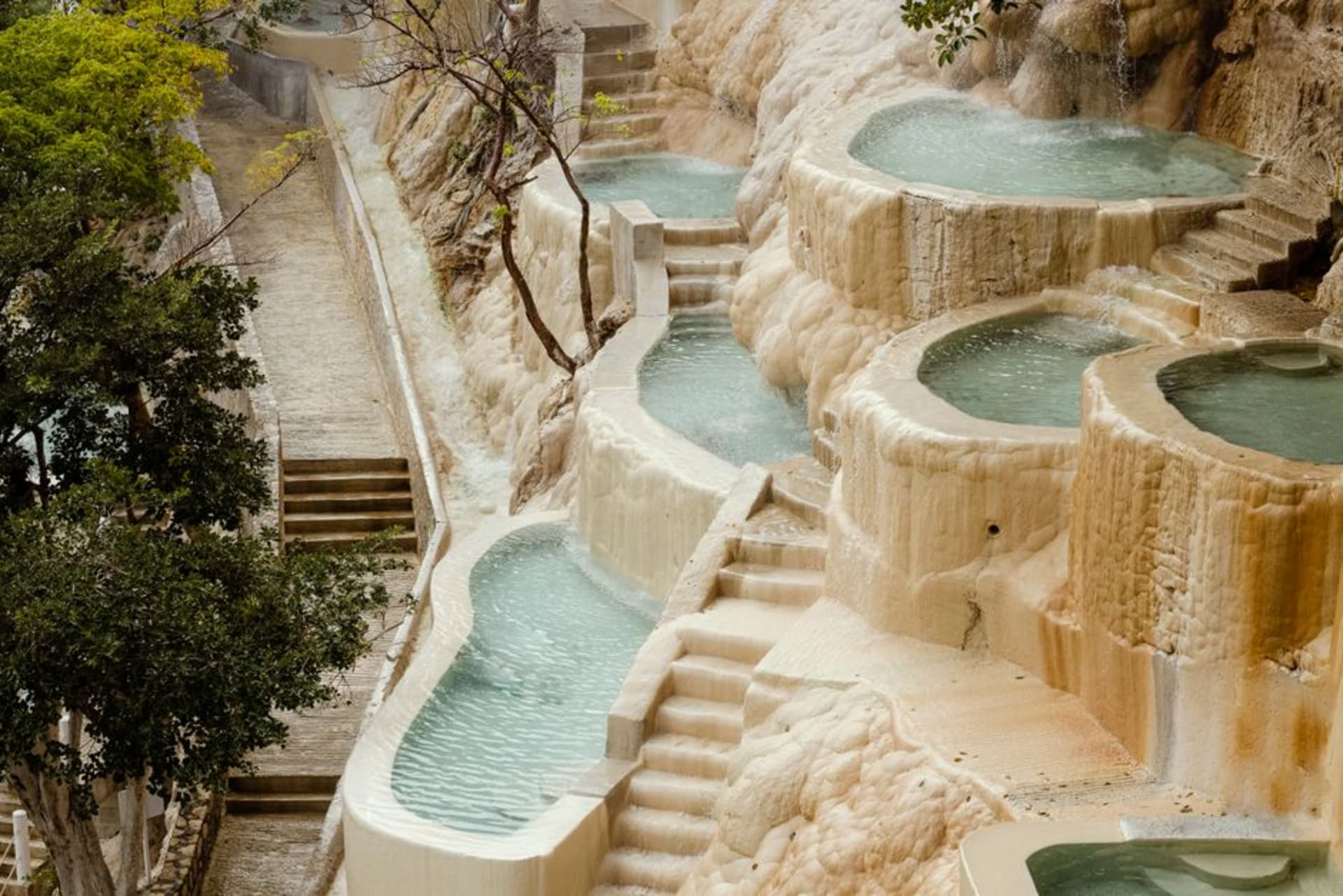
A small thermal-water town on the Estado de México-Guerrero border where mineral pools carved into a hillside draw weekend refugees from the capital and carnitas stands do steady, serious business. Chilangos have known about Tonatico for decades. Almost no one else has caught on.

I came to Tonatico on a Tuesday in February, which is exactly the right moment — the weekend crowd gone, the pools half-empty, the carnitas vendors rolling out their copper cazos at a pace that suggested no particular urgency. I had read almost nothing about it beforehand, just a single line in a forum thread: si te gustan los balnearios serios, ve a Tonatico. That was enough. I took a combi from Toluca, arrived by noon, and did not leave until the following afternoon.
The Balnearios and the Heat of the Water
The thermal pools are the whole reason Tonatico exists, and they are not subtle. The water comes up from the hillside mineral-rich and searingly hot — the serious bathers work their way from cooler cascade pools near the entrance down to the hotter terrace pools below, where the sulfur smell is thick and the steam makes everything slightly impressionistic. I spent an hour in one pool near Parque Acuático Ixtapan del Oro — not the famous Ixtapan de la Sal further north, but Tonatico’s own humbler, more local version — talking to a retired schoolteacher from Naucalpan who drove out every third Sunday. She told me the pools were better before they paved the access road. I believe her. But even now, with the concrete and the cumbia leaking from a distant speaker, there is something genuinely restorative about lying in mineral water that is just slightly too hot while the surrounding hills go gold in the afternoon.

Carnitas, the Town’s Other Religion
Tonatico takes its carnitas as seriously as its water. Along Calle Morelos and around the small zócalo, half a dozen stands run proper copper cazos from mid-morning through early afternoon, and the protocol is always the same: you approach, you point, they ladle. I ordered a quarter kilo — maciza with a little buche mixed in, because the woman at the stand suggested it — wrapped in paper, served with fresh tortillas from a comal two meters away. The salsa verde was the kind that arrives in a small clay bowl and disappears faster than you planned for. I ate standing at the counter. A second taco appeared before I had finished the first. I did not object. The town’s central market, Mercado Municipal, has a few stalls selling local chiles and dried herbs, but honestly the carnitas stands are the more compelling reason to spend time on your feet before getting back in the water.

The Town Between Baths
Outside the balnearios, Tonatico is a small, unhurried place — a church, a plaza, streets that climb in short steep blocks up from the main road. In the evening, after the day visitors have left, the town settles into something quieter and more itself. Old men play dominoes near the kiosko. A few food carts appear selling corn and churros. I walked the perimeter of the zócalo twice for no particular reason, then sat on a bench and watched a dog investigate an abandoned styrofoam cup with great methodical patience. This is the part of Tonatico that the balneario brochures do not photograph.

Getting There
From Toluca’s Terminal Poniente, take a combi or second-class bus toward Ixtapan de la Sal and ask to be let off at Tonatico — the journey runs about two hours depending on traffic. From Mexico City, combis leave from the Observatorio terminal zone. A car gives you more flexibility but parking around the balnearios on weekends is genuinely chaotic; arrive before 10 a.m. or don’t bother.
Keep exploring
More of Estado de México
Keep exploring
More from Estado de México
 mexico
 Ixtapan de la Sal
A spa town in the southernmost corner of Estado de México where thermal mineral springs feed public and private pools that Mexican families have been soaking in for generations — unpretentious, warm, and completely unlike the polished wellness industry that has colonized similar springs elsewhere.
Explore mexico
 Zacualpan
A small Estado de México mining town with genuine 16th-century silver heritage — stamp mills, colonial stone streets, and a parish church — visited by almost nobody, which is exactly its appeal.
Explore mexico
 Malinalco
A small canyon town south of Toluca where the Mexica carved an entire temple sanctuary directly into the living rock of the hillside. Below it, a colonial convent anchors a compact centro filled with bougainvillea and good weekend food stalls.
Explore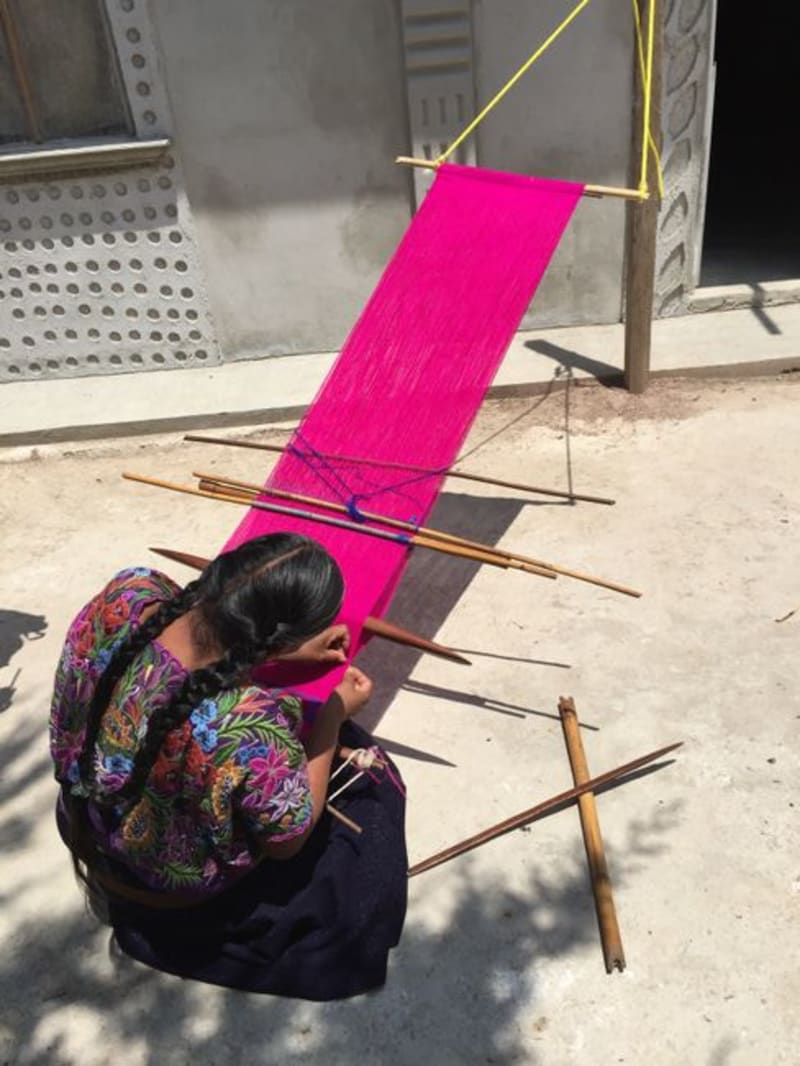 mexico
 Tenancingo
Tenancingo is simultaneously one of Mexico's great rebozo-weaving towns and a cut-flower capital, its hillsides blanketed in greenhouses and its Thursday market a compressed version of both worlds — silk shawls, carnations, carnitas. Most people drive past on the way to Malinalco. They shouldn't.
Explore mexico
 Teotenango
Teotenango is a pre-Columbian city built by the Matlatzinca on a volcanic hilltop above the Toluca Valley — seven plazas, multiple pyramid platforms, a ballcourt, and views across the plateau to the Nevado de Toluca. It receives a fraction of the visitors of Teotihuacán, 60km northeast, which is a reason to come rather than a reason to doubt it. On a weekday morning at 2,600 meters, with the clean cold air of the plateau and almost no one else there, it was the best two hours I spent in the Estado de México.
Explore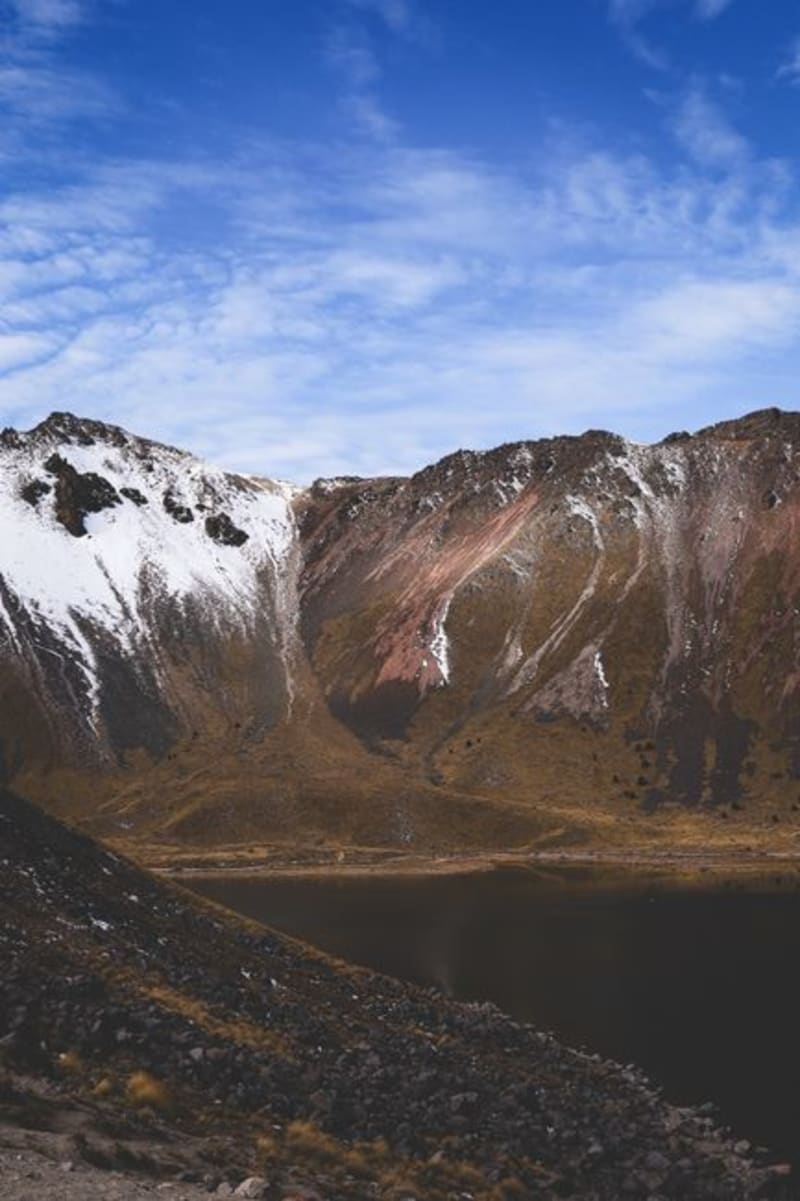 mexico
 Nevado de Toluca
A dormant volcano two hours from Mexico City where the trail drops into the collapsed caldera and finds two cold lakes — Lago del Sol and Lago de la Luna — sitting at 4,580 metres inside bare grey volcanic rock. The air bites. The water is an improbable turquoise-green, and people actually swim.
Explore