Zacualpan
"Zacualpan is what Taxco was before Taxco became famous — which means it still has something Taxco lost long ago."
A small Estado de México mining town with genuine 16th-century silver heritage — stamp mills, colonial stone streets, and a parish church — visited by almost nobody, which is exactly its appeal.

I arrived on a Sunday around noon, which turned out to be either excellent timing or a complete accident — the market was still winding down, the church bells had just finished, and about three other people looked as out of place as I did. The bus from Toluca had dropped me at the edge of town with no fanfare, no tourist office, no signage pointing me toward anything in particular. I stood at the top of the stone-paved main street and understood almost immediately that this was going to be a good afternoon.
The Mines That Built This Town
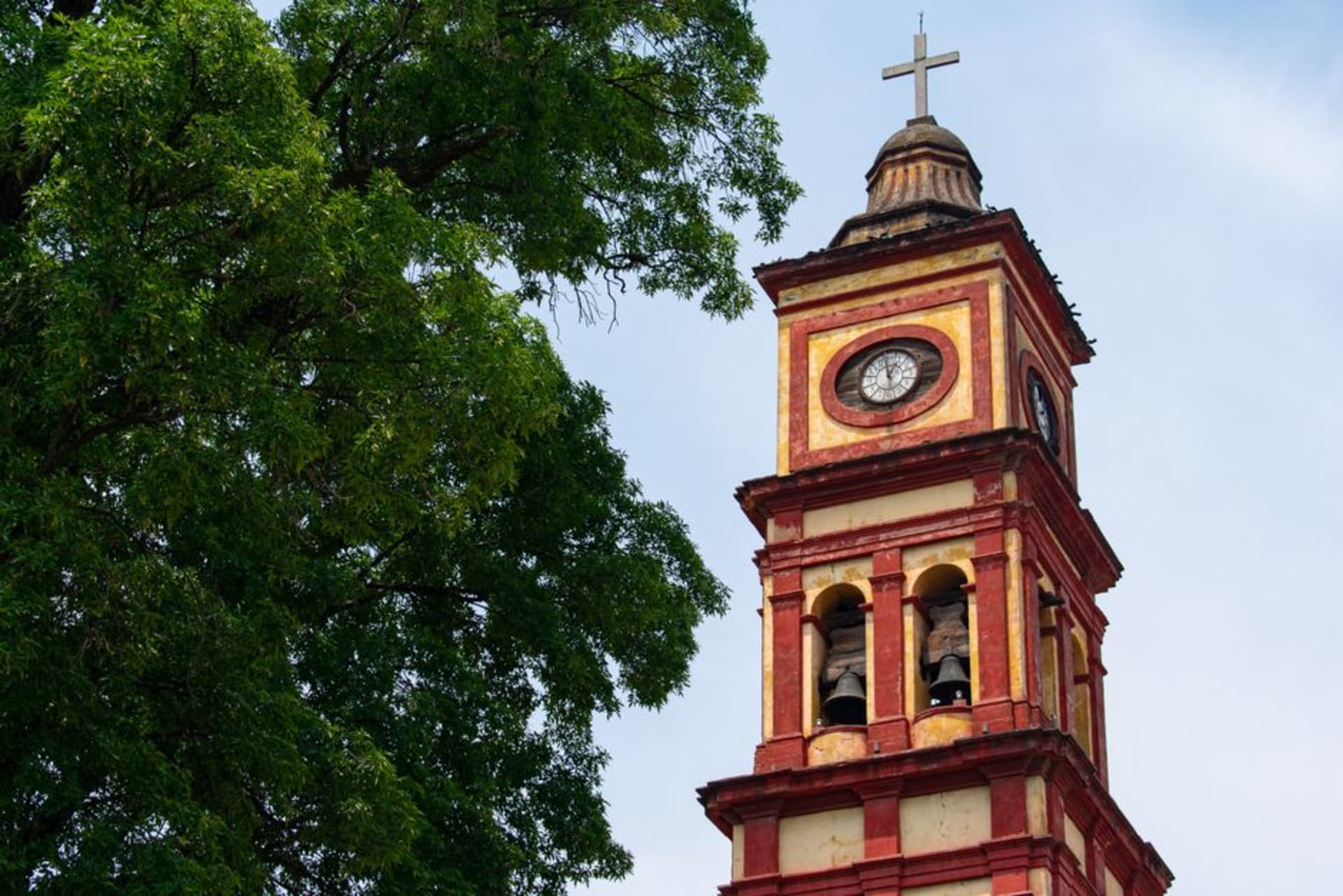
Zacualpan was producing silver before most of the colonial towns that now charge admission to look at it. Spanish mining operations began here in the 1530s, and by the mid-16th century the town had the infrastructure that would define it for centuries: the haciendas de beneficio, the stone stamp mills where ore was crushed and processed before the silver could be extracted. Several of these structures still stand — not reconstructed or converted into boutique hotels, just there, somewhat crumbling, integrated into the landscape the way things get when nobody has decided they’re valuable enough to restore or demolish. The Parroquia de San Simón y San Judas Tadeo anchors the main plaza with the quiet authority that colonial churches have when they haven’t been repainted recently. The stone is original. The proportions are right. I sat on one of the plaza benches for a long time doing almost nothing, which felt like the correct response.

What the Market Still Sells
The Sunday tianguis was mostly over by the time I arrived, but a row of food stalls along the main street had the stubborn persistence of places that don’t close until the last customer has been fed. I ate memelas with salsa verde at a folding table while a woman opposite me argued cheerfully with her phone. They were thick, slightly charred on the outside, filled with a bean paste that tasted like someone had thought carefully about seasoning. I ordered a second one immediately. The surrounding vendors sold things I associate with markets that haven’t been curated for outside consumption: hardware, secondhand clothing, seedlings in plastic bags. A stall near the church was selling plastic toys and dried chiles from adjacent tables with total indifference to category.

How to Spend the Afternoon
The town rewards walking without a destination. The streets north of the plaza slope upward through neighborhoods that feel genuinely residential — laundry, dogs, the occasional child on a bicycle — rather than preserved for visitors. Follow any street toward the old mine workings on the outskirts and you will find ruins that nobody has put a fence around. Bring water; the altitude sits around 1,800 meters and the midday sun is serious. If you arrive on a Sunday, stay through the early evening when the plaza fills with families and the light on the church façade turns a color you will not find on a postcard, because nobody is making postcards of Zacualpan.

Getting There
From Toluca, buses to Zacualpan depart from the main terminal — journey time around two to two and a half hours depending on the route and stops. From Mexico City, Toluca is forty minutes by highway, making this a long day trip that demands an early start. There is no direct service from the capital. Combis return toward Toluca through the late afternoon; do not assume there is an evening departure.
Keep exploring
More of Estado de México
Keep exploring
More from Estado de México
 mexico
 Ixtapan de la Sal
A spa town in the southernmost corner of Estado de México where thermal mineral springs feed public and private pools that Mexican families have been soaking in for generations — unpretentious, warm, and completely unlike the polished wellness industry that has colonized similar springs elsewhere.
Explore mexico
 Tonatico
A small thermal-water town on the Estado de México-Guerrero border where mineral pools carved into a hillside draw weekend refugees from the capital and carnitas stands do steady, serious business. Chilangos have known about Tonatico for decades. Almost no one else has caught on.
Explore mexico
 Sultepec
A colonial silver-mining town folded into the mountains of southwestern Estado de México, Sultepec has been largely bypassed by the tourism circuit that defines most of the region. What remains is a town that moves at its own pace — ornate parish church, cobblestone streets, and market vendors who ask where you came from before they ask what you want.
Explore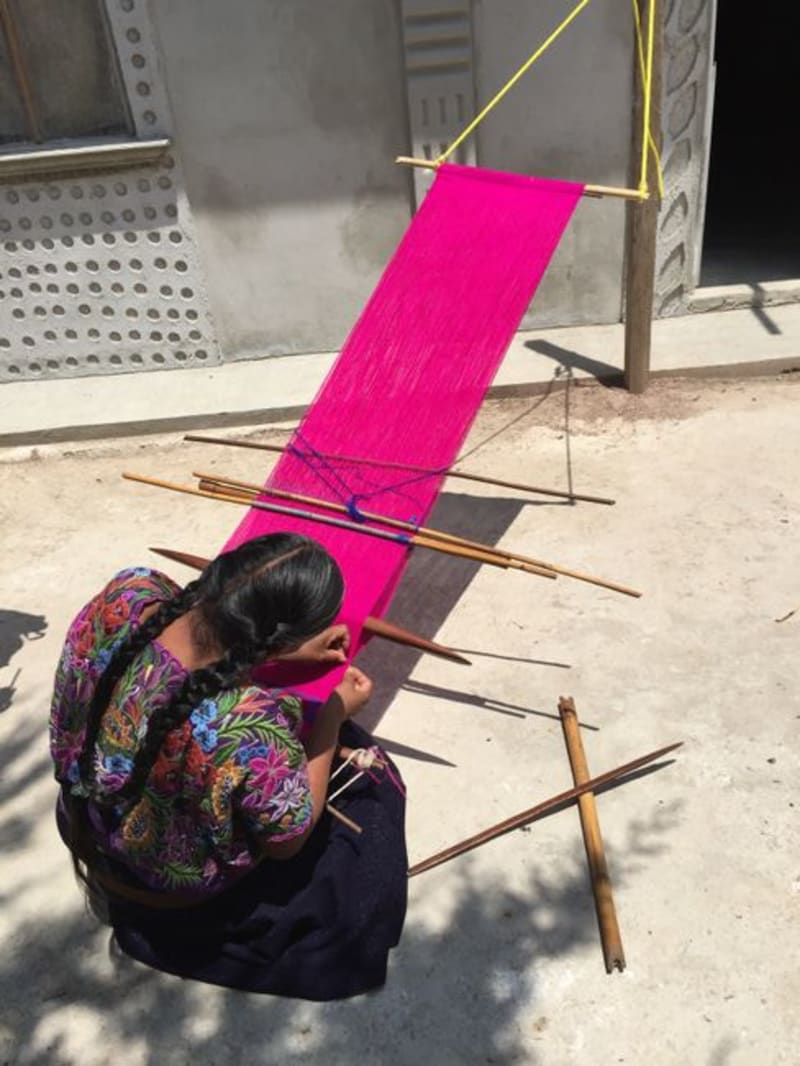 mexico
 Tenancingo
Tenancingo is simultaneously one of Mexico's great rebozo-weaving towns and a cut-flower capital, its hillsides blanketed in greenhouses and its Thursday market a compressed version of both worlds — silk shawls, carnations, carnitas. Most people drive past on the way to Malinalco. They shouldn't.
Explore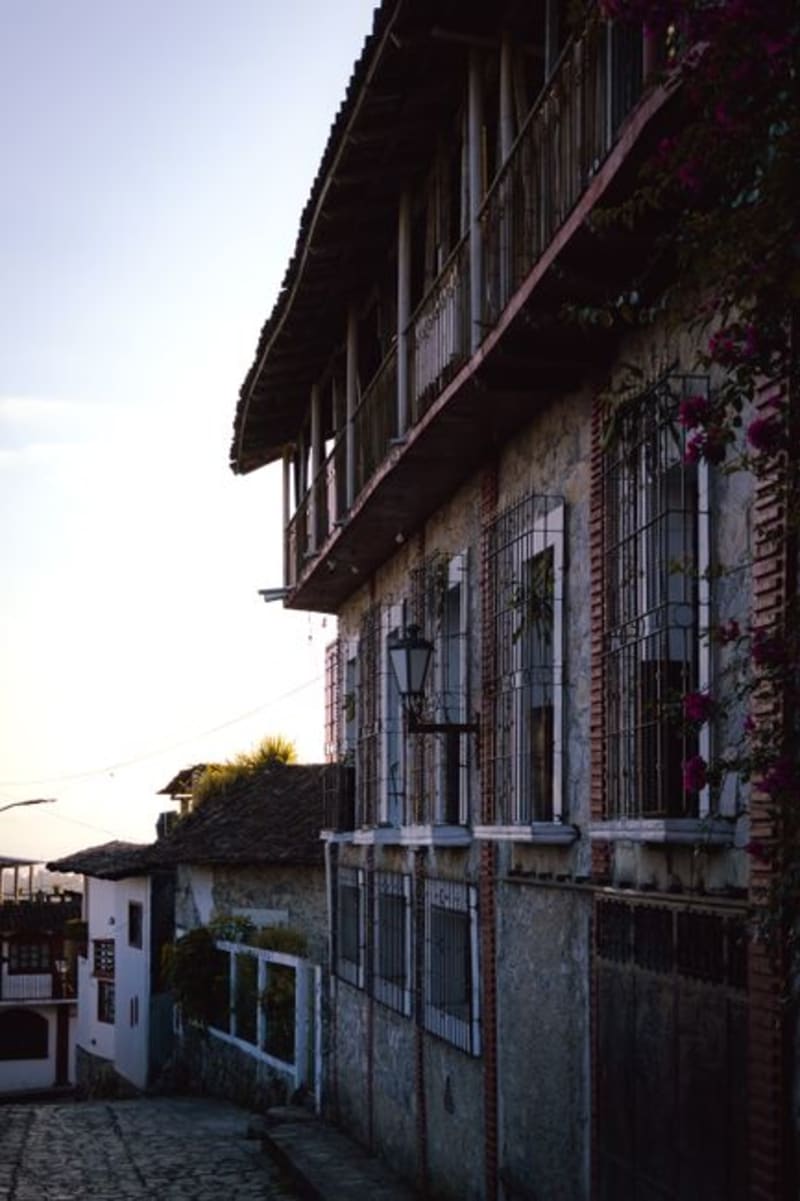 mexico
 Malinalco
A small canyon town south of Toluca where the Mexica carved an entire temple sanctuary directly into the living rock of the hillside. Below it, a colonial convent anchors a compact centro filled with bougainvillea and good weekend food stalls.
Explore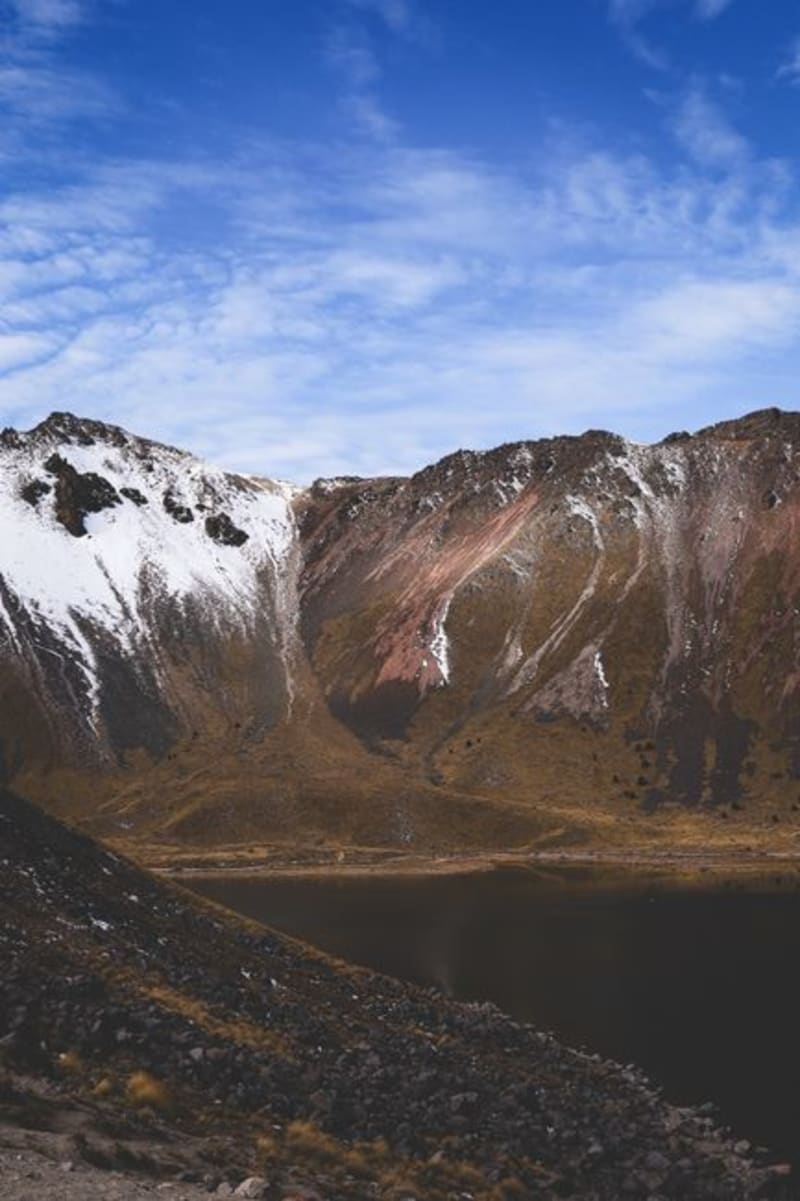 mexico
 Nevado de Toluca
A dormant volcano two hours from Mexico City where the trail drops into the collapsed caldera and finds two cold lakes — Lago del Sol and Lago de la Luna — sitting at 4,580 metres inside bare grey volcanic rock. The air bites. The water is an improbable turquoise-green, and people actually swim.
Explore