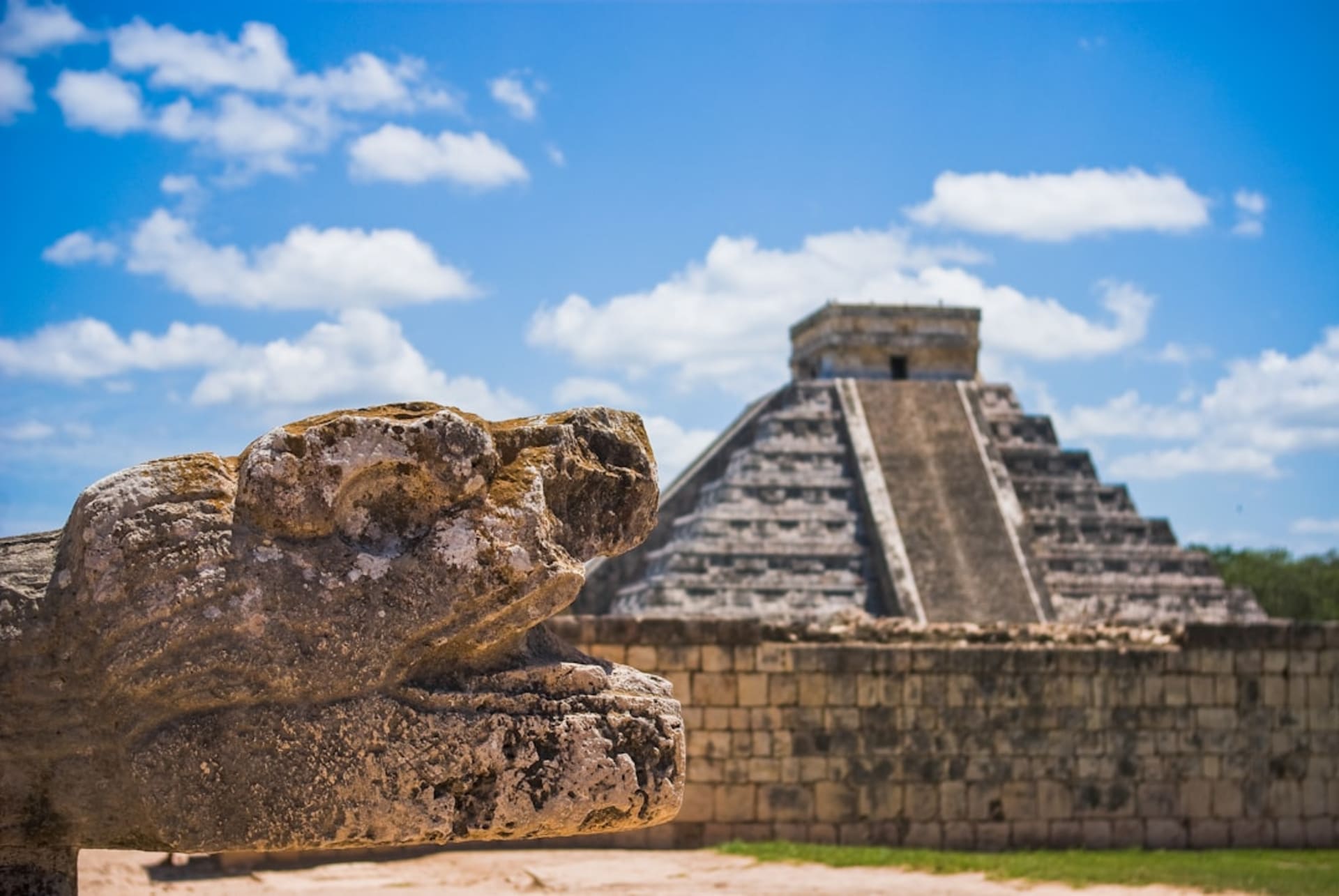
Malinalco
"Most Aztec temples were built stone by stone. This one was cut from the mountain itself."
A small canyon town south of Toluca where the Mexica carved an entire temple sanctuary directly into the living rock of the hillside. Below it, a colonial convent anchors a compact centro filled with bougainvillea and good weekend food stalls.

I came up from Toluca on a second-class bus that deposited me at a crossroads with no signage and excellent tamales. A mototaxi took me the rest of the way into the canyon, past avocado orchards and a dry riverbed, and when Malinalco finally appeared — terracotta rooftops tucked between two ridges, bougainvillea spilling over every wall — I understood immediately why the Mexica considered this place sacred. The air is warmer here than it has any right to be at this altitude. People move slowly. The market was already setting up, and someone was grilling elotes on the corner of Hidalgo.
The Temple in the Rock
The Cuauhtinchan sits 200 meters above town at the end of a stone path that takes about twenty minutes to climb. I went on a Saturday morning, early enough that I had the first stretch of trail mostly to myself. What you reach at the top is not a pyramid — it is a circular chamber that the Mexica literally chiseled out of the mountainside, jaguar and eagle warriors carved in relief flanking the entrance, a serpent’s open mouth forming the doorway. The interior is dim and carved smooth. There is something quietly unsettling about a structure like this: no mortar, no assembly, just subtraction. A mountain that became a room. The site has four or five additional structures spread across the hilltop, but Cuauhtinchan is the one that stays with you.

The Convent and the Weekend Market
Back in the centro, the Augustinian convent of Divino Salvador anchors the main plaza. It dates to the 1540s, built in part with stone stripped from the very Aztec site above — the colonial project being what it was. The cloister is open, calm, and worth ten minutes of your time, though the real action on a Saturday is the market spreading out from the plaza along Calle Guerrero. I found decent memelas with black bean paste, a vendor selling tejate from a clay bowl, and an older woman with dried chiles I had never seen labeled before. I bought three kinds and still am not entirely sure what they all were.

Eating and Staying
Malinalco draws weekend visitors from Toluca and Mexico City, so there are a handful of restaurants that know what they are doing. I ate a good caldo de hongos at a place on Juárez with plastic chairs and handwritten menus, and an even better order of quesillo-stuffed tlayudas at a stall near the market. The town is small enough to walk entirely in an afternoon. A few guesthouses operate in restored colonial houses near the centro, priced reasonably for the proximity to the capital — nothing luxury, but clean and quiet.

Getting There
From Mexico City’s Terminal Poniente (Observatorio), take a bus to Tenancingo (about two hours), then a colectivo or taxi the remaining 22 kilometers to Malinalco. From Toluca, direct buses leave from the Terminal Zinacantepec. The archaeological zone is open Tuesday through Sunday; the climb is easiest before 10 a.m. in warmer months.
Keep exploring
More of Estado de México
Keep exploring
More from Estado de México
 mexico
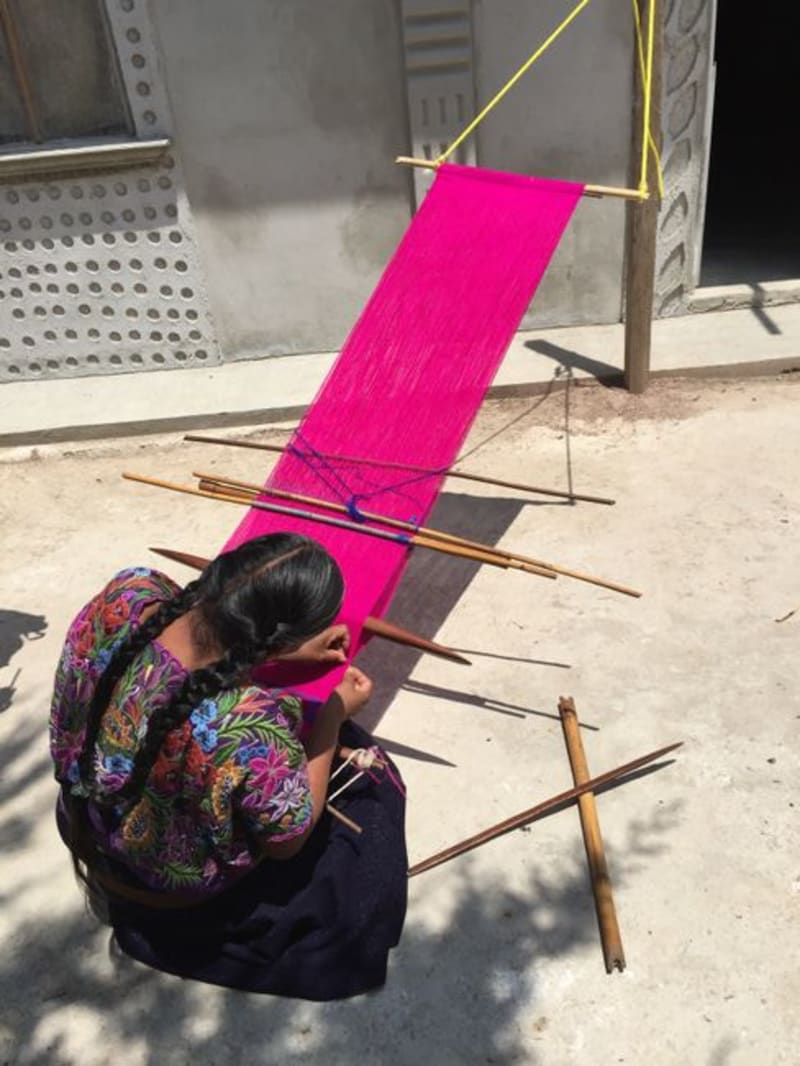
 Tenancingo
Tenancingo is simultaneously one of Mexico's great rebozo-weaving towns and a cut-flower capital, its hillsides blanketed in greenhouses and its Thursday market a compressed version of both worlds — silk shawls, carnations, carnitas. Most people drive past on the way to Malinalco. They shouldn't.
Explore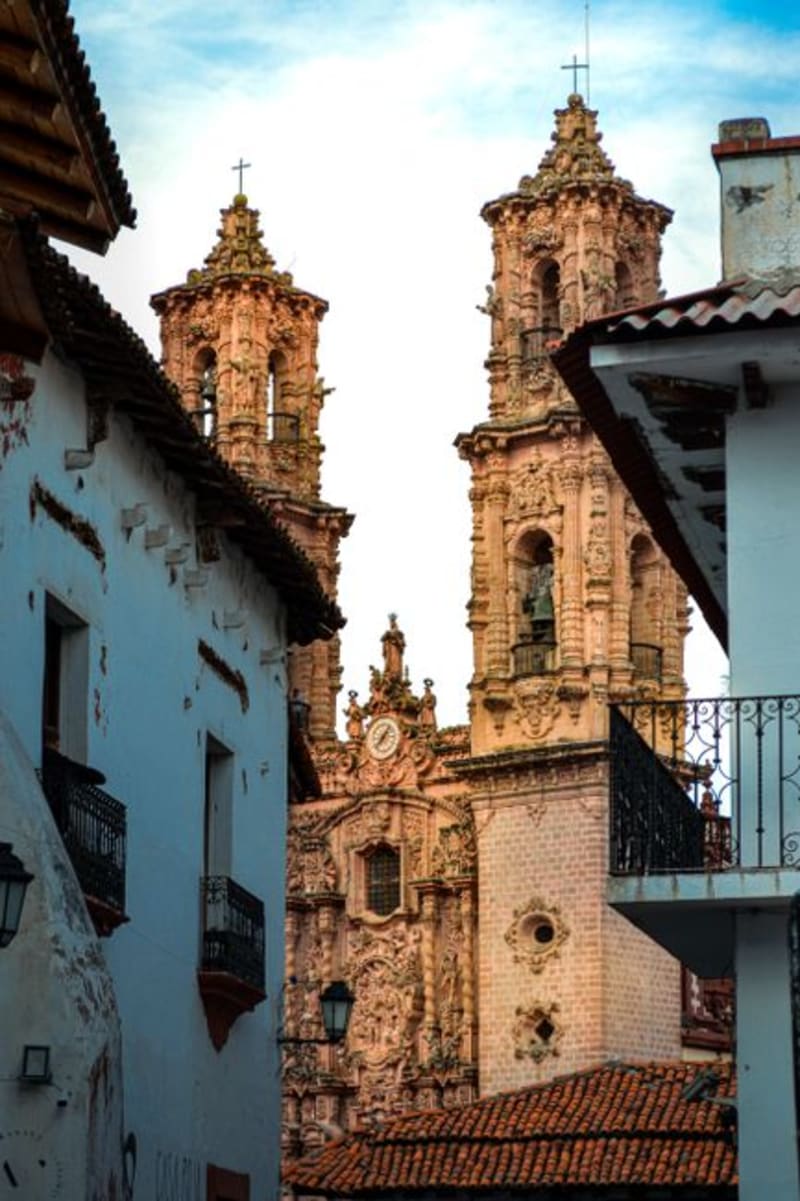 mexico
 Tonatico
A small thermal-water town on the Estado de México-Guerrero border where mineral pools carved into a hillside draw weekend refugees from the capital and carnitas stands do steady, serious business. Chilangos have known about Tonatico for decades. Almost no one else has caught on.
Explore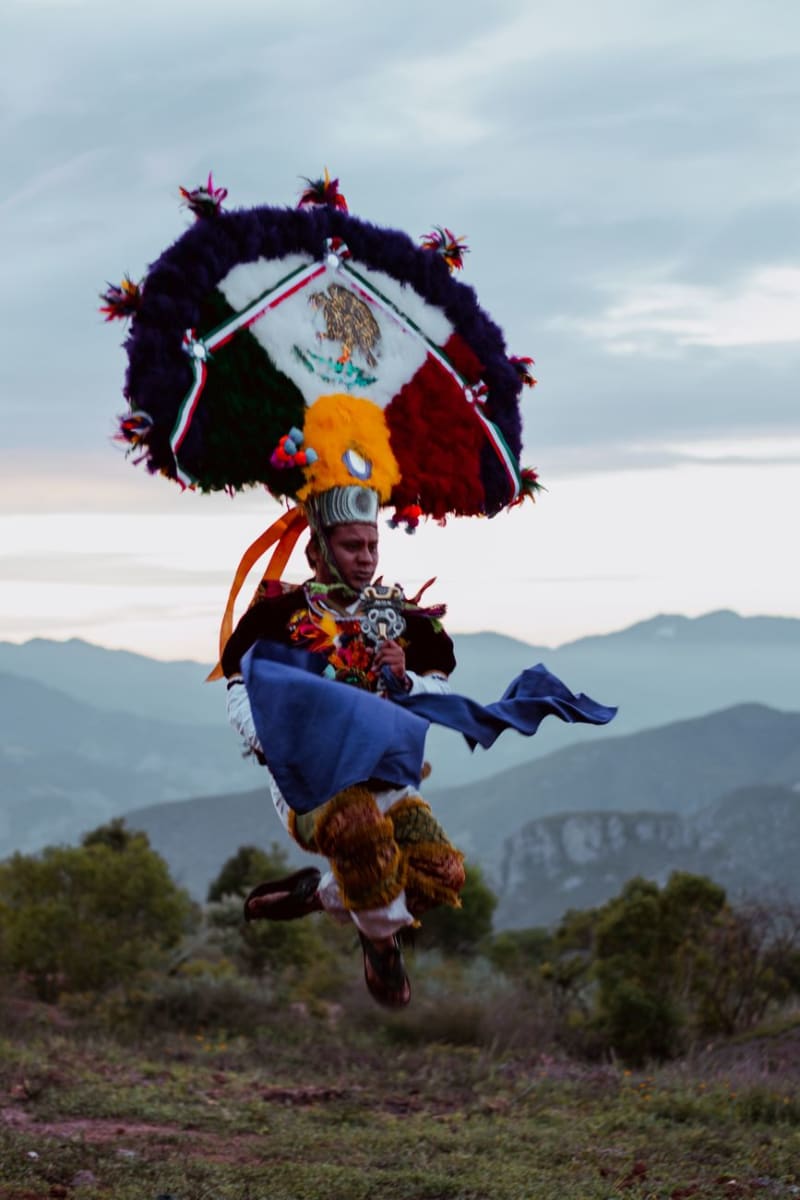 mexico
 Ixtapan de la Sal
A spa town in the southernmost corner of Estado de México where thermal mineral springs feed public and private pools that Mexican families have been soaking in for generations — unpretentious, warm, and completely unlike the polished wellness industry that has colonized similar springs elsewhere.
Explore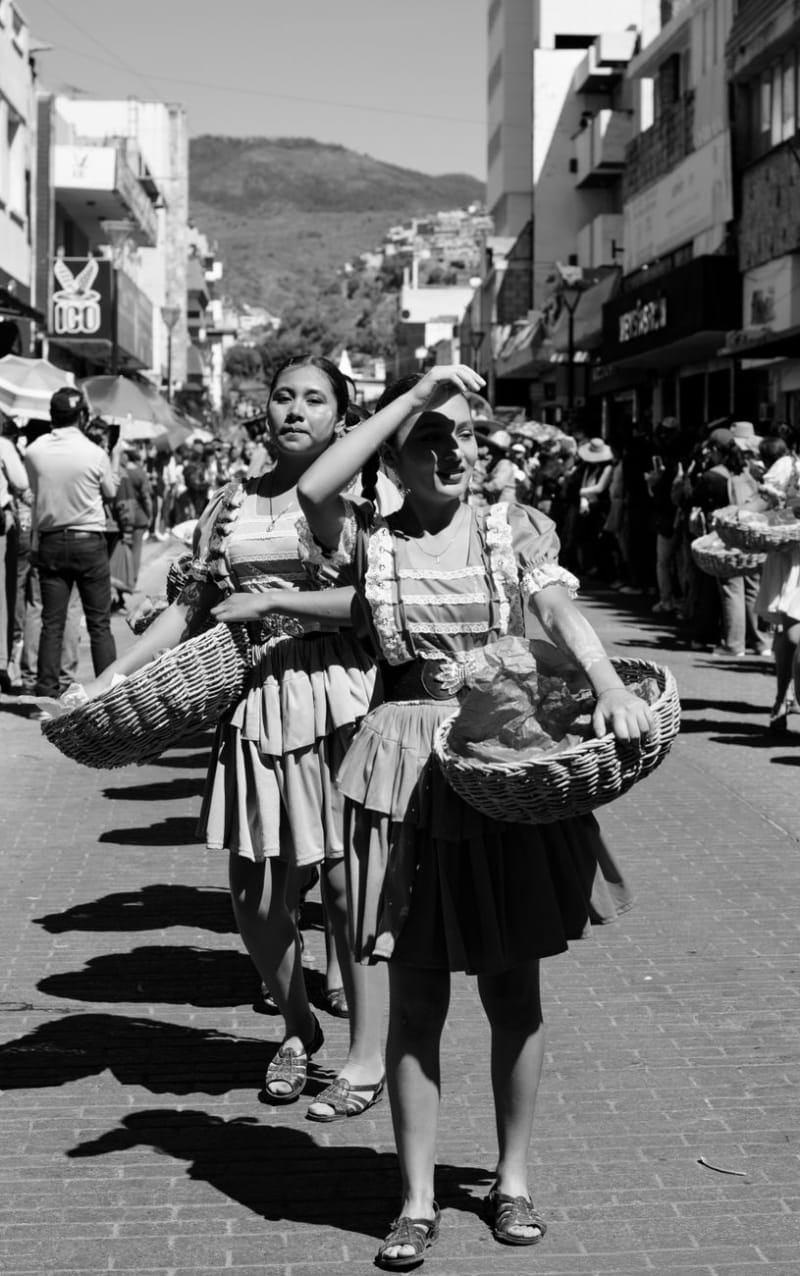 mexico
 Teotenango
Teotenango is a pre-Columbian city built by the Matlatzinca on a volcanic hilltop above the Toluca Valley — seven plazas, multiple pyramid platforms, a ballcourt, and views across the plateau to the Nevado de Toluca. It receives a fraction of the visitors of Teotihuacán, 60km northeast, which is a reason to come rather than a reason to doubt it. On a weekday morning at 2,600 meters, with the clean cold air of the plateau and almost no one else there, it was the best two hours I spent in the Estado de México.
Explore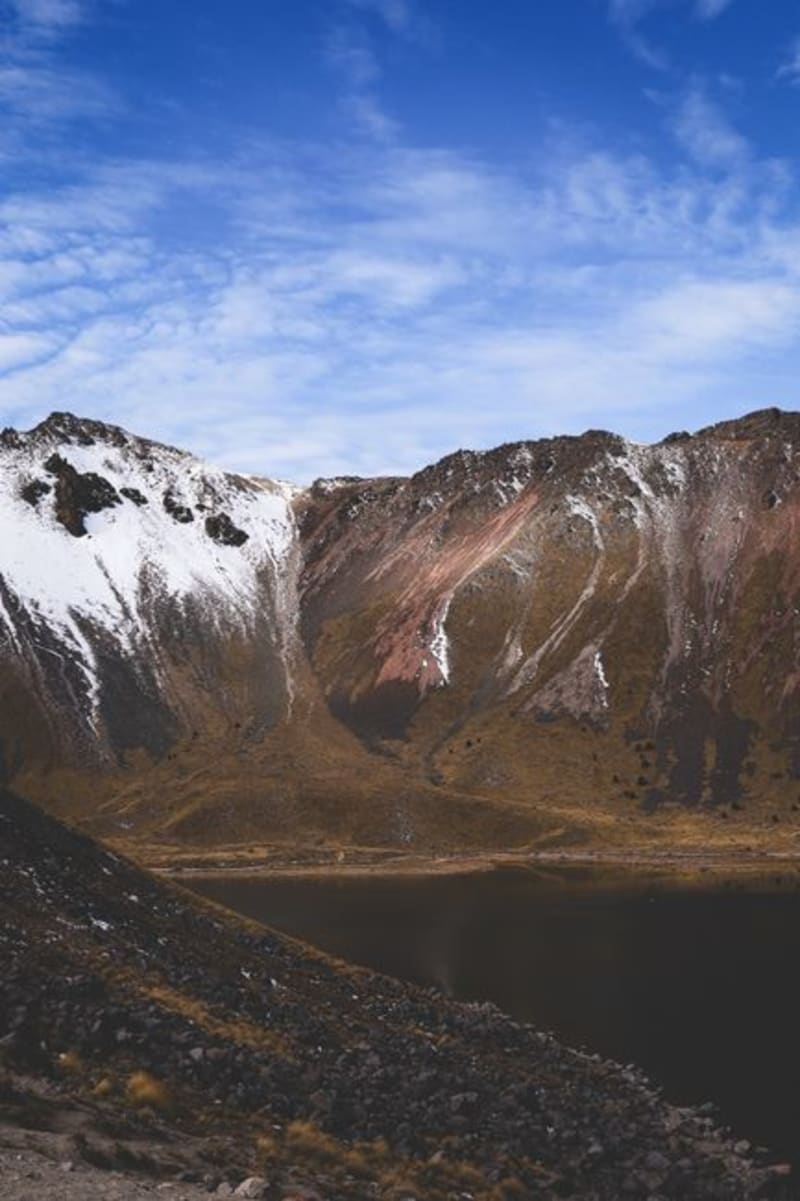 mexico
 Nevado de Toluca
A dormant volcano two hours from Mexico City where the trail drops into the collapsed caldera and finds two cold lakes — Lago del Sol and Lago de la Luna — sitting at 4,580 metres inside bare grey volcanic rock. The air bites. The water is an improbable turquoise-green, and people actually swim.
Explore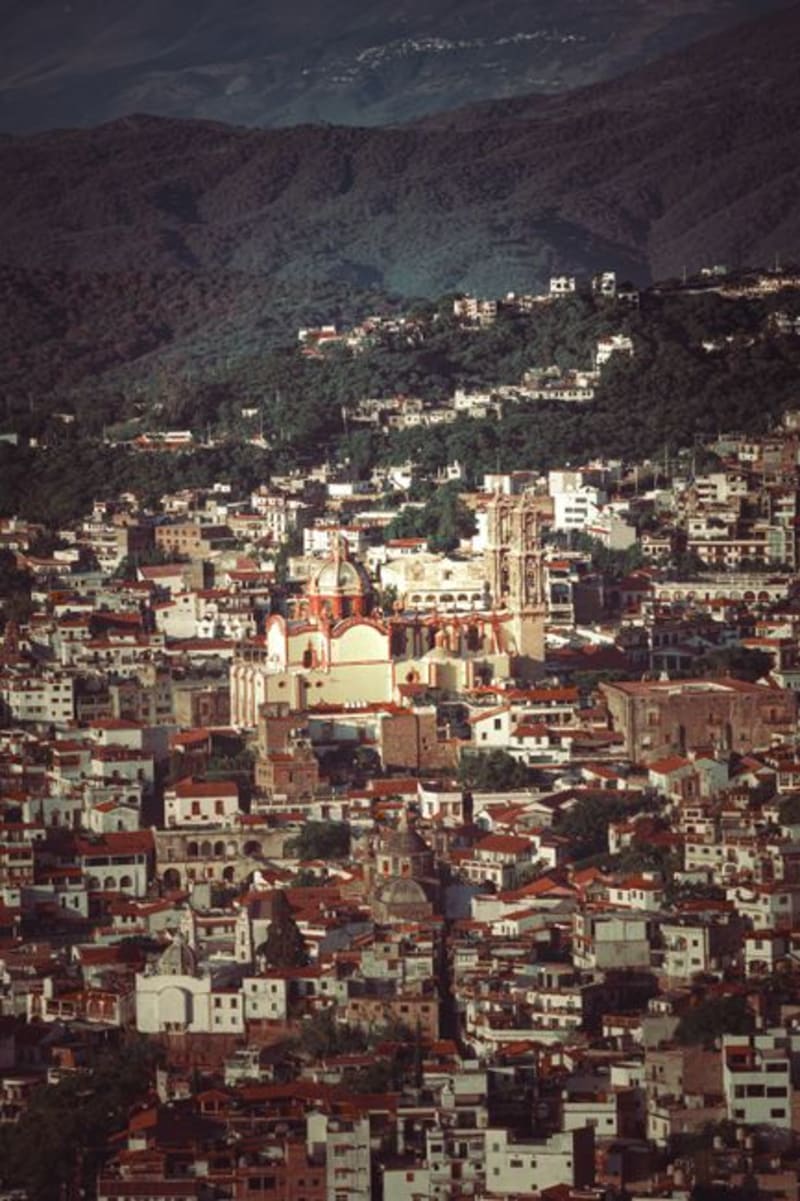 mexico
 Zacualpan
A small Estado de México mining town with genuine 16th-century silver heritage — stamp mills, colonial stone streets, and a parish church — visited by almost nobody, which is exactly its appeal.
Explore