Nevado de Toluca
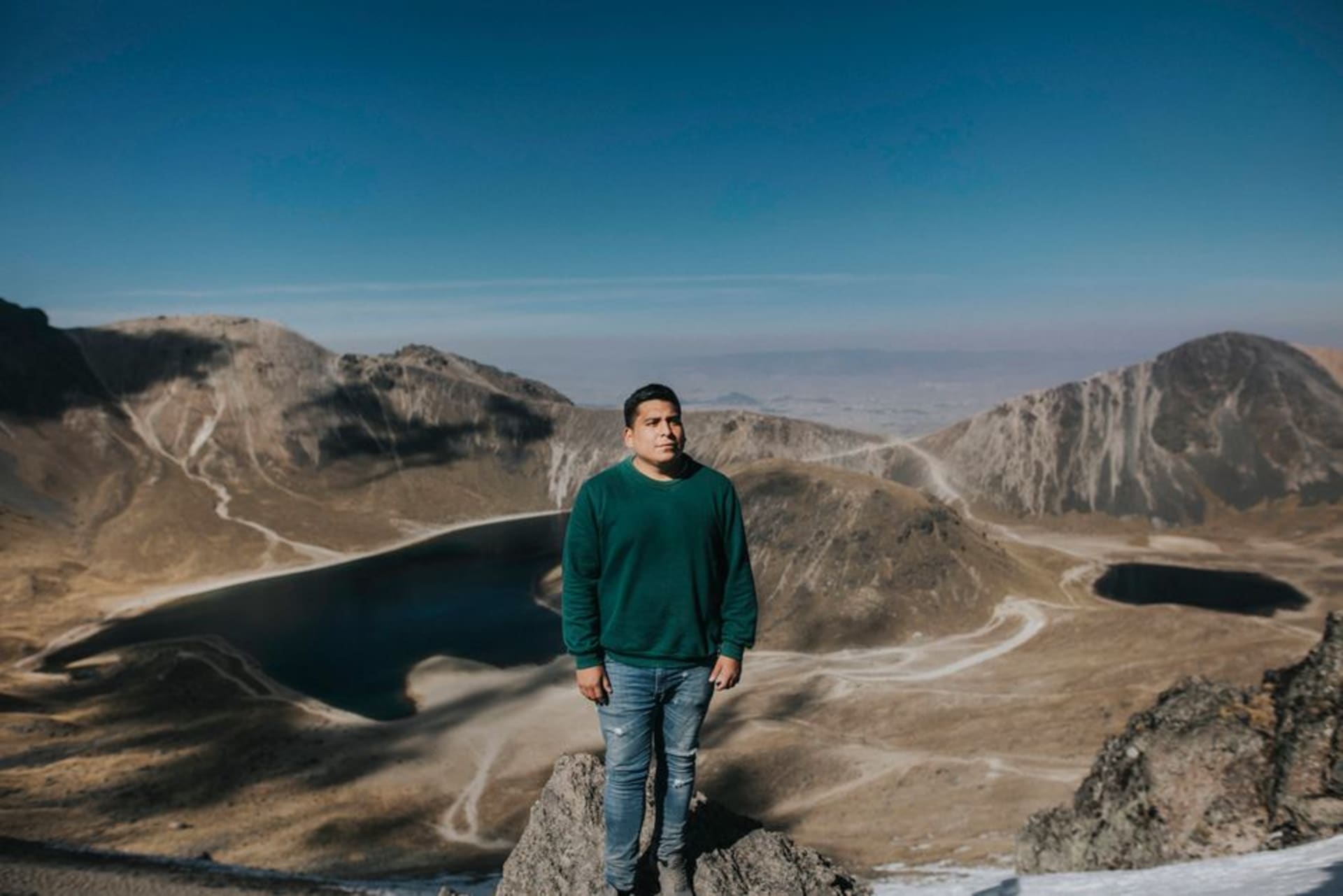
"I made it to the crater rim just as the clouds broke and the two lakes appeared below me, blue against bare volcanic stone. A family from Toluca was already down there, picnicking beside the water like it was the most ordinary Sunday in the world."
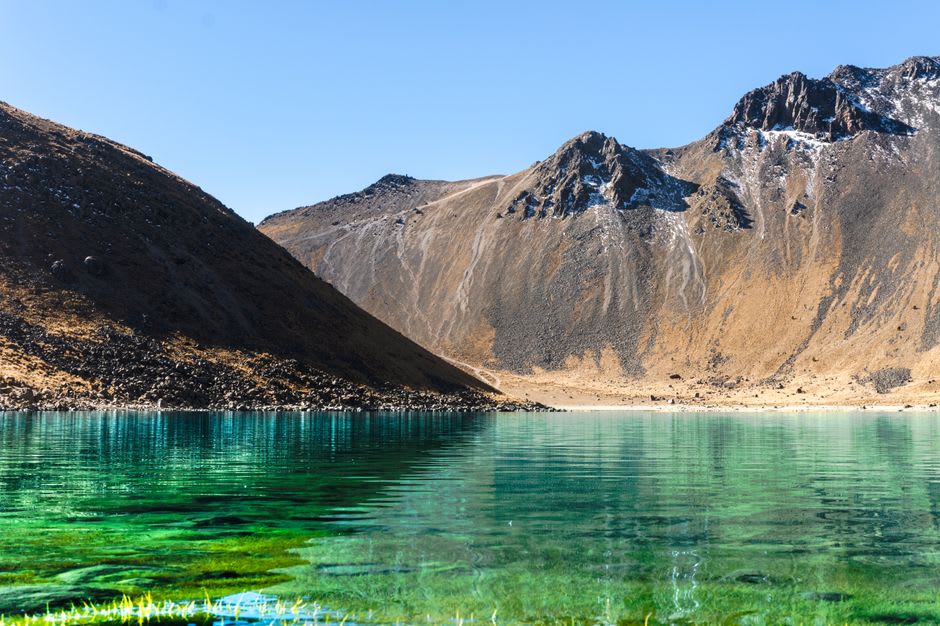
A dormant volcano two hours from Mexico City where the trail drops into the collapsed caldera and finds two cold lakes — Lago del Sol and Lago de la Luna — sitting at 4,580 metres inside bare grey volcanic rock. The air bites. The water is an improbable turquoise-green, and people actually swim.

I drove up from Toluca city before dawn, the pine forest dark on both sides of the road and the temperature dropping in a way my thermometer on the dashboard seemed to take personally. By the time I reached the national park entrance, the sun was just catching the upper slopes and turning the ash-grey rock pale gold. The parking area sits at around 4,200 metres, well above the treeline — you step out of the car and the air is immediately thinner than your lungs expected. Two women at a small stall were selling atole from a thermos. I drank a cup standing in the wind before starting up.
Down to the Crater Floor
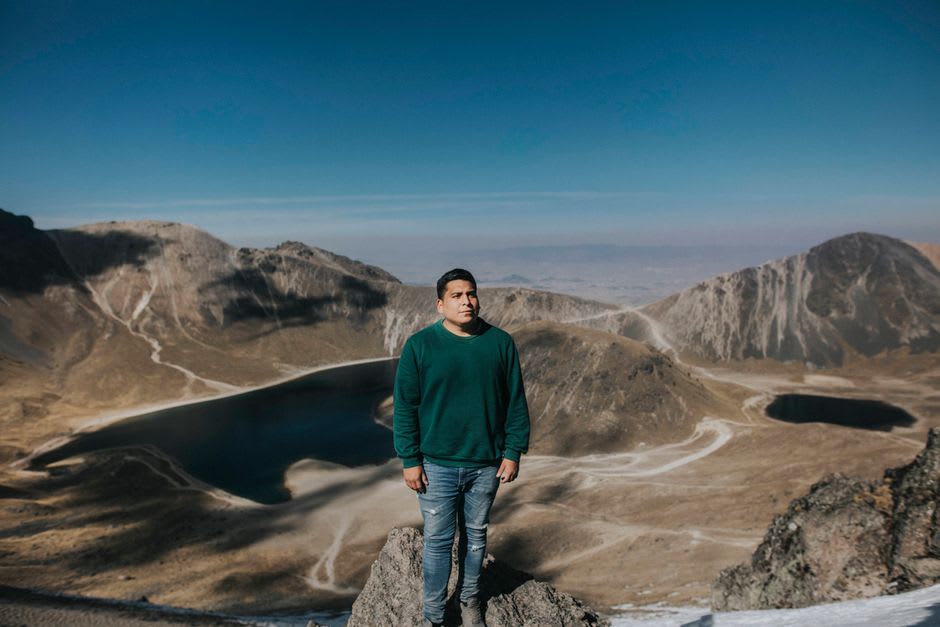
The walk from the parking area to the crater rim takes forty minutes on a good day, longer if the altitude is working against you. The path switchbacks up loose volcanic stone, and each time I stopped to breathe I had a wider view of the Valley of Toluca below — the city spread in its bowl, and on a clear morning, Popocatépetl visible to the east like a rumour. Then the rim opens, and below it sit Lago del Sol and Lago de la Luna, inside the collapsed caldera like two things placed there deliberately. The colour is wrong in the best way — turquoise-green against bare rock, the kind of saturation that makes you question the light. A family from Toluca was already down at the water. Someone had set up a camp chair for the grandmother. Children were running between the boulders. The descent into the crater itself takes another twenty minutes on loose scree. I picked my way down carefully and reached the shore by mid-morning, slightly breathless, with no good reason to leave quickly.
A Torta at 4,500 Metres
Lago de la Luna is the smaller of the two and the quieter one. I sat on a flat boulder beside it and ate the torta I’d picked up from a stall in the parking lot — milanesa on a bolillo, still warm from whoever’s cooler it had come from, with enough jalapeño to be felt at this altitude. The water at the crater floor is close to freezing year-round. That makes what happened next remarkable: a pair of teenage boys from the family I’d passed on the descent stripped down and waded in, one of them shrieking from the cold while his father filmed from the shore with the solemn duty of someone documenting history. I didn’t swim. But I stayed long enough to understand the impulse — there’s something about standing on the floor of a volcano, at nearly 4,600 metres, beside water this cold and this colour, that makes you want to prove it’s real by putting your body in it.
Before You Start the Climb
Warm layers are not optional. Even in late spring the wind off the crater walls cuts through anything light, and the shade inside the caldera is colder than the rim. I wore a down jacket bought in Puerto Escondido for exactly these occasions and was still glad of it. Sunscreen matters just as much — at 4,500 metres the UV is genuinely aggressive and the bare rock reflects it back at you. The stalls in the parking area sell atole, hot quesadillas with huitlacoche or mushrooms, and the milanesa tortas I can personally recommend. It’s not a full meal, but it’s the right amount of warmth before the walk back up. Carry more water than seems necessary; altitude dehydrates quietly.
Getting There
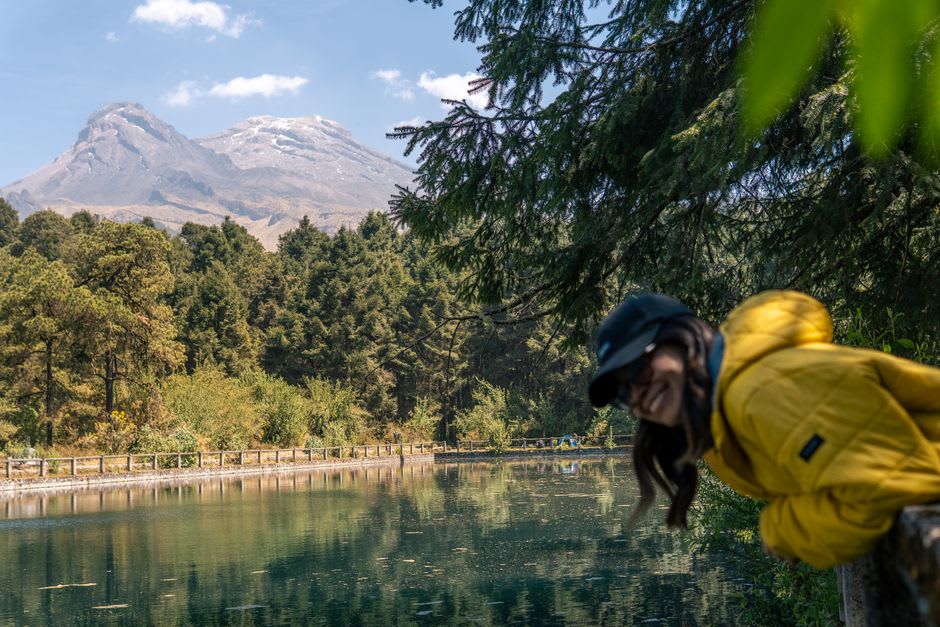
Nevado de Toluca is roughly two hours from Mexico City and thirty minutes from downtown Toluca. From Toluca, combis run toward the national park; the paved road reaches the parking area at 4,200 metres without requiring anything more than a regular car. Aim for the dry season — October through April gives the clearest skies. Afternoon clouds roll in fast and thick, so start early and plan to be off the crater floor before noon.
Keep exploring
More of Estado de México
Keep exploring
More from Estado de México
 mexico
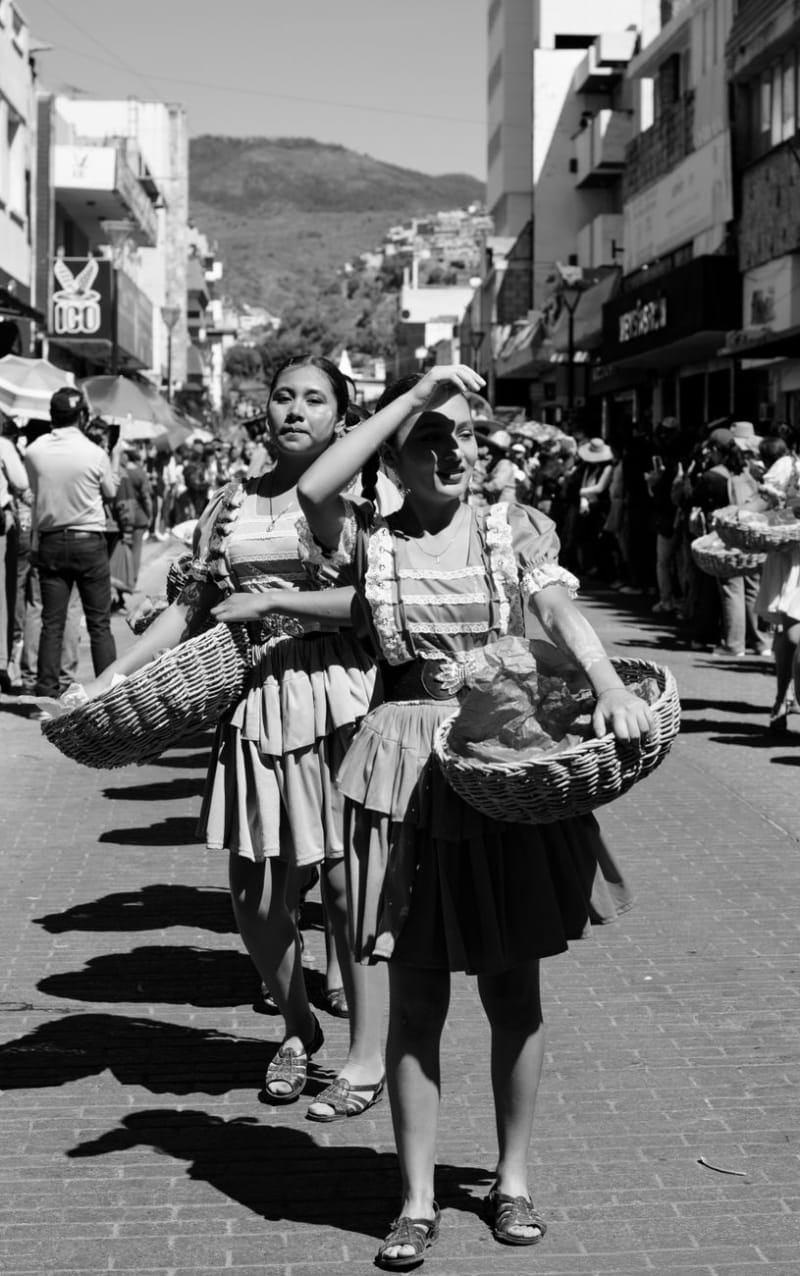
 Teotenango
Teotenango is a pre-Columbian city built by the Matlatzinca on a volcanic hilltop above the Toluca Valley — seven plazas, multiple pyramid platforms, a ballcourt, and views across the plateau to the Nevado de Toluca. It receives a fraction of the visitors of Teotihuacán, 60km northeast, which is a reason to come rather than a reason to doubt it. On a weekday morning at 2,600 meters, with the clean cold air of the plateau and almost no one else there, it was the best two hours I spent in the Estado de México.
Explore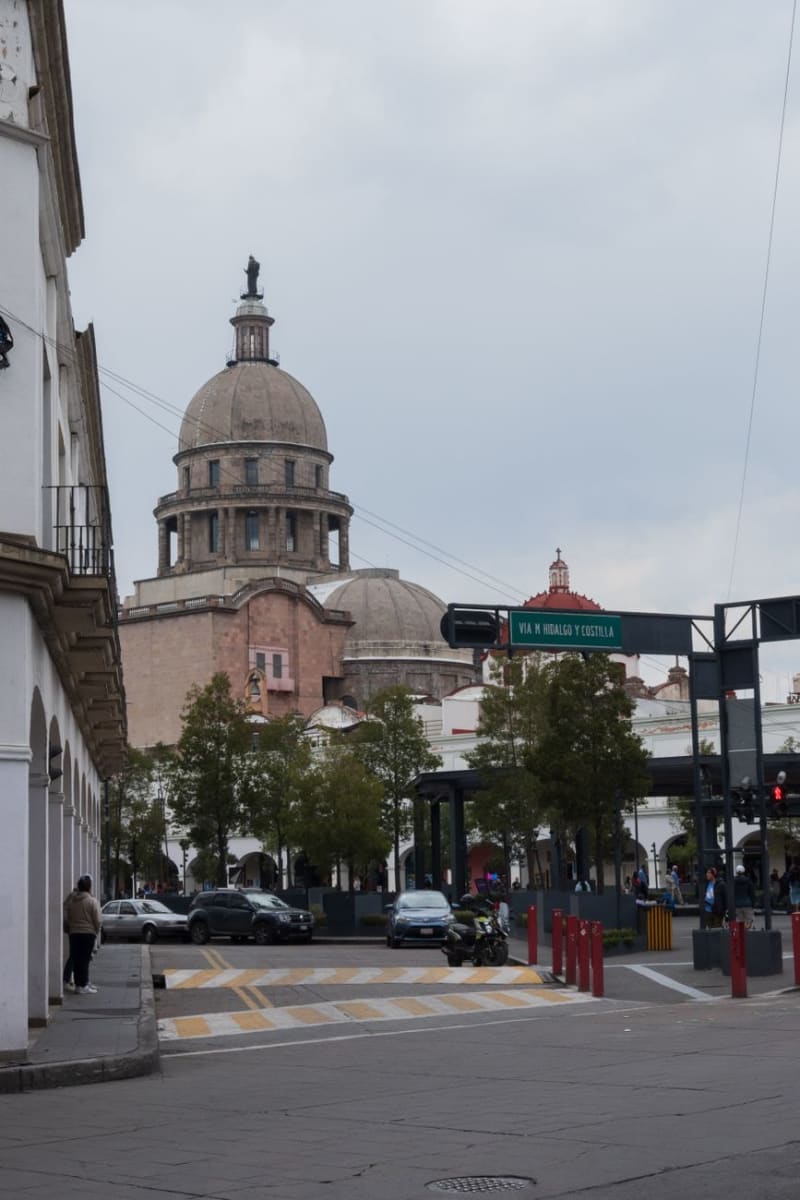 mexico
 Toluca
Toluca is the highest major city in Mexico — 2,680 meters on a plateau under the massive Nevado de Toluca volcano — and the state capital that Mexico City residents drive past without stopping, which is their loss. The Cosmovitral is a 1909 iron-and-glass market hall converted into a botanical garden wrapped in 3,000 square meters of Leopoldo Flores stained-glass panels, and it is one of the most remarkable interior spaces I have encountered in this country. The red chorizo of Toluca tastes nothing like chorizo anywhere else, and I spent an embarrassing portion of a single morning trying to understand why.
Explore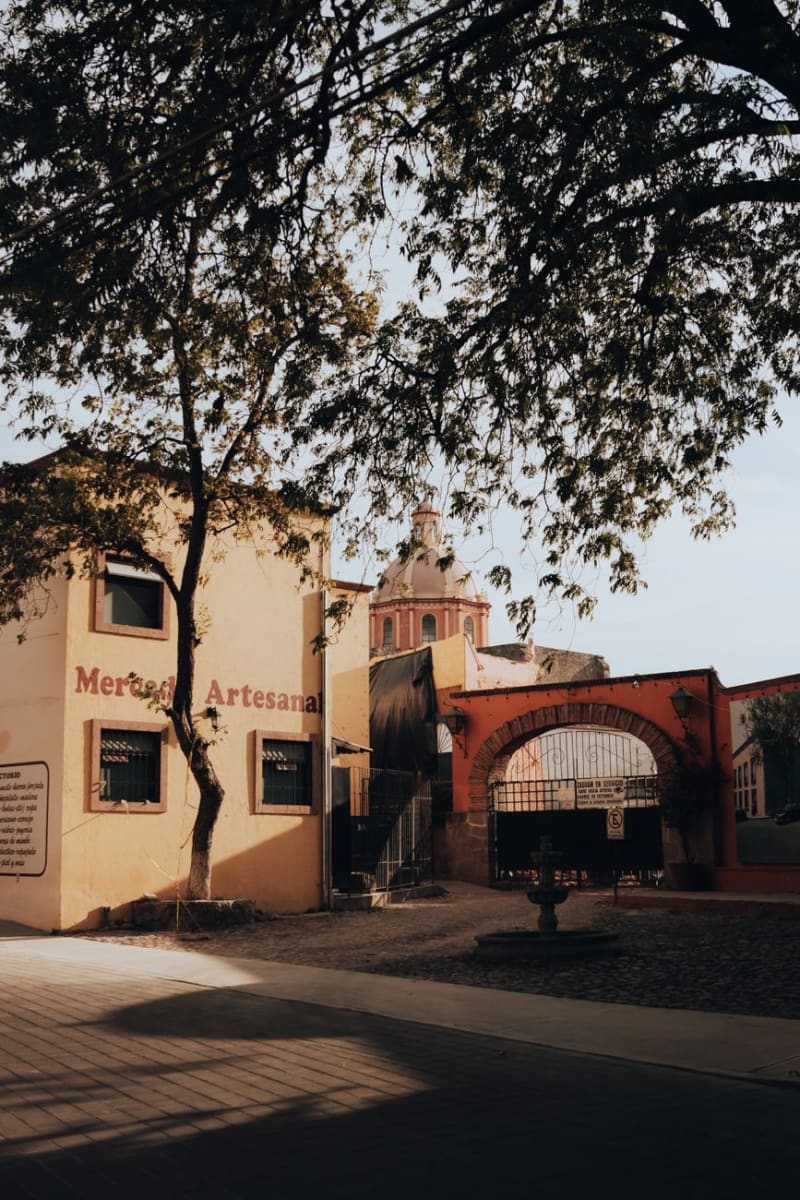 mexico
 Metepec
A craftsmen's town immediately west of Toluca where multi-generational family workshops have been producing Árboles de la Vida — towering terracotta Tree of Life sculptures — since before the colonial period, in a living ceramic tradition that shows no signs of becoming a museum piece.
Explore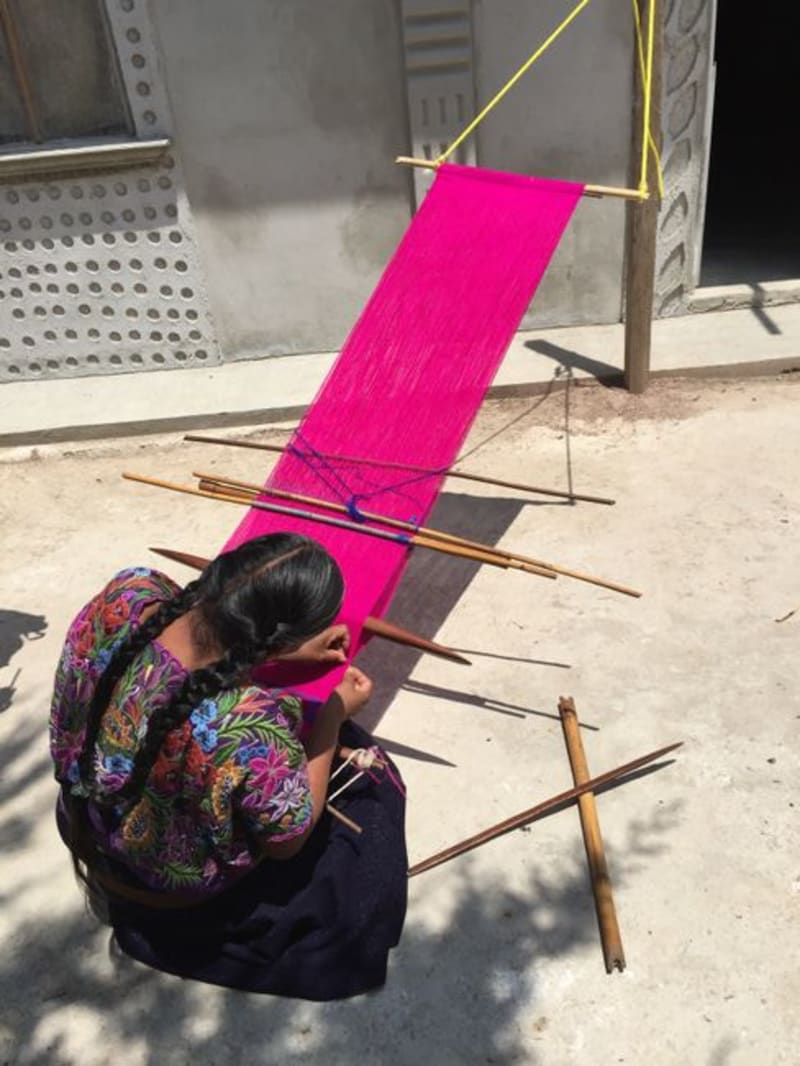 mexico
 Tenancingo
Tenancingo is simultaneously one of Mexico's great rebozo-weaving towns and a cut-flower capital, its hillsides blanketed in greenhouses and its Thursday market a compressed version of both worlds — silk shawls, carnations, carnitas. Most people drive past on the way to Malinalco. They shouldn't.
Explore mexico
 Ixtapan de la Sal
A spa town in the southernmost corner of Estado de México where thermal mineral springs feed public and private pools that Mexican families have been soaking in for generations — unpretentious, warm, and completely unlike the polished wellness industry that has colonized similar springs elsewhere.
Explore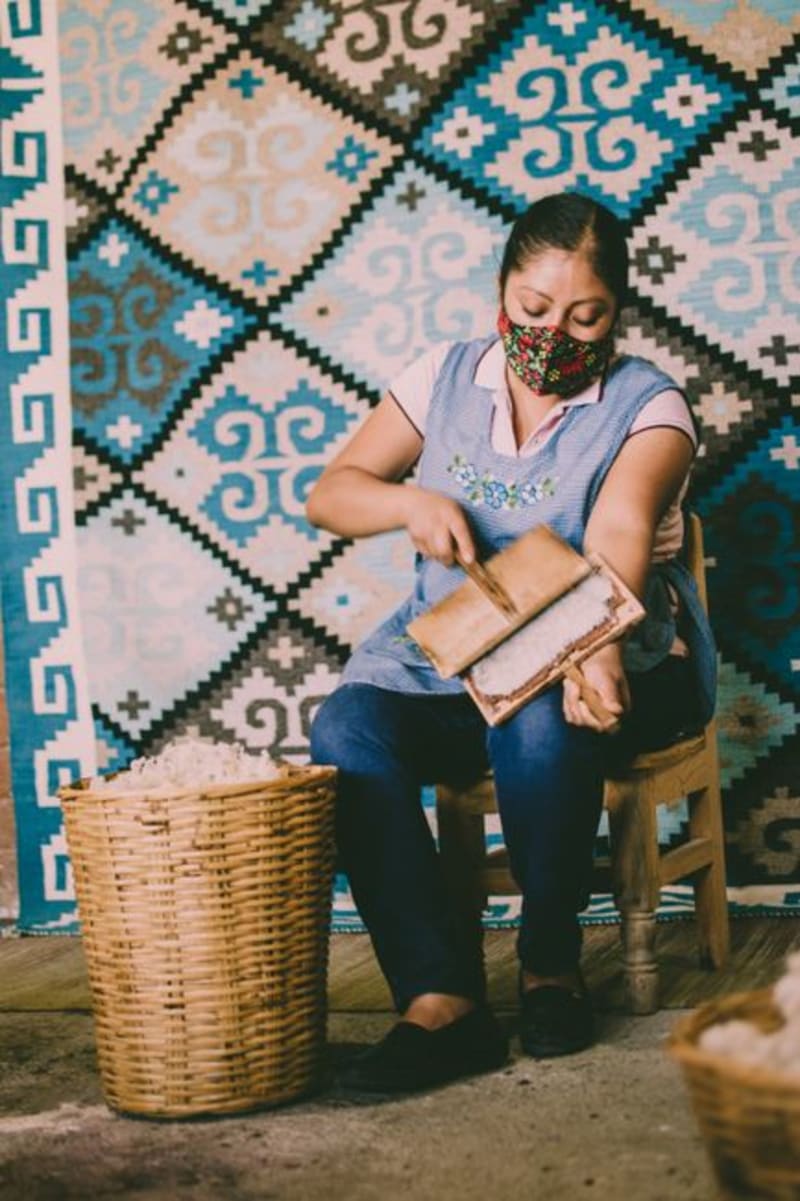 mexico
 Almoloya de Juarez
Almoloya de Juarez is Mazahua country at its most intact — highland meadows at 2,600 meters where the indigenous language still carries across the weekly market and naturally-dyed wool textiles tell a story the Spanish alphabet never quite captured. The sprawl of greater Toluca has not reached here yet, and the unhurried quality of the place feels less like a gap in development than a deliberate refusal.
Explore