Teotenango
"Two other people on the whole site. The Nevado de Toluca to the southwest. The air cold enough to make the views feel earned. Why does no one come here?"
Teotenango is a pre-Columbian city built by the Matlatzinca on a volcanic hilltop above the Toluca Valley — seven plazas, multiple pyramid platforms, a ballcourt, and views across the plateau to the Nevado de Toluca. It receives a fraction of the visitors of Teotihuacán, 60km northeast, which is a reason to come rather than a reason to doubt it. On a weekday morning at 2,600 meters, with the clean cold air of the plateau and almost no one else there, it was the best two hours I spent in the Estado de México.

I drove from Toluca on a Tuesday, which turned out to be the right decision. The road to Tenango del Valle runs south from the city along the base of the hills, through a landscape of cornfields and small towns that have been growing corn at this altitude for a very long time. Tenango del Valle is the modern town that sits at the base of the volcanic hill on which Teotenango was built; the ruins are above it, and you approach them on a road that climbs up the flank of the hill past agave and cactus and the occasional stand of pine.
At the entrance, I paid a small fee, received a folded map, and was waved through by a guard who was reading something on his phone. There were two other people on the site when I arrived. One left within the first fifteen minutes. For most of the morning, I had Teotenango to myself.
The Matlatzinca City
The Matlatzinca built Teotenango between roughly 900 and 1200 CE as a hilltop fortress-city — the position was strategic, the site was defensible, and the hilltop location would have made it visible for considerable distances across the Toluca Valley. The Aztecs occupied it briefly in the late Postclassic period before the Spanish conquest ended the whole calculus of hilltop fortifications, but the city the Aztecs found was Matlatzinca, and the scale of it reflects a civilization that does not show up in the popular narrative of pre-Columbian Mexico the way it deserves to.
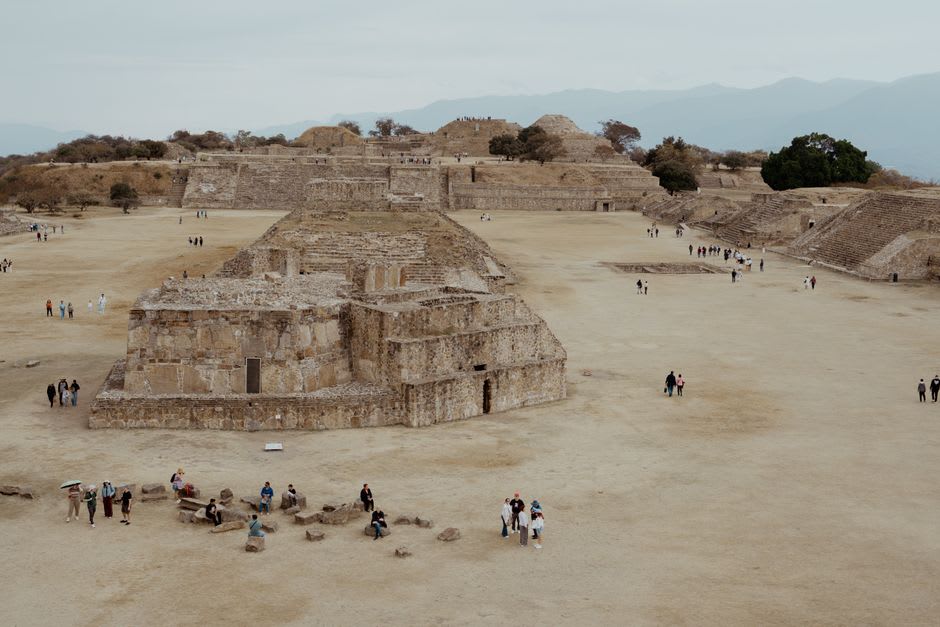
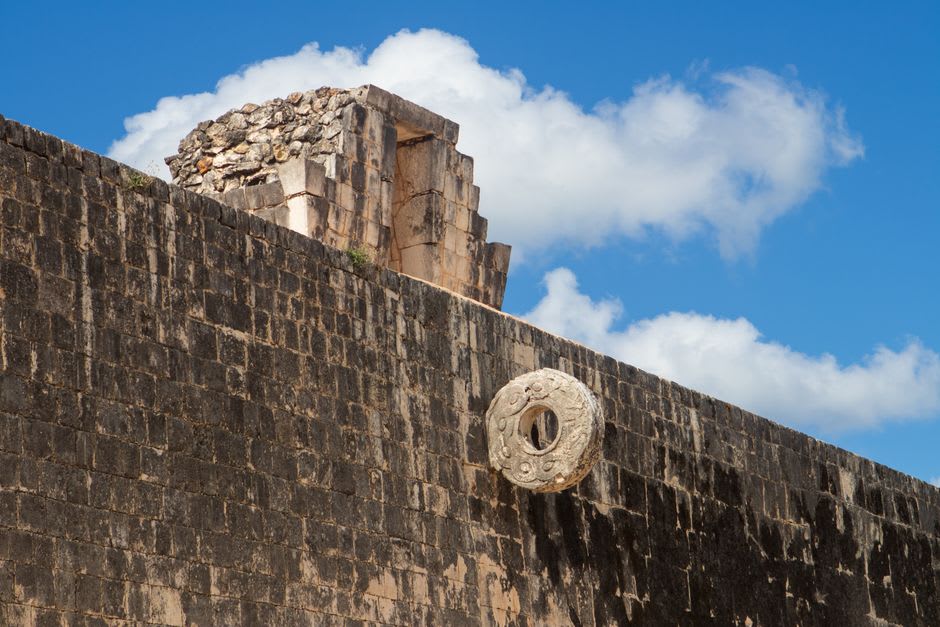
Seven plazas connected by stone pathways, platforms rising in stages, a ballcourt whose stone rings are still in place. The architecture is not the dramatic verticality of Teotihuacán — the pyramids at Teotenango are lower, wider, more integrated into the hill itself — but the sense of scale comes from the landscape. You walk from one plaza to the next and realize how much of the hilltop was organized, terraced, given function. The whole hill is the site. The people who lived here had shaped the landform.
The Views and the Volcano
The best thing about Teotenango’s position is the view to the southwest. On a clear day — and Tuesday in the dry season is about as clear as it gets — the Nevado de Toluca is fully visible, the snow on its crater rim catching light at an angle that makes it look closer than its 4,680 meters would suggest. The Matlatzinca would have seen this view every day for centuries, and it would have been sacred to them in ways that I can only partly reconstruct from the on-site museum.
The museum at the base of the site is genuinely good — one of the better small archaeological museums I’ve been to in central Mexico. The Matlatzinca material is presented clearly: ceramic objects, stone tools, figurines, a scale model of the site that helps you orient yourself before you climb. There is a section on the Aztec occupation and how the Matlatzinca culture was absorbed and partly erased by it, which is a story that gets less attention than it should.
I spent forty minutes in the museum before climbing the hill and another ninety minutes on the site itself. The cold at 2,600 meters is real even in the dry season; I had a jacket but could have used a warmer one. The air has the quality of high-altitude plateau air — thin and very clear and slightly electric-feeling, the kind of air that makes distances seem compressed and colors sharper than usual.
Getting There
Teotenango is about 25km south of Toluca city, reached via the road to Tenango del Valle. By car it is a direct 30-minute drive. By bus from Toluca’s main bus terminal, there are regular services to Tenango del Valle from which the site is a short taxi or uphill walk. The site is closed Mondays; go on a weekday for solitude. Arrive in the morning for the best light on the pyramid platforms and the clearest views of the volcano.
Keep exploring
More of Estado de México
Keep exploring
More from Estado de México
 mexico
 Metepec
A craftsmen's town immediately west of Toluca where multi-generational family workshops have been producing Árboles de la Vida — towering terracotta Tree of Life sculptures — since before the colonial period, in a living ceramic tradition that shows no signs of becoming a museum piece.
Explore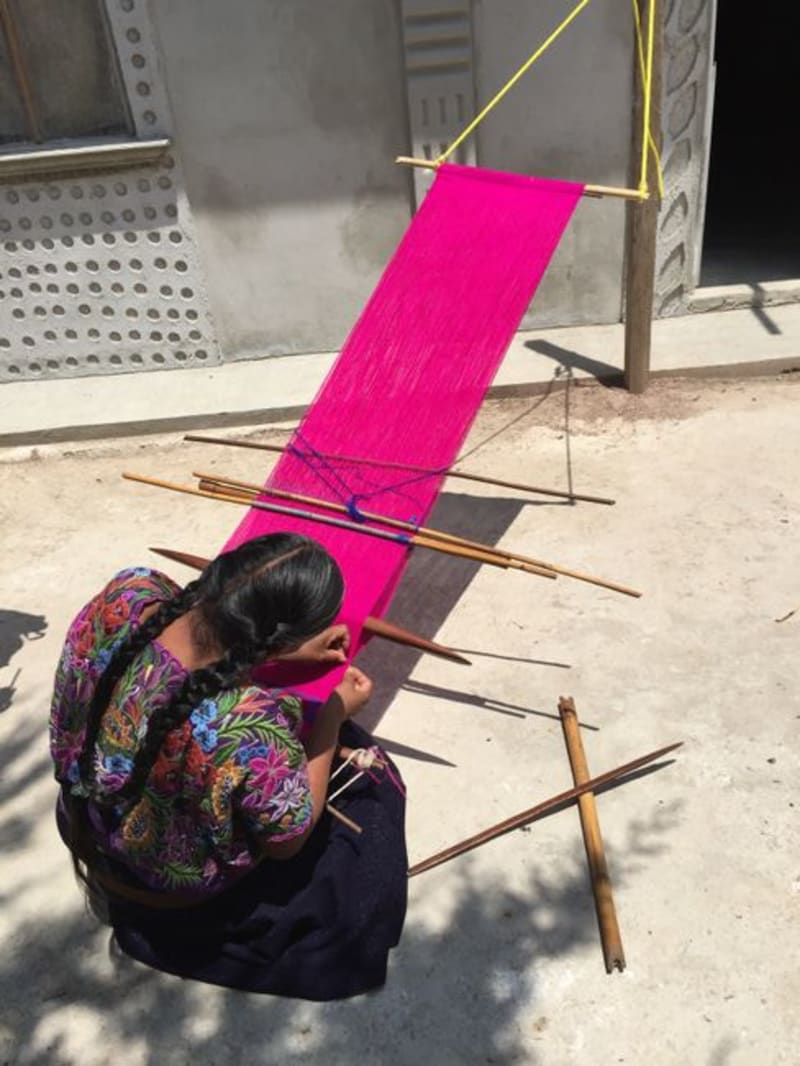 mexico
 Tenancingo
Tenancingo is simultaneously one of Mexico's great rebozo-weaving towns and a cut-flower capital, its hillsides blanketed in greenhouses and its Thursday market a compressed version of both worlds — silk shawls, carnations, carnitas. Most people drive past on the way to Malinalco. They shouldn't.
Explore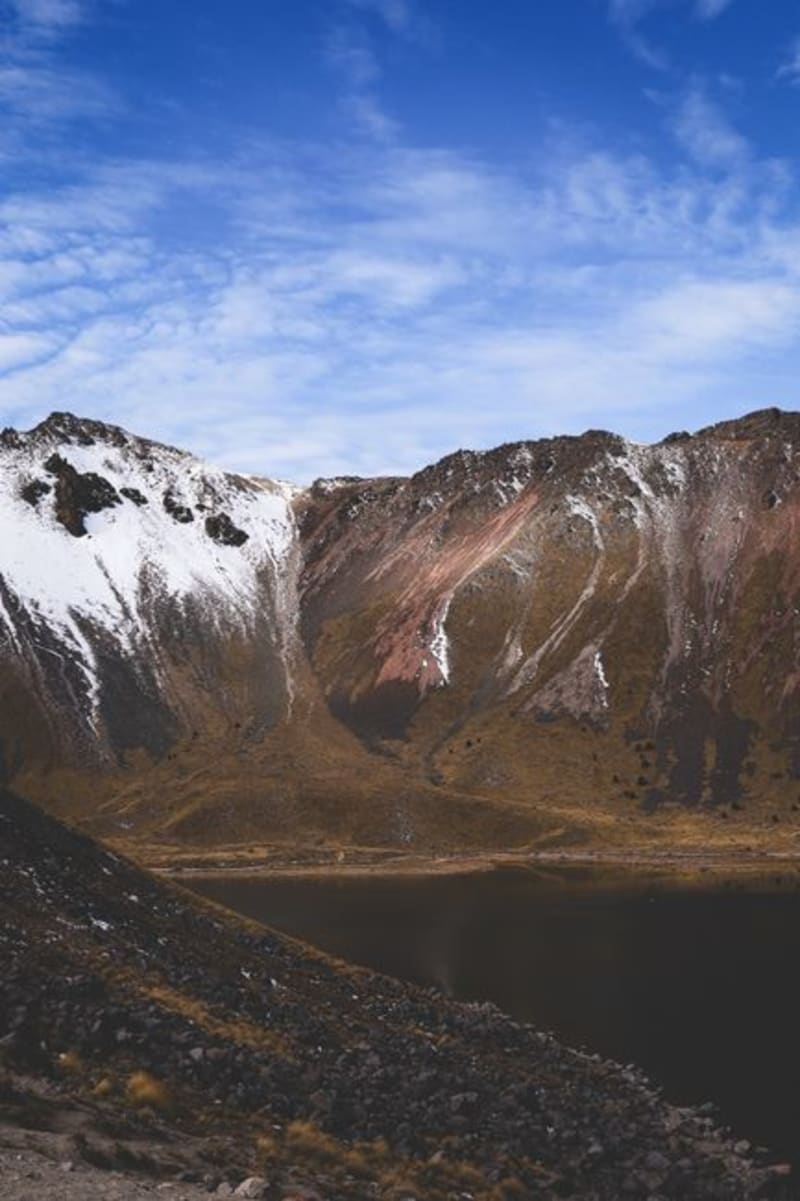 mexico
 Nevado de Toluca
A dormant volcano two hours from Mexico City where the trail drops into the collapsed caldera and finds two cold lakes — Lago del Sol and Lago de la Luna — sitting at 4,580 metres inside bare grey volcanic rock. The air bites. The water is an improbable turquoise-green, and people actually swim.
Explore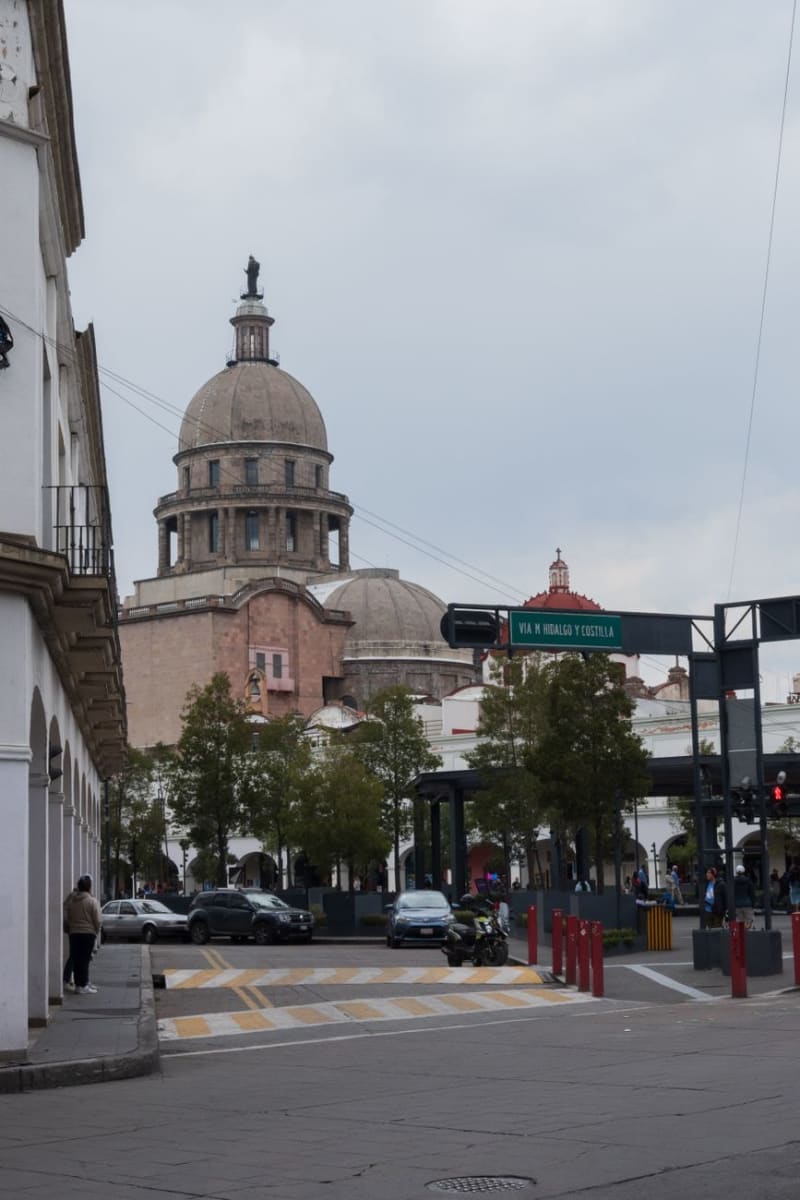 mexico
 Toluca
Toluca is the highest major city in Mexico — 2,680 meters on a plateau under the massive Nevado de Toluca volcano — and the state capital that Mexico City residents drive past without stopping, which is their loss. The Cosmovitral is a 1909 iron-and-glass market hall converted into a botanical garden wrapped in 3,000 square meters of Leopoldo Flores stained-glass panels, and it is one of the most remarkable interior spaces I have encountered in this country. The red chorizo of Toluca tastes nothing like chorizo anywhere else, and I spent an embarrassing portion of a single morning trying to understand why.
Explore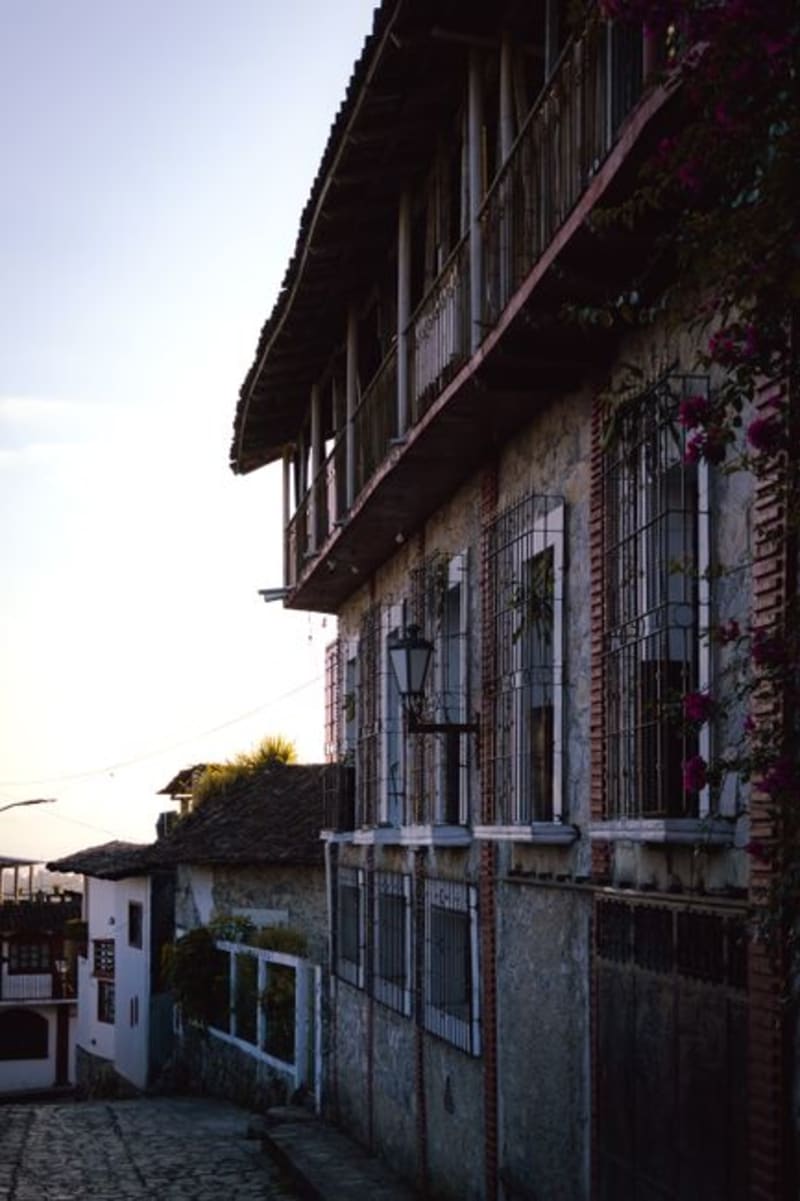 mexico
 Malinalco
A small canyon town south of Toluca where the Mexica carved an entire temple sanctuary directly into the living rock of the hillside. Below it, a colonial convent anchors a compact centro filled with bougainvillea and good weekend food stalls.
Explore mexico
 Ixtapan de la Sal
A spa town in the southernmost corner of Estado de México where thermal mineral springs feed public and private pools that Mexican families have been soaking in for generations — unpretentious, warm, and completely unlike the polished wellness industry that has colonized similar springs elsewhere.
Explore