Ixtapan de la Sal
"The water smells faintly of sulfur and tastes of iron. After an hour in it you feel like you have been reassembled."
A spa town in the southernmost corner of Estado de México where thermal mineral springs feed public and private pools that Mexican families have been soaking in for generations — unpretentious, warm, and completely unlike the polished wellness industry that has colonized similar springs elsewhere.

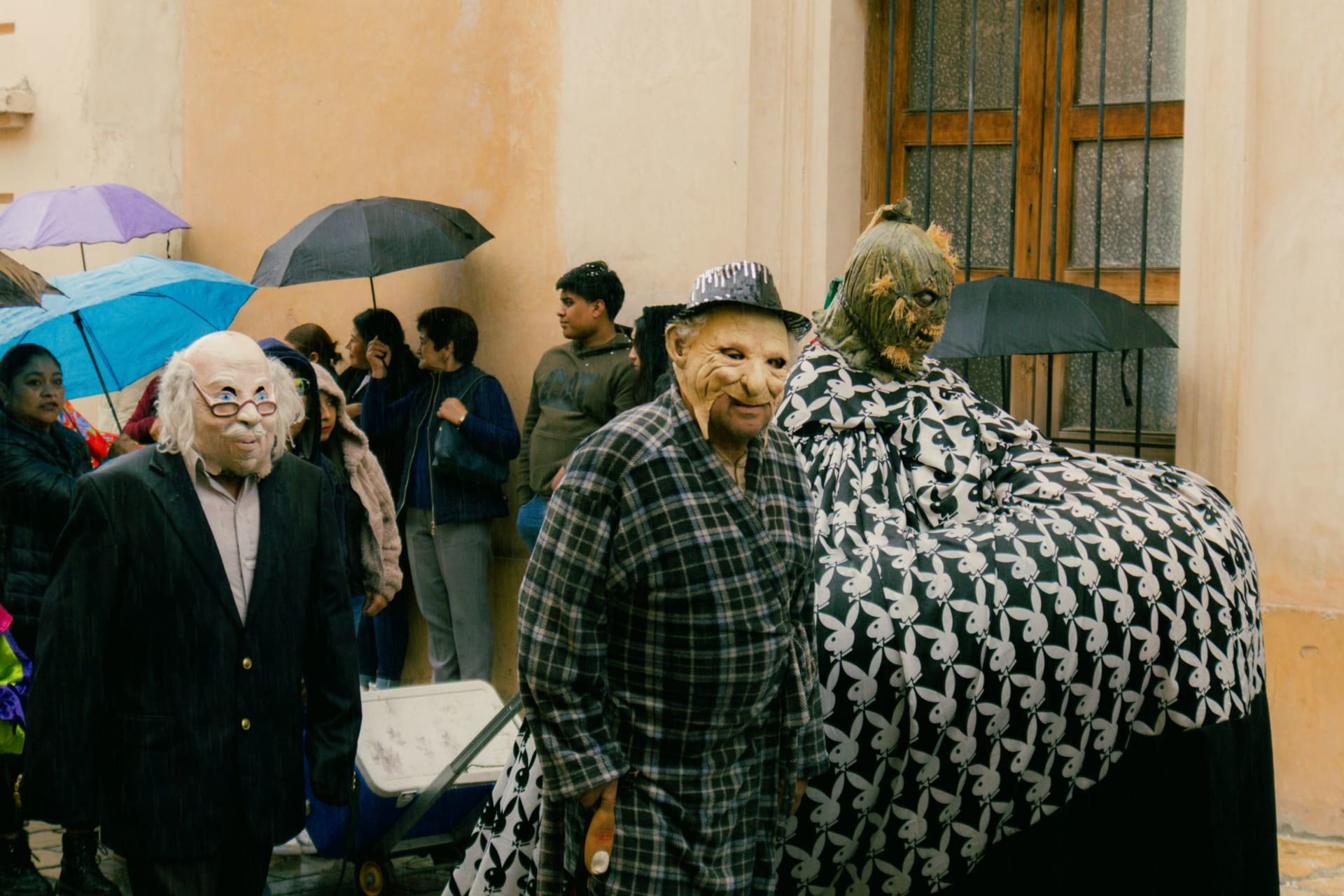
I came down from Toluca on a second-class bus that stopped in every town between the highway and the valley, arriving in Ixtapan de la Sal around eleven in the morning when the light was already flat and warm. The main street, Juárez, was full of families dragging mesh bags packed with towels and flip-flops. Nobody looked like they were here to find themselves. They were here to soak, which struck me immediately as a better reason to visit a thermal spring than anything I had heard in a wellness podcast.
The Springs
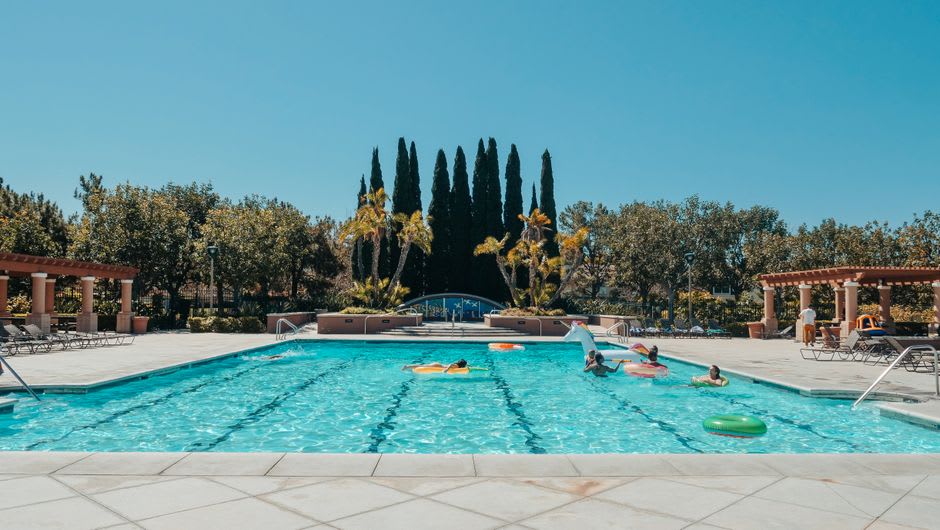
The Balneario Municipal is where you go if you want to understand what Ixtapan actually is — not a resort, not a retreat, but a public thermal bathing ground that has been operating in more or less the same form since the early twentieth century. There are several pools of varying temperatures, the hottest sitting just at the edge of comfortable, the kind that requires slow entry and a few minutes of negotiation with your own nervous system. The water is greenish-gray, mineral-heavy, and does exactly what thermal water is supposed to do: it loosens things. I stayed in the medium-temperature pool for the better part of ninety minutes, watching a grandmother teach her grandson to float, and left feeling like my joints had been oiled. There is also the Parque Acuático Ixtapan, the larger commercial complex across town, which has slides and wave pools and the festive noise of a hundred children — worth it if you want the full spectacle, but I preferred the quieter municipal option.
The Town Itself
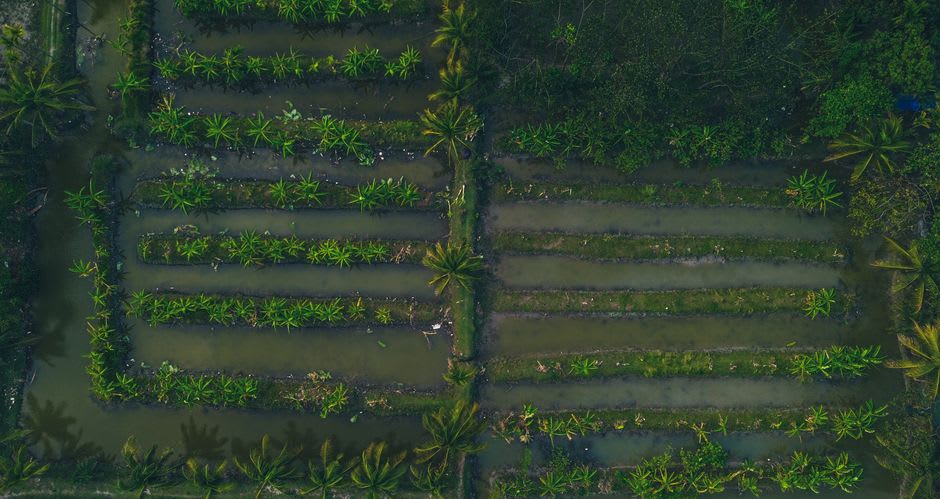
Past the balnearios, Ixtapan de la Sal is a small, well-kept town that takes its mineral identity seriously without making a fuss about it. The Mercado Municipal on Avenida Benito Juárez runs in the mornings, and by seven the tlayuda stalls and carnitas counters are already busy. I ate a bowl of caldo de res at a counter near the market entrance, the broth deep and unctuous in the way that only long-simmered bone broths manage. The central plaza, planted with laurel trees trimmed into flat-topped canopies, has the slightly formal air common to small Estado de México towns — benches, pigeons, a kiosk, vendors selling gorditas and cups of tejocote candy in the afternoons. It is not a town trying to be charming. It just is.
When to Go
Ixtapan is genuinely more pleasant on weekdays. Weekends bring families from Toluca and Mexico City, which gives the pools a different energy — louder, festive, not unpleasant, but different from the midweek lull when you can actually hear the water. The dry season between November and April keeps the skies clear and the evenings cool enough that stepping out of a hot pool into the air carries a small, satisfying shock. Bring sandals with grip. The pool decks are slick.
Getting There
From Mexico City’s Terminal Poniente (Observatorio), Flecha Roja runs direct buses to Ixtapan de la Sal roughly every hour; the ride takes about two and a half hours and costs around 120 pesos. From Toluca there are more frequent connections, including colectivos from the Central de Autobuses that take around ninety minutes depending on the route. The town is small enough to walk entirely once you arrive.
Keep exploring
More of Estado de México
Keep exploring
More from Estado de México
 mexico
 Tonatico
A small thermal-water town on the Estado de México-Guerrero border where mineral pools carved into a hillside draw weekend refugees from the capital and carnitas stands do steady, serious business. Chilangos have known about Tonatico for decades. Almost no one else has caught on.
Explore mexico
 Zacualpan
A small Estado de México mining town with genuine 16th-century silver heritage — stamp mills, colonial stone streets, and a parish church — visited by almost nobody, which is exactly its appeal.
Explore mexico
 Tenancingo
Tenancingo is simultaneously one of Mexico's great rebozo-weaving towns and a cut-flower capital, its hillsides blanketed in greenhouses and its Thursday market a compressed version of both worlds — silk shawls, carnations, carnitas. Most people drive past on the way to Malinalco. They shouldn't.
Explore mexico
 Malinalco
A small canyon town south of Toluca where the Mexica carved an entire temple sanctuary directly into the living rock of the hillside. Below it, a colonial convent anchors a compact centro filled with bougainvillea and good weekend food stalls.
Explore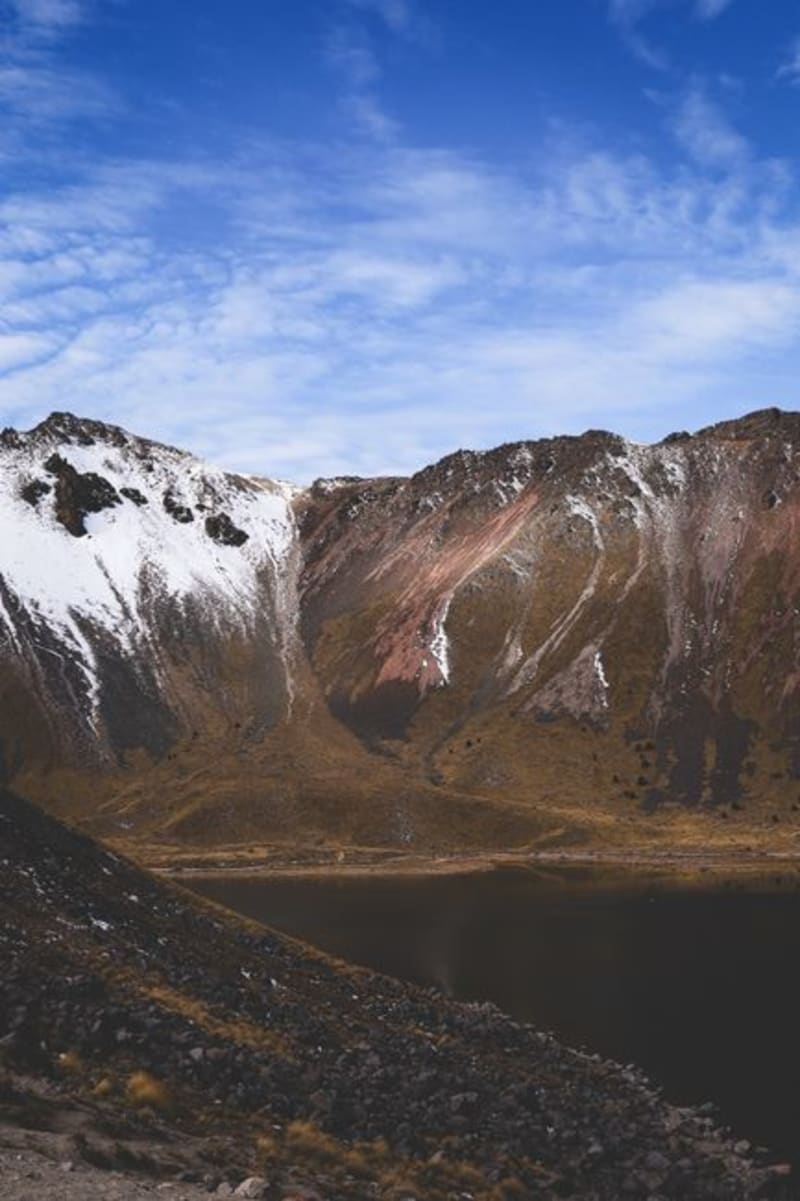 mexico
 Nevado de Toluca
A dormant volcano two hours from Mexico City where the trail drops into the collapsed caldera and finds two cold lakes — Lago del Sol and Lago de la Luna — sitting at 4,580 metres inside bare grey volcanic rock. The air bites. The water is an improbable turquoise-green, and people actually swim.
Explore mexico
 Teotenango
Teotenango is a pre-Columbian city built by the Matlatzinca on a volcanic hilltop above the Toluca Valley — seven plazas, multiple pyramid platforms, a ballcourt, and views across the plateau to the Nevado de Toluca. It receives a fraction of the visitors of Teotihuacán, 60km northeast, which is a reason to come rather than a reason to doubt it. On a weekday morning at 2,600 meters, with the clean cold air of the plateau and almost no one else there, it was the best two hours I spent in the Estado de México.
Explore