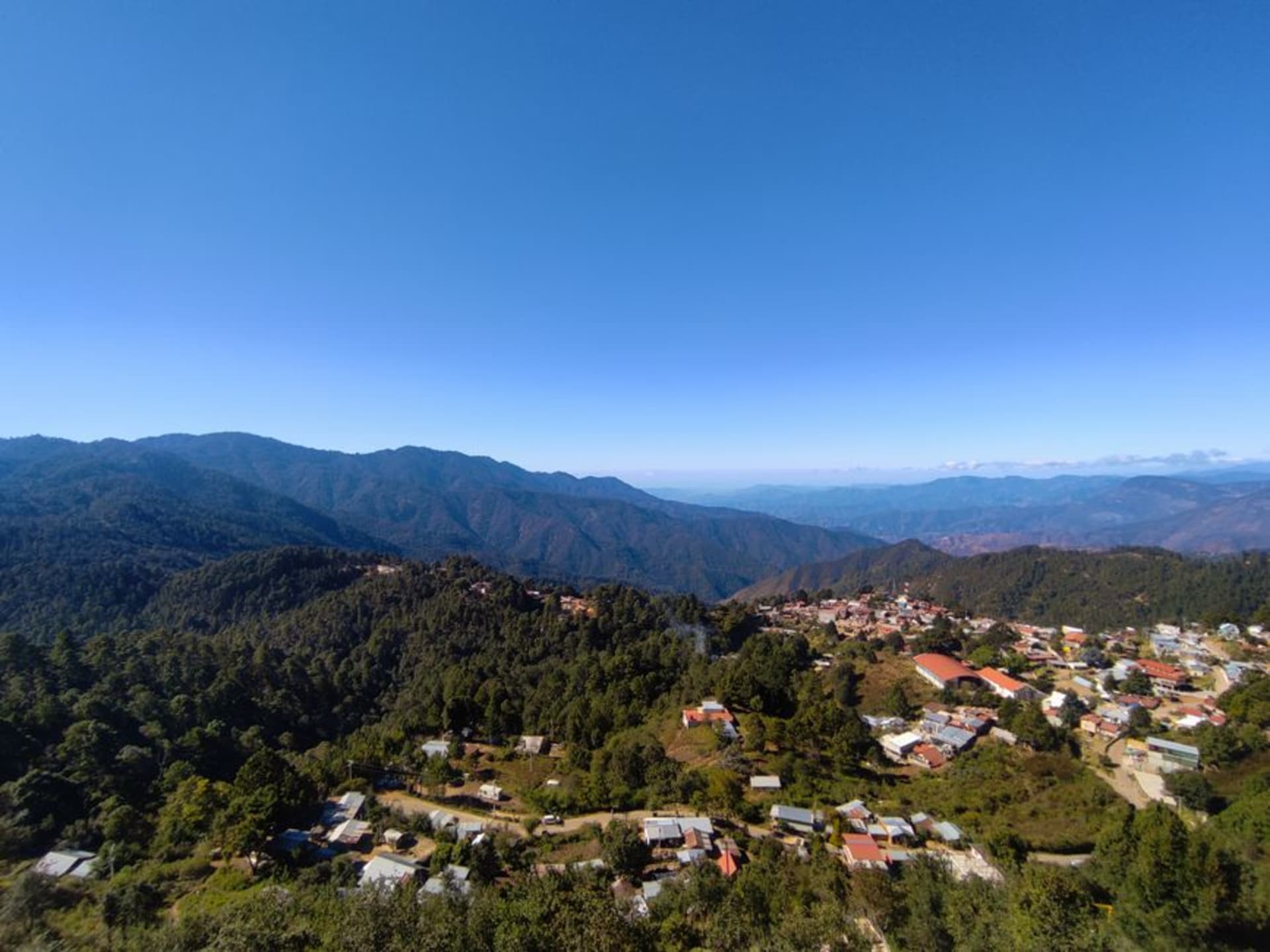
Villa del Carbón
"The church tower rises above a forest. I had forgotten forests existed until I arrived."
An hour north of Mexico City in the pine-forested mountains of Estado de México, Villa del Carbón operates at a pace that feels almost remedial after the capital. The Pueblo Mágico draws weekenders for its renowned cheese and chorizo market, its sixteenth-century Augustinian monastery, and the straightforward luxury of breathing cold air in forests that smell of pine resin and wet earth.

I came up from Mexico City on a foggy Tuesday in November, on a second-class bus that stopped at every bend in the road between Cuautitlán Izcalli and the mountains. The elevation gain was gradual but the temperature was not — by the time the driver announced Villa del Carbón, I had retrieved the jacket I had spent an hour sitting on. The plaza was quiet. Somewhere behind a row of market stalls, a woman was slicing queso with a wire. The pine trees above the monastery roofline dripped. I had no particular plan, which turned out to be the correct approach.
The Market and Its Cheese
The market at Villa del Carbón is the kind where you stop moving and let the stalls find you. It spreads through the streets around the Jardín Principal, fuller on weekends but present enough on a weekday to require a decision: cheese first, or chorizo. The answer, I discovered, is cheese first, because the vendors offer samples without prompting, and once you have tasted the queso de Villa del Carbón — soft, fresh, slightly salty, pressed into small wheels that leave moisture on your hands — you will buy a kilo before you have finished your first loop. The chorizo is red and heavily spiced, sold raw in long coils or grilled in sandwiches at the edge of the market by women who manage small charcoal braziers with the efficiency of people who have done this ten thousand times. I ate two sandwiches standing up. A third would have been correct but I was trying to pace myself.

The Monastery and the Cold
The Convento Agustino del Señor del Huerto sits at the edge of the plaza with the authority of a building that was never designed to be modest. Construction began in the sixteenth century, and the church has accumulated enough local devotion over those centuries to make the interior feel weightier than its facade suggests. On a Tuesday afternoon I was nearly alone inside, which gave me time to stand in the nave longer than is socially required and notice the way light fell from the upper windows across the retablo. Outside, the attached atrium is the kind of courtyard that exists specifically to slow you down: old stone walls, heavy trees, the sound of the town reduced to a low murmur. The cold helps with all of this. At roughly 2,800 meters, the air demands more clothing than you bring, even in the dry season, and the thick walls of the monastery hold a chill that makes you pull your collar up and look at things more carefully than you otherwise would.

The Forests
The forests around Villa del Carbón are the thing people mention last and regret most not having time for. A network of dirt roads and trails runs into the pine and oak uplands beyond the town, accessible on foot or — as most weekenders prefer — on horseback. Several outfitters near the market rent horses by the hour with a guide included. I walked instead, which is slower and wetter in November, but the smell of pine after rain is not something I encountered much growing up in the agricultural south of France, and I find myself looking for it whenever I’m in the mountains. Follow Calle Morelos north until the pavement ends, then continue uphill. After twenty minutes the town disappears and the silence settles in the way it only does when trees are doing most of the work.

Getting There
Buses to Villa del Carbón leave from the Terminal Poniente (Observatorio) in Mexico City, running in the direction of Jilotepec. The journey takes about ninety minutes depending on traffic leaving the capital. From Toluca, combis depart regularly from the Central de Autobuses del Norte. There is no direct service from Oaxaca — I connected through CDMX and recommend the same logic. The return buses stop running mid-evening, so plan accordingly.
Keep exploring
More of Estado de México
Keep exploring
More from Estado de México
 mexico
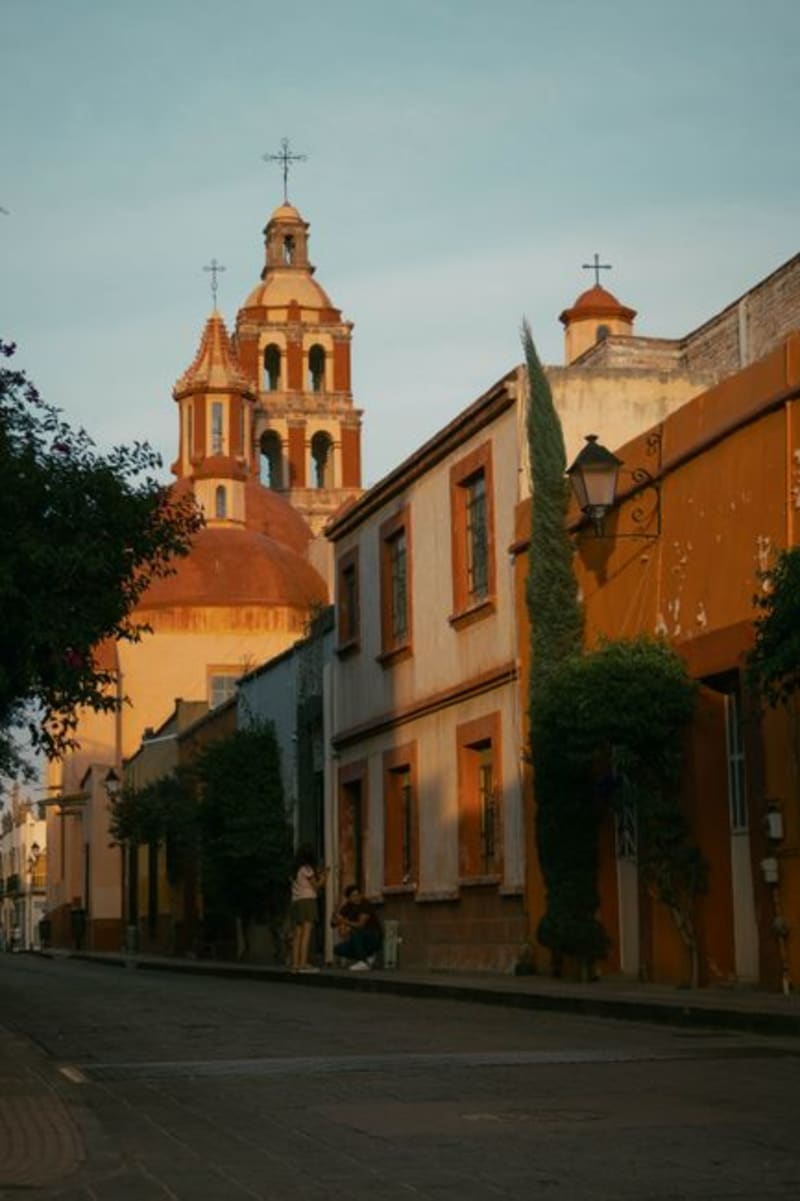
 Chapa de Mota
A forested highland town north of Toluca where the air turns cool and damp and smells of pine resin. Otomí country of springs and waterfalls and mist that sits in the treetops past noon. A green escape almost nobody makes, an hour from the city and a world away from it.
Explore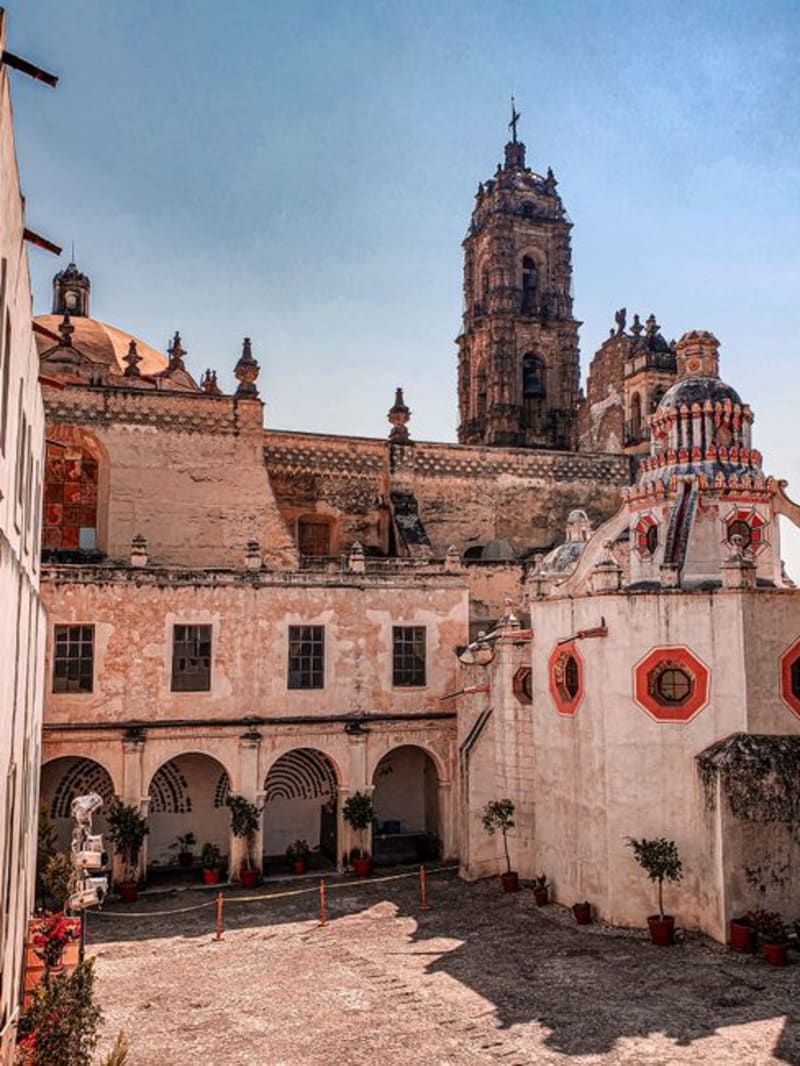 mexico
 Tepotzotlán
Forty minutes north of Mexico City, Tepotzotlán holds the most extravagant churrigueresque church facade in the country and a world-class museum of colonial art that most visitors to Mexico never find. The town takes half a day and rewards every minute of the detour.
Explore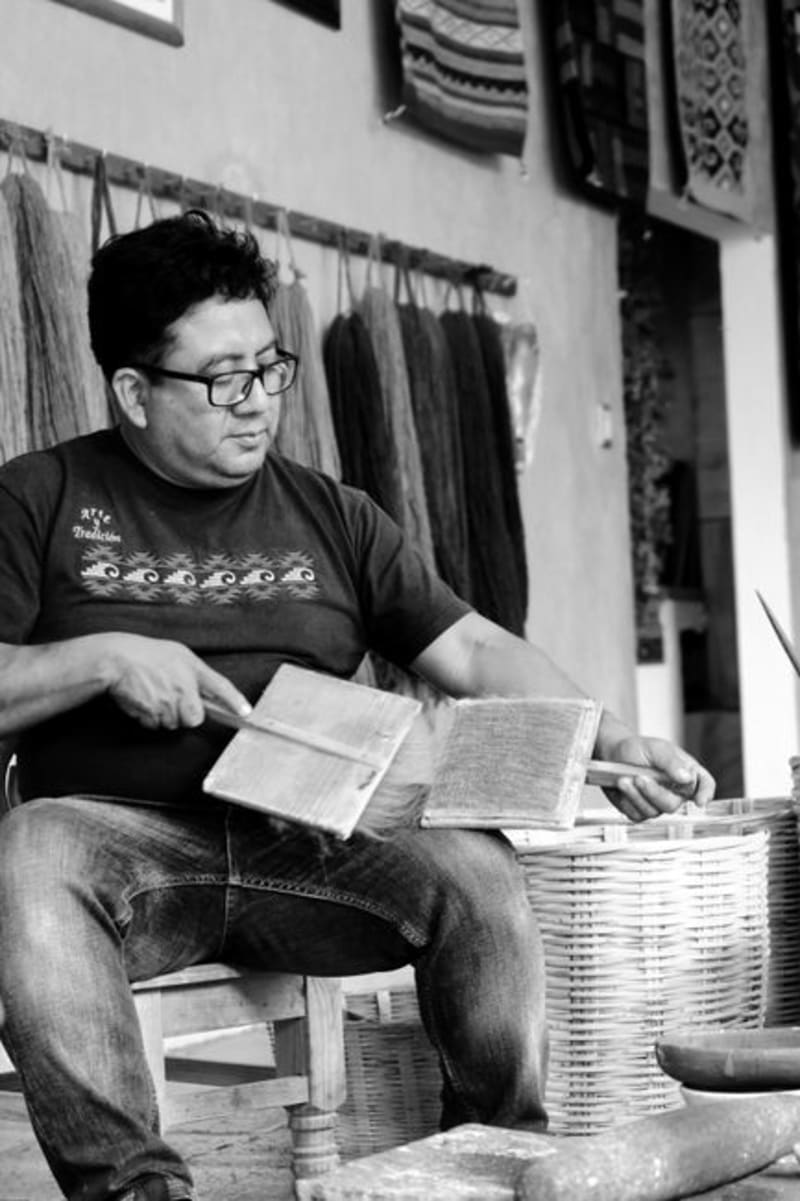 mexico
 Temoaya
A Mazahua and Otomi weaving town in the pine-covered hills north of Toluca, home to the surrealist Centro Ceremonial Otomi and some of the richest wool tapestry traditions in central Mexico. The women here still work backstrap and floor looms, producing textiles that carry centuries of symbolic language in every knot.
Explore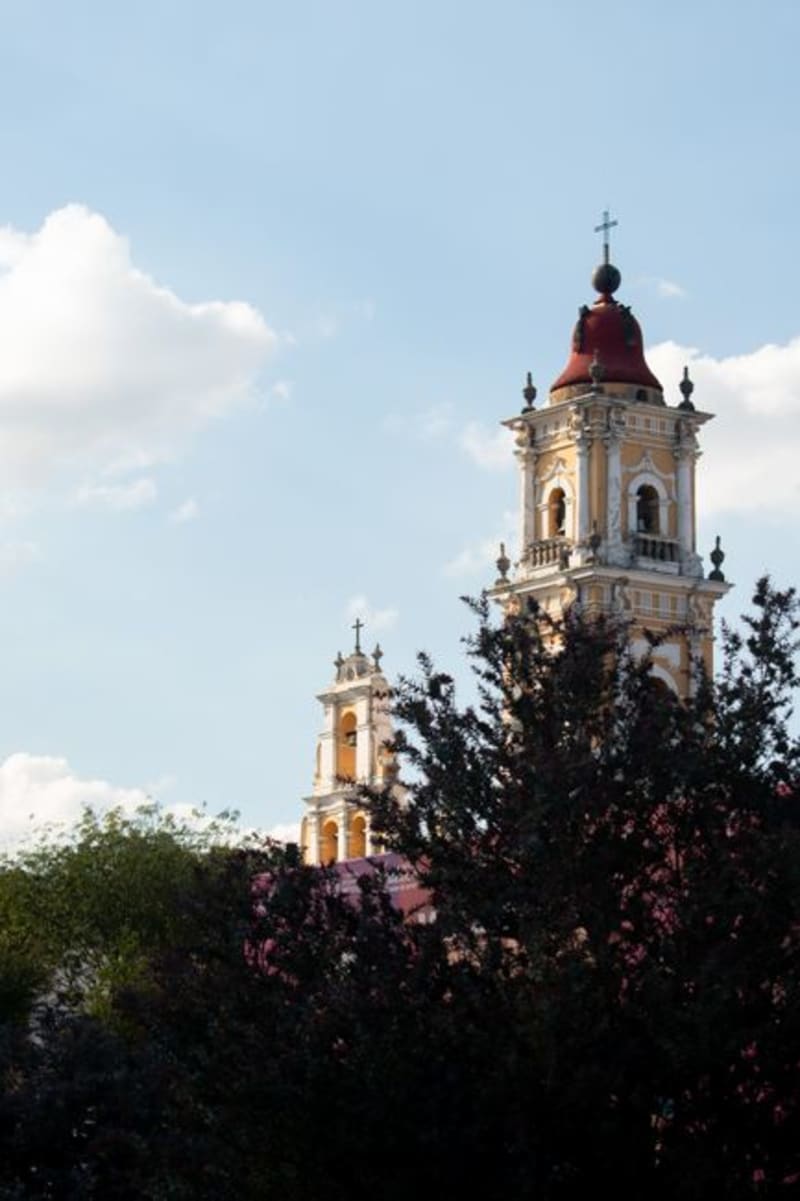 mexico
 Jocotitlan
Jocotitlan is a quiet Mazahua town in Estado de México, defined by the dormant volcano that rises directly above it — intimate and climbable in a way that Popocatépetl never quite is. Market day fills the plaza with embroidered blouses and woven baskets that most visitors to the region will never see.
Explore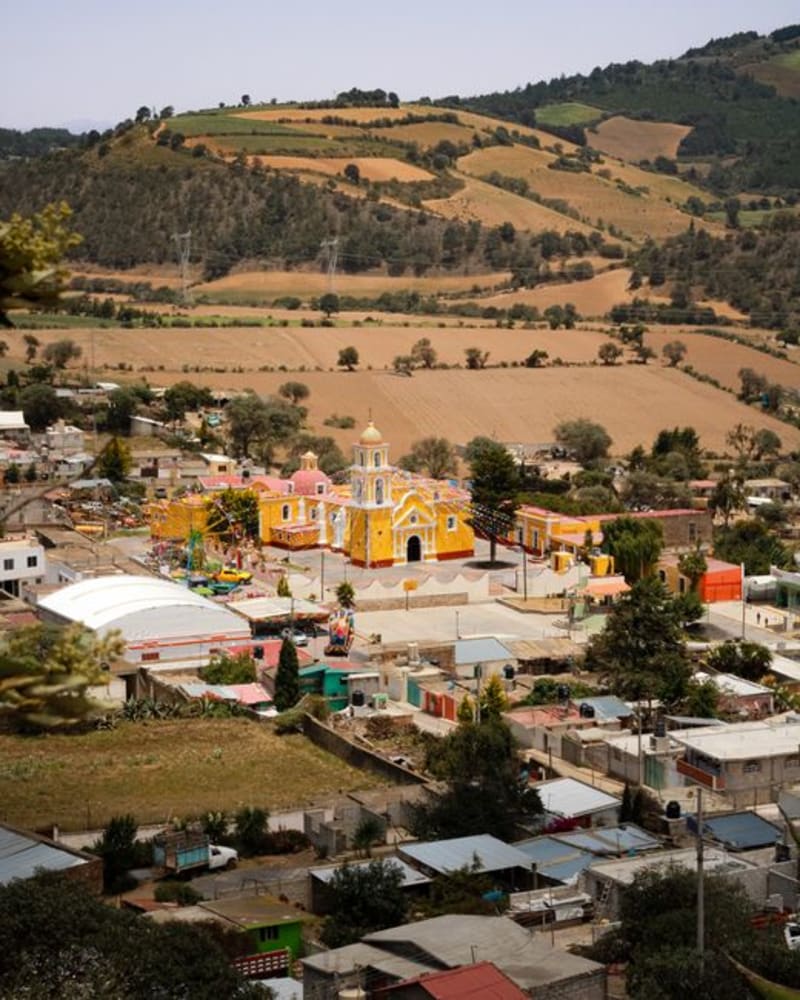 mexico
 Soyaniquilpan
A small northern municipality of Estado de México that most people only ever see as a blur through the car window on the way to Querétaro. Otomí roots, plains of maguey, and a reservoir that holds the whole dry sky. Overlooked, and the better for it.
Explore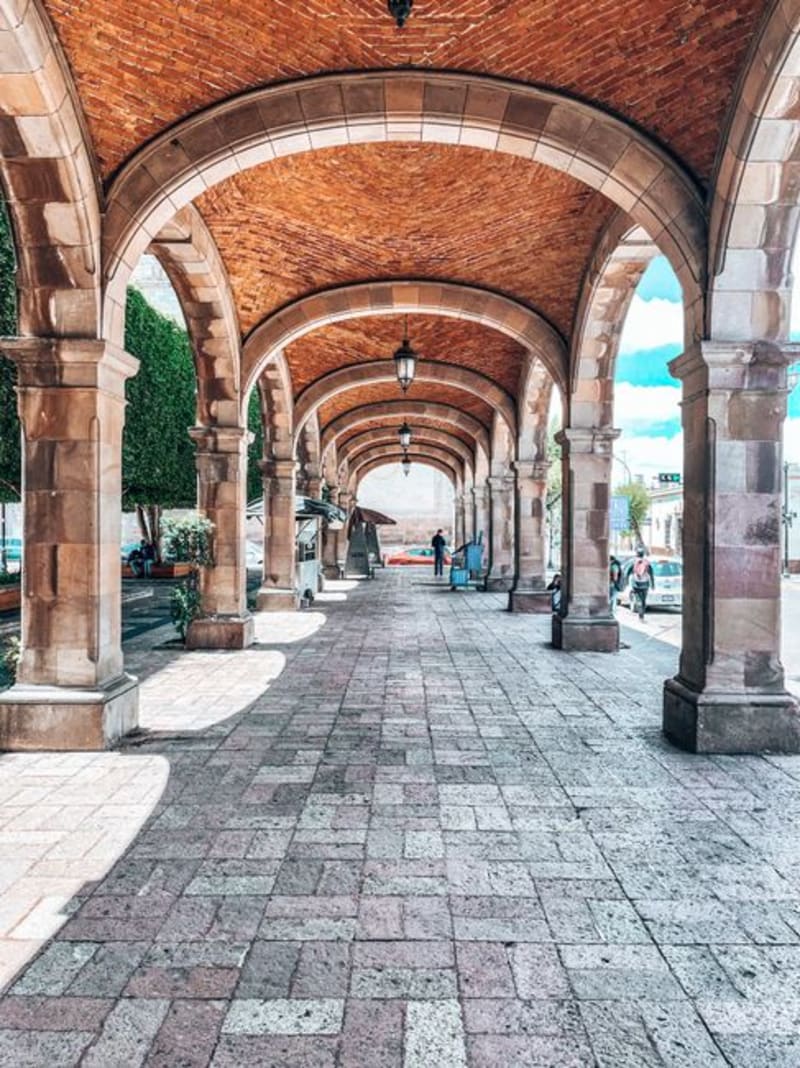 mexico
 Jilotepec
A dignified old Otomí regional capital in northern Estado de México, with an arcaded colonial plaza, an ancient convent, and a hinterland of haciendas, reservoirs, and temperate farmland. Not a resort town, not a Pueblo Mágico brochure — a working place with centuries behind it.
Explore