Tepehuanes
"A woman sold me dried herbs I had never seen and spent twenty minutes explaining what each one was for. I understood maybe half of it. I still have them."
Deep in the Sierra Madre Occidental, Tepehuanes is the ceremonial and commercial heart of the Tepehuan people. Its weekly market pulls communities down from the high sierra with crafts, medicinal plants, and foods that exist nowhere else in Mexico.

I came to Tepehuanes on a Thursday, which turned out to be exactly right. The colectivo from Durango city dropped me on the main plaza around nine in the morning, and the market was already loud — not the chaotic noise of a tourist market, but the steady, purposeful sound of people who had walked or driven hours to be there. A man was arranging dried mushrooms in a pattern that seemed deliberate. Two women were arguing cheerfully over the price of something wrapped in cloth. I had nowhere to be until Sunday, and I felt immediately, unreasonably at ease.
The Thursday Market
The mercado indígena in Tepehuanes runs every Thursday and is the real reason to be here. Tepehuan families descend from ejidos and rancherías scattered across the sierra, some arriving the night before and sleeping in their trucks. The range of what is sold defies categorization: hand-loomed blankets in geometric patterns specific to individual communities, bundles of plants I had never encountered — tepetatillo, osha root, dried copal in resin chunks — alongside ordinary produce and cheap plastic goods. The woman who sold me a small bag of dried herbs whose names I wrote phonetically into my notebook held each one up and explained its use with the patience of someone who does this every week. I bought them all. Back in my room at the only real hospedaje on Calle Constitución, I laid them out and looked them up one by one. She had been entirely accurate. What she told me I did not understand at the time I later confirmed.

Into the Sierra Madre
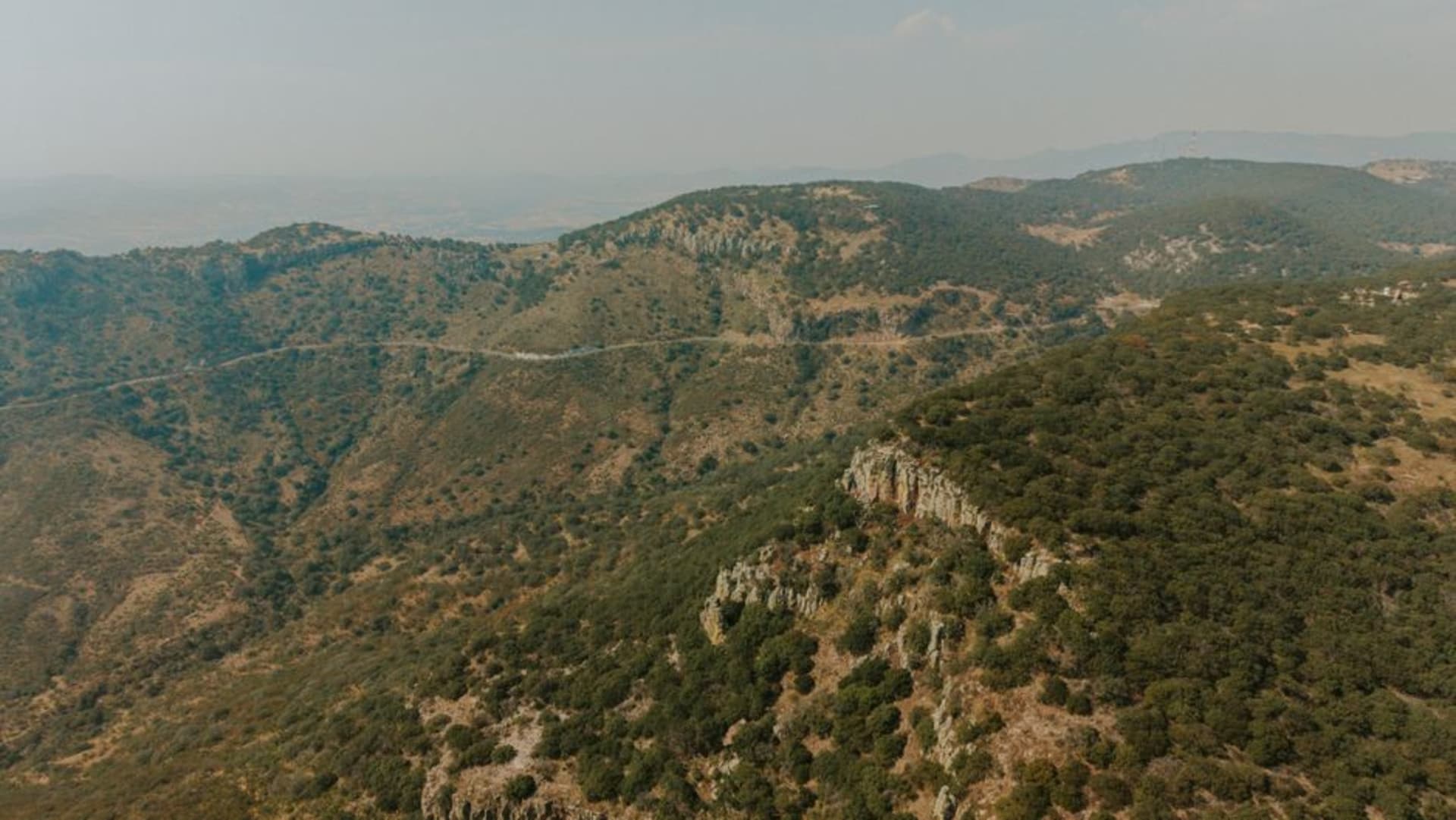
The hiking around Tepehuanes is among the least-organized and least-touristed in all of the Sierra Madre Occidental, which is both its appeal and its constraint. There are no guided tour offices. I asked at the hospedaje and was given a phone number. The man who answered, named Abelardo, met me the next morning with a truck and a level of geographic knowledge that made every map on my phone look like a rough sketch. We drove northeast on an unpaved road into pine forest that opened suddenly onto a barranca — a canyon dropping several hundred meters, the far wall still catching early light. We did not see anyone else the entire day.

Eating and Staying
The town is small enough that eating options are limited but honest. The best thing I had was a caldillo de venado — venison stew with dried chiles and herbs — at a comedor on the plaza run by a woman who offered it only on Thursdays and Fridays, when market traffic justified the effort. There is one hospedaje I can vouch for: basic rooms, hot water in the morning only, a small courtyard where someone had planted roses that seemed too delicate for the altitude and were thriving anyway.

Getting There
Tepehuanes is roughly 160 kilometers northwest of Durango city, about three hours by colectivo from the Central Camionera. Buses run daily, colectivos more frequently on market days. The road is paved and mostly in decent condition. There is no reliable ATM in town — bring cash. Phone signal is intermittent, which is not a problem until it is.
Keep exploring
More of Durango
Keep exploring
More from Durango
 mexico
 Topia
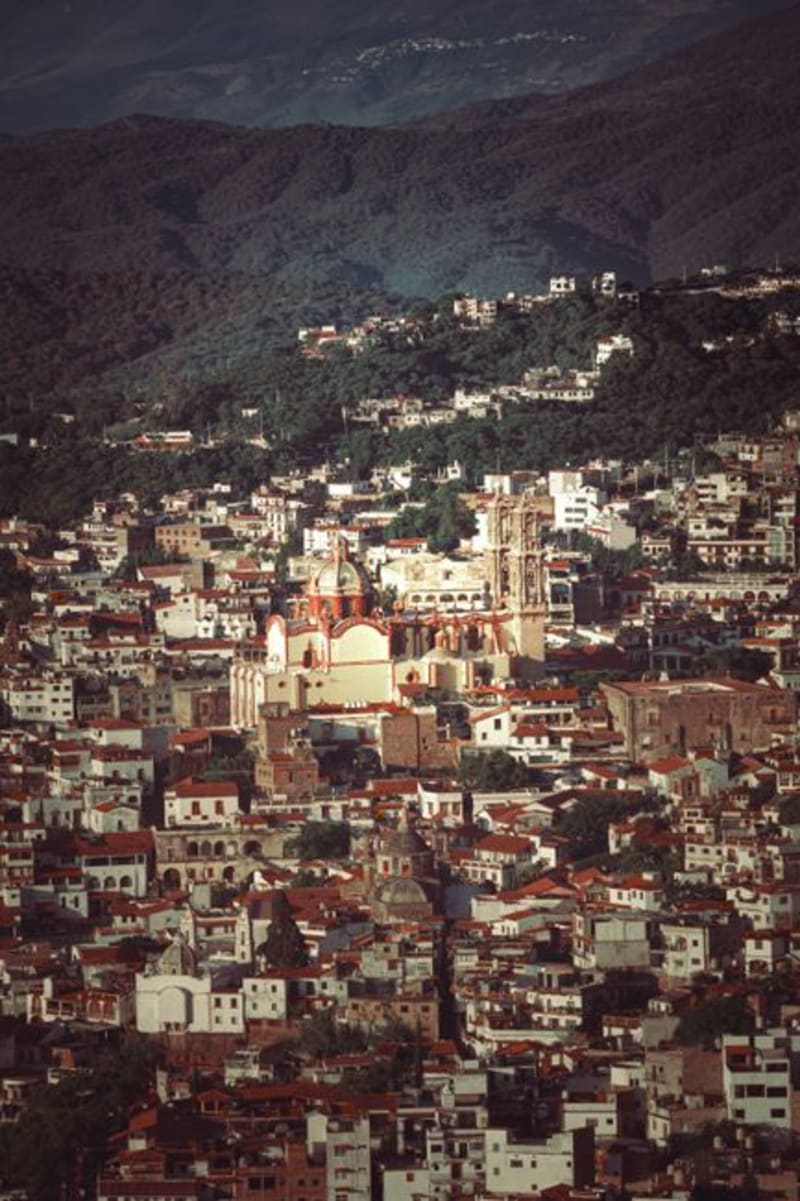
A colonial silver-mining town at 1,800 metres in the Sierra Madre, Topia sits at the end of a road that demands genuine commitment — unpaved switchbacks, river crossings, three hours from Durango city. The mines are mostly sealed now, but the stone church is intact, the plaza still functions the way plazas are meant to, and the surrounding ridgelines offer a remoteness that is increasingly hard to find.
Explore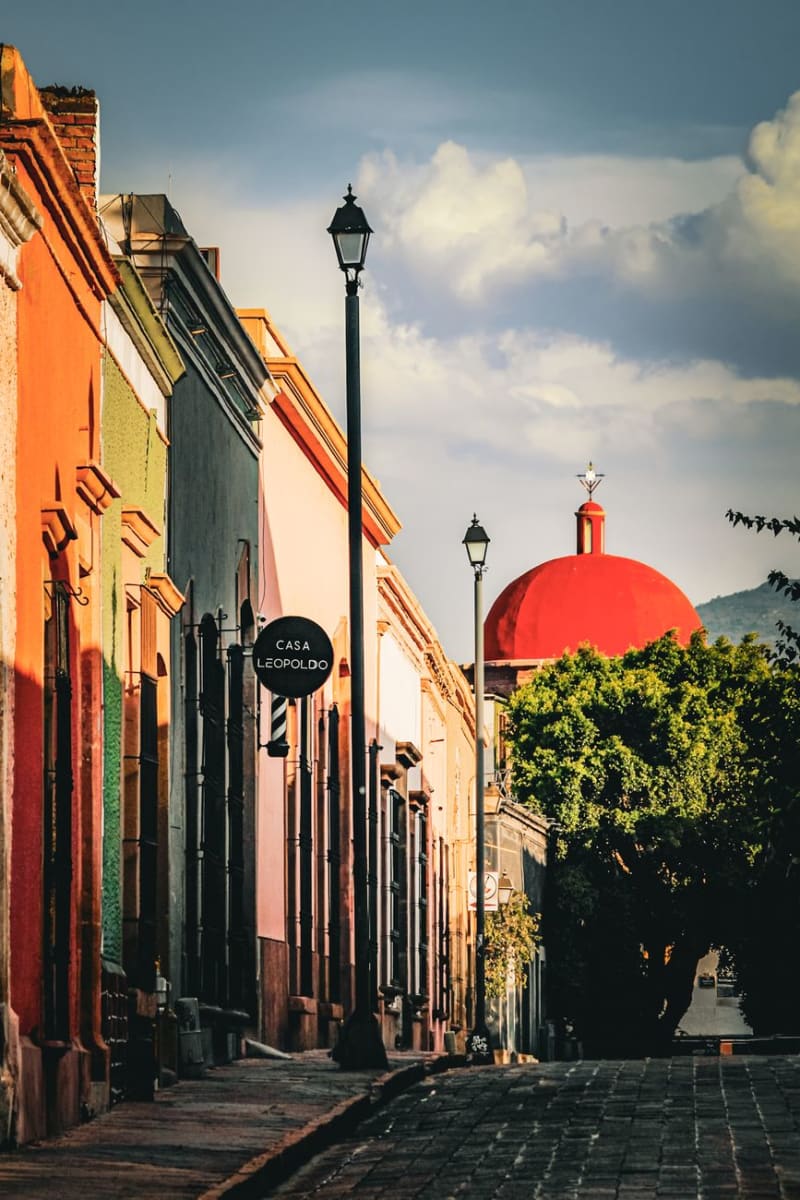 mexico
 Santiago Papasquiaro
Santiago Papasquiaro sits four hours into the Sierra Madre Occidental from Durango City, at 1,800 meters in a valley that the Tepehuan people have farmed for centuries before any Spanish road arrived. The town is a quiet market center — apples and pears and corn from the surrounding hills, pine and oak forest closing in above — and the man who ran my guesthouse explained the valley's history over dinner with the patience of someone who had never had to make it accessible to an outsider before.
Explore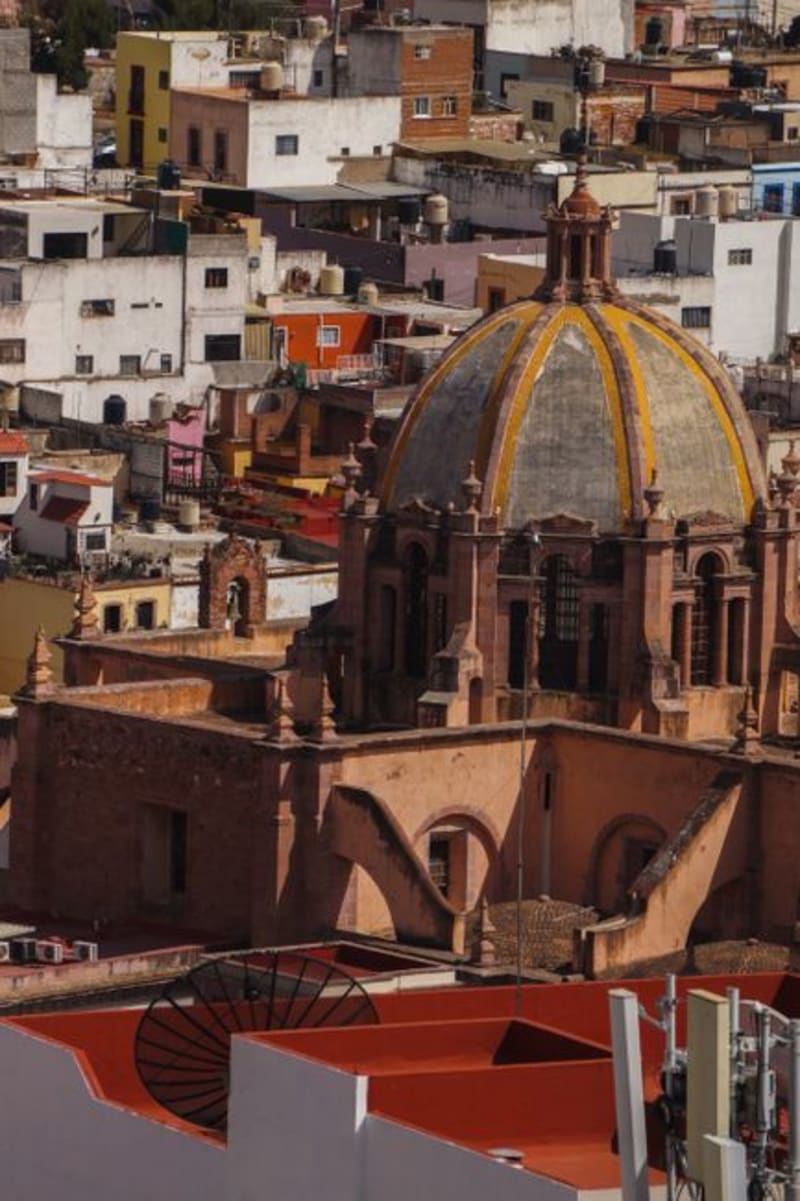 mexico
 Guanaceví
A colonial silver-mining town at 2,600 meters in the northern Sierra Madre, Guanaceví has been declining quietly for two centuries in a way that preserved its center almost intact. The drive from Durango city is long and the isolation on arrival is genuine — a combination that is increasingly difficult to find in Mexico.
Explore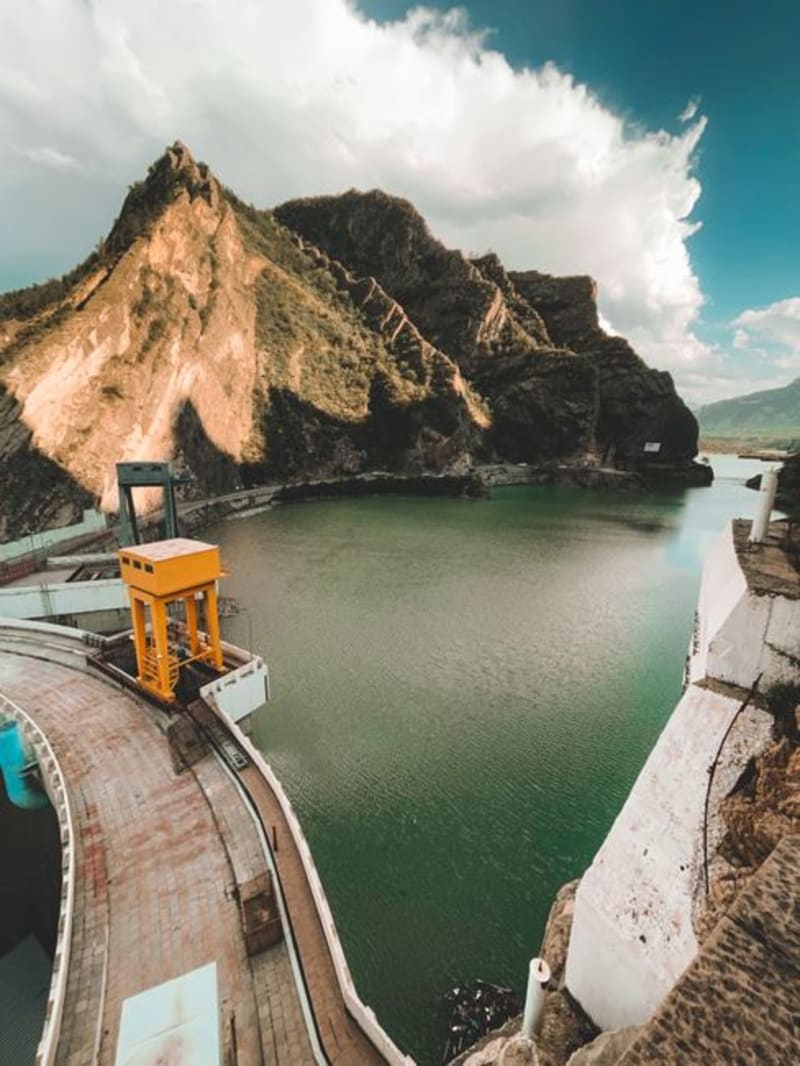 mexico
 El Palmito
A roadside stop on the mountain highway between Durango city and Mazatlán, where the Presa Palmito reservoir cuts a long blue slash into pine and canyon country below the dam wall. Most drivers fly past; the ones who stop tend to stay longer than they planned.
Explore mexico
 San Dimas
A historic gold-and-silver mining district buried deep in the Sierra Madre Occidental of Durango, reached by the wild mountain road toward Mazatlán. Dramatic barrancas and endless pine forest, the old mines of Tayoltita hidden in the canyons, and the feeling of being genuinely far from everything.
Explore mexico
 Canatlán
Set at over 2,000 meters in the Durango highlands, Canatlán is apple-and-pear country with a mining-era centro that feels more Colorado than Sinaloa. The Valle del Guadiana turns deep green in summer, and the air has a sharpness you don't expect from a Mexican afternoon.
Explore