Canatlán
"Canatlán is Durango with the thermostat turned down and apple trees in every courtyard — unexpectedly northern, unexpectedly good."
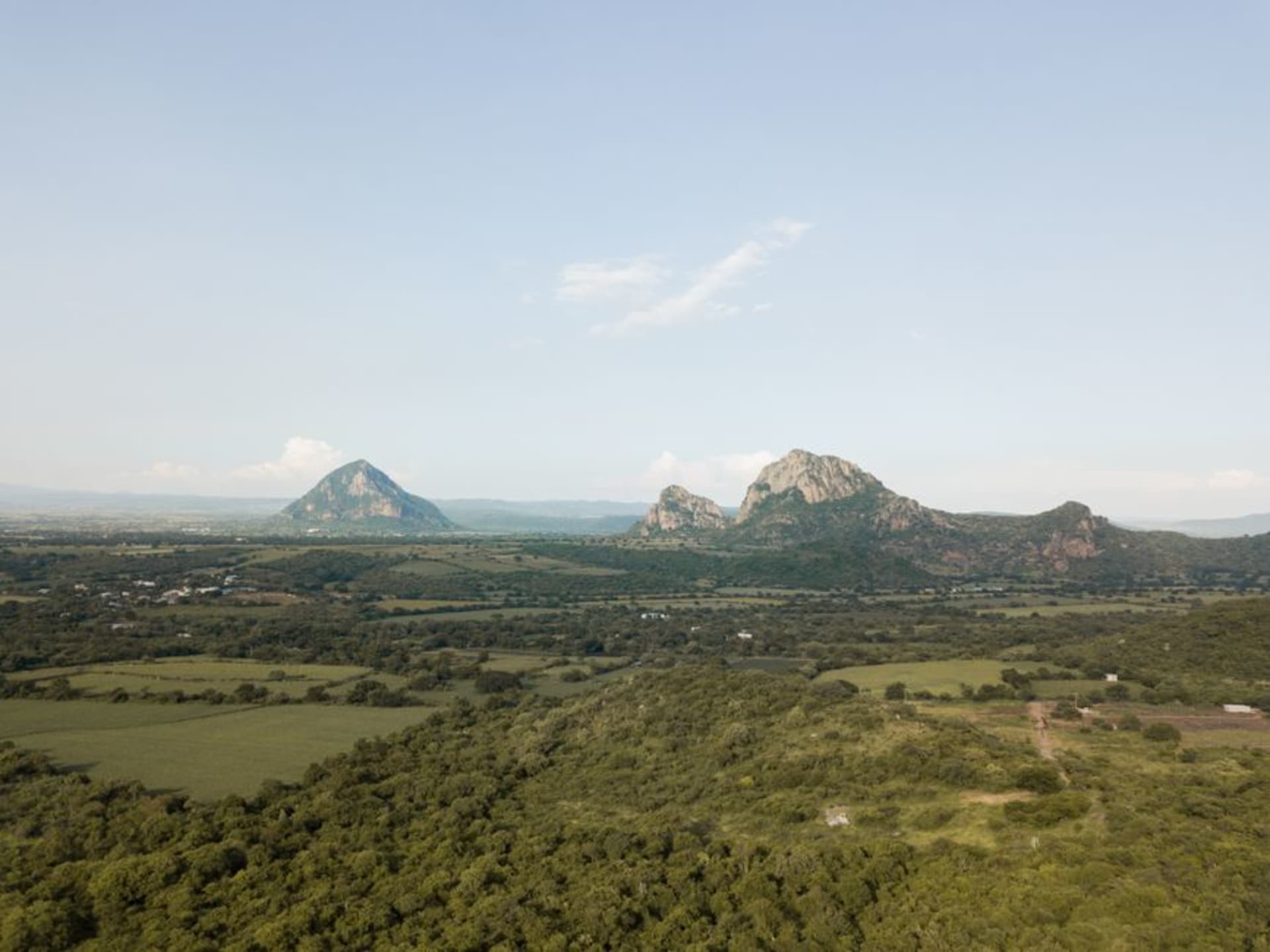
Set at over 2,000 meters in the Durango highlands, Canatlán is apple-and-pear country with a mining-era centro that feels more Colorado than Sinaloa. The Valle del Guadiana turns deep green in summer, and the air has a sharpness you don't expect from a Mexican afternoon.

I pulled into Canatlán on a Tuesday in late August, coming down from the sierra on a road that had delivered more potholes than scenery. The town appeared without ceremony: a gas station, then a plaza, then the smell of woodsmoke and something baked. I was expecting a pit stop. Instead I sat in the jardín for two hours while the temperature stayed at a civilized 18 degrees and a vendor sold me a bag of small, tart apples from a wheelbarrow. That was the beginning.
Apple Country and the Valle del Guadiana
The thing nobody tells you about Canatlán is that the agriculture is the landscape. Drive five minutes in any direction and the Valle del Guadiana opens up — irrigated rows of apple and pear trees, green and heavy in August, with the sierra framing everything to the west. This is not ornamental fruit; it is working orchard country, and the harvest rhythm shapes the town’s pace. The mercado municipal on Calle Independencia fills with crates of manzanas every morning by seven, sold by weight from the back of pickups. I bought a kilo for twenty pesos and ate half of them walking back to the plaza. Local processors make sidra and fruit vinegars that show up occasionally in the tiendas around the centro — worth asking for, rarely labeled.

The Centro and its Mining-Era Architecture
Canatlán’s main square has the proportions of a town that expected to grow bigger than it did — a wide jardín, a presidencia with wrought-iron details, and the Parroquia de San Jerónimo anchoring one corner with its pale facade. The surrounding streets follow a neat grid with buildings that carry the heavy lintels and thick walls of late-nineteenth-century construction, when silver and lead from the surrounding hills briefly made the region prosperous. I found a comedor on Avenida Juárez, two blocks off the plaza, where the señora serves caldillo durangueño — a beef and chile soup that the whole state claims and that tastes best, I’m now convinced, at altitude. No sign on the door, open until the pot empties, closed Sundays.

The Climate as the Main Event
I know that sounds like a way of saying there isn’t much else, but it isn’t. After months on the Pacific coast where everything past noon is a battle against heat, Canatlán’s highland cold feels like a gift. Evenings drop to sweater territory even in summer. The light is different too — sharper, bluer, without the coastal haze. I spent a morning walking the outskirts toward the ejido fields with no agenda and came back feeling like I’d actually slept for once. The town doesn’t perform for visitors; it just goes about its highland business and lets you watch.

Getting There
Canatlán sits about 60 kilometers northeast of Durango city on Federal Highway 45. The drive takes roughly an hour by car — no bus terminal to speak of, though combis run from Durango’s Central Camionera toward the municipality. Most visitors come through Durango city first, which makes a logical base if you want to range into the highlands without committing to an overnight.
Keep exploring
More of Durango
Keep exploring
More from Durango
 mexico
 Canatlán
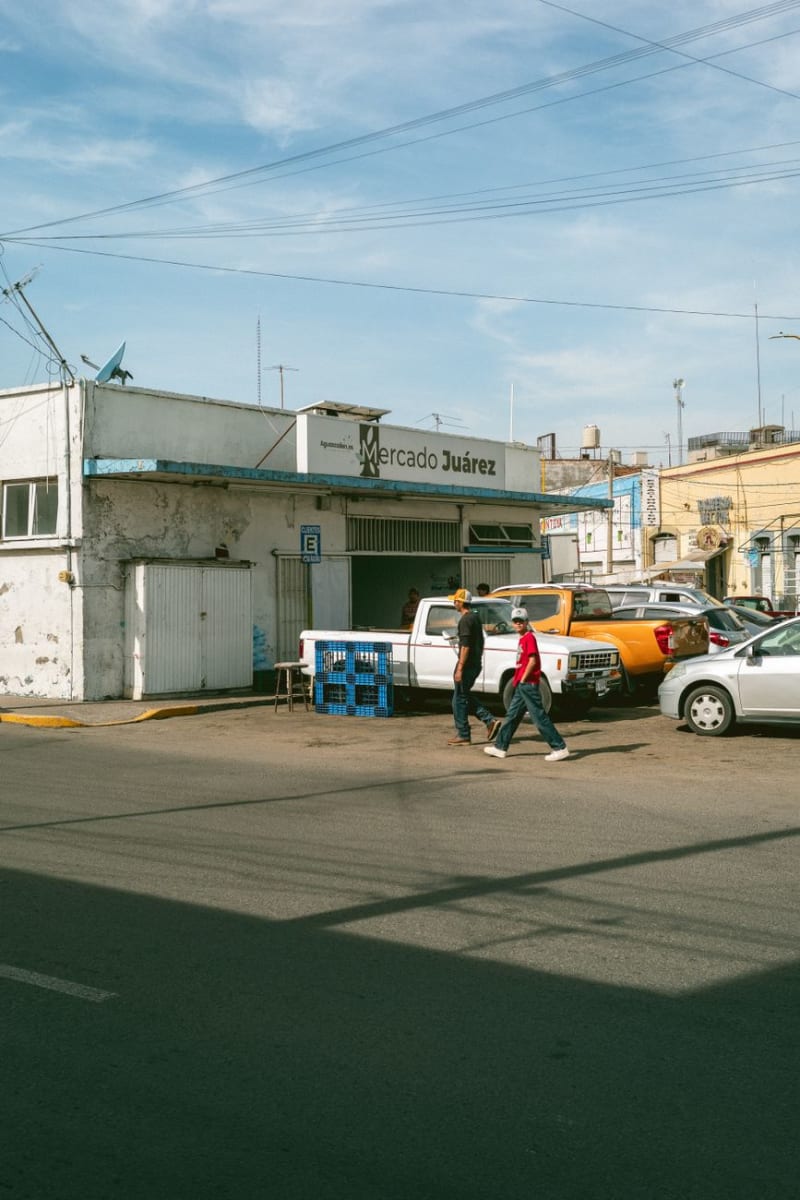
Canatlán occupies a high plateau between Durango city and the sierra, where volcanic ridges frame a valley that produces extraordinary strawberries and regional mezcal in equal measure. It is a place that earns its reputation quietly, through what you eat and drink rather than what you photograph.
Explore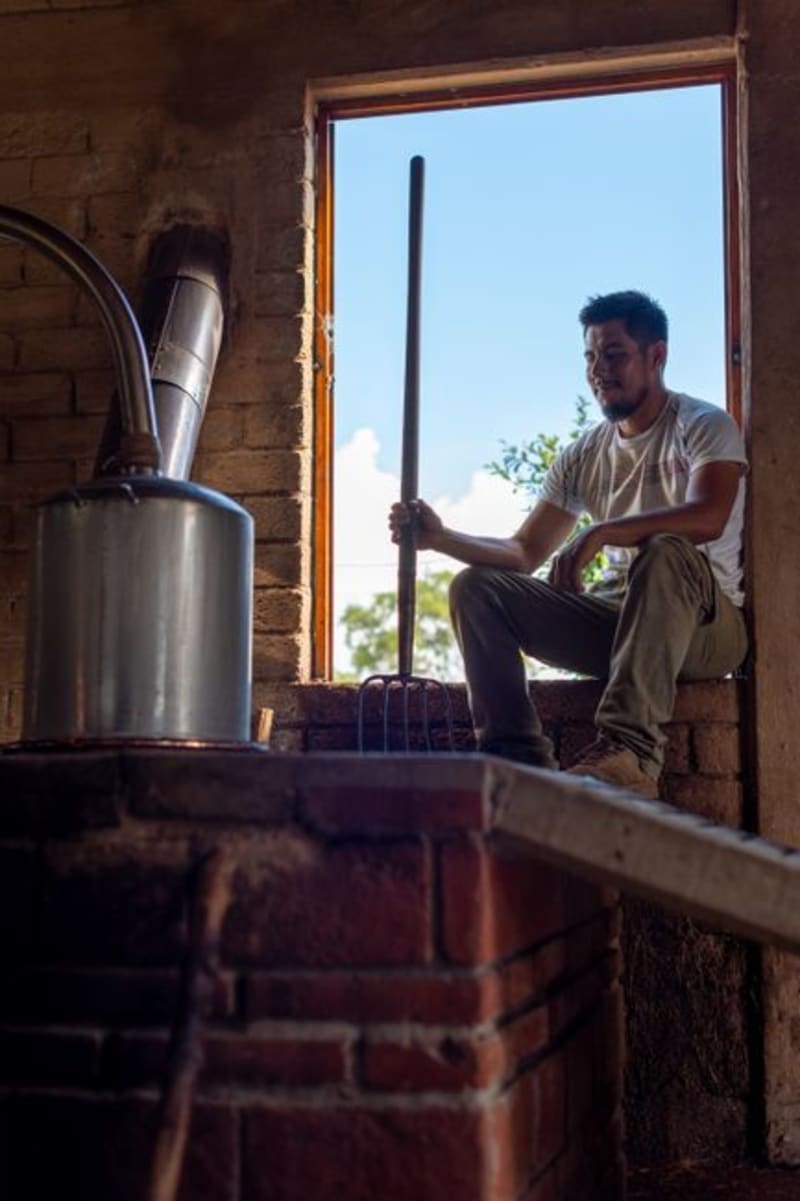 mexico
 San Juan del Río, Durango
A mezcal-producing village tucked into the rocky draws of the Durango Sierra Madre, where clay-pot distilleries have been operating the same way for two centuries. This is not the Querétaro San Juan del Río — this one is quieter, harder to reach, and worth every kilometer of dirt road.
Explore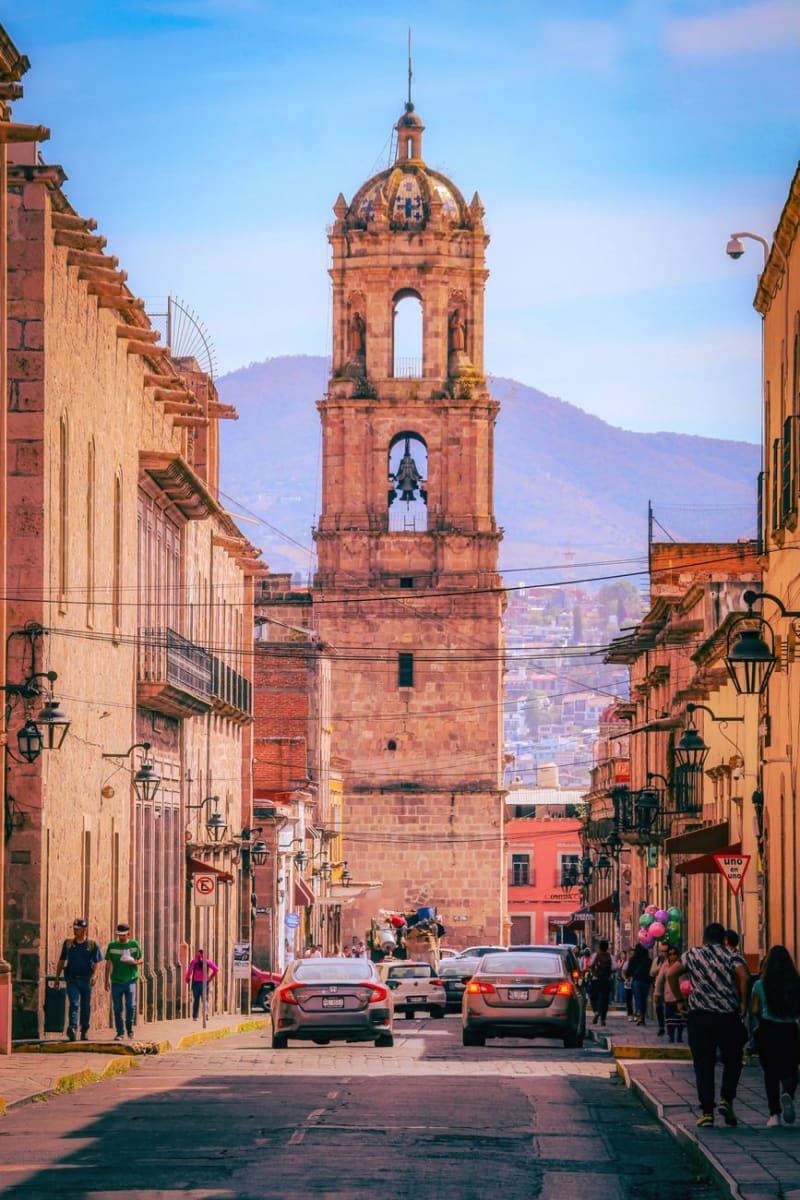 mexico
 Durango City
Durango City is the colonial capital of a state better known outside Mexico for the westerns John Wayne and Sam Peckinpah filmed in its surrounding sierra — the original movie sets are still standing on the edge of town. The historic center has a baroque cathedral, an alley named for its scorpion problem, and a highway to Mazatlán that crosses the Sierra Madre and is one of the most dramatic drives in the country. I arrived having watched a John Ford film the night before and spent the first two hours half-expecting a stagecoach.
Explore mexico
 Santiago Papasquiaro
Santiago Papasquiaro sits four hours into the Sierra Madre Occidental from Durango City, at 1,800 meters in a valley that the Tepehuan people have farmed for centuries before any Spanish road arrived. The town is a quiet market center — apples and pears and corn from the surrounding hills, pine and oak forest closing in above — and the man who ran my guesthouse explained the valley's history over dinner with the patience of someone who had never had to make it accessible to an outsider before.
Explore mexico
 San Dimas
A historic gold-and-silver mining district buried deep in the Sierra Madre Occidental of Durango, reached by the wild mountain road toward Mazatlán. Dramatic barrancas and endless pine forest, the old mines of Tayoltita hidden in the canyons, and the feeling of being genuinely far from everything.
Explore mexico
 Nombre de Dios
Nombre de Dios has been continuously inhabited since 1562, founded by Francisco de Ibarra as one of the first Spanish settlements in the north. The Ex-Convento de San Francisco anchors everything — a late-sixteenth-century Franciscan complex with original cloister frescoes where indigenous faces appear in European religious scenes, a collision of worlds painted directly onto the stone. I arrived in the afternoon and had the place entirely to myself for the better part of an hour.
Explore