Nombre de Dios
"I spent 45 minutes alone in a sixteenth-century cloister with frescoes nobody seemed to know about. That's the kind of afternoon that makes you want to stay in Mexico."
Nombre de Dios has been continuously inhabited since 1562, founded by Francisco de Ibarra as one of the first Spanish settlements in the north. The Ex-Convento de San Francisco anchors everything — a late-sixteenth-century Franciscan complex with original cloister frescoes where indigenous faces appear in European religious scenes, a collision of worlds painted directly onto the stone. I arrived in the afternoon and had the place entirely to myself for the better part of an hour.

I had read almost nothing about Nombre de Dios before I drove there from Durango City. It came up in a conversation with someone at a market stall who mentioned it in the same breath as three other towns, and the name alone — Name of God, one of those Spanish colonial placenames that sounds like someone named it during a very dramatic moment — was enough to make me add it to the list. The drive south from Durango takes you through the transitional zone between the Sierra Madre Occidental and the high desert, a landscape of dry hills and small ranches and the occasional roadside shrine. I arrived in the late afternoon, when the light was low and horizontal and the town was quiet in the way of a Mexican town that has been quiet for a long time.
The founding date is 1562, which makes Nombre de Dios one of the oldest continuously inhabited settlements in northern Mexico. Francisco de Ibarra, the explorer and governor who opened up much of what is now Durango and Chihuahua, established it as a base for the northern campaign. In the centuries since, it has not transformed in any dramatic way. It has simply remained.
The Convent and the Frescoes
The Ex-Convento de San Francisco is the reason to come, though I say this with some guilt about reducing a town of this age to a single building. The complex dates from the 1590s and sits at one edge of the town, a large Franciscan structure in the pale stone of the region. I found the entrance gate unlatched and walked in without encountering anyone.
The cloister is what you want. The arcade runs around a central courtyard, and on the walls of the passageway there are original frescoes — partially restored, partially still ghostlike under accumulated grime and time — that depict scenes from the life of Christ and the Franciscan saints. These are not unusual. What is unusual are the faces. The faces in the frescoes are indigenous: broad cheekbones, dark complexions, a physiognomy that belongs to the valley rather than to the Spain of the artists’ mental models. Someone in the 1590s — a Franciscan friar, a local painter, some collaboration between them — decided to people the Gospel stories with the faces of the Tepehuan and other peoples of the region.
I stood in front of one scene for a long time. A figure at the edge of the composition, holding a vessel of some kind, looking slightly away from the main action. The face is specific in the way that faces painted from life are specific, and it has survived four centuries on this wall. I thought about who that person was and what they made of being placed inside a story that was not theirs and then concluded that the question was probably too simple — by the 1590s the story was already becoming theirs, whatever that meant.

The Town Itself
After the convent I walked the plaza, which is small and shaded and has the stone fountain that Mexican plazas of this period tend to have. The church on one side, low commercial buildings on the others. A few people on benches. A tienda with a cooler visible through the door.
The town sits in a valley that is genuinely fertile by the standards of the high north — there is water here from the sierra, and the surrounding land has been farmed continuously for longer than the Spanish settlement has existed. The Tepehuan people inhabited this valley before Ibarra arrived, and the valley’s agricultural logic did not change when the colonial town was founded on top of it.
I bought a cold drink from the tienda and sat on a bench for twenty minutes. Nobody asked me what I was doing there, which I took as either disinterest or acceptance; in towns this old, one more stranger is not a notable event.
What Nombre de Dios does not have: coffee shops, tourist signage in English, a boutique hotel with exposed beams and a curated minibar. What it has is the real thing — a colonial town that is colonial because it was built in that period and has continued to exist, not because someone has packaged it for sale. It is a Pueblo Mágico, which in this case seems accurate rather than ironic.

Getting There
Nombre de Dios is about 50km south of Durango City on Federal Highway 45, a straightforward drive of around an hour. There is local bus service from Durango but a car makes it easier to combine with other stops in the valley. Come in the afternoon when the light is right and the convent is likely to be open — though I would not book a return bus at any particular time, since the opening hours have the flexibility characteristic of places that are not primarily designed for visitors.
Keep exploring
More of Durango
Keep exploring
More from Durango
 mexico
 Vicente Guerrero, Durango
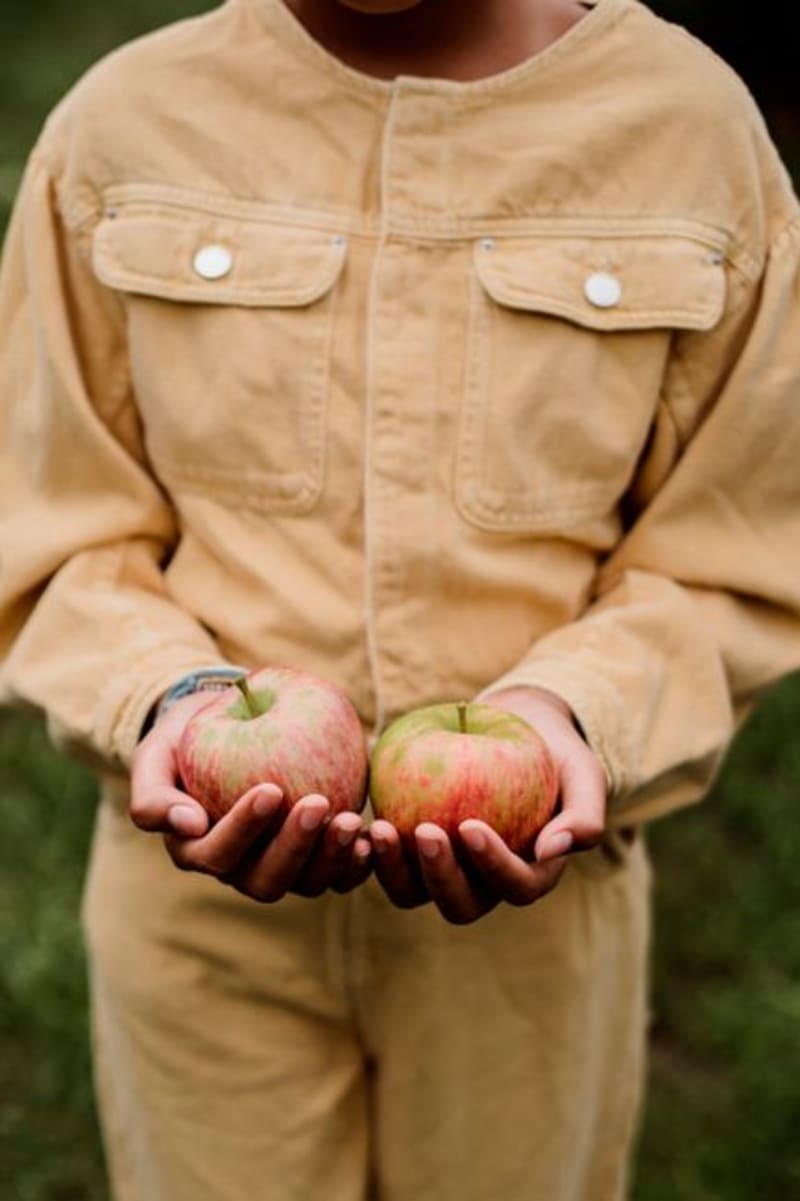
A Mennonite farming valley in the Sierra Madre foothills where Low German is spoken beside irrigation channels heavy with apples. August brings a festival that fills the air with cider and a quiet surreality particular to northern Mexico.
Explore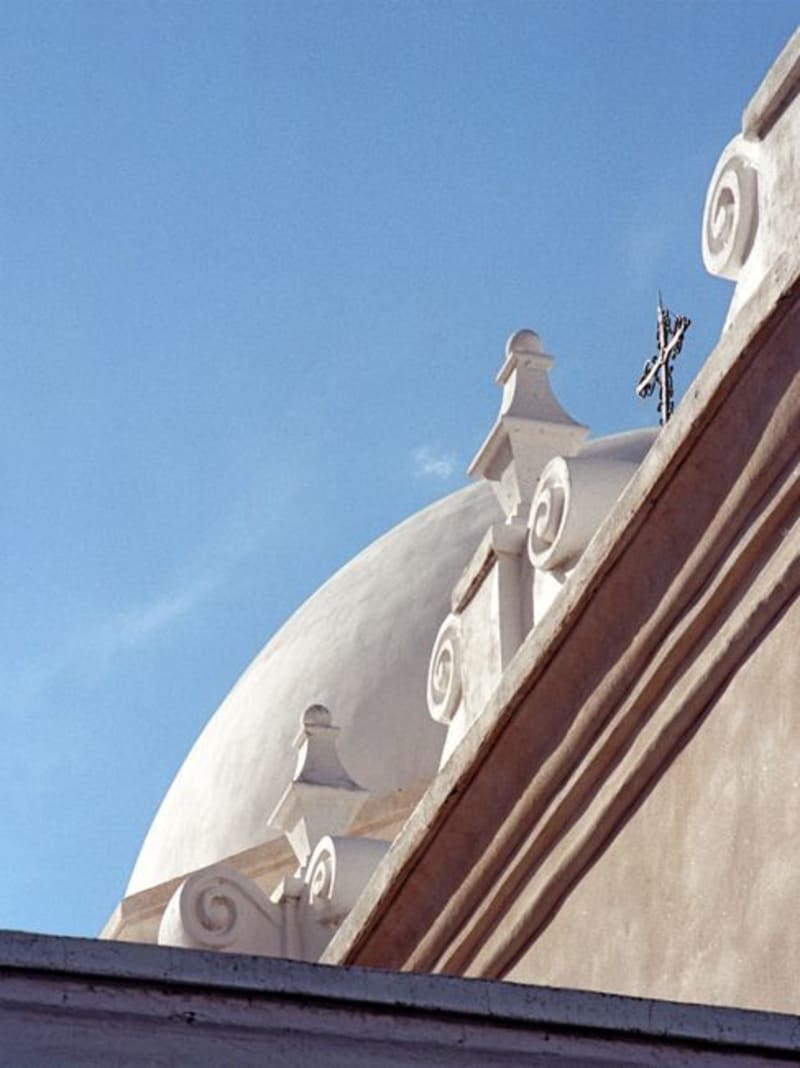 mexico
 Súchil
A small town in the Durango highlands where a well-preserved 17th-century Franciscan mission shares the itinerary with the Yerbanís — a cluster of volcanic tuff pillars eroded into improbable shapes that rise from the surrounding plateau.
Explore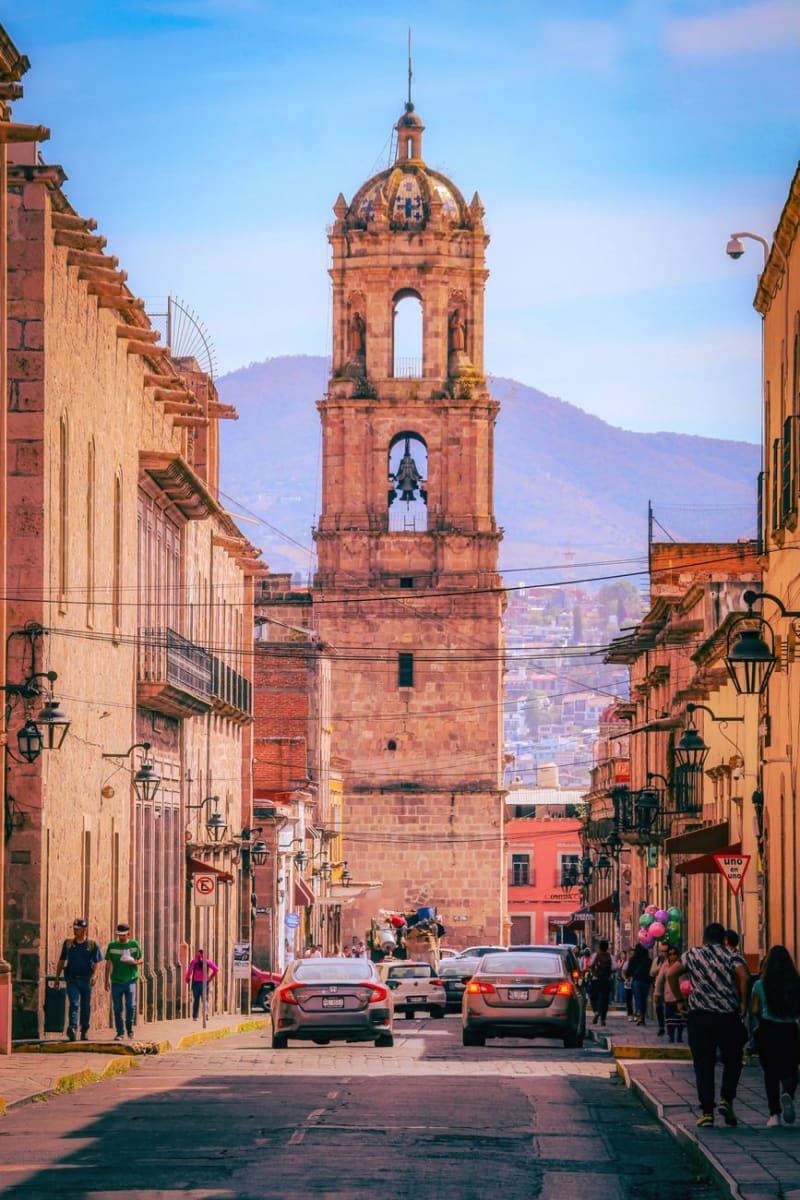 mexico
 Durango City
Durango City is the colonial capital of a state better known outside Mexico for the westerns John Wayne and Sam Peckinpah filmed in its surrounding sierra — the original movie sets are still standing on the edge of town. The historic center has a baroque cathedral, an alley named for its scorpion problem, and a highway to Mazatlán that crosses the Sierra Madre and is one of the most dramatic drives in the country. I arrived having watched a John Ford film the night before and spent the first two hours half-expecting a stagecoach.
Explore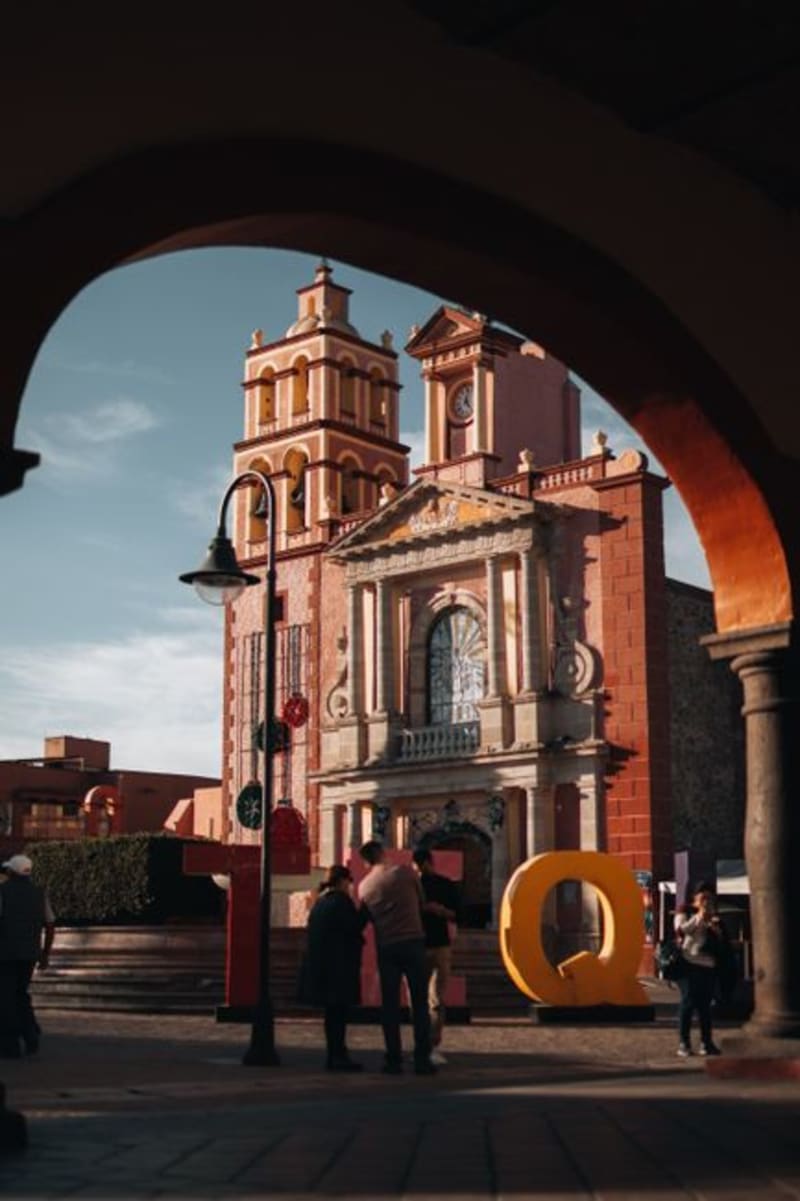 mexico
 Cuencamé
Cuencamé sits in the Durango lowlands where the sierras give way to ranching country, its colonial haciendas still defining the landscape after four centuries of cattle and silver. It is quietly becoming wine territory, though the world has not caught up to that fact yet.
Explore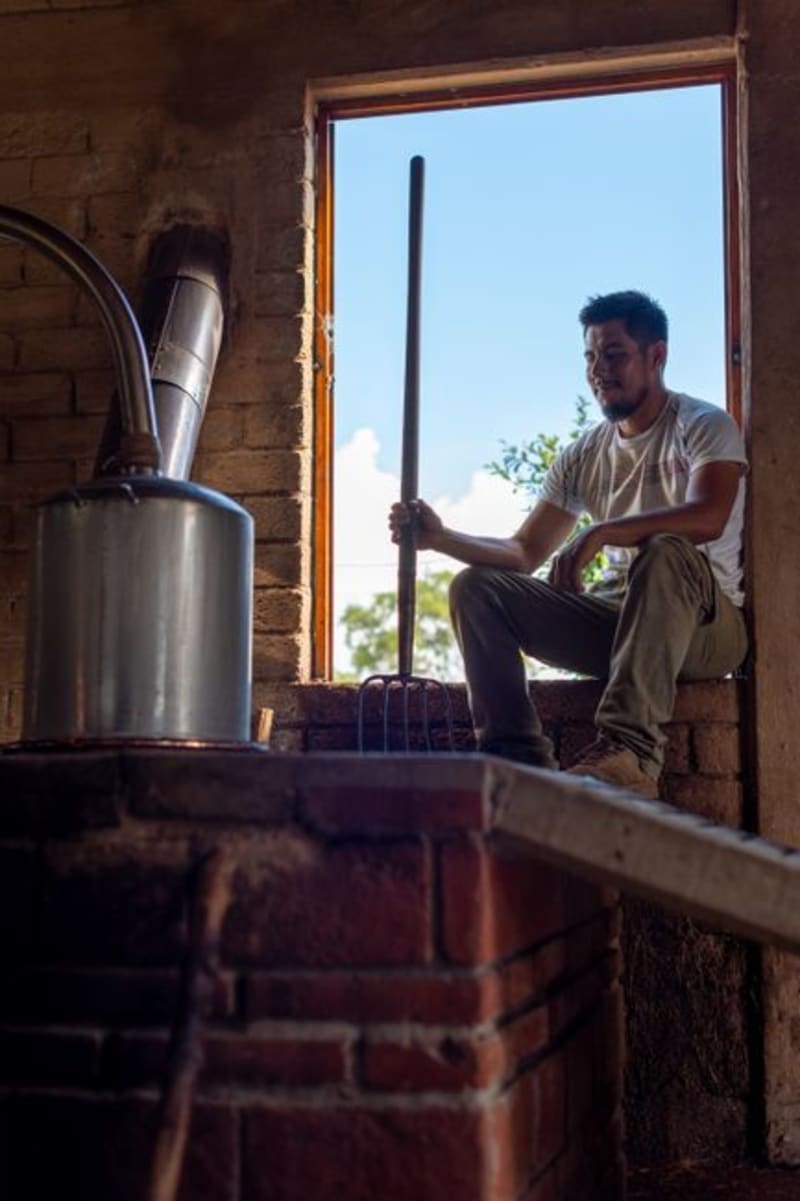 mexico
 San Juan del Río, Durango
A mezcal-producing village tucked into the rocky draws of the Durango Sierra Madre, where clay-pot distilleries have been operating the same way for two centuries. This is not the Querétaro San Juan del Río — this one is quieter, harder to reach, and worth every kilometer of dirt road.
Explore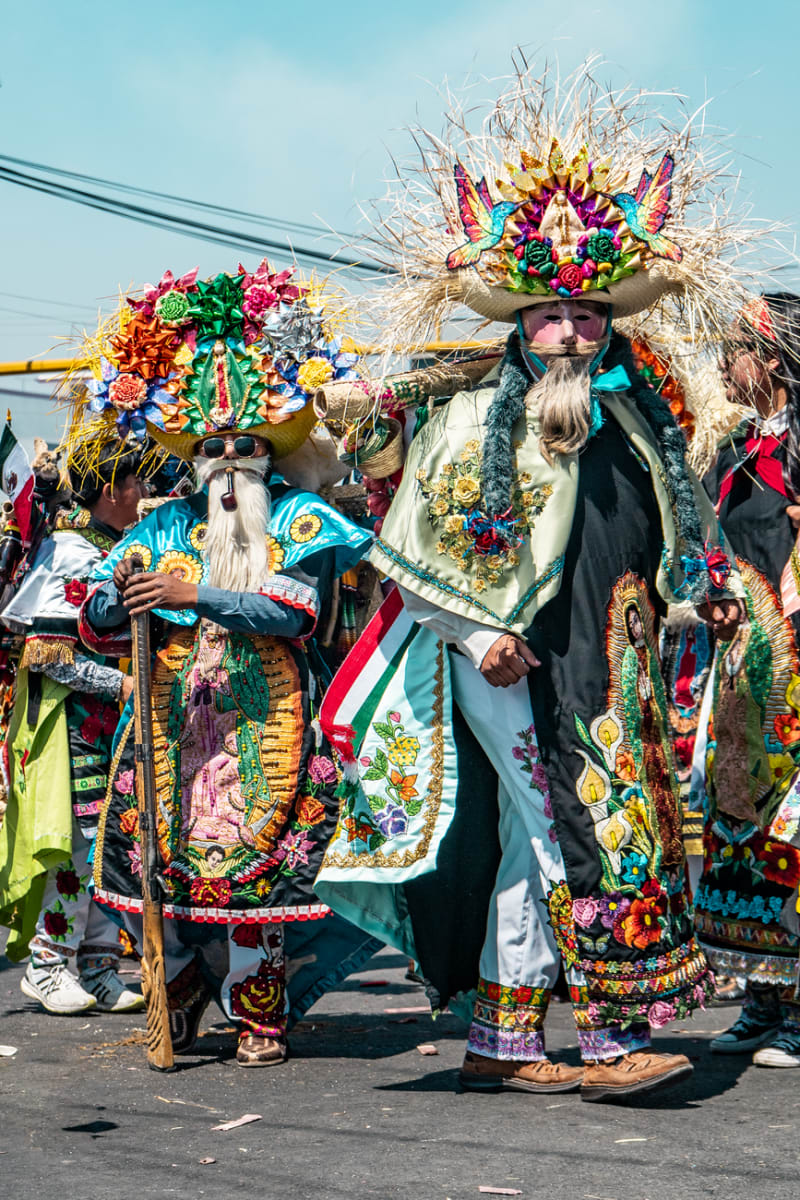 mexico
 Canatlán
Set at over 2,000 meters in the Durango highlands, Canatlán is apple-and-pear country with a mining-era centro that feels more Colorado than Sinaloa. The Valle del Guadiana turns deep green in summer, and the air has a sharpness you don't expect from a Mexican afternoon.
Explore