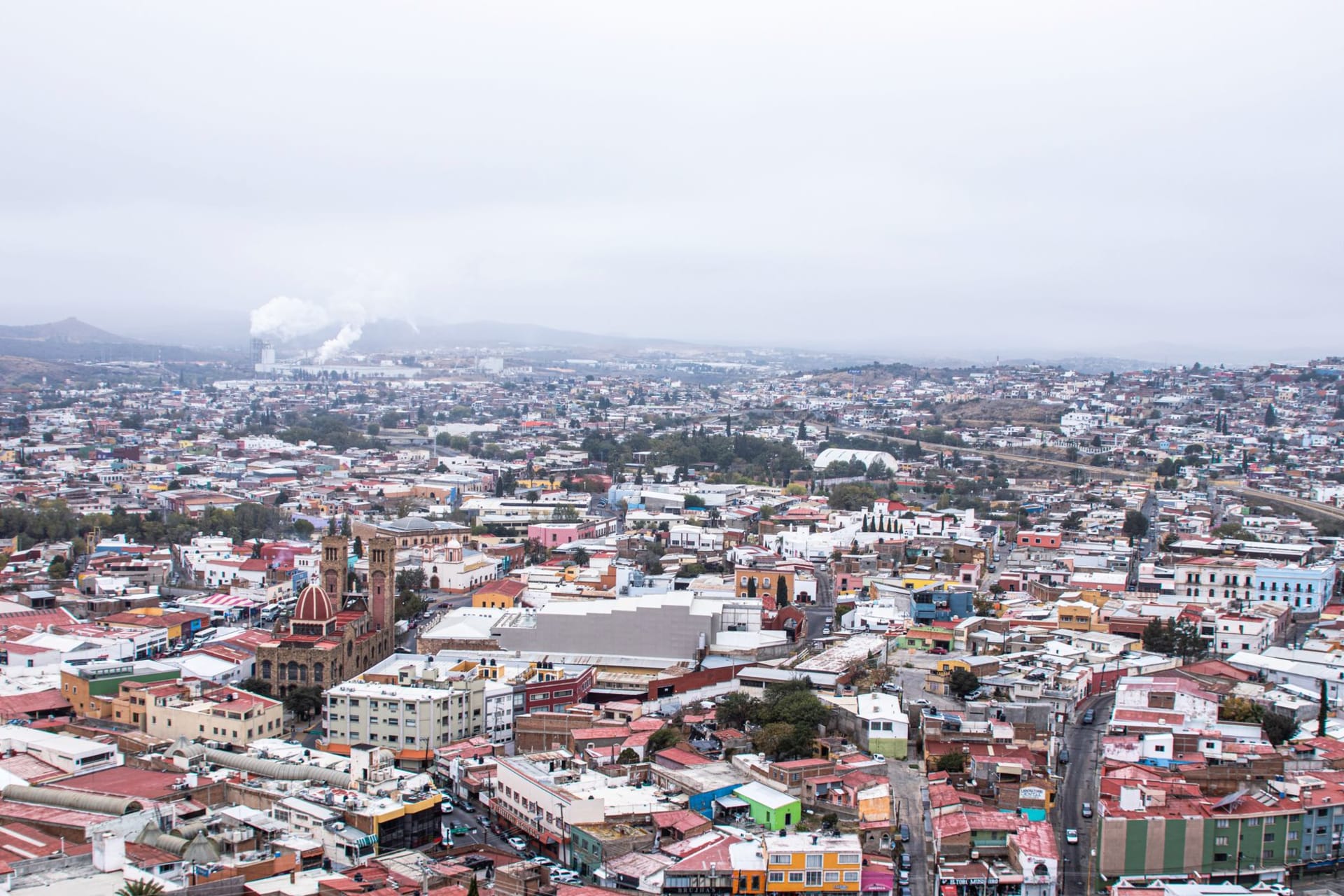
Durango City
"I watched Stagecoach the night before I arrived. Walking the Paseo de los Alacranes the next morning, I kept checking my boots."
Durango City is the colonial capital of a state better known outside Mexico for the westerns John Wayne and Sam Peckinpah filmed in its surrounding sierra — the original movie sets are still standing on the edge of town. The historic center has a baroque cathedral, an alley named for its scorpion problem, and a highway to Mazatlán that crosses the Sierra Madre and is one of the most dramatic drives in the country. I arrived having watched a John Ford film the night before and spent the first two hours half-expecting a stagecoach.

The night before I took the bus into Durango I watched John Ford’s Stagecoach, the 1939 western with John Wayne before John Wayne became the caricature of himself. It felt appropriate. Durango City claims to be the most filmed western location in the world — somewhere between 120 and 150 westerns were shot in the surrounding sierra from the 1950s through the 1990s, including multiple John Wayne productions and Sam Peckinpah’s The Wild Bunch, which is one of the genuinely great violent films of the twentieth century. I expected to feel this history somewhere in the city. What I didn’t expect was to find the actual sets still standing.
Villa del Oeste and the Film Strangeness
On the southern edge of Durango, in a neighborhood that functions as a small public park and heritage site, there is a cluster of western film sets. Saloon facades. A jail with a wooden sign. A general store with nothing behind the door. The whole thing sits in dry, scrubby landscape that does look, I’ll grant them this, remarkably like New Mexico or west Texas on screen.
It is a slightly strange experience. The structures are genuine props from genuine films — not replicas built for tourism but the actual sets that actors walked through in productions that became real movies I have seen. I kept trying to match the facades to specific scenes I remembered and mostly couldn’t. But there is something about knowing the same objects were in the same desert light during the filming of something real that makes you look at them differently than you’d look at a theme park reconstruction.
A local teenager on a bicycle stopped to watch me looking at the sets. He asked in Spanish if I knew who Sam Peckinpah was. I said yes. He seemed pleased.
El Paseo de los Alacranes and the Colonial Center
The historic center of Durango is compact and genuinely handsome — the baroque cathedral has a façade that rewards attention, and the governor’s palace on the main plaza has colonial murals inside that cover the staircase walls in the way that Orozco and Rivera made fashionable and that state capitals throughout Mexico have been attempting ever since, with varying success.
But the street I returned to twice was the Paseo de los Alacranes, the alley of scorpions, a covered arcade near the center that takes its name from the city’s historical problem with bark scorpions. Durango once had a serious scorpion population — enough of a crisis that the region became a center for scorpion antivenom research, and the antidote to Mexico’s most common scorpion sting was developed here. I checked my boots every morning, as is apparently the correct behavior, and found nothing.
The alley itself has been converted into a small pedestrian street with cafes and artesanías. The scorpion theme is played up commercially — scorpion chocolates, scorpion keychains — in the way any town would monetize its distinctive danger. But the history is real and the name is earned.

The Road to Mazatlán
I did not drive El Espinazo del Diablo on this trip — I had come by bus and was leaving by bus and the highway requires a vehicle and ideally a vehicle you’re not too attached to. But I asked everyone I met about it.
El Espinazo del Diablo, the Devil’s Backbone, is the road that connects Durango to Mazatlán through the Sierra Madre Occidental. It climbs from the dry Durango plateau into the sierra, crosses passes above 2,500 meters, and then descends through river gorges and switchbacks to arrive at the coastal plain. The total distance is around 320 kilometers but takes five or six hours. Every person I spoke to described it with the same half-wincing admiration that people reserve for routes they’re glad they did and would not necessarily repeat.
I have it on my list for a trip when I have a car that belongs to me and a clear day and several hours of daylight to spare. The accounts make it sound like a drive where the road is the destination.
Food, Getting There, Getting Around
Durango’s cooking is less celebrated than it should be. The local chile pasado — a dried, roasted green chile that rehydrates into something with more complexity than most dried chiles — shows up in stews and as a filling for quesadillas and is better than the name suggests to anyone who encounters it without context. The menudo on Sunday mornings in the central market is the correct breakfast if you’ve been anywhere the night before.
Getting to Durango by bus from Mexico City is about ten hours — overnight is the obvious choice. From Mazatlán, depending on whether you take the Devil’s Backbone or the toll highway, plan for five to eight hours. The city is straightforward to navigate on foot for the historic center, and taxis cover everything else.

The altitude is 1,890 meters, which is noticeable if you arrive from sea level. Give yourself the first afternoon for the plaza and the cathedral, save the film sets and the aqueduct for the second day, and try to leave time for the menudo.
Keep exploring
More of Durango
Keep exploring
More from Durango
 mexico
 Nombre de Dios
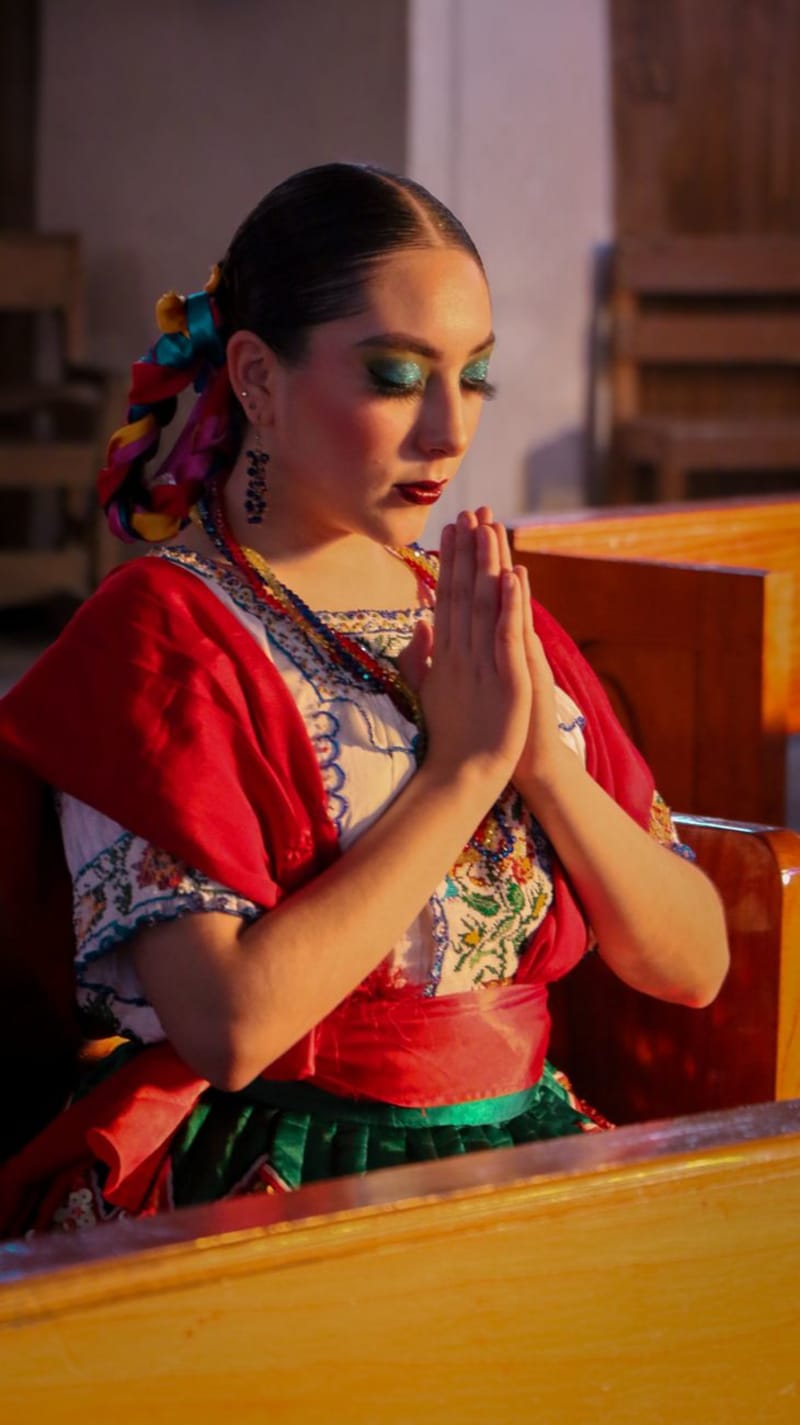
Nombre de Dios has been continuously inhabited since 1562, founded by Francisco de Ibarra as one of the first Spanish settlements in the north. The Ex-Convento de San Francisco anchors everything — a late-sixteenth-century Franciscan complex with original cloister frescoes where indigenous faces appear in European religious scenes, a collision of worlds painted directly onto the stone. I arrived in the afternoon and had the place entirely to myself for the better part of an hour.
Explore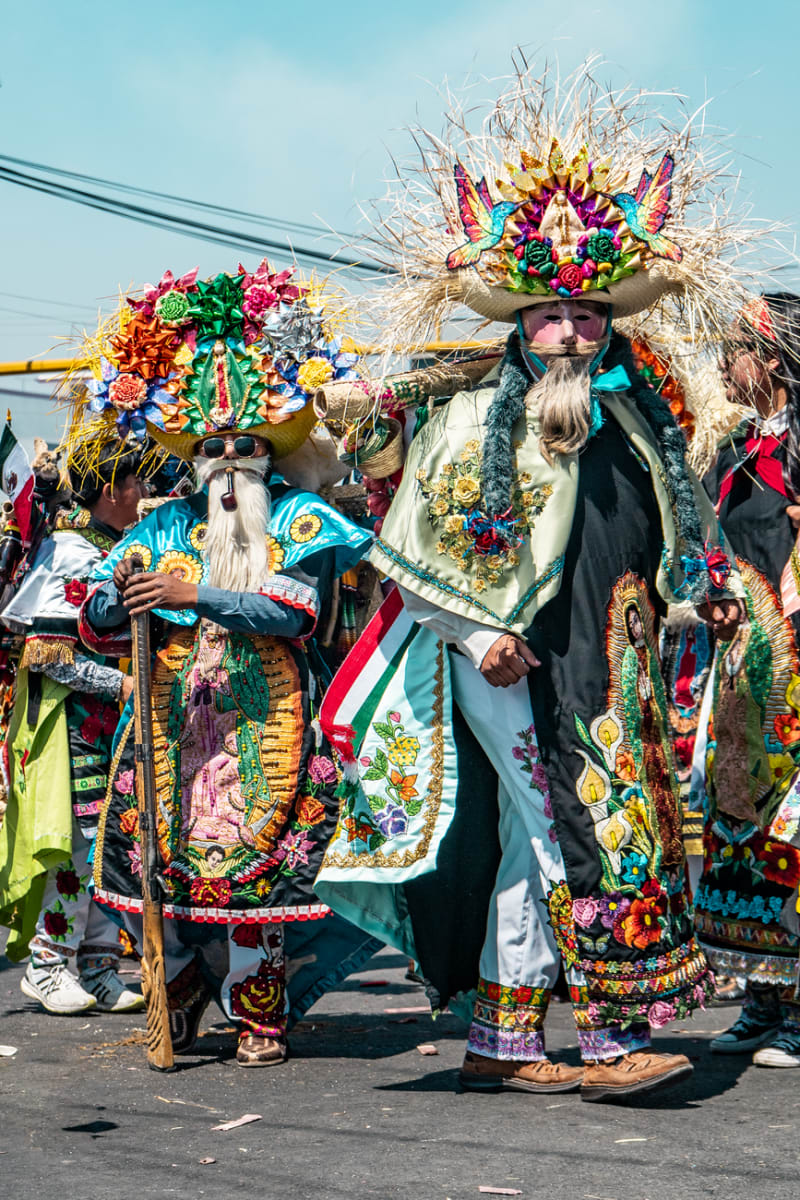 mexico
 Canatlán
Set at over 2,000 meters in the Durango highlands, Canatlán is apple-and-pear country with a mining-era centro that feels more Colorado than Sinaloa. The Valle del Guadiana turns deep green in summer, and the air has a sharpness you don't expect from a Mexican afternoon.
Explore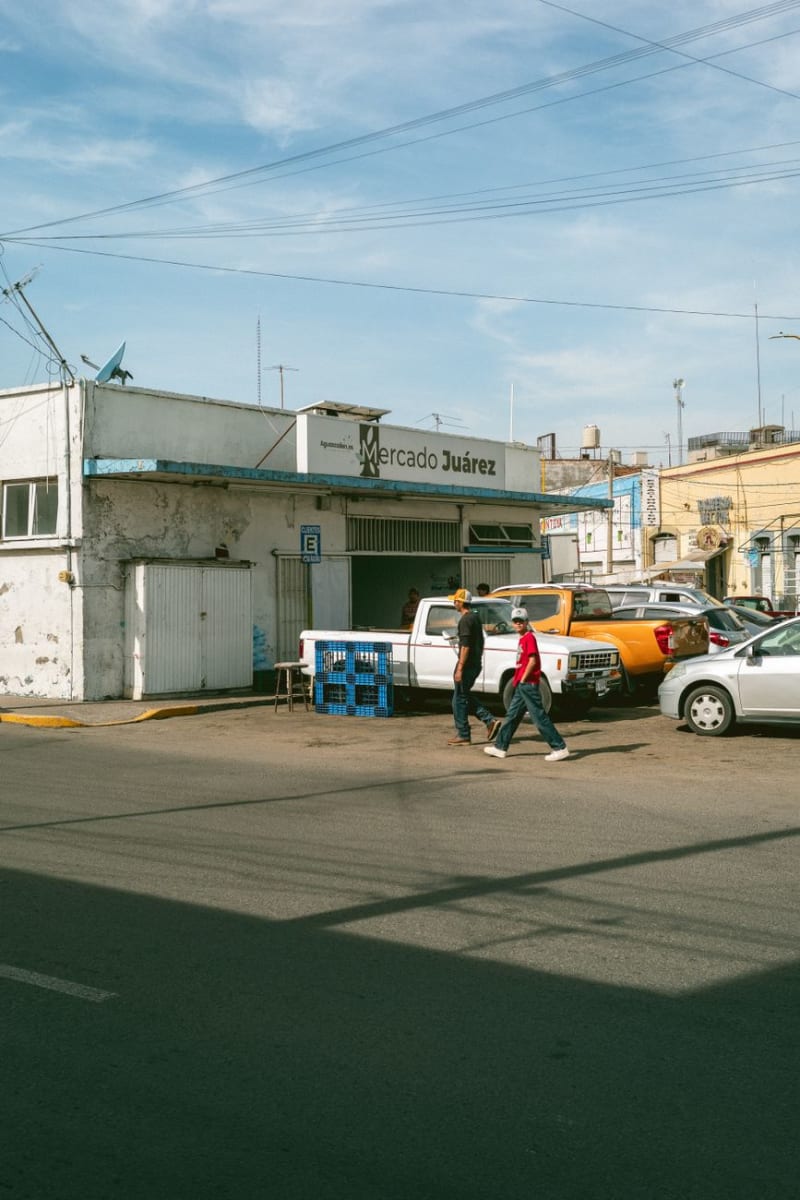 mexico
 Canatlán
Canatlán occupies a high plateau between Durango city and the sierra, where volcanic ridges frame a valley that produces extraordinary strawberries and regional mezcal in equal measure. It is a place that earns its reputation quietly, through what you eat and drink rather than what you photograph.
Explore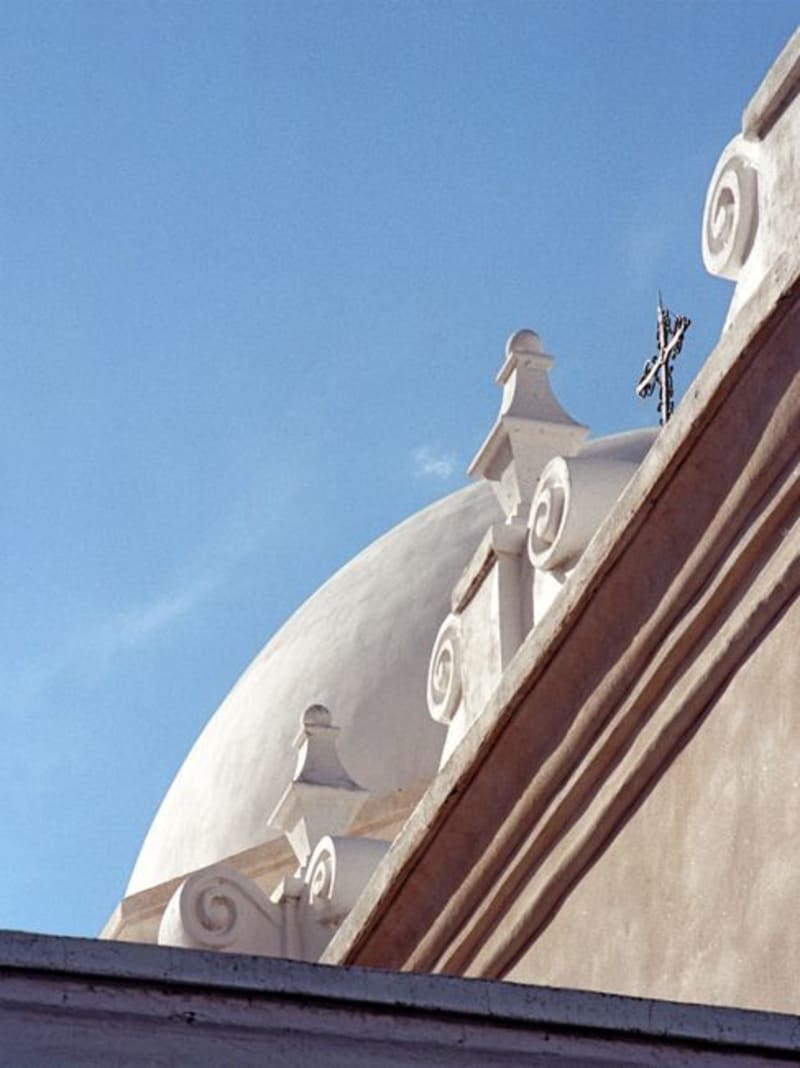 mexico
 Súchil
A small town in the Durango highlands where a well-preserved 17th-century Franciscan mission shares the itinerary with the Yerbanís — a cluster of volcanic tuff pillars eroded into improbable shapes that rise from the surrounding plateau.
Explore mexico
 Vicente Guerrero, Durango
A Mennonite farming valley in the Sierra Madre foothills where Low German is spoken beside irrigation channels heavy with apples. August brings a festival that fills the air with cider and a quiet surreality particular to northern Mexico.
Explore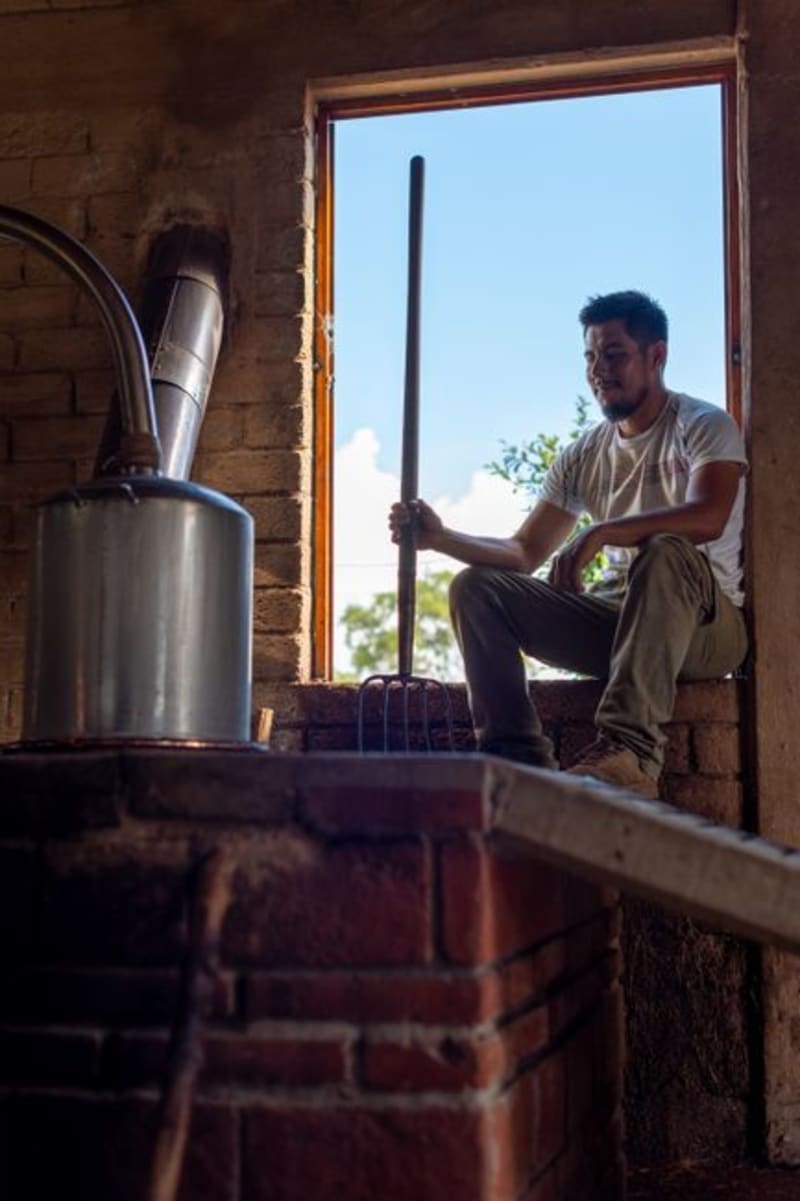 mexico
 San Juan del Río, Durango
A mezcal-producing village tucked into the rocky draws of the Durango Sierra Madre, where clay-pot distilleries have been operating the same way for two centuries. This is not the Querétaro San Juan del Río — this one is quieter, harder to reach, and worth every kilometer of dirt road.
Explore