Cuencamé
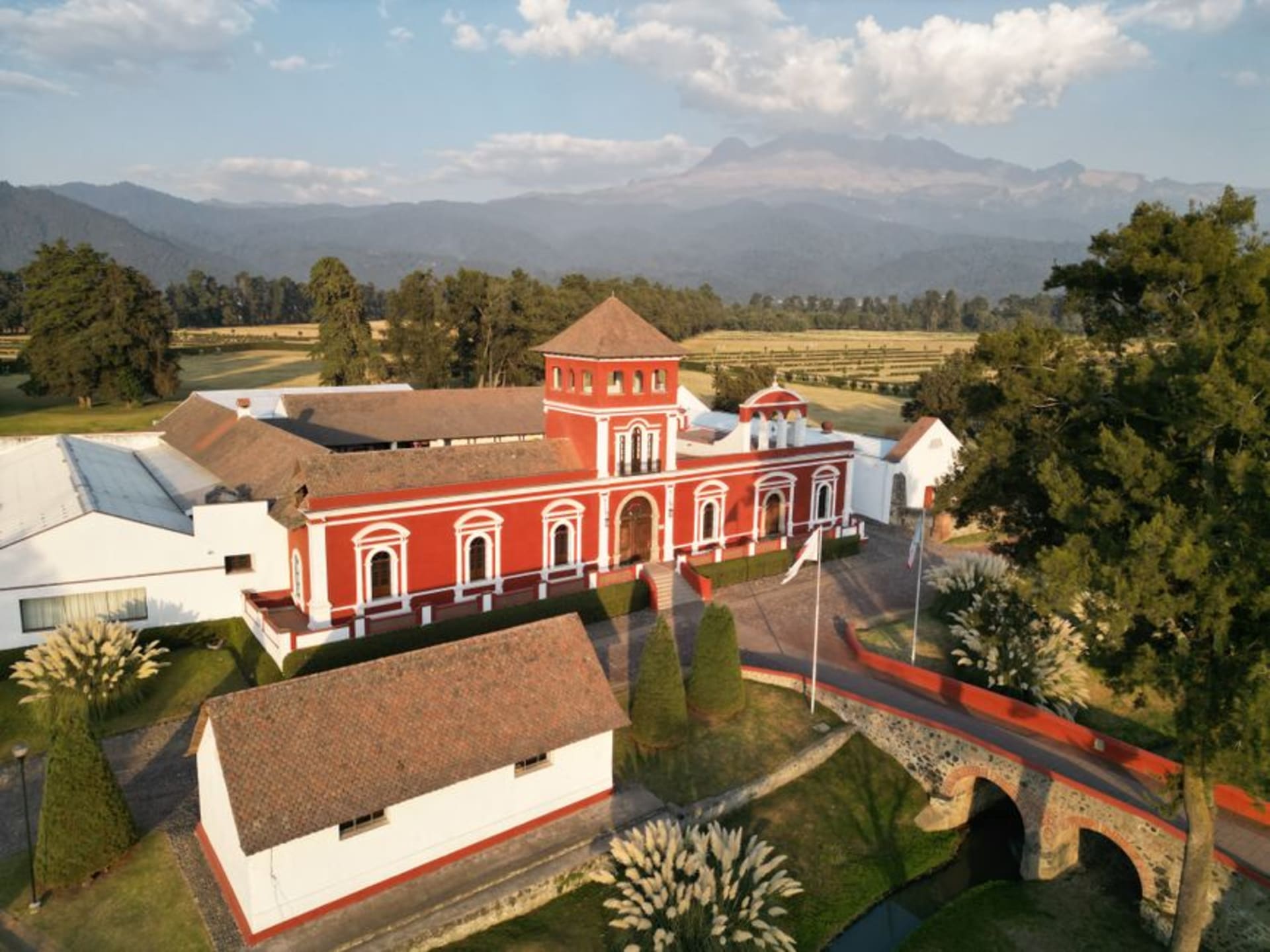
"This is the northern Mexico people imagine before they arrive: haciendas, cattle, dust, and a church tower visible from everywhere."
Cuencamé sits in the Durango lowlands where the sierras give way to ranching country, its colonial haciendas still defining the landscape after four centuries of cattle and silver. It is quietly becoming wine territory, though the world has not caught up to that fact yet.

I came into Cuencamé from the south, after two hours on a highway that unspools from the Sierra Madre like an exhale. The mountains release you abruptly — one curve and the land flattens, pale and wide, the color of dry grass in July. The tower of San Francisco appeared before anything else: before the gas station, before the first carnitas stand on the roadside, rising above the rooflines with the calm authority of something that has marked this spot for four centuries. I had been told Cuencamé was a place people passed through. I pulled over anyway.
What Four Centuries Actually Looks Like
The haciendas are what define Cuencamé’s visual identity, and they are not subtle about it. The walls of the old estates — some still working, some converted, some simply standing — push right up against the municipal roads as though the town grew around them as an afterthought, which is essentially what happened. The wealth that built them came from silver, from the mines in the sierras to the west, but what sustained them was cattle. The Durango lowlands have been ranching country since the 1600s, and you feel that continuity in how men here still talk about their animals with the specificity Parisians reserve for neighborhoods.
The most intact hacienda near town dates from the 18th century, its stone portal archway solid enough to look like it resents the word restoration, its small capilla still used for baptisms. I spent a morning walking the perimeter road, past corrals and horse paddocks that have barely changed in function, only in the brands on the gates. The dust that morning was the specific orange-red of Durango earth, and it settled on my boots and did not come off for days.

Caldillo Durangueño at Seven in the Morning
The market on Calle Hidalgo opens before seven, when the ranchers have already been at work for two hours. The produce is local and seasonal in the way markets were before supply chains homogenized everything: squash, dried chiles, fresh cheese from surrounding ranchos, corn tortillas thicker and slightly sweeter than what I’m used to in Oaxaca. The thing nobody tells you about Durango food is how casually excellent the beef is — not as a point of pride, simply as a baseline assumption. Caldillo durangueño, the regional stew of beef with green chiles and dried tomatoes, was on the menu at the fondas lining the market’s eastern wall from the moment they unfolded their first chairs.
I ate at a counter where the woman running the stove asked where I was from. When I said Puerto Escondido, she nodded seriously and said the coast was very hot. I agreed. She ladled me more caldillo.

Before Someone Else Finds the Vineyards
I am aware this observation will date the article: the vineyards around Cuencamé are not yet known. A handful of small producers have been working the altitude — around 1,800 meters — and the temperature swings between day and night that make this region interesting for grapes. The wines I tried were uneven in the way early wine regions always are: one bottle very good, one not quite there, both clearly made by people who understand what they are doing and are learning their terroir in real time. The comparison to Valle de Guadalupe in its early years is inevitable and probably fair. I bought two bottles and carried them north to Durango city. I would not wait too long.

Getting There
Cuencamé sits on Federal Highway 40, about 140 kilometers southeast of Durango city — roughly two hours by car. Second-class buses from Durango’s central terminal stop here several times daily; the fare runs under 150 pesos. The town is also reachable from Torreón, Coahuila, about 200 kilometers to the east. Most people arrive by car. There is one small hotel in town, and most visitors day-trip from Durango.
Keep exploring
More of Durango
Keep exploring
More from Durango
 mexico
 San Juan del Río, Durango
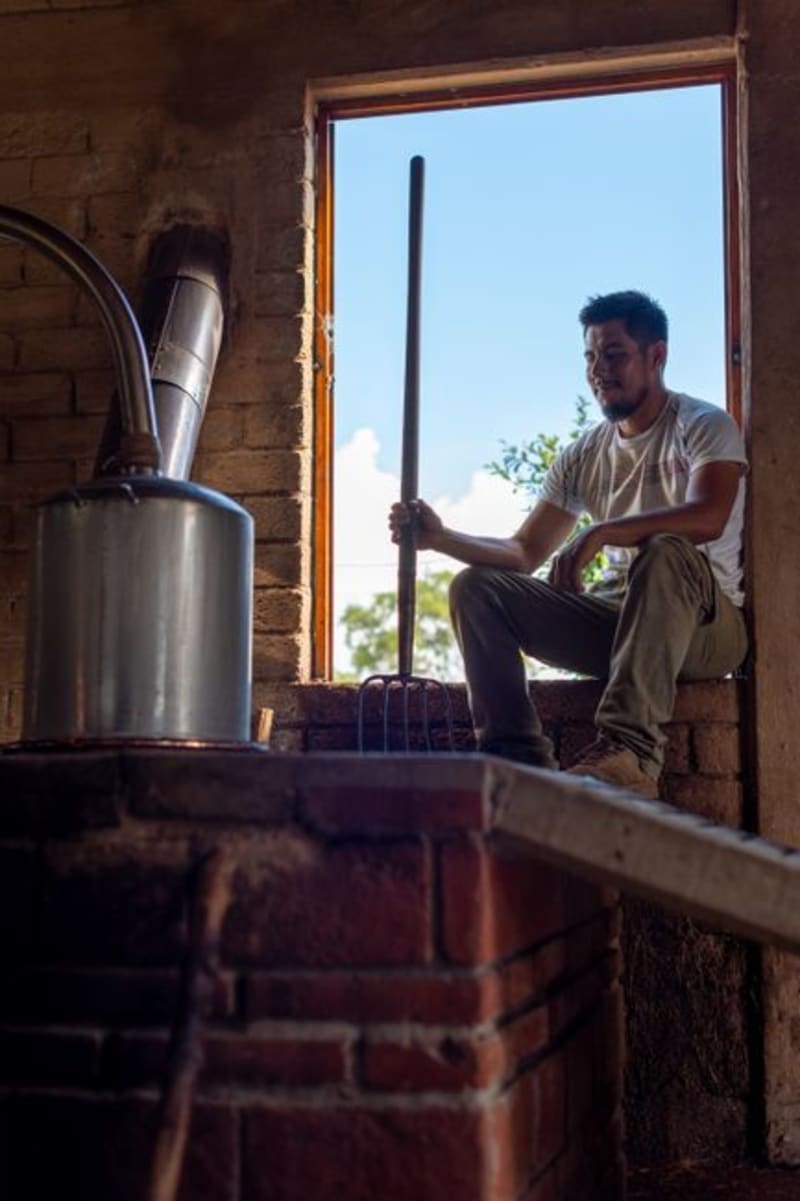
A mezcal-producing village tucked into the rocky draws of the Durango Sierra Madre, where clay-pot distilleries have been operating the same way for two centuries. This is not the Querétaro San Juan del Río — this one is quieter, harder to reach, and worth every kilometer of dirt road.
Explore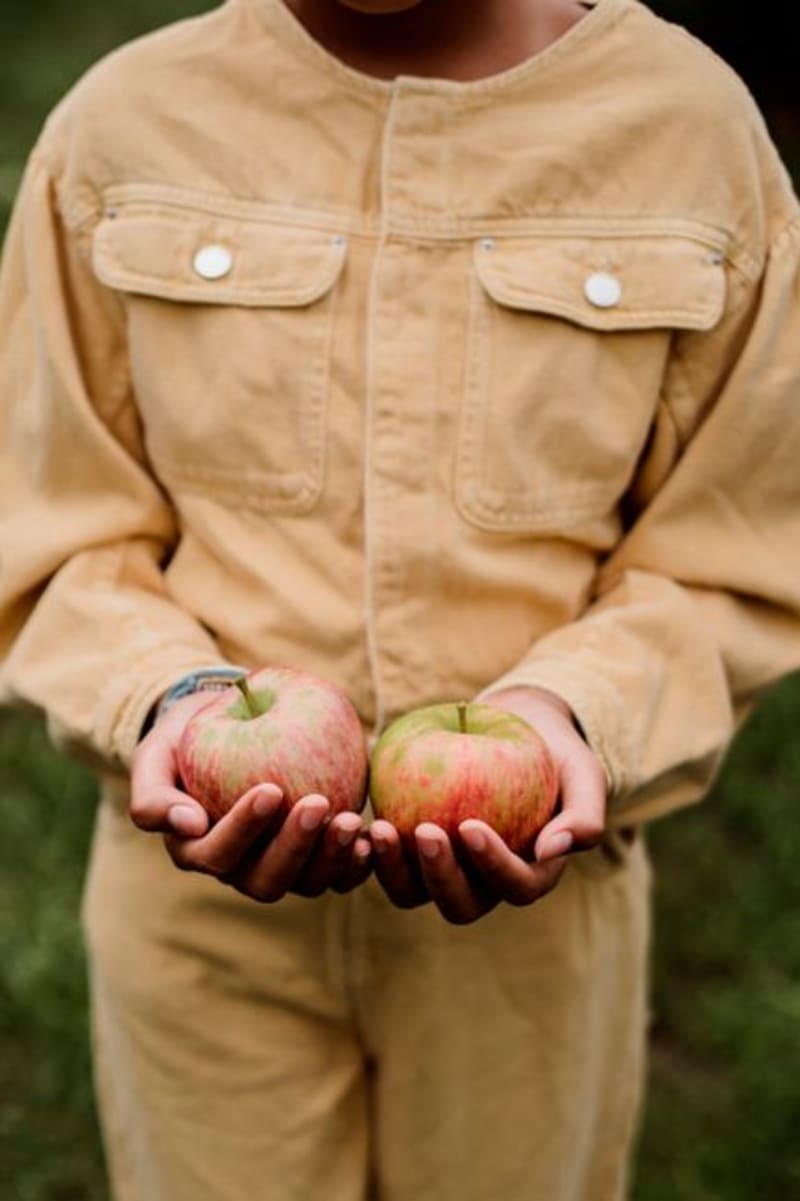 mexico
 Vicente Guerrero, Durango
A Mennonite farming valley in the Sierra Madre foothills where Low German is spoken beside irrigation channels heavy with apples. August brings a festival that fills the air with cider and a quiet surreality particular to northern Mexico.
Explore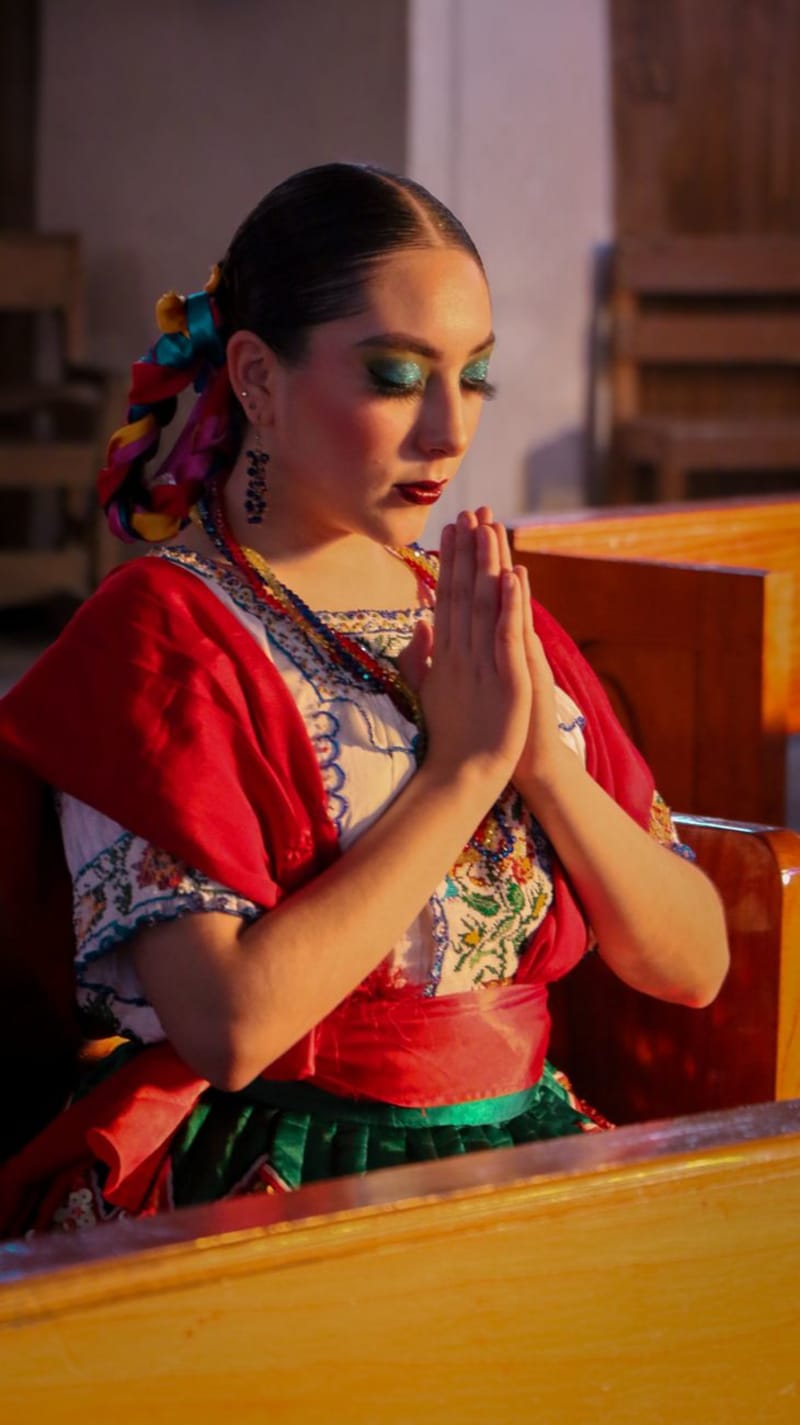 mexico
 Nombre de Dios
Nombre de Dios has been continuously inhabited since 1562, founded by Francisco de Ibarra as one of the first Spanish settlements in the north. The Ex-Convento de San Francisco anchors everything — a late-sixteenth-century Franciscan complex with original cloister frescoes where indigenous faces appear in European religious scenes, a collision of worlds painted directly onto the stone. I arrived in the afternoon and had the place entirely to myself for the better part of an hour.
Explore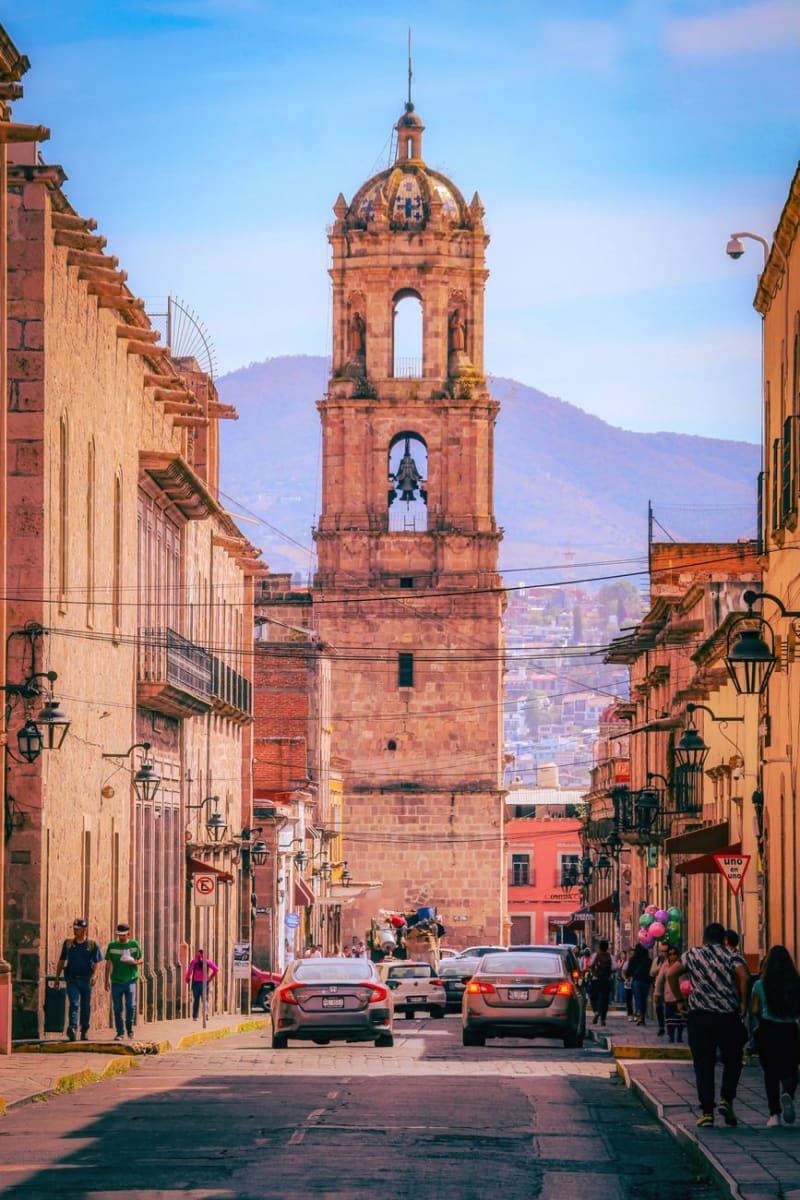 mexico
 Durango City
Durango City is the colonial capital of a state better known outside Mexico for the westerns John Wayne and Sam Peckinpah filmed in its surrounding sierra — the original movie sets are still standing on the edge of town. The historic center has a baroque cathedral, an alley named for its scorpion problem, and a highway to Mazatlán that crosses the Sierra Madre and is one of the most dramatic drives in the country. I arrived having watched a John Ford film the night before and spent the first two hours half-expecting a stagecoach.
Explore mexico
 Canatlán
Set at over 2,000 meters in the Durango highlands, Canatlán is apple-and-pear country with a mining-era centro that feels more Colorado than Sinaloa. The Valle del Guadiana turns deep green in summer, and the air has a sharpness you don't expect from a Mexican afternoon.
Explore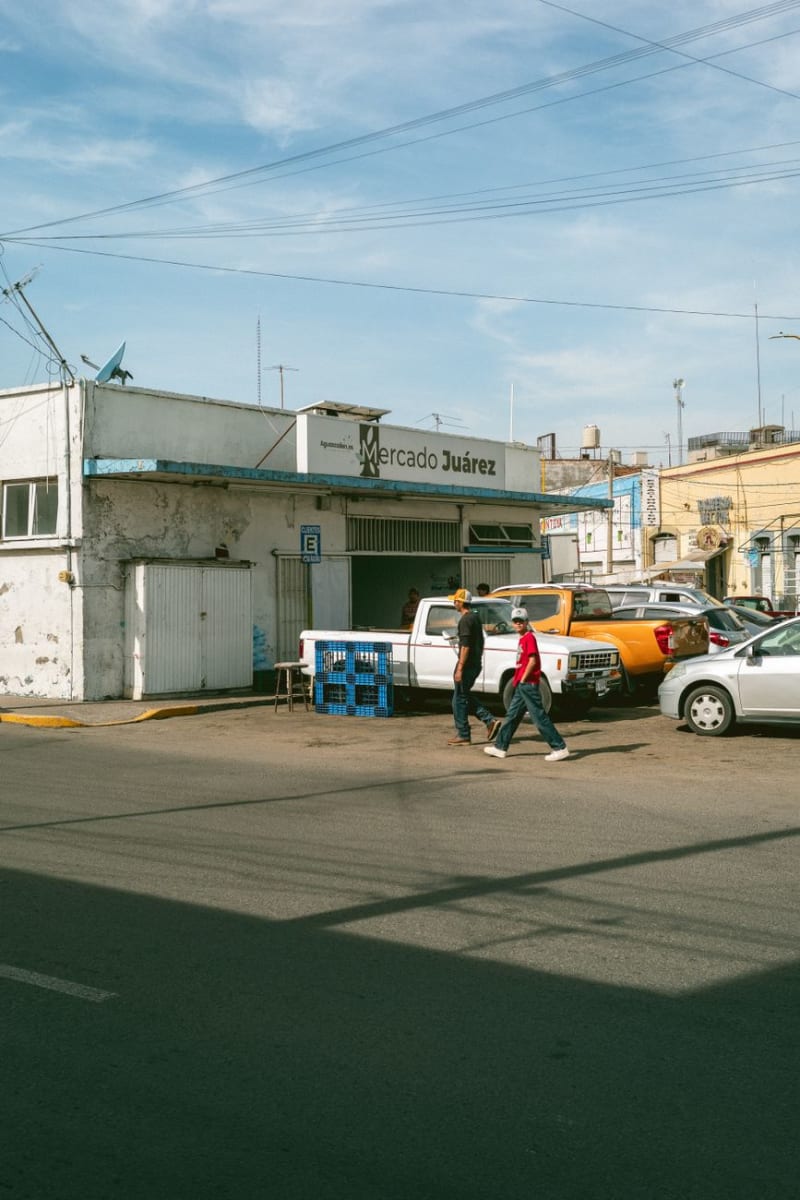 mexico
 Canatlán
Canatlán occupies a high plateau between Durango city and the sierra, where volcanic ridges frame a valley that produces extraordinary strawberries and regional mezcal in equal measure. It is a place that earns its reputation quietly, through what you eat and drink rather than what you photograph.
Explore