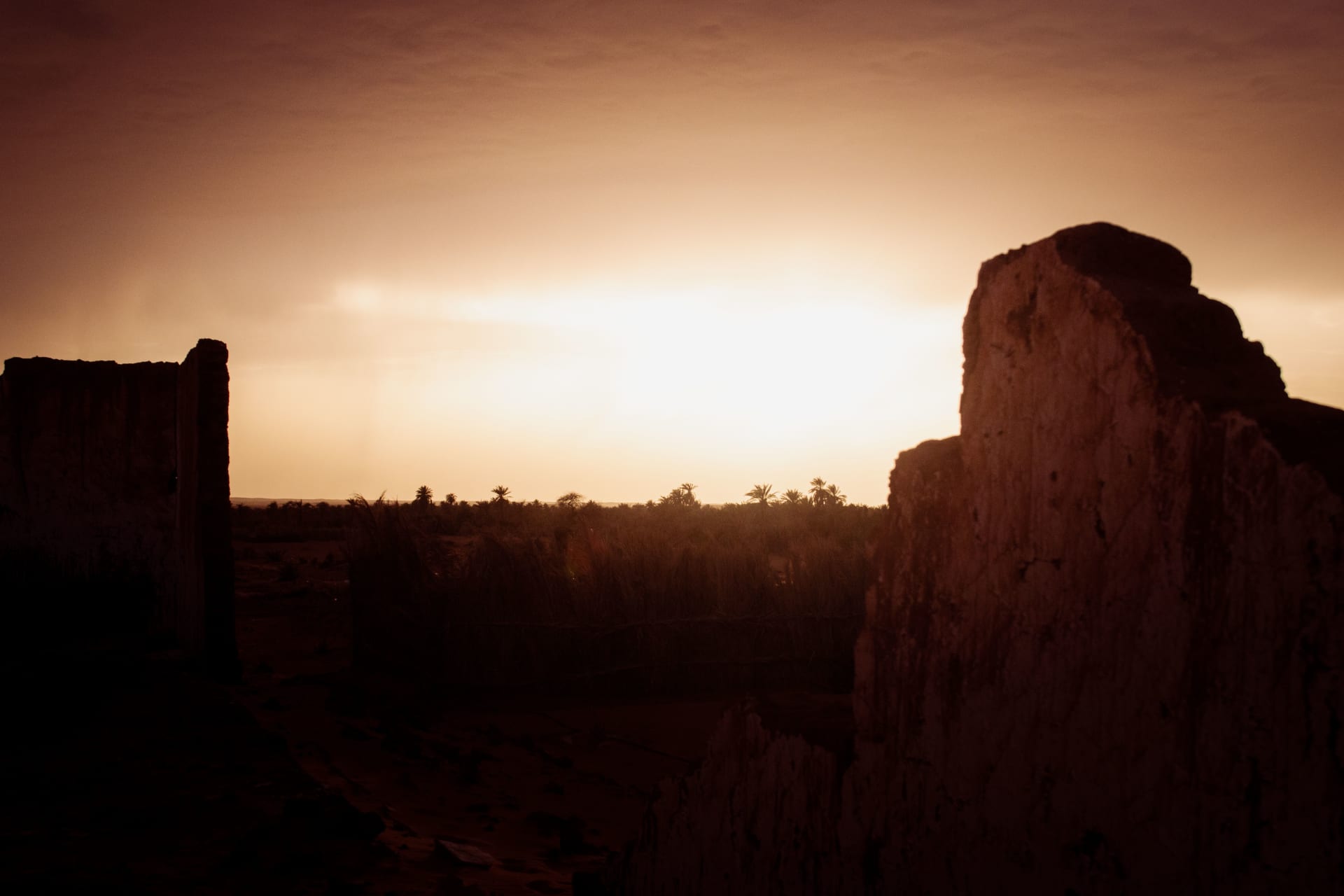
Africa
Libya
"The ruins felt like the end of history and the start of nothing."
Where the greatest Roman city on earth dissolves into the Sahara and almost no one is watching — Libya is the most extraordinary country you are not allowed to visit yet.

I went to Libya in 2018, before things got complicated again — or rather, in a brief pause between complications. The bus from Djerba crossed into Tunisia’s southern fringe and then into Libyan territory without ceremony, the landscape shifting imperceptibly from one flat, sun-bleached scrubland to another. Then Tripoli appeared, and the Mediterranean was impossibly blue against the white Roman arch of Marcus Aurelius standing in the middle of traffic, holding up nothing but the sky.
Leptis Magna is what Libya will be known for once the world is allowed back in. Built under Septimius Severus — born here, then emperor of Rome — it is the largest and best-preserved Roman city in the world, and on the day I visited there were six other people there. Six. No fences, no guided queues, no gift shop pressure. I walked down the colonnaded avenue alone, the column drums half-buried in sand, lizards darting between the carved capitals. The theater’s semicircle of seats looked out toward the sea. I sat in the front row for an hour in the late afternoon light while the stone turned gold and then amber and then the color of old blood. Nothing was performed. It did not matter.
The food in Libya surprised me in the way food always surprises me when I’ve been told a country has none worth mentioning. Bazin — a dense steamed barley dough broken and eaten with a lamb stew — tastes like sustenance in the oldest sense, something designed to keep a person alive in a hard country. Dates from the Fezzan oases arrive at every table as an afterthought that stops the meal cold. The tea is sweet, poured from height to create foam, offered three times in sequence: bitter as death, sweet as love, gentle as life. I stayed for the full ritual each time.
When to go: October to March. The Libyan desert hits 45°C in summer and the coast is not much mercy. Winter brings cool, dry days — ideal for walking ruins and crossing the Sahara without suffering. Spring arrives fast and leaves faster.
What most guides get wrong: They skip Libya entirely, or they reduce it to a security advisory. The reality in the western coastal corridor and the Fezzan interior has been more navigable than headlines suggest for stretches at a time, and the architectural inheritance — Leptis Magna, Sabratha, the old city of Ghadames — dwarfs anything you will find in better-traveled North African countries. Libya is not a destination you can visit thoughtlessly, and it is not one you should. But calling it simply “dangerous” and moving on is a disservice. It is one of the most significant pieces of the ancient Mediterranean world, mostly untouched, waiting for the political weather to change.
Explore
Places in Libya
 libya
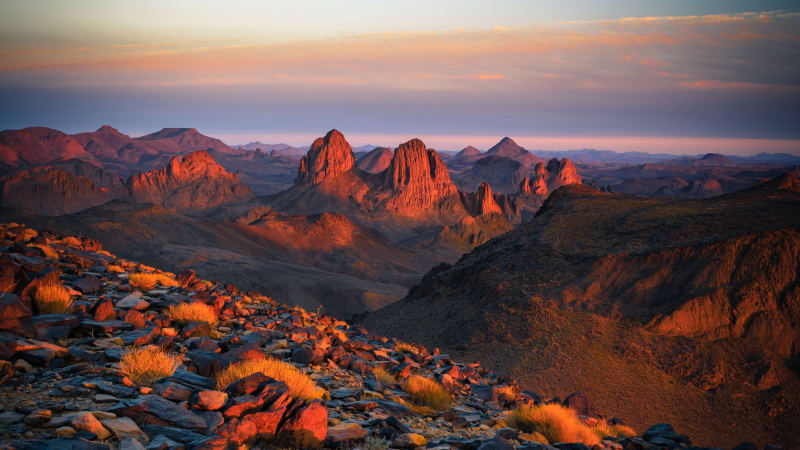
libya Akakus Mountains
Prehistoric rock paintings hidden in Saharan sandstone — twelve thousand years of human art in a landscape that no longer resembles the world that made it.
Explore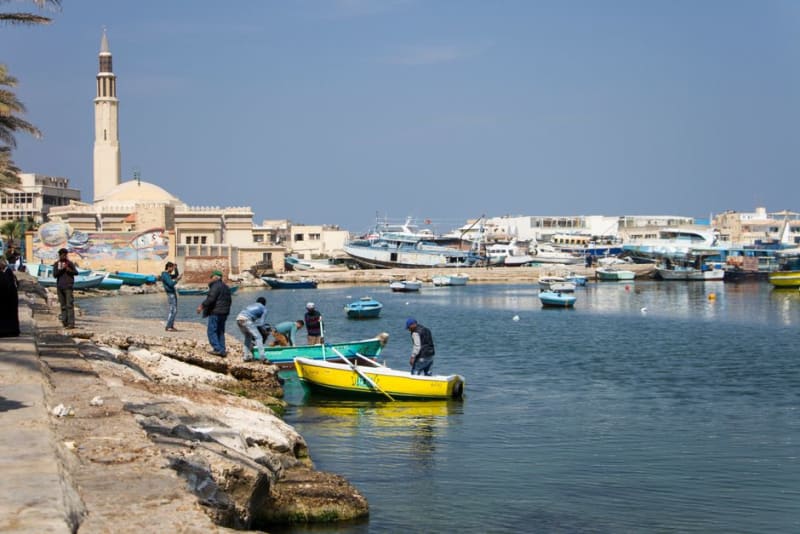 libya
libya Al-Khoms
A working fishing town on the coast road, useful mostly as the quiet gateway to the Roman ruins of Leptis Magna next door.
Explore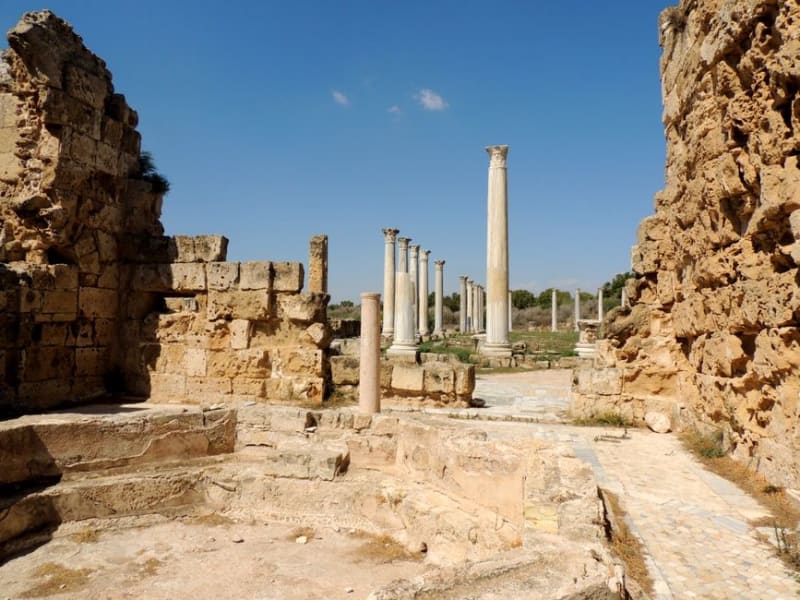 libya
libya Apollonia
The drowned port of ancient Cyrene, where Greek columns and Byzantine basilicas meet a coastline that has been quietly sinking for two thousand years.
Explore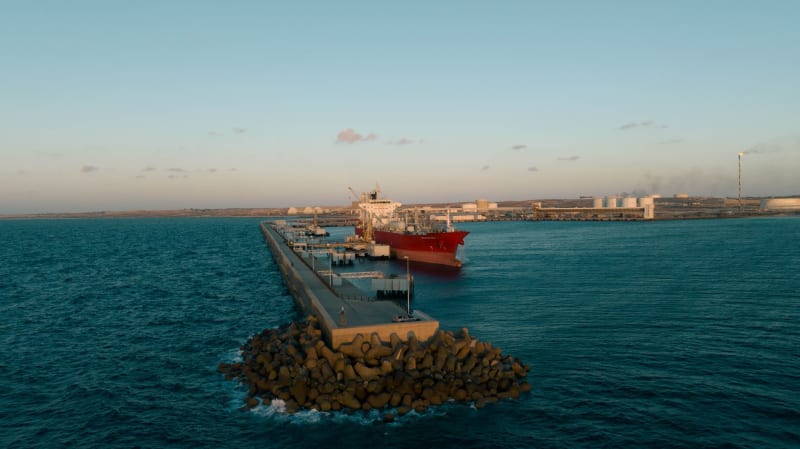 libya
libya Benghazi
Libya's second city, complicated and coastal, where the corniche still curves along a sea that has a particular shade of green I have found nowhere else on the Mediterranean.
Explore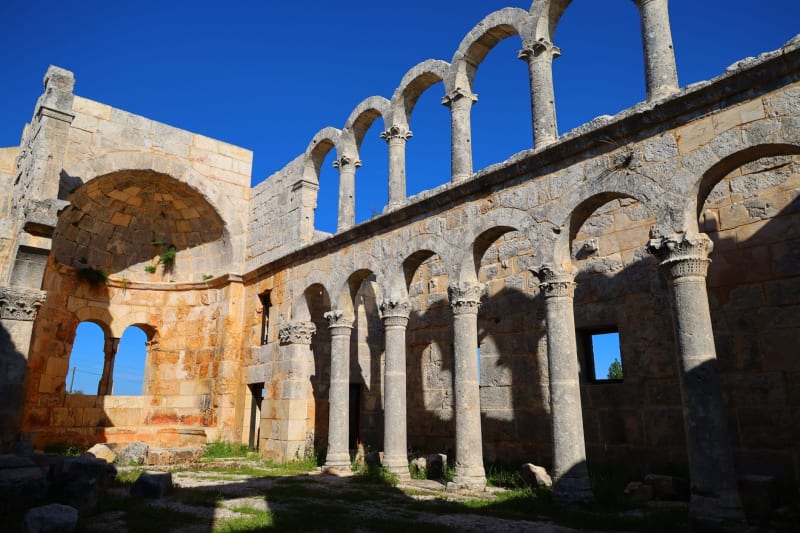 libya
libya Cyrene
Ancient Greece's African colony on a green limestone plateau — the ruins nobody expects to find in Libya, on a hillside that makes you question everything you thought you knew about North Africa.
Explore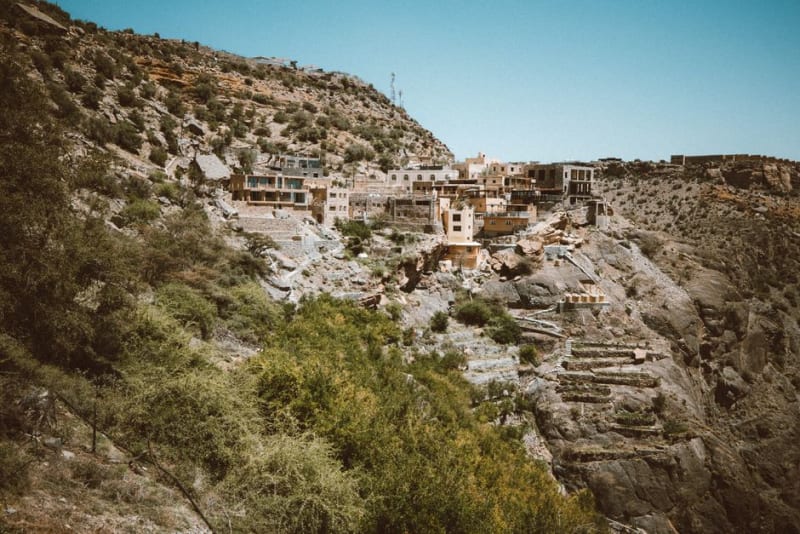 libya
libya Derna
A shattered coastal city beneath a green escarpment, where palm groves and a devastating flood have written two very different chapters.
Explore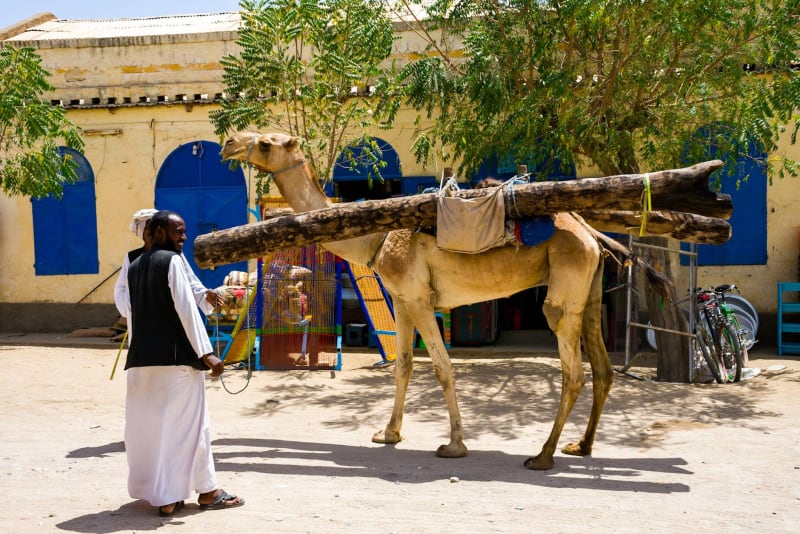 libya
libya Ghadames
A thousand-year-old mud-brick oasis city at the junction of three deserts, where the streets are roofed tunnels and the architecture is a thousand-year argument with heat.
Explore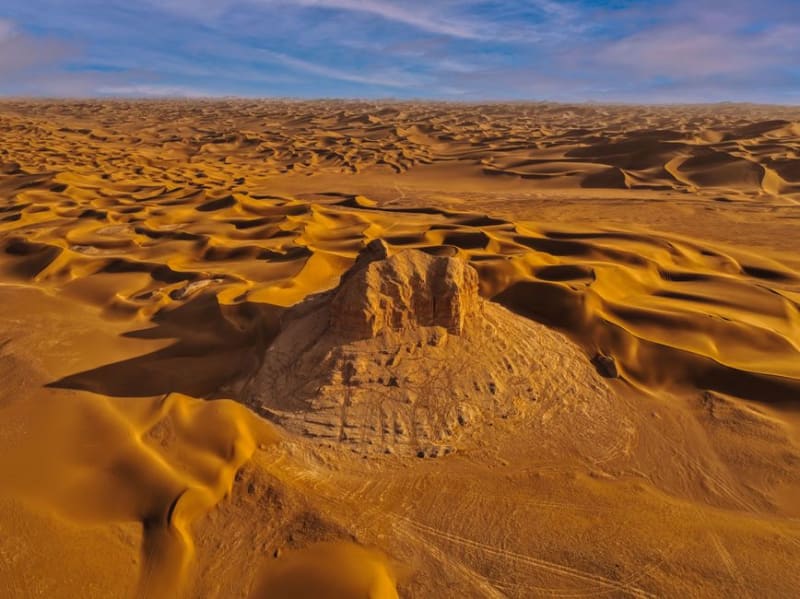 libya
libya Ghat
An oasis of mudbrick and Tuareg memory at the foot of the Akakus, where the Sahara's caravan roads once converged.
Explore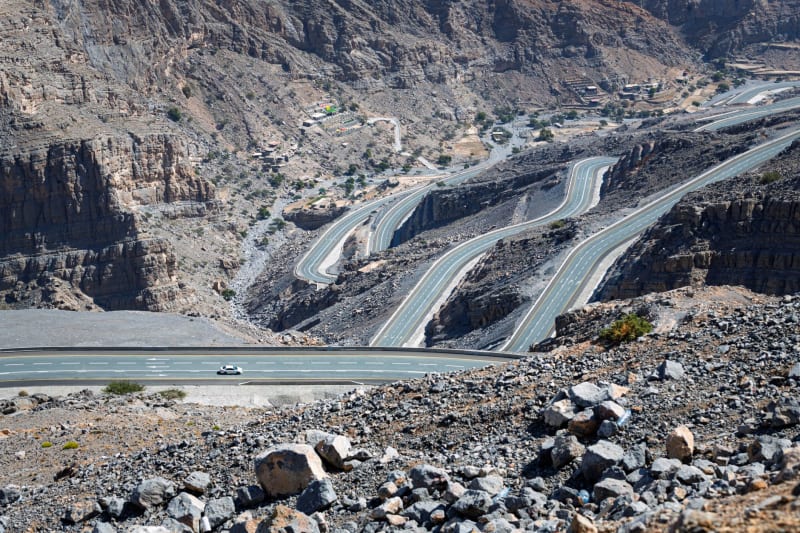 libya
libya Jebel Akhdar
A limestone plateau in northeastern Libya so unexpectedly green that it makes you question everything you thought Libya was — juniper forests, terraced wheat fields, and mist in the valleys.
Explore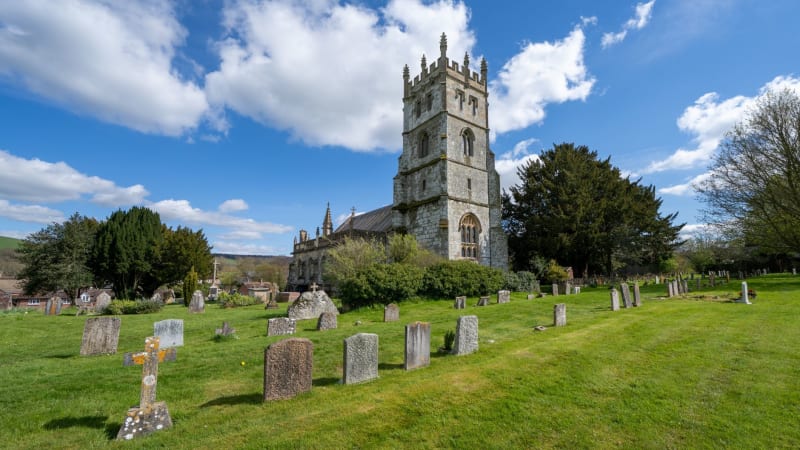 libya
libya Leptis Magna
The largest Roman city on earth buried in Saharan sand, where six visitors on a good day share a colonnaded avenue wider than a motorway.
Explore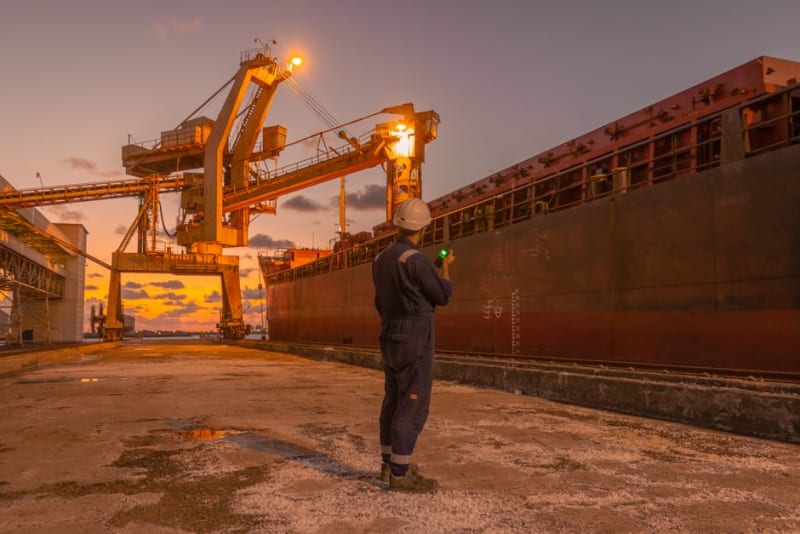 libya
libya Misrata
A gritty, functioning port city where cargo cranes and steel mills tell you more about today's Libya than any ruin does.
Explore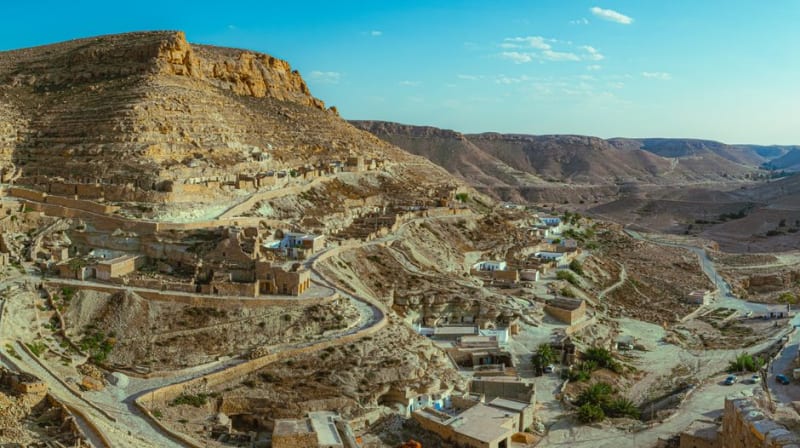 libya
libya Nalut
A Berber hill town clinging to the Nafusa Mountains, anchored by a spectacular fortified granary carved straight into the rock.
Explore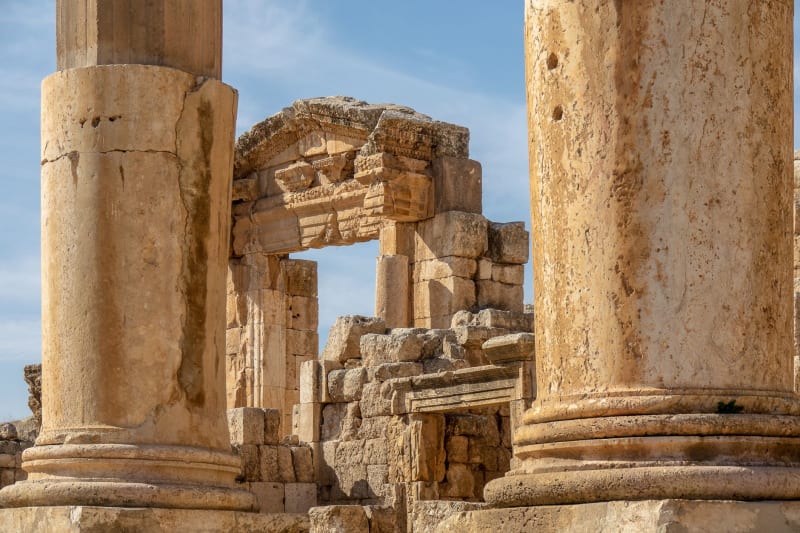 libya
libya Sabratha
A Roman theater whose three-storey stage backdrop faces the open Mediterranean — antiquity's most theatrical view has been waiting two thousand years for an audience.
Explore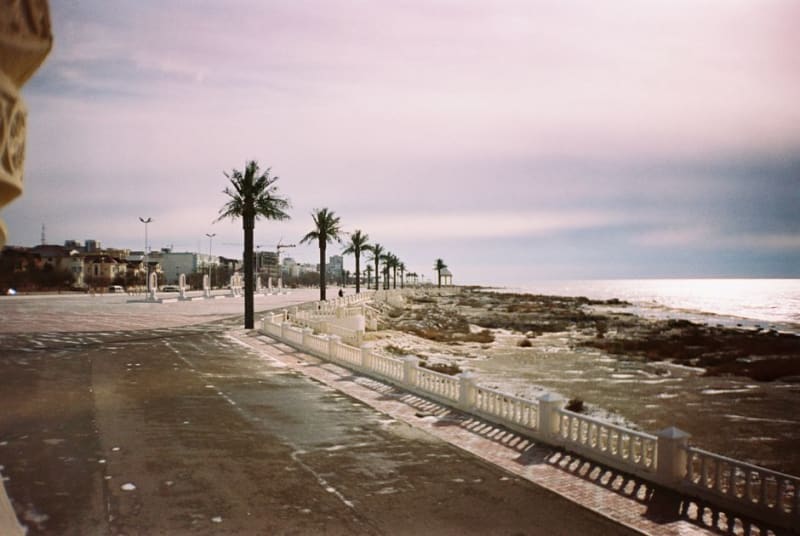 libya
libya Sirte
A quiet, scarred city on the Gulf of Sirte that still carries the outsized shadow of the man who once ruled from here.
Explore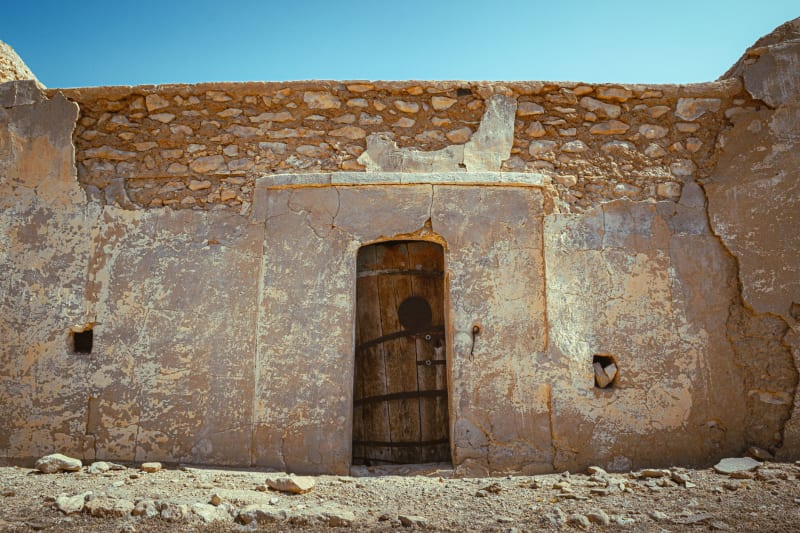 libya
libya Tobruk
A port city defined by the Second World War's most brutal siege, where three different armies left three different cemeteries on the clifftops — each facing the same sea.
Explore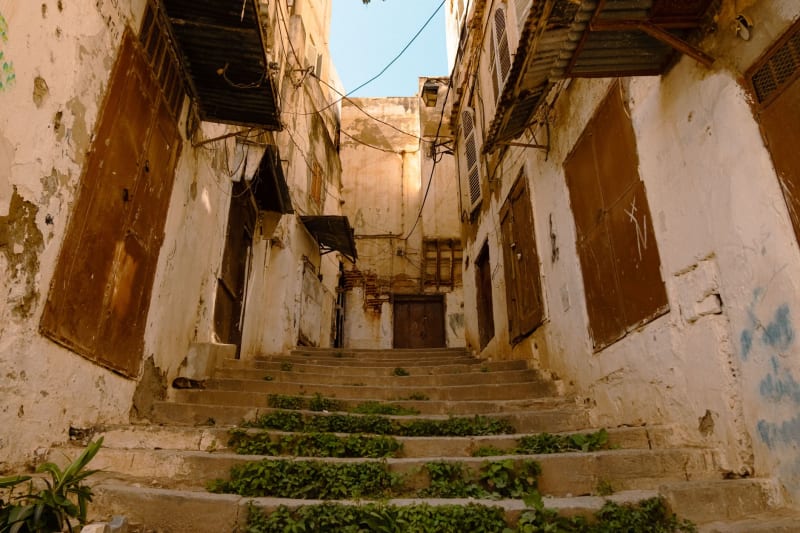 libya
libya Tripoli Old City
A medina where Ottoman mosques, Italian Rationalist boulevards, and a Roman arch standing in traffic all compete for the same narrow space.
Explore