Derna
"I stood on the ridge above Derna and Lia just said, quietly, 'you can see where the water went.'"
A shattered coastal city beneath a green escarpment, where palm groves and a devastating flood have written two very different chapters.

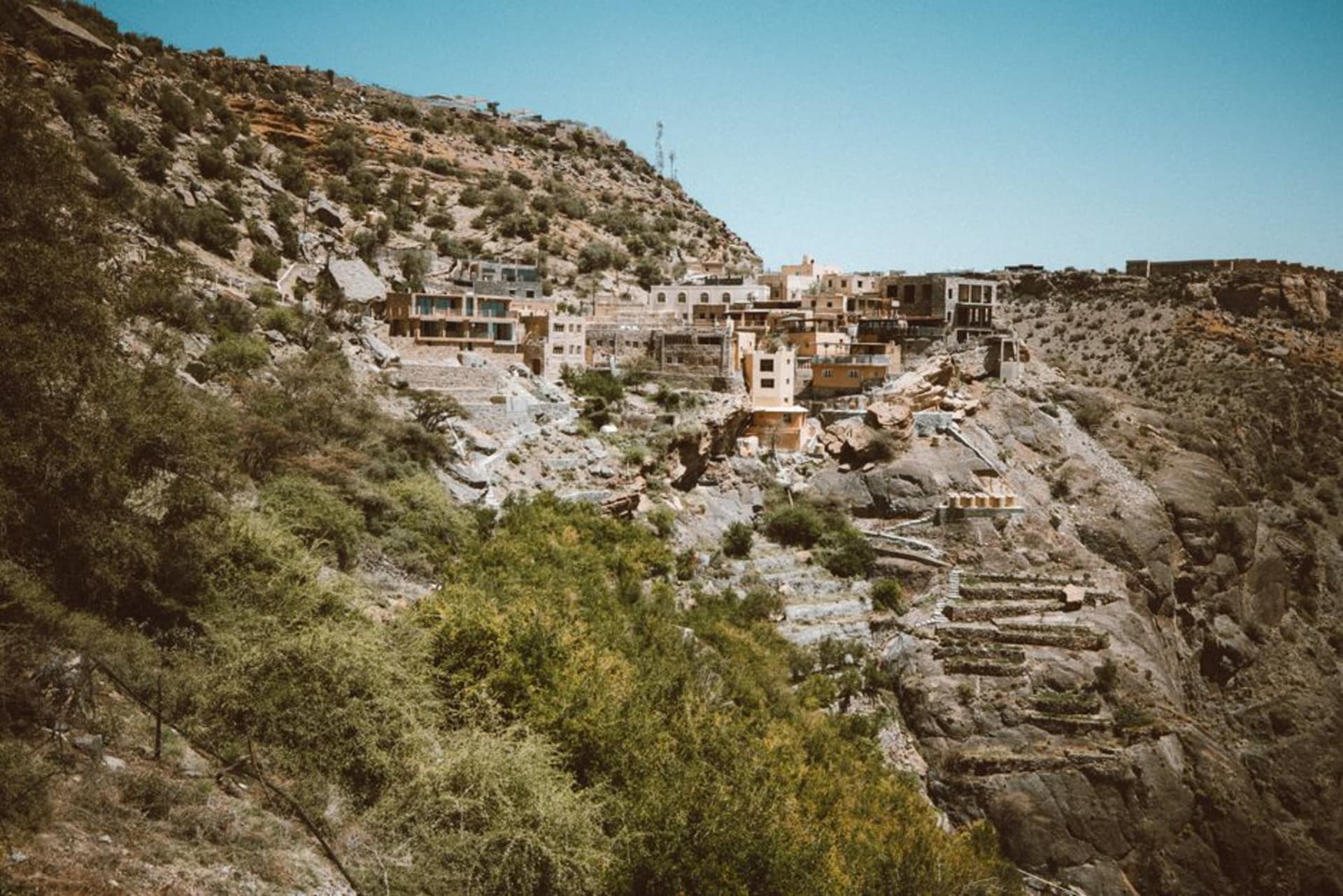
I’ll be honest, Derna wasn’t on any list I’d made before I actually got there. We were driving the coast road east from Benghazi with a fixer named Walid who kept saying “wait until you see the mountain drop into the sea,” and he wasn’t exaggerating. The Jebel Akhdar just falls away above the city, this improbable green wall in a country I’d mentally filed as all desert, and Derna sits tucked underneath it like it’s hiding from something. Which, in a way, it was — everyone we met wanted to talk about the 2023 flood before we’d even asked. Two dams broke above the city and a wall of water erased entire neighborhoods in minutes. Walid pointed out the wadi, now dry and scoured down to bedrock, and said his cousin’s building had been three streets back from where we were standing. It isn’t there anymore.
What surprised me was how much life kept insisting on itself around the wound. The old palm groves that gave Derna its reputation for centuries are still there in patches, dusty green against the rubble, and kids were kicking a ball on a stretch of cleared ground that had obviously been someone’s street a couple years before. Lia bought dates from a stall near the market, papery and sweet, and the woman selling them told us — through Walid translating — that her family had grown palms in the same plot since her grandfather’s time. She wasn’t performing resilience for us. She was just describing her Tuesday.
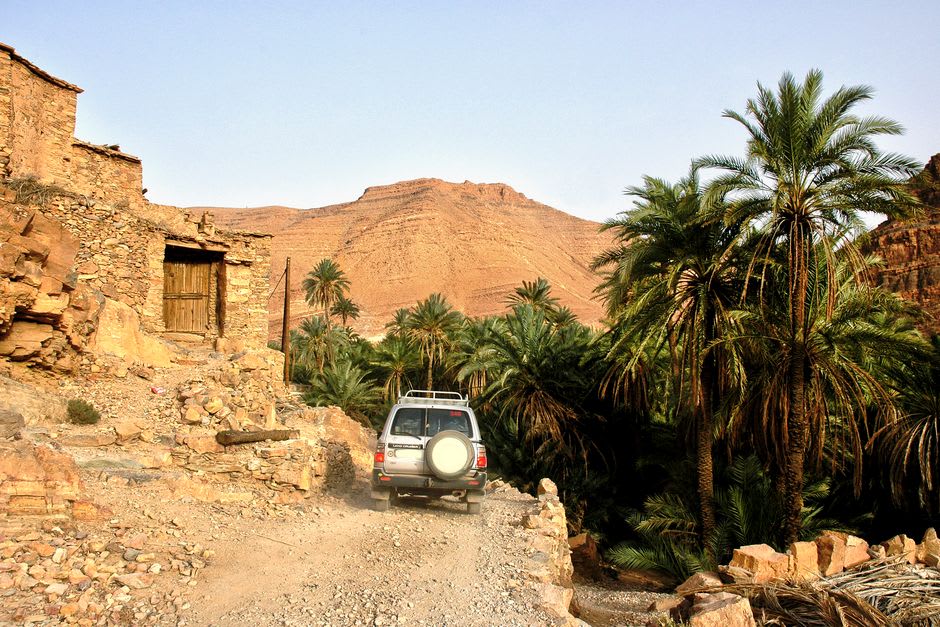
We walked up toward the old Ottoman-era quarter, what’s left of it, and I kept noticing how the architecture told two stories at once: crumbling coral-stone houses with carved wooden doors that predate the flood by centuries, sitting next to fresh concrete and tarps that are the flood’s direct aftermath. A local guy, maybe twenty, showed us where his school used to be. He wasn’t bitter exactly, more matter-of-fact, the way you talk about weather. I didn’t know what to say so I just listened, which is usually the right call in places like this.
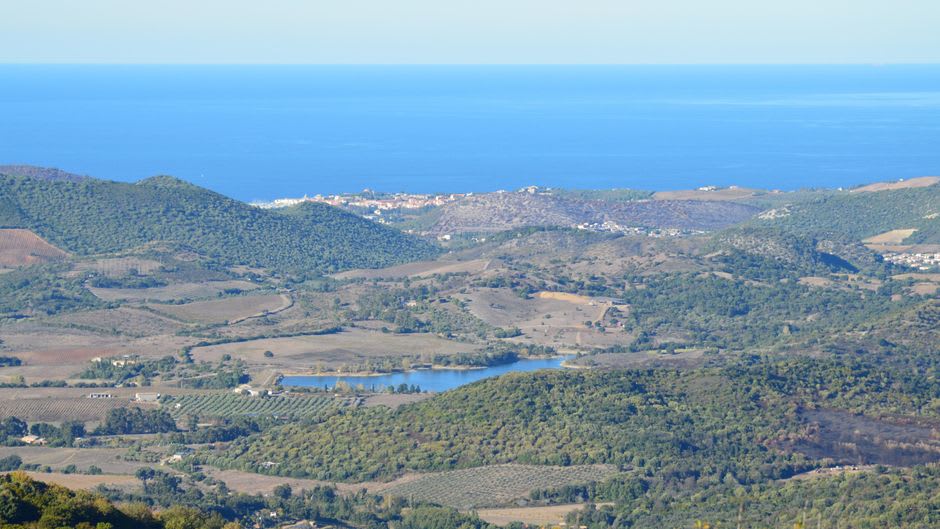
By late afternoon the light changed and the whole scene softened, the sea going that flat pewter color it gets in the eastern Mediterranean, and for a minute you could almost picture Derna the way old photos show it — palm-lined corniche, cafes, families out walking. It’s still there under the surface. Whether that resurfaces is a question way above my pay grade as a visitor passing through for a day.
When to go: Spring (March–May) brings mild temperatures and clearer roads through the Jebel Akhdar; always travel with a trusted local fixer and check current security conditions before going anywhere near eastern Libya.
Keep exploring
More from Libya
 libya
libya Ghadames
A thousand-year-old mud-brick oasis city at the junction of three deserts, where the streets are roofed tunnels and the architecture is a thousand-year argument with heat.
Explore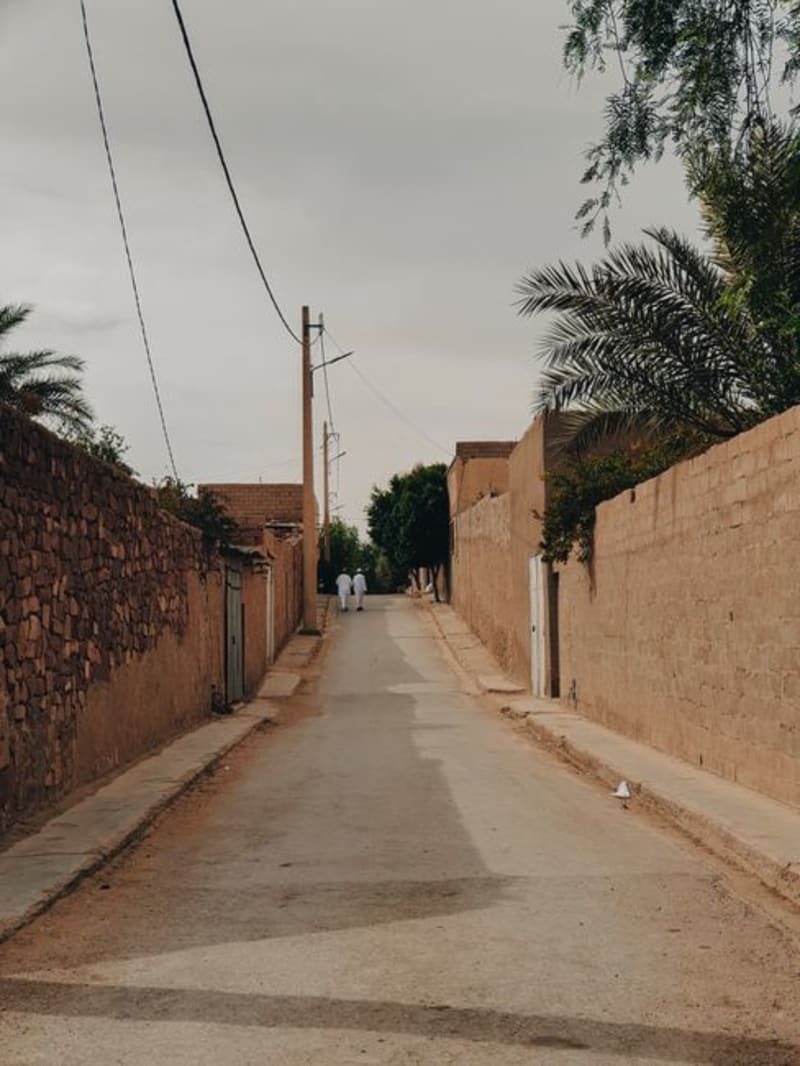 libya
libya Ghat
An oasis of mudbrick and Tuareg memory at the foot of the Akakus, where the Sahara's caravan roads once converged.
Explore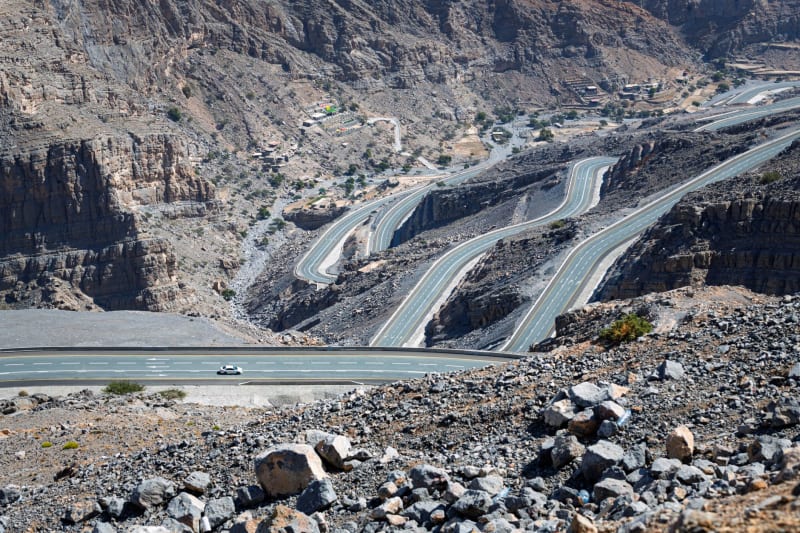 libya
libya Jebel Akhdar
A limestone plateau in northeastern Libya so unexpectedly green that it makes you question everything you thought Libya was — juniper forests, terraced wheat fields, and mist in the valleys.
Explore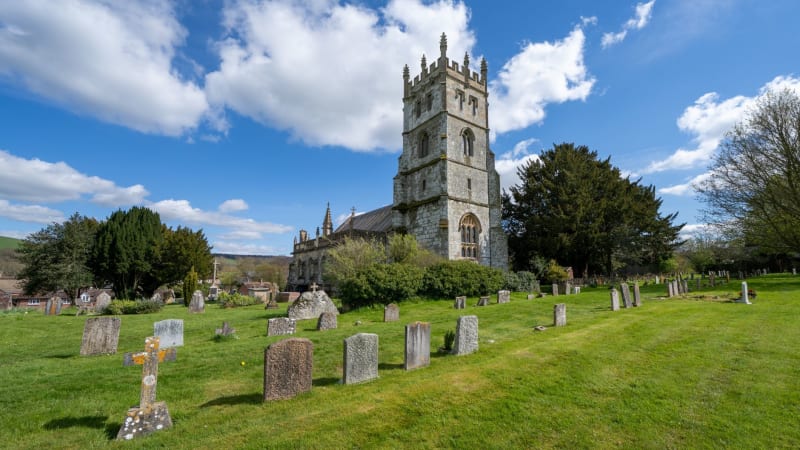 libya
libya Leptis Magna
The largest Roman city on earth buried in Saharan sand, where six visitors on a good day share a colonnaded avenue wider than a motorway.
Explore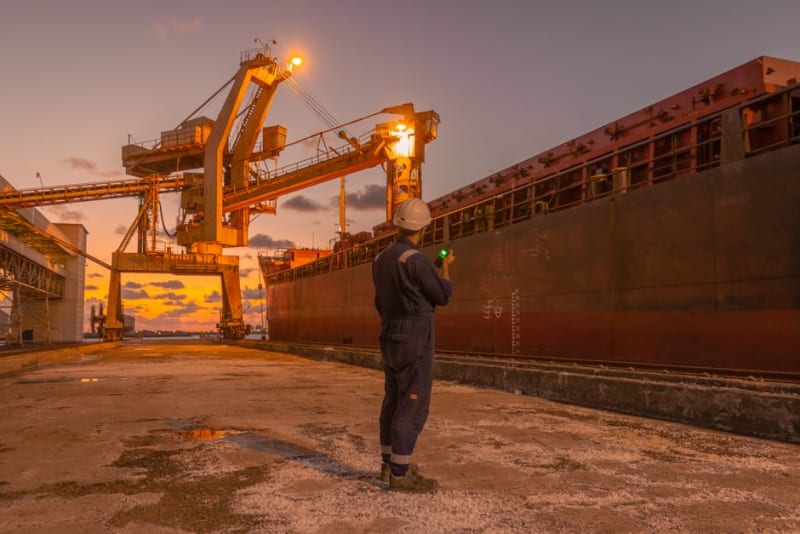 libya
libya Misrata
A gritty, functioning port city where cargo cranes and steel mills tell you more about today's Libya than any ruin does.
Explore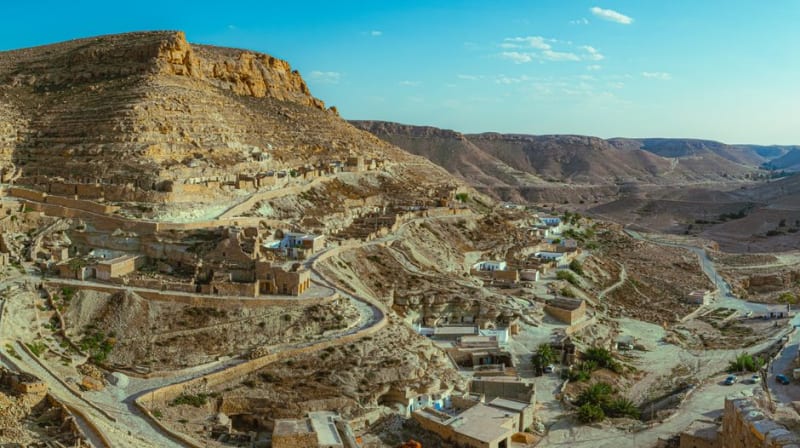 libya
libya Nalut
A Berber hill town clinging to the Nafusa Mountains, anchored by a spectacular fortified granary carved straight into the rock.
Explore