Nalut
"Lia climbed one of the granary's rickety ladders before I could even finish asking if it was safe."
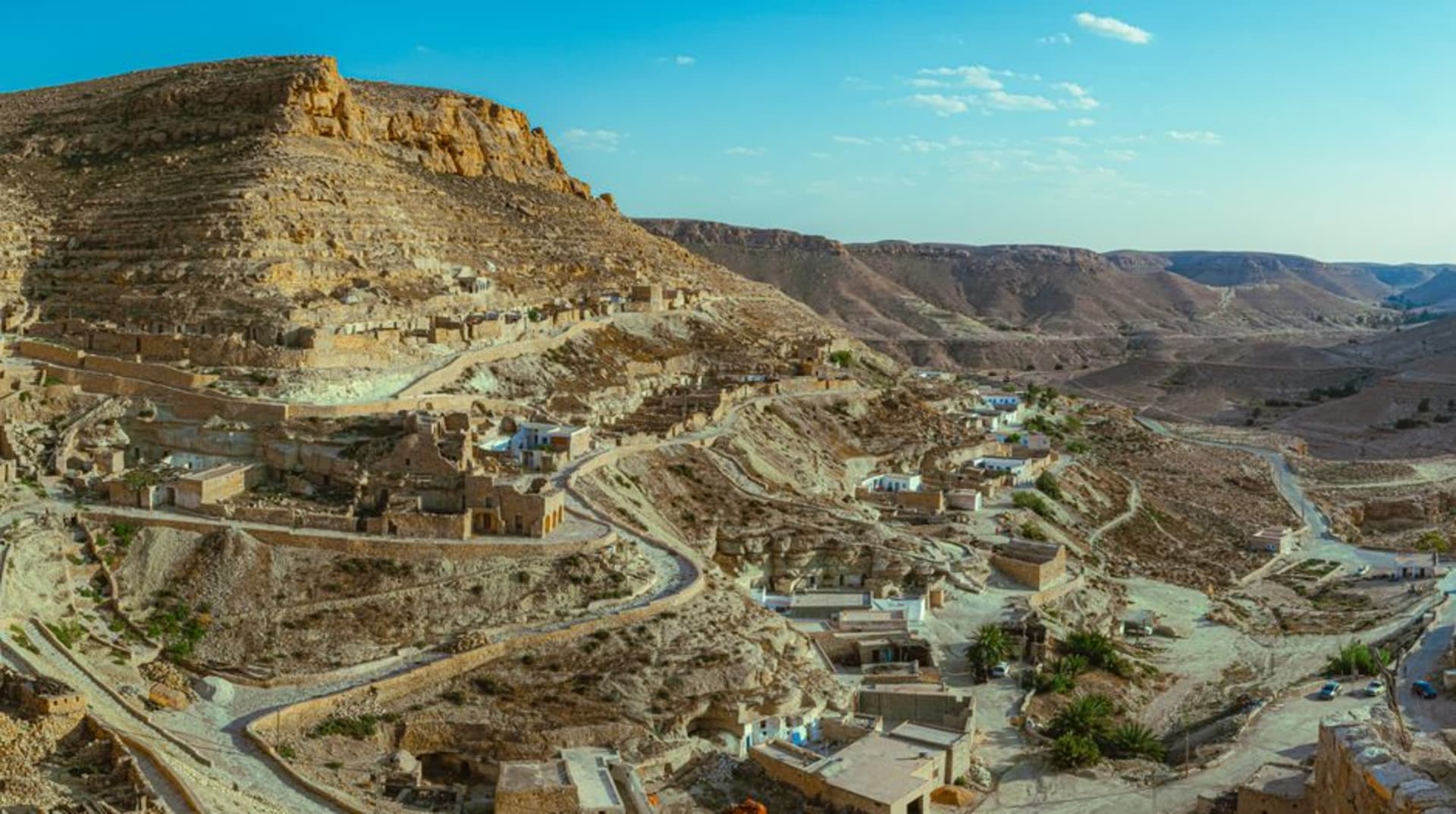
A Berber hill town clinging to the Nafusa Mountains, anchored by a spectacular fortified granary carved straight into the rock.

Nalut was the first place in Libya where I actually felt the altitude change something in me — after days of flat coastal heat, the road climbs up into the Nafusa Mountains and the air just gets thinner and cooler and smells like dust and wild herbs instead of diesel and salt. The town itself spills down a ridge, stone houses stacked on top of each other in that classic Amazigh hill-town way, and everyone we spoke with switched effortlessly between Arabic and Tamazight, which was its own reminder that this part of Libya has its own long, distinct story that predates the coast’s politics by a couple thousand years.
The reason anyone comes to Nalut, though, is the qasr — the fortified granary — and it earns the reputation. It’s this honeycomb of hundreds of individual stone storage cells stacked four and five stories, built centuries ago so families could keep their grain and oil safe during raids and sieges. Our guide, a soft-spoken teacher named Idris who moonlighted showing visitors around, explained that each cell belonged to a specific family and some are still technically owned by descendants who just never bothered to reclaim them. Lia went up one of the interior ladders before I’d even processed how steep it was, and came back down grinning, saying it felt like climbing inside a beehive built by people, which is exactly right.

We wandered the old town after, past abandoned stone houses with doors hanging loose, and Idris kept stopping to point out details — a carved lintel, an old olive press, a cistern that still had rainwater in it. A lot of Nalut’s old quarter has emptied out as families moved to newer housing lower down, and there’s a melancholy to walking through it, all that craftsmanship left to weather.

We ate lunch at Idris’s cousin’s house, couscous with lamb and a fiery harissa I underestimated twice, and the view from their terrace looked straight out over terraced olive groves toward the Tunisian border haze. It’s one of those meals that ends up meaning more to me now than most restaurant dinners I’ve had anywhere.
When to go: Spring and autumn bring cool mountain air without the winter chill; a local guide familiar with the region is essential for both access and context.
Keep exploring
More from Libya
 libya
Sabratha
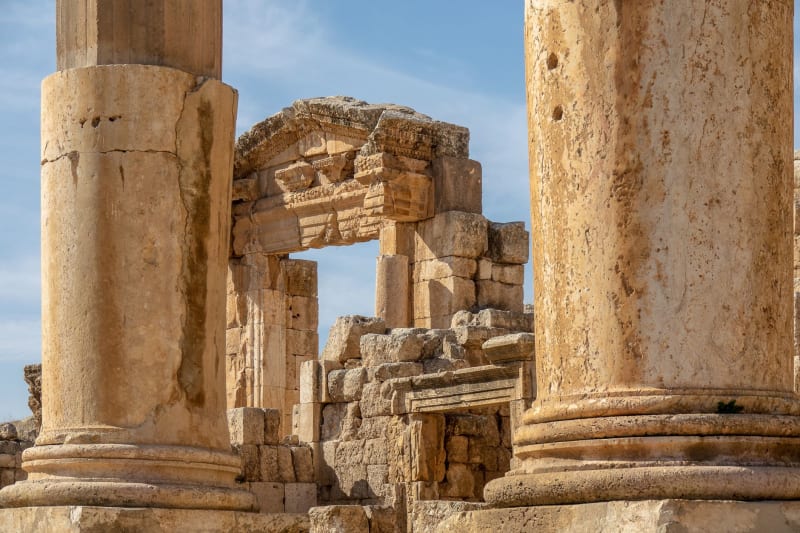
A Roman theater whose three-storey stage backdrop faces the open Mediterranean — antiquity's most theatrical view has been waiting two thousand years for an audience.
Explore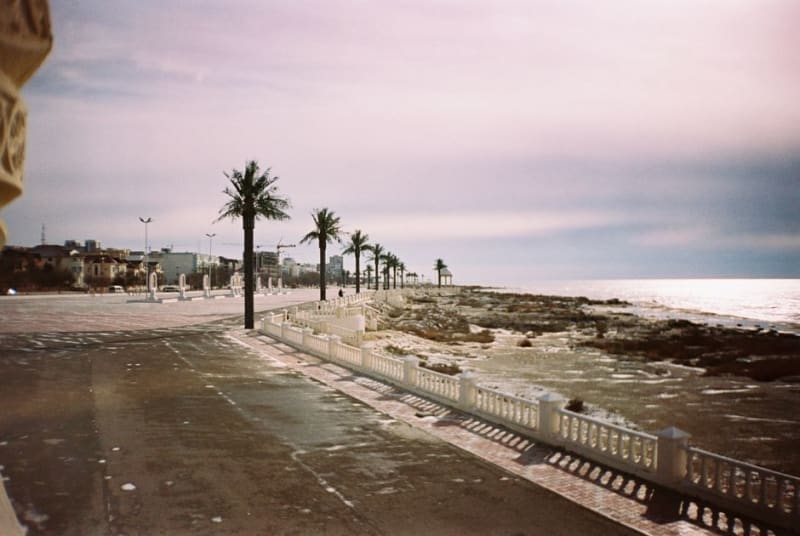 libya
Sirte
A quiet, scarred city on the Gulf of Sirte that still carries the outsized shadow of the man who once ruled from here.
Explore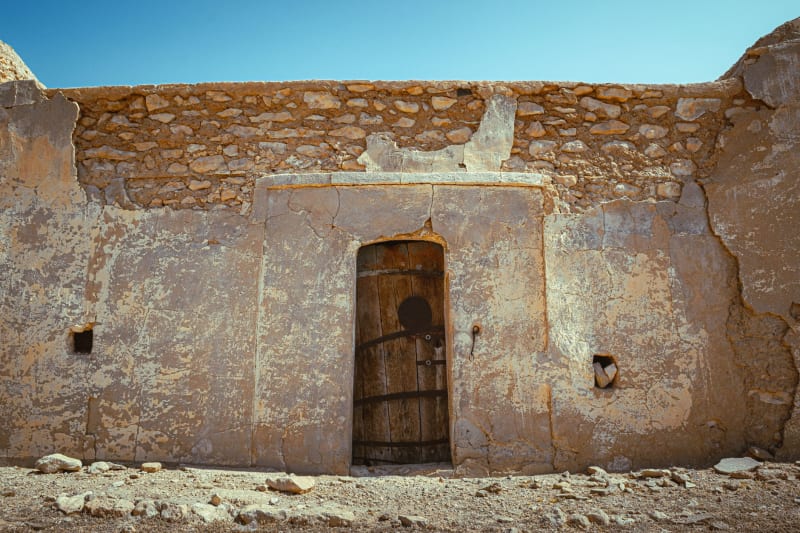 libya
Tobruk
A port city defined by the Second World War's most brutal siege, where three different armies left three different cemeteries on the clifftops — each facing the same sea.
Explore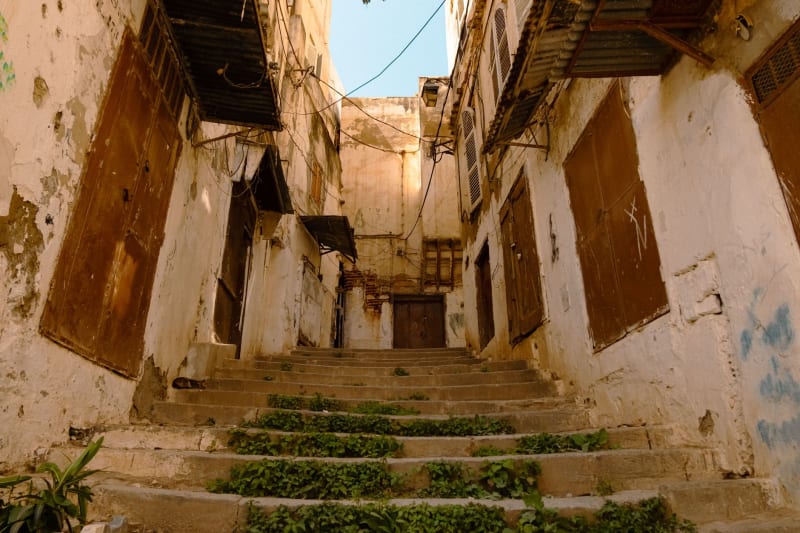 libya
Tripoli Old City
A medina where Ottoman mosques, Italian Rationalist boulevards, and a Roman arch standing in traffic all compete for the same narrow space.
Explore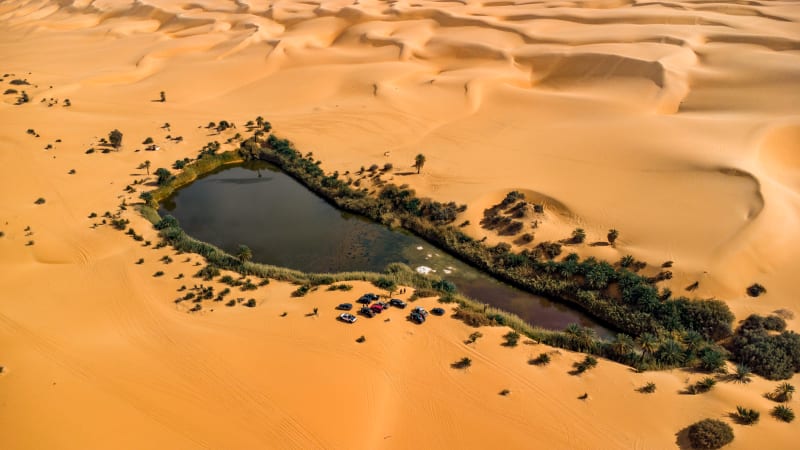 libya
Ubari Sand Sea
Saharan dunes the color of copper hiding improbable salt lakes that reflect the stars with an eerie, buoyant clarity — the most disorienting beautiful place I have been.
Explore libya
Waw an Namus
A black volcanic crater marooned deep in the Libyan Sahara, ringed by jewel-coloured salt lakes and a halo of dark ash in an ocean of pale sand.
Explore