Misrata
"Lia said it felt like the first Libyan city she'd seen that was actually busy building something instead of remembering something."
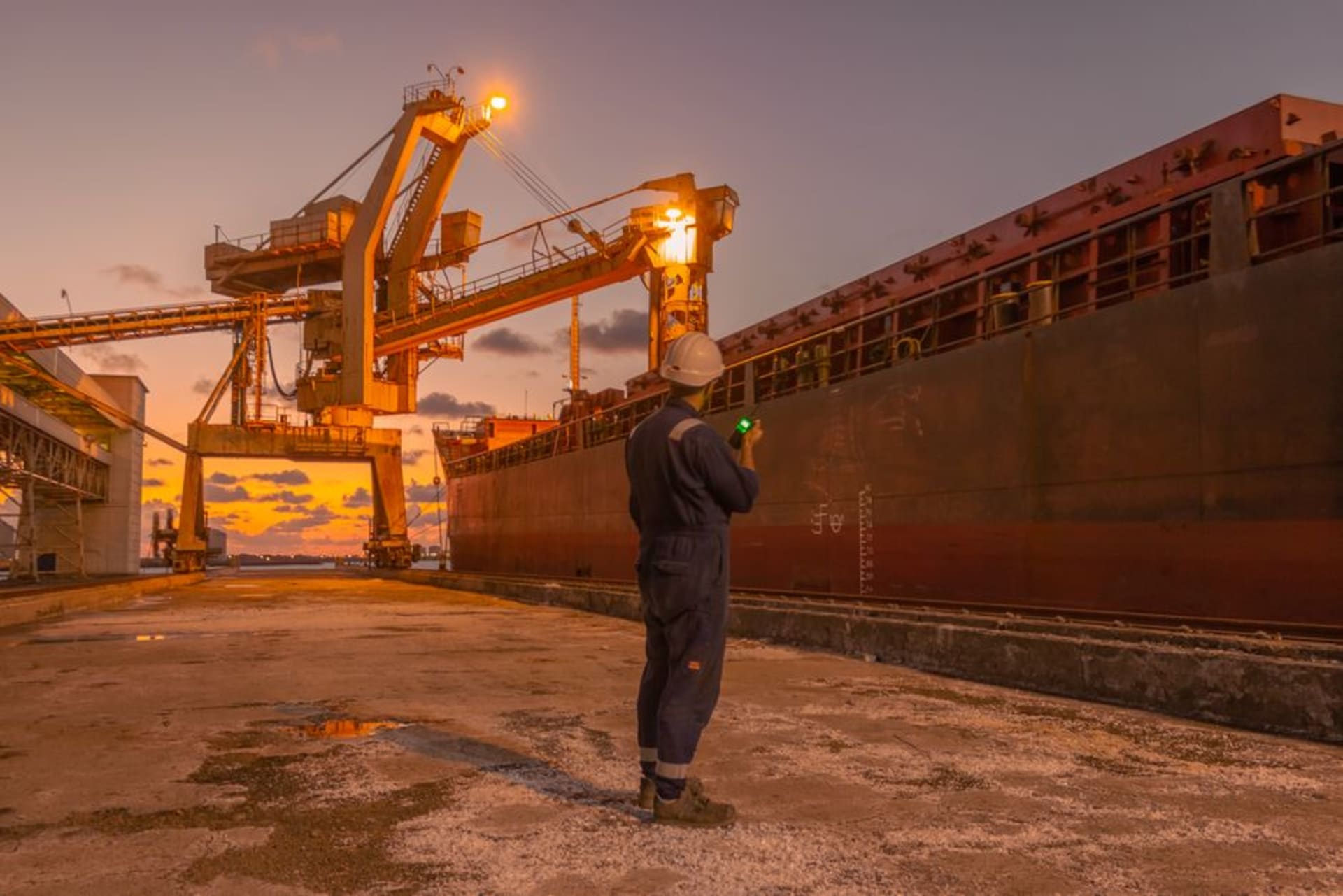
A gritty, functioning port city where cargo cranes and steel mills tell you more about today's Libya than any ruin does.

Misrata hit me differently than the rest of the coast. After days of ruins and half-abandoned towns, we rolled into a city that was genuinely working — trucks backed up at the port gates, the smell of hot metal drifting from the steel complex outside town, guys in hi-vis vests waving traffic through roundabouts like it was any industrial city anywhere. Misrata is the country’s second port after Tripoli and you feel that immediately, this sense of a place with an actual economic pulse rather than one running on memory.
We stayed near Tripoli Street, which locals still call that even though the fighting in 2011 tore a lot of it apart — you can see the bullet-pocked facades if you look for them, but most of it’s been patched and repainted, shopfronts selling phones and clothes and kitchenware like nothing happened. Our host, a former merchant navy guy named Fathi, drove us out past the port and talked the whole way about how much steel the city moves now, how many ships. He was proud of it in this understated way, not bragging, just glad his city had something to point to besides its war history.

The one stop that stuck with me was the war museum, an open lot near the old Insurance Building where they’ve parked burned-out tanks and technicals from the 2011 siege, left exactly as they were left. It’s blunt and unglamorous in a way that felt honest — no plaques dressing it up, just twisted metal in the sun and a few old men sitting nearby who I got the feeling had actually been there. Fathi didn’t say much while we walked through it. I didn’t push him to.

In the evening we ate at a place near the fishing harbor, grilled sea bream and a tomato salad sharp with onion, and watched fishing boats come in under lights strung along the quay. It’s a small, ordinary scene, but after everywhere else we’d been on that trip, ordinary felt like the whole point.
When to go: Late autumn through early spring keeps the coastal heat manageable; arrange local transport and check security updates in advance, as access can shift quickly.
Keep exploring
More from Libya
 libya
libya Nalut
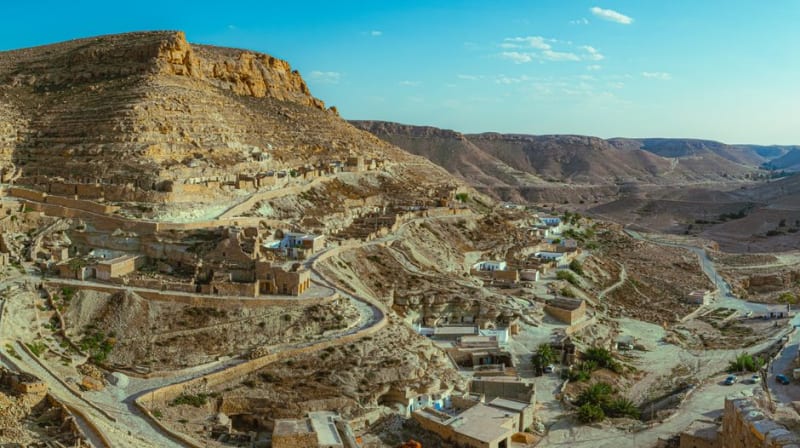
A Berber hill town clinging to the Nafusa Mountains, anchored by a spectacular fortified granary carved straight into the rock.
Explore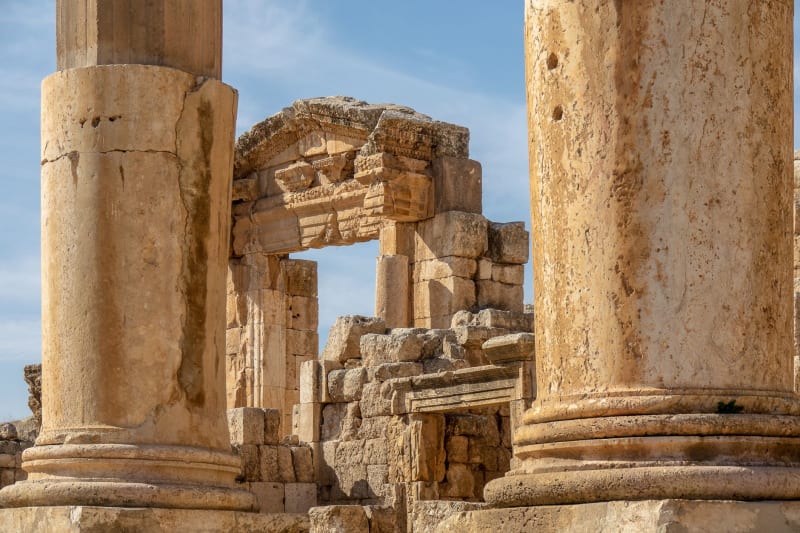 libya
libya Sabratha
A Roman theater whose three-storey stage backdrop faces the open Mediterranean — antiquity's most theatrical view has been waiting two thousand years for an audience.
Explore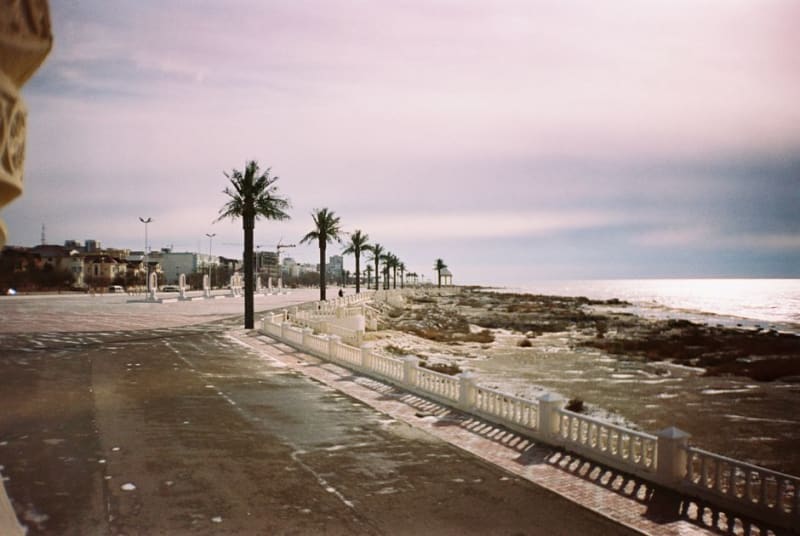 libya
libya Sirte
A quiet, scarred city on the Gulf of Sirte that still carries the outsized shadow of the man who once ruled from here.
Explore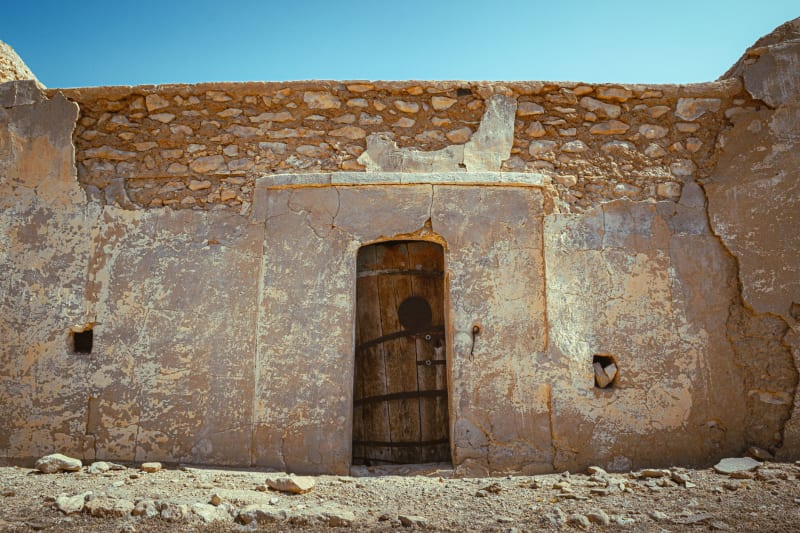 libya
libya Tobruk
A port city defined by the Second World War's most brutal siege, where three different armies left three different cemeteries on the clifftops — each facing the same sea.
Explore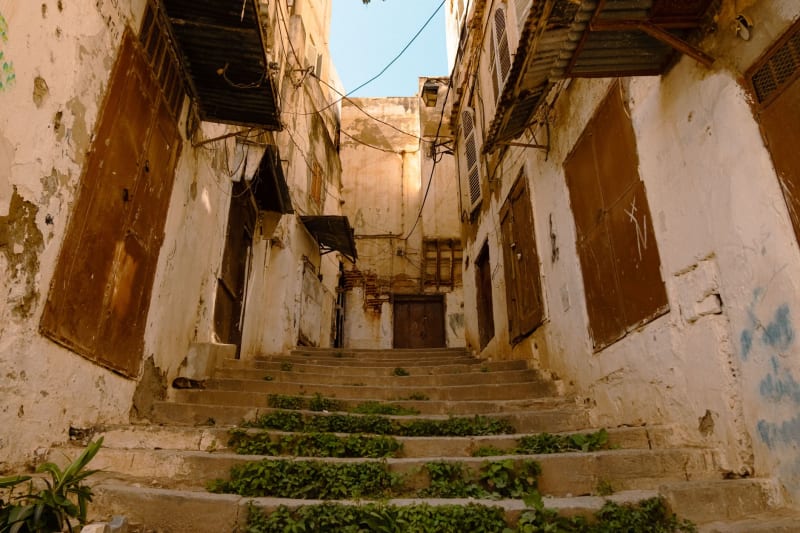 libya
libya Tripoli Old City
A medina where Ottoman mosques, Italian Rationalist boulevards, and a Roman arch standing in traffic all compete for the same narrow space.
Explore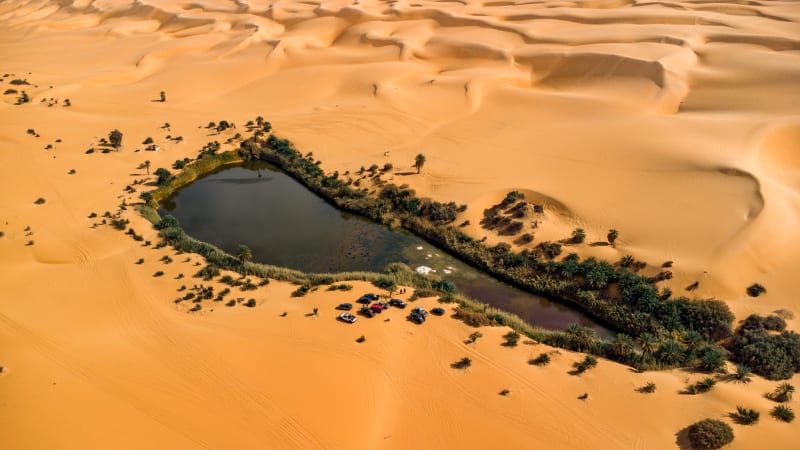 libya
libya Ubari Sand Sea
Saharan dunes the color of copper hiding improbable salt lakes that reflect the stars with an eerie, buoyant clarity — the most disorienting beautiful place I have been.
Explore