Asia
Laos
"Laos is what Thailand was before everyone found it."
The only landlocked country in Southeast Asia, where the pace of the Mekong sets the rhythm for everything — including how slowly you end up moving.
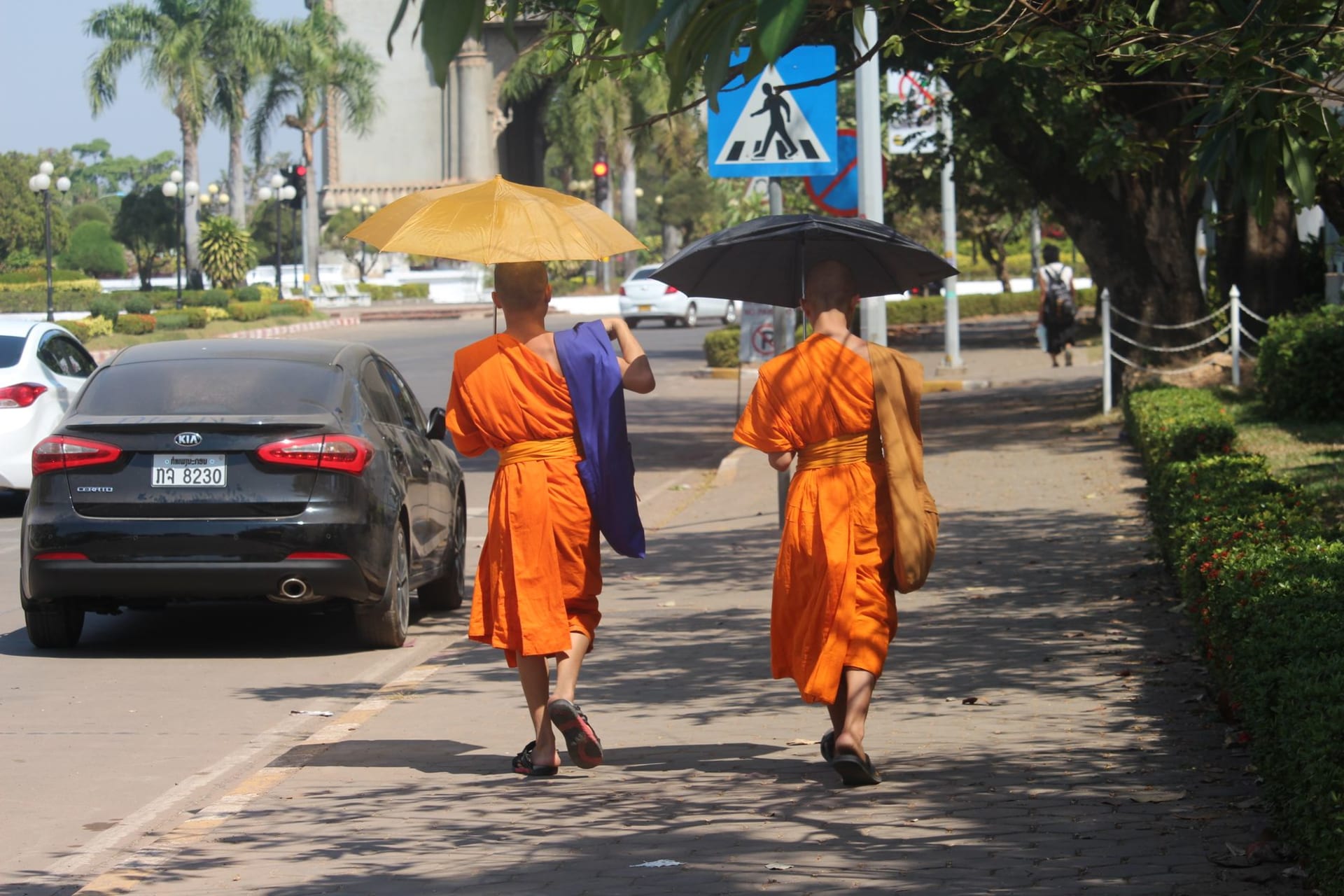
I arrived in Luang Prabang by slow boat from the Thai border, two days on the Mekong watching the limestone karsts slide past and the light change from gold to copper to nothing. By the time the boat docked I had already adjusted. That is what Laos does — it recalibrates your internal clock before you even step off the water. The town itself is impossibly pretty: French colonial shophouses painted yellow and cream, temple rooftops curving over the treeline, the smell of frangipani and charcoal. Every morning before sunrise, the monks file out in silence for the alms ceremony, and if you have any sense you watch from a distance rather than shoving a camera into someone’s morning ritual.
What nobody tells you about Laos is how good the food is — not the watered-down version you find in tourist restaurants, but the real thing. Laap, the minced meat salad pounded with toasted rice powder and fresh herbs, is one of the most complex dishes in Southeast Asia. Or kaipen, the dried Mekong riverweed fried crisp and served with jeow bong, a paste of chilies and buffalo skin that has no equivalent anywhere else. The night market in Luang Prabang sells none of this. You find it in the morning market, elbowing past locals with baskets of fresh lemongrass and bundles of yanang leaves, before the heat comes.
Vang Vieng gets a bad reputation — it earned it, frankly, through years of tubing-and-buckets tourism — but the landscape surrounding it is extraordinary. Karst mountains erupt straight out of flat rice paddies. Caves go deep into hillsides. The Nam Song river on a weekday morning, with mist still on the water and no one else around, is one of those images that lodges in the back of your head and stays there. I rented a bicycle and got completely lost for an afternoon. It was the best thing I did in Laos.
When to go: November to February is the dry season, cool enough to be comfortable and clear enough to see. March and April are hot and hazy — burning season, when farmers clear fields and the smoke hangs over everything for weeks. The rainy season from May to October brings green hills and empty guesthouses, but some roads become impassable and boat schedules get erratic.
What most guides get wrong: They treat Laos as an appetizer between Thailand and Vietnam, three days in Luang Prabang on the way somewhere else. The country rewards the people who slow down. The south — Si Phan Don, the four thousand islands near the Cambodian border, where the Mekong spreads so wide it barely looks like a river — is completely different from the north and completely undervisited. And Vientiane, the capital, is one of Southeast Asia’s most low-key and genuinely livable cities. Give it two days and you will understand why expats end up staying for years.
Explore
Places in Laos
 laos
laos Champasak
A pre-Angkor Khmer mountain temple overlooking the Mekong delta, older and quieter than Angkor Wat.
Explore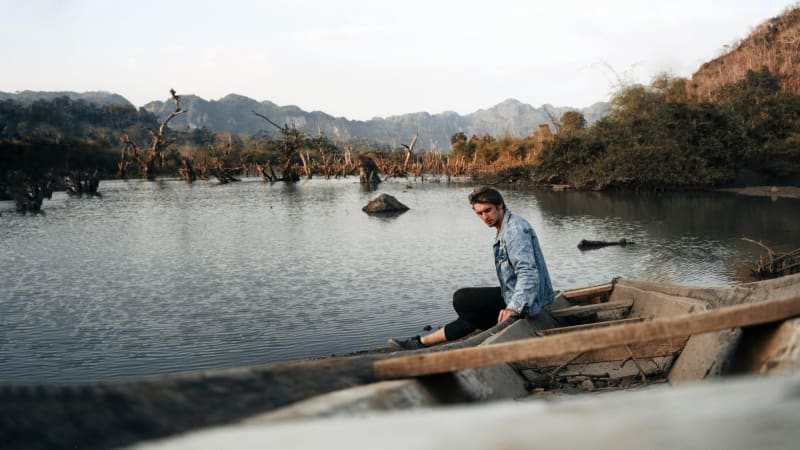 laos
laos Don Det
Hammocks strung between palm trees over the Mekong, where rare Irrawaddy dolphins still appear.
Explore laos
laos Kong Lor
A seven-kilometer river cave in Khammouane's karst country where local boatmen cut the engine and the darkness becomes something you can almost hold.
Explore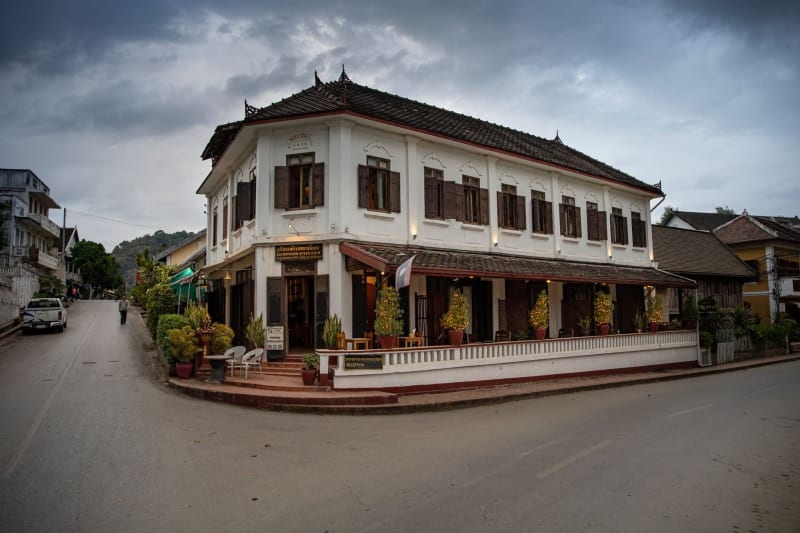 laos
laos Luang Namtha
Northern Laos trekking hub through Nam Ha forest reserve with Akha and Lanten minority villages.
Explore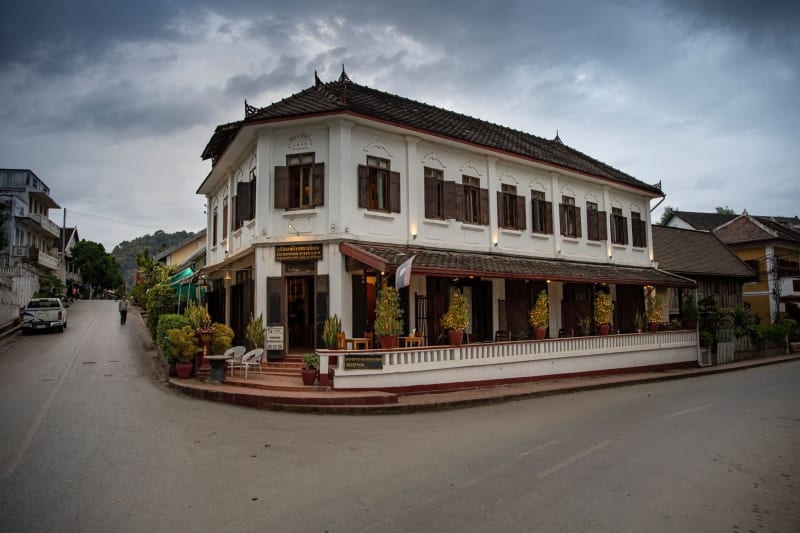 laos
laos Luang Prabang
Saffron-robed monks collect alms at dawn in a UNESCO town where French villas meet gilded temples.
Explore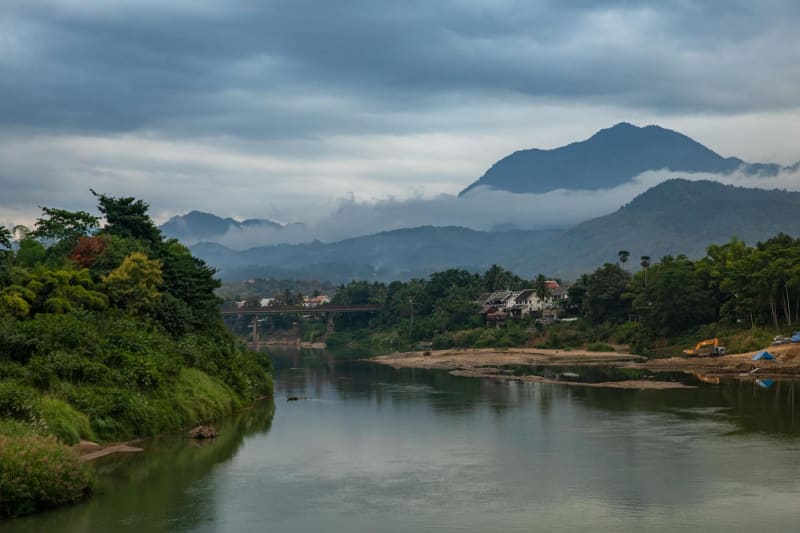 laos
laos Nong Khiaw
A tiny village lodged between vertical limestone cliffs on the Nam Ou River with few roads out.
Explore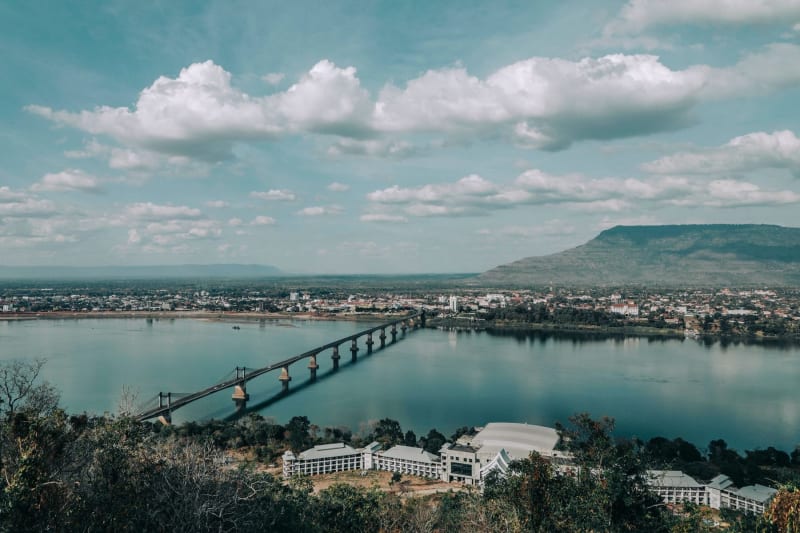 laos
laos Pakse
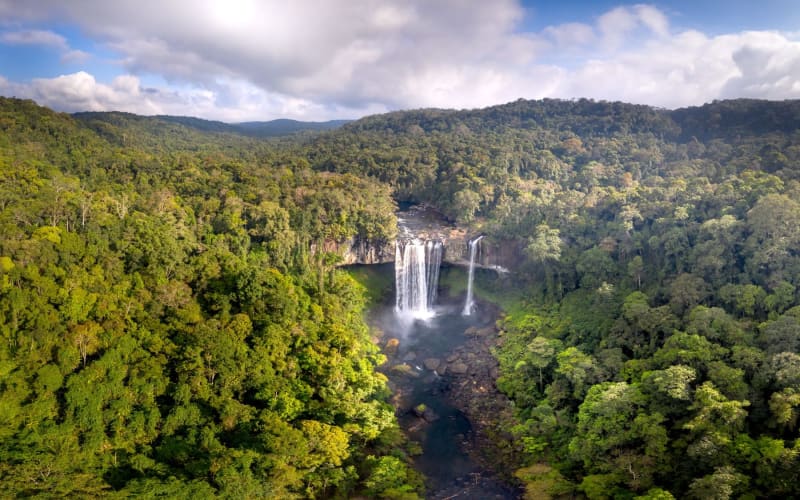
Gateway to the Bolaven Plateau's coffee farms, Khmer ruins, and waterfalls lost in jungle.
Explore laos
laos Phonsavan
A fog-draped highland plateau where ancient stone jars and bomb craters share the same hillside, forcing you to hold two civilizations in your head at once.
Explore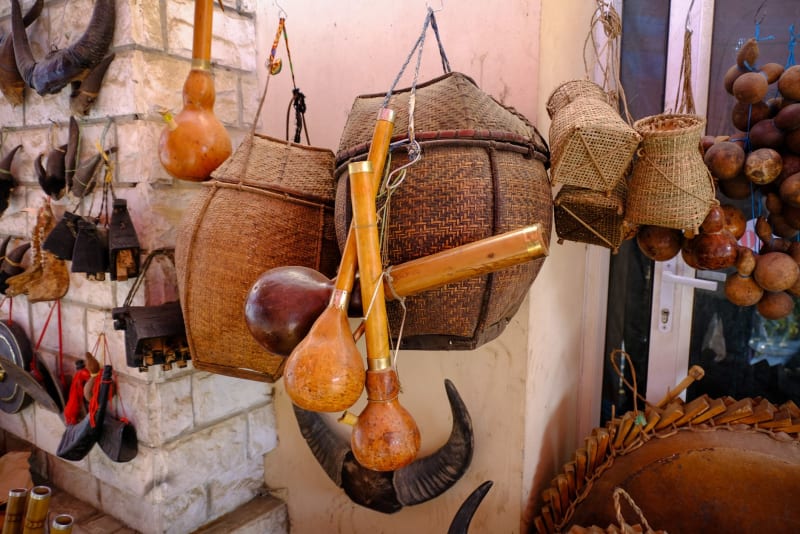 laos
laos Tad Lo
A trio of waterfalls and a sleepy village on the northern edge of the Bolaven Plateau, where the days dissolve into river swims and the buffalo wander through at dusk.
Explore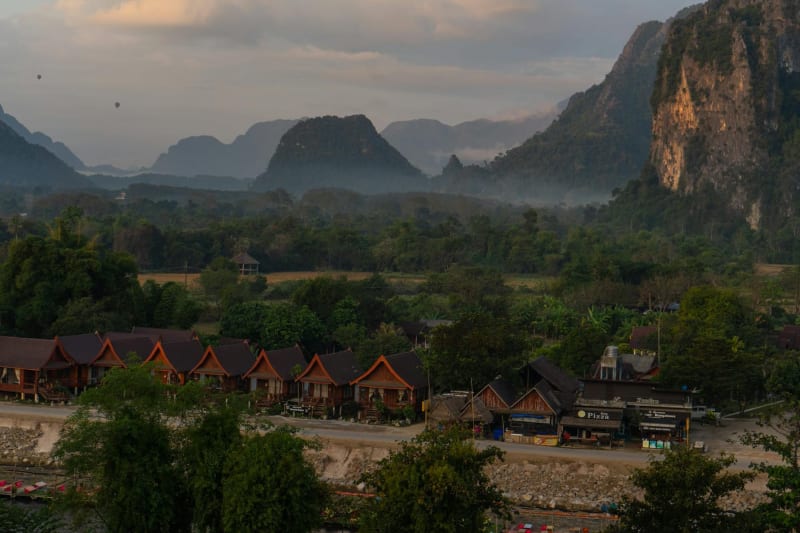 laos
laos Vang Vieng
Karst peaks above a lazy river, where hot-air balloons drift past at sunrise and caves echo inside.
Explore laos
laos Vientiane
The world's most laid-back capital, where the golden stupa glows at dusk and the Mekong goes orange.
Explore