Manazuru
"The tide went out, and a path of wet stone appeared, leading straight out to three rocks in the sea."
A crane-shaped peninsula on the Kanagawa coast, eighty minutes from Tokyo, still run by stonecutters and fishing boats rather than resort infrastructure, with three jagged rocks at its tip reachable only at low tide.

We went to Manazuru on a recommendation from a stonemason, of all people — a man Lia had gotten talking to at a craft market in Odawara, who mentioned almost proudly that the stone under our feet at that very market had probably come from a quarry on a small peninsula down the coast. Naturally we had to see the place itself, and eighty minutes later we were standing at the tip of a headland shaped, we were told, like the wing of a crane.
Mitsuishi at Low Tide
The name Manazuru means “true crane,” a reference to the peninsula’s wing-like shape when seen from above, and at its very tip sit Mitsuishi, three jagged rocks rising straight out of Sagami Bay that are connected to the shore only when the tide pulls back far enough. We’d timed our visit without really checking the tide tables, and got lucky — a wet stretch of exposed stone and sand opened up right as we arrived, and we walked out across it toward the rocks with the sea pulled back on either side, gulls circling overhead. Lia climbed partway up the nearest rock while I stood at its base watching the tide line for any sign it might be turning, only half joking about not wanting to be stranded out there.

Stone That Built a Castle
Manazuru’s other identity, quieter than its scenery but arguably more consequential, is as a working quarry town — its stone was cut and shipped out for centuries, including, according to local history, for the construction of Edo Castle itself, the seat of the shogunate that would eventually become Tokyo. Walking past the old quarry yards, some still active, stacked with cut blocks and slabs waiting for transport, it was strange to think a piece of this small peninsula might be sitting somewhere under the modern city we’d flown into months earlier. A small stonecutters’ workshop let us watch a craftsman shape a block by hand, sparks and dust flying, unhurried and matter-of-fact about a trade that’s clearly been passed down rather than picked up.

A Town Still Working
What struck us most about Manazuru was how little of it felt built for visitors. There’s no resort strip, no row of souvenir shops — just fishing boats coming and going from a modest harbor, quarry trucks rumbling along narrow roads, and a scattering of small guesthouses that seem to exist mainly for the handful of people who bother to come. We ate dinner at a tiny place near the harbor that served whatever had come in that day, no menu to speak of, and spent the evening walking the quiet lanes above the port with nothing much to do but enjoy that nothing much was expected of us.

Getting There
Manazuru Station sits on the JR Tokaido Line, about eighty minutes from Tokyo by direct or lightly connecting train, and makes an easy pairing with a stop in Odawara just up the line. From the station, the peninsula’s tip and Mitsuishi are a walk or short bus ride away, though checking tide times in advance is worth doing if reaching the rocks themselves is the goal — the crossing disappears entirely at high tide. The quarry areas and harbor are best explored on foot at an unhurried pace; there isn’t much here that rewards rushing.
Keep exploring
More of Kantō
Keep exploring
More from Kantō
 japan
japan Mashiko
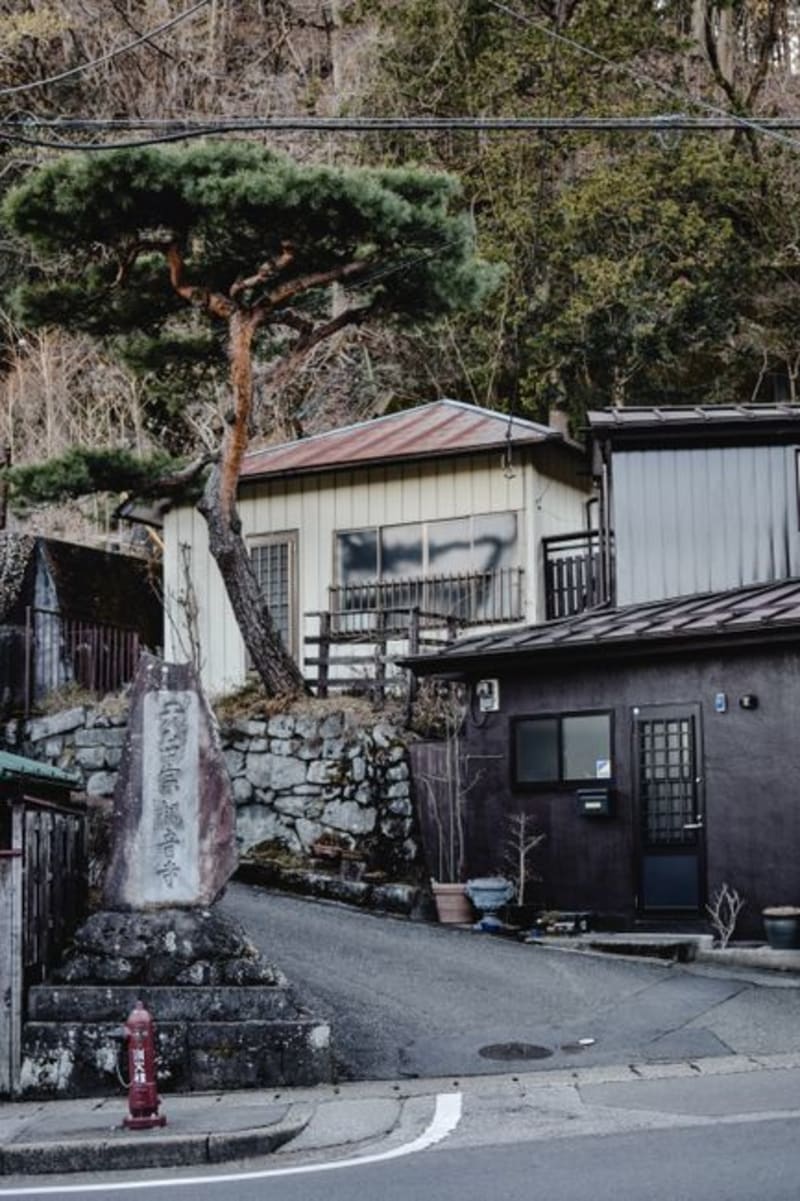
A Tochigi pottery town where the clay is coarse, the glazes are earthy, and beauty is supposed to come from use. Home of the mingei folk-craft movement and Shoji Hamada's kilns, Mashiko fills twice a year with a sprawling pottery fair. It taught us to buy the cup with the thumbprint still in it.
Explore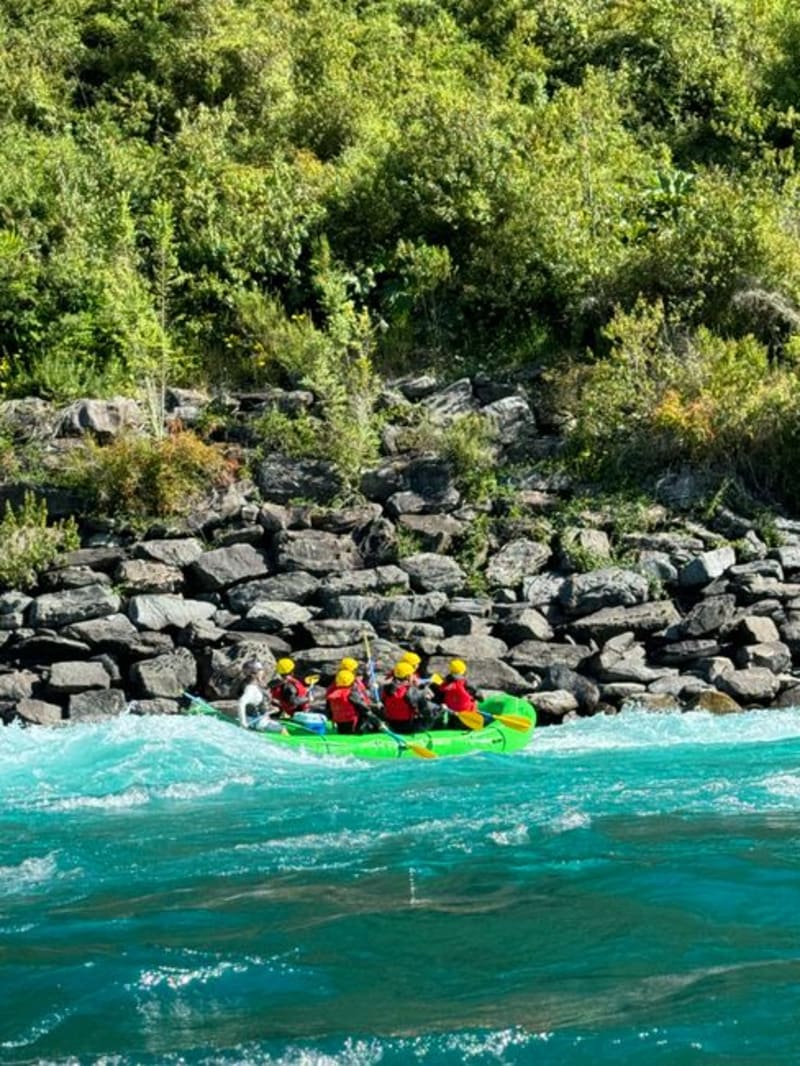 japan
japan Minakami
A mountain hot-spring town in northern Gunma where the upper Tone river tears out of the peaks and adventure outfitters share the valley with old wooden onsen. In summer you raft; in winter the snow falls in metres and you sink into steaming water with white all around.
Explore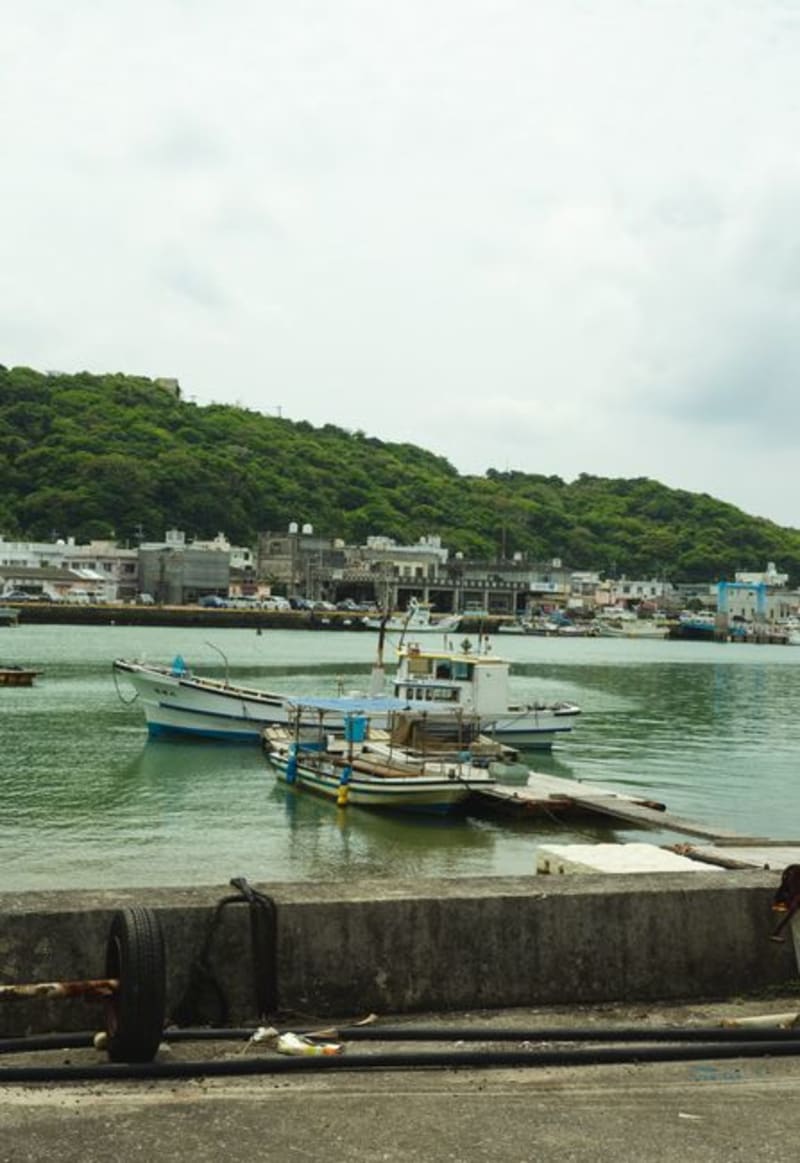 japan
japan Misaki Port
Japan's self-declared tuna town, ninety minutes from Shinagawa, where the market floor lines up hundreds of frozen bigeye before dawn and a bowl of maguro-don a few steps away tastes like it's still dripping from the boat.
Explore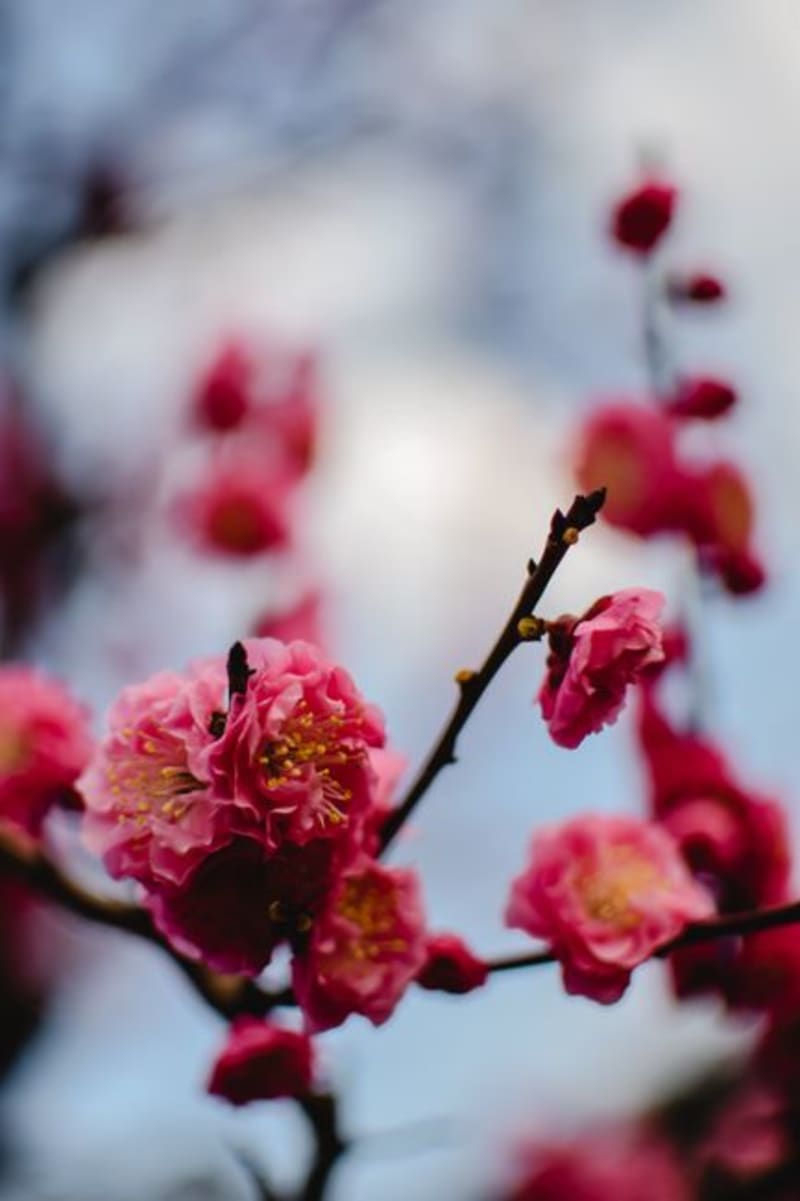 japan
japan Mito
The capital of Ibaraki, built around one of Japan's three great landscape gardens. In late winter three thousand plum trees turn Kairakuen pink and white and fill the cold air with scent, while an elegant wooden pavilion looks out over it all — and the town quietly insists you try its famous fermented beans.
Explore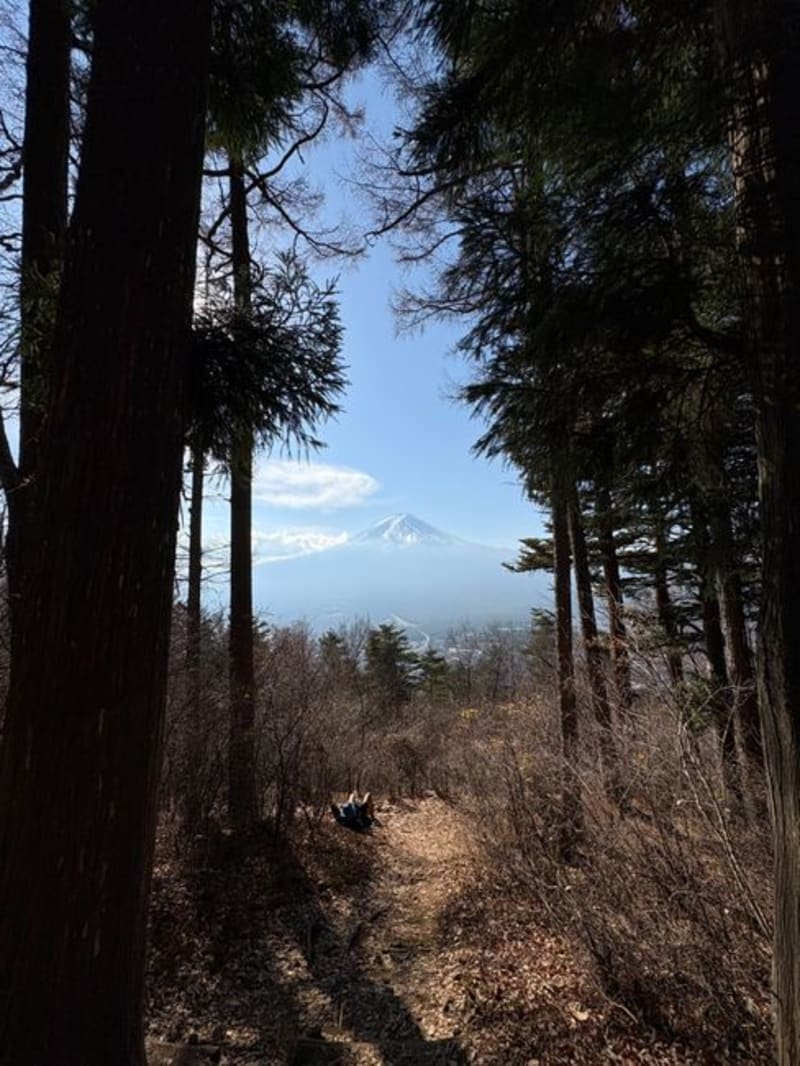 japan
japan Mount Myogi
A jagged conglomerate ridge of six spires, ranked among Japan's three strangest rock formations, where a chain-bolted climbing route turns a hike into a genuine scramble above narrow, autumn-colored ridgelines.
Explore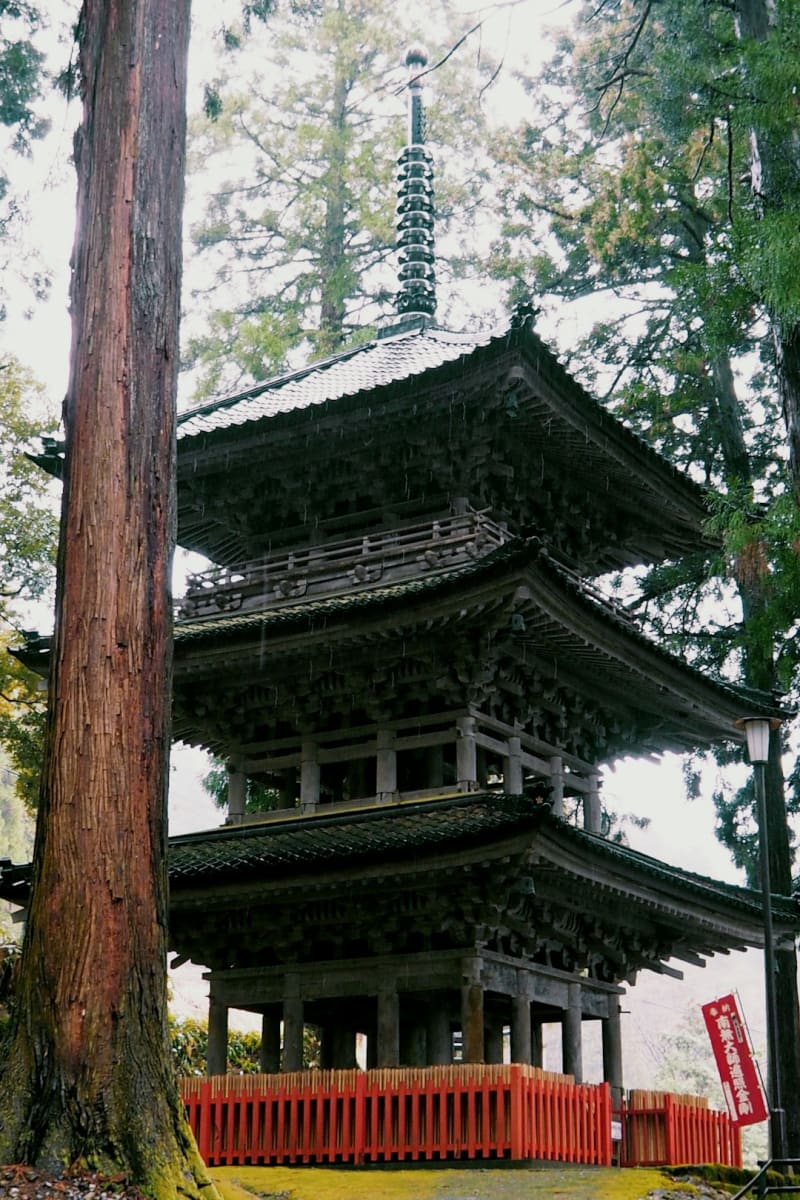 japan
japan Mount Takao
Tokyo's beloved forested mountain at the western edge of the city, where cedar trails climb to a clifftop temple, tengu goblins watch from the shadows, and Mount Fuji floats on the horizon on a clear day. The capital's easiest true escape into nature.
Explore