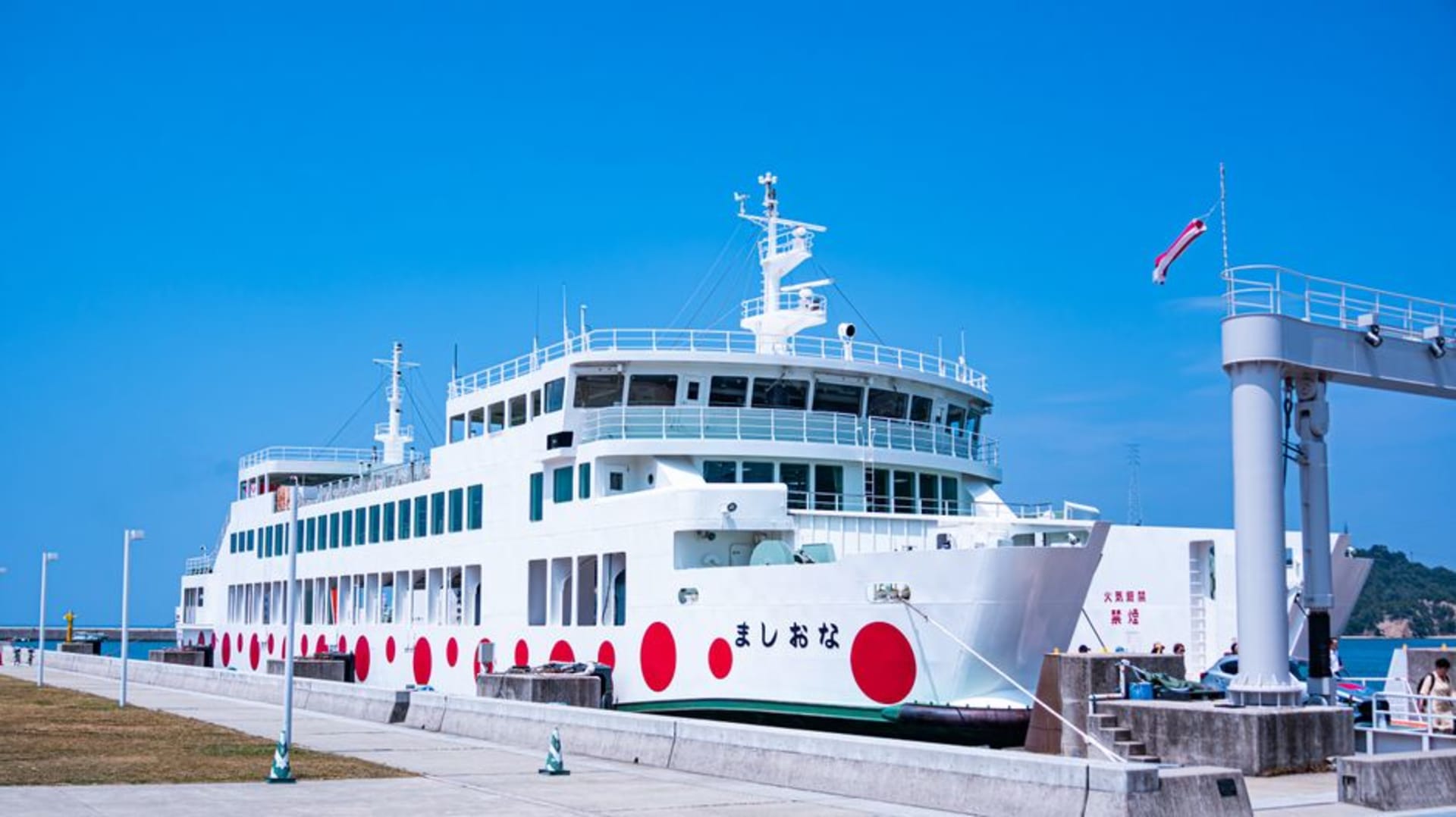
Japan's self-declared tuna town, ninety minutes from Shinagawa, where the market floor lines up hundreds of frozen bigeye before dawn and a bowl of maguro-don a few steps away tastes like it's still dripping from the boat.

Neither of us is a morning person, which makes it slightly funny that we set an alarm for well before dawn to go look at fish. Lia had heard that Misaki, a small port town at the southern tip of the Miura Peninsula, moves a volume of tuna that rivals Tokyo’s famous Toyosu market, just without the crowds or the fame, and she wanted to see it before the town changed. We took the first possible trains out of the city half-asleep, missing coffee, and arrived just as the sky was starting to grey.
The Pre-Dawn Auction
Misaki’s market building has a second-floor gallery built specifically so visitors can watch the auction without getting in the way, and standing up there in the cold half-light, looking down at what must have been hundreds of frozen bigeye tuna laid out in dead-straight rows across the concrete floor, was genuinely disorienting in scale. Buyers moved between the rows tapping frozen tails with small hooks, checking flesh through tiny cut samples, calling out bids in a rhythm neither of us could follow. The auctioneer’s chant sped up and slowed down in a way that seemed to mean something to everyone but us. Lia leaned on the rail the whole time, wide awake now, watching one particularly enormous tuna get circled by three different buyers before it sold.

Maguro-Don, Straight From the Boats
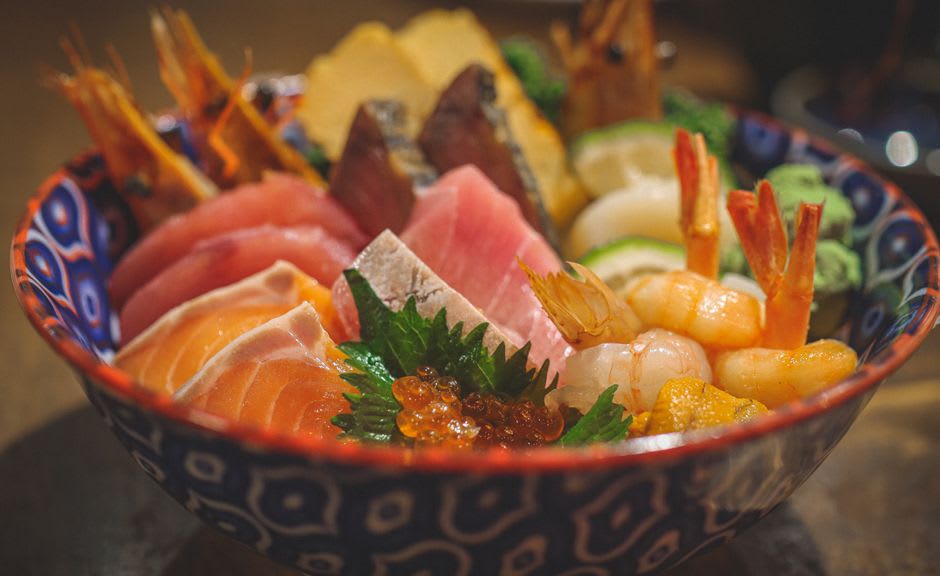
By the time the auction wound down we were starving, and the walk from the market to a row of small restaurants took about five minutes — a genuinely direct line from boat to bowl. We split a maguro-don loaded with layers of different cuts, from lean akami to the fattier, almost buttery toro, over rice still warm from the pot. It was, without exaggeration, some of the best raw tuna either of us has eaten, and it cost a fraction of what the same cuts would run in central Tokyo. Lia kept holding up pieces on her chopsticks to compare the marbling before eating them, treating breakfast like a small science experiment.
The Port Itself
After the meal we wandered the harbor proper, past fishing boats being hosed down and nets laid out to dry, past old men mending line on upturned crates. Misaki doesn’t dress itself up for tourists the way some coastal towns do; it’s still, first and foremost, a working fishing port that happens to also feed visitors extraordinarily well. A short walk out along the Jogashima side of the peninsula gave us open views of Sagami Bay, fishing boats heading out for the next catch while we stood there full and sleepy in the cool morning air, glad we’d dragged ourselves out of bed.

Getting There
Misaki Port is reached via Misakiguchi Station on the Keikyu Line, roughly ninety minutes from Shinagawa in central Tokyo, followed by a short local bus down to the port itself. Because the auction runs at dawn, an early start is essential if you want to see it rather than just eat the results — check ahead, since auction viewing hours and days can shift with the season and catch. Staying overnight nearby, or simply committing to a very early train, is the difference between catching the market in full swing and arriving to an empty floor.
Keep exploring
More of Kantō
Keep exploring
More from Kantō
 japan
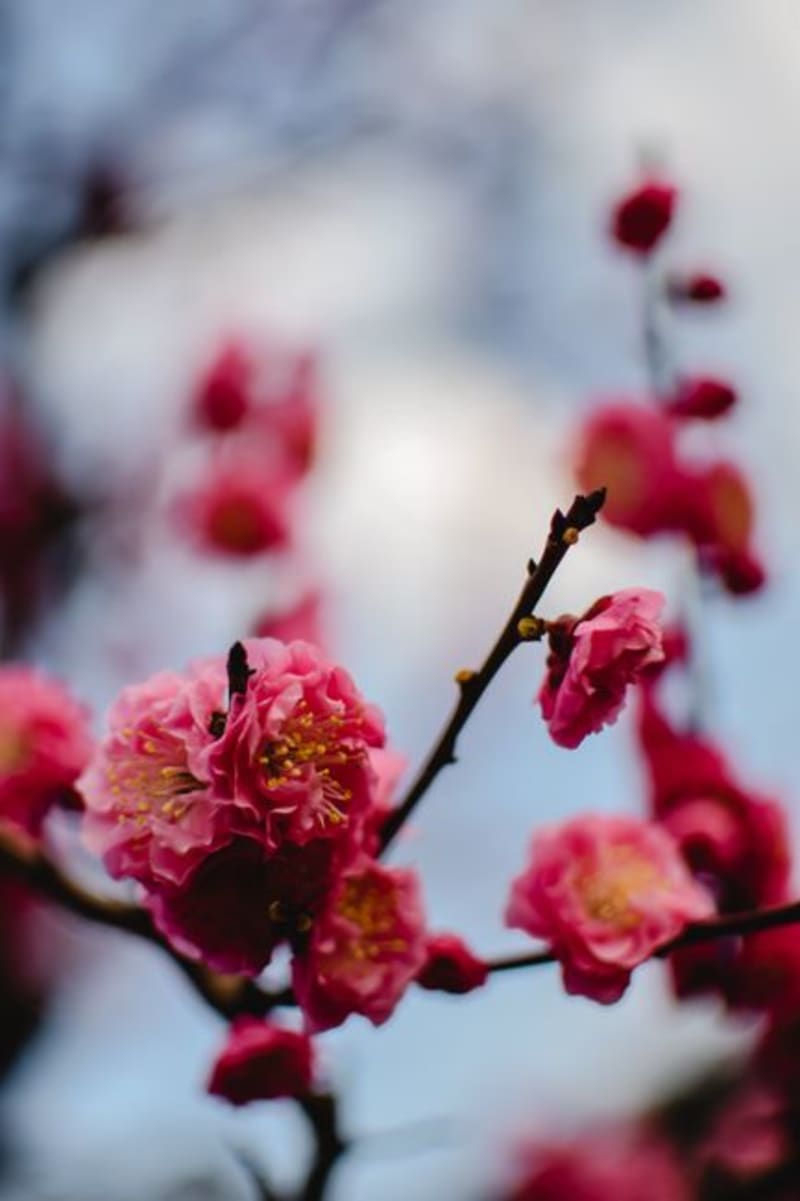
japan Mito
The capital of Ibaraki, built around one of Japan's three great landscape gardens. In late winter three thousand plum trees turn Kairakuen pink and white and fill the cold air with scent, while an elegant wooden pavilion looks out over it all — and the town quietly insists you try its famous fermented beans.
Explore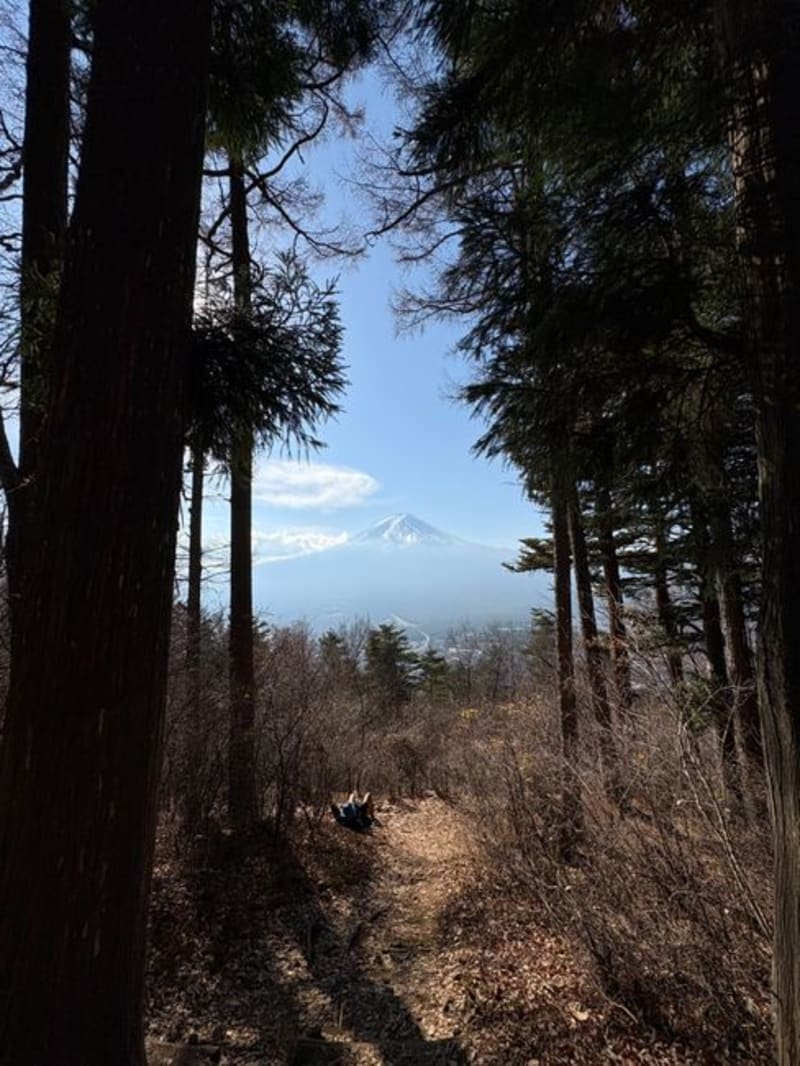 japan
japan Mount Myogi
A jagged conglomerate ridge of six spires, ranked among Japan's three strangest rock formations, where a chain-bolted climbing route turns a hike into a genuine scramble above narrow, autumn-colored ridgelines.
Explore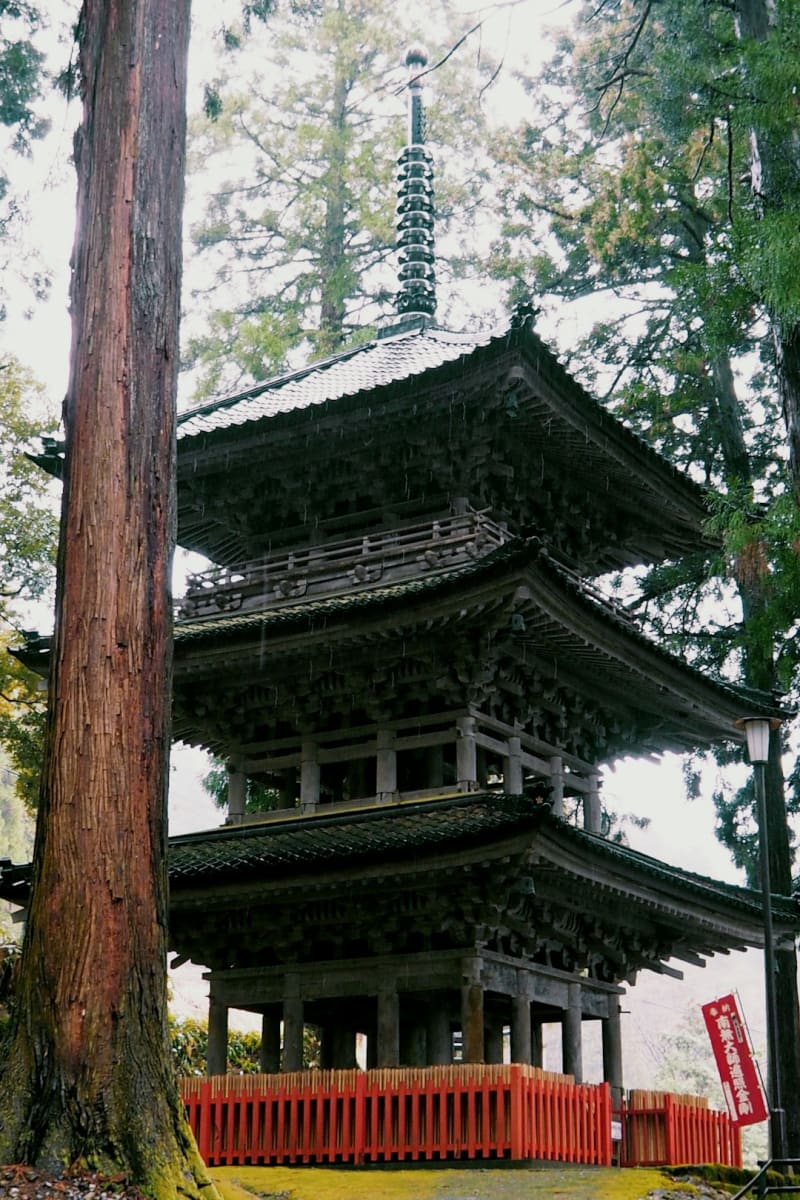 japan
japan Mount Takao
Tokyo's beloved forested mountain at the western edge of the city, where cedar trails climb to a clifftop temple, tengu goblins watch from the shadows, and Mount Fuji floats on the horizon on a clear day. The capital's easiest true escape into nature.
Explore japan
japan Nagatoro
A river gorge two hours from Tokyo where the Arakawa has carved a wide shelf of folded rock called Iwadatami — walkable at low water, and run through by rapids on a wooden boat. A quiet weekend escape that barely registers as an escape at all.
Explore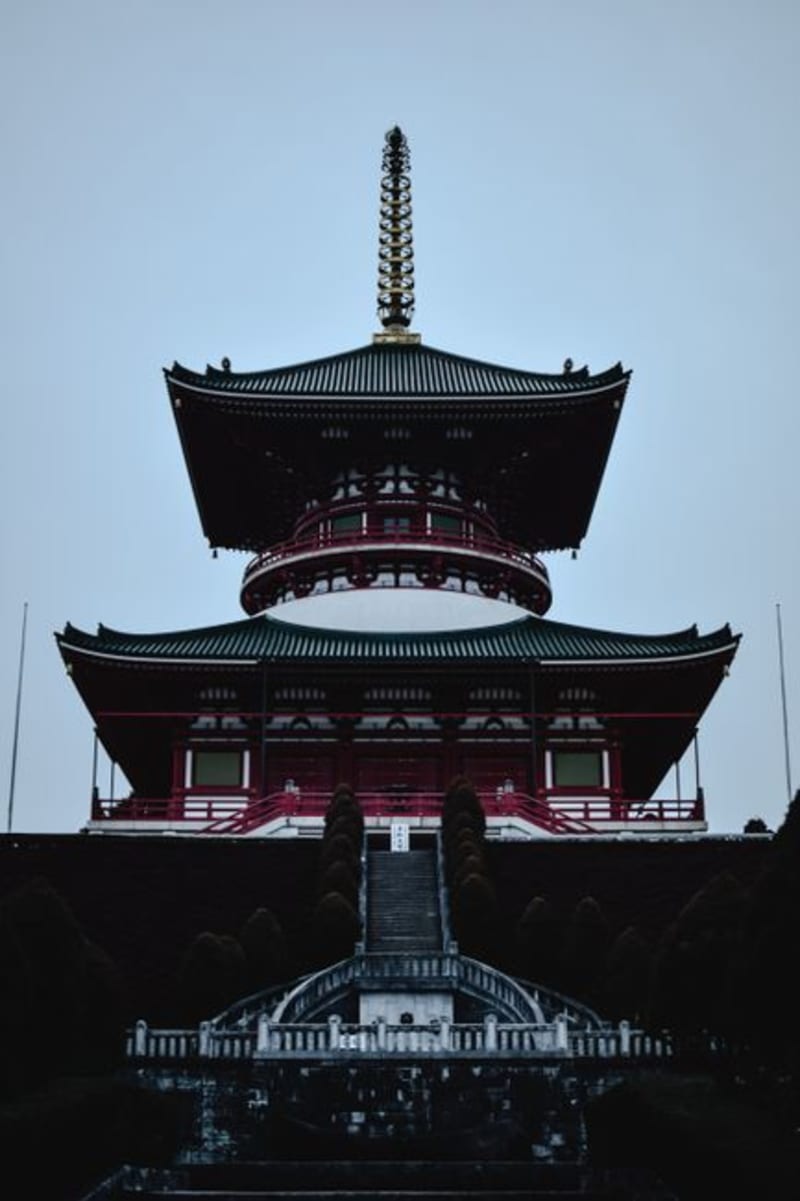 japan
japan Narita
A Chiba temple town in the shadow of the international airport, where a grand thousand-year temple sits at the end of an old pilgrim street famous for grilled eel. A surprising first or last taste of Japan, far richer than its runway-side reputation suggests.
Explore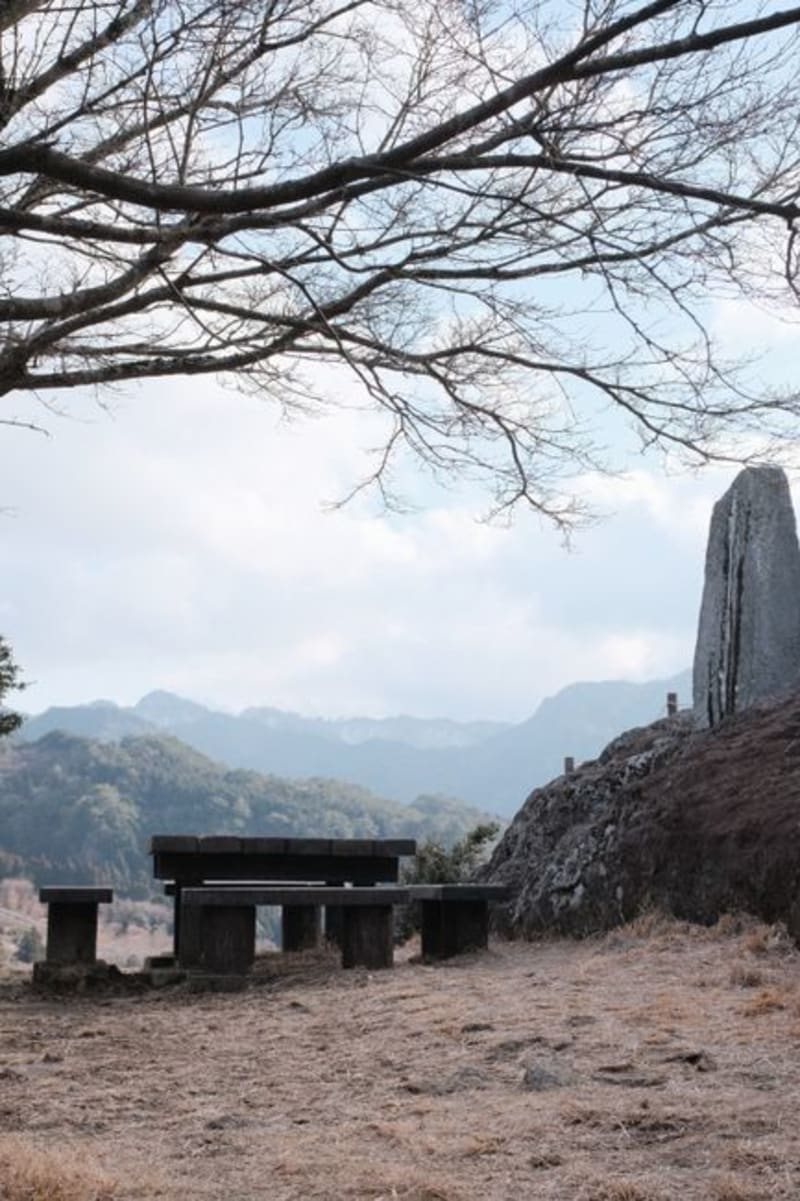 japan
japan Nasu
A breezy Tochigi highland of hot springs, dairy ranches, and volcanic slopes, long favoured by the imperial family as a summer escape. Nasu is where Tokyo goes to breathe — pine air, soft-serve ice cream, and steaming baths under an active mountain. We came for a night and stretched it to three.
Explore