Mashiko
"We chose the mug with a thumbprint pressed into its base, and it's the one we still use."
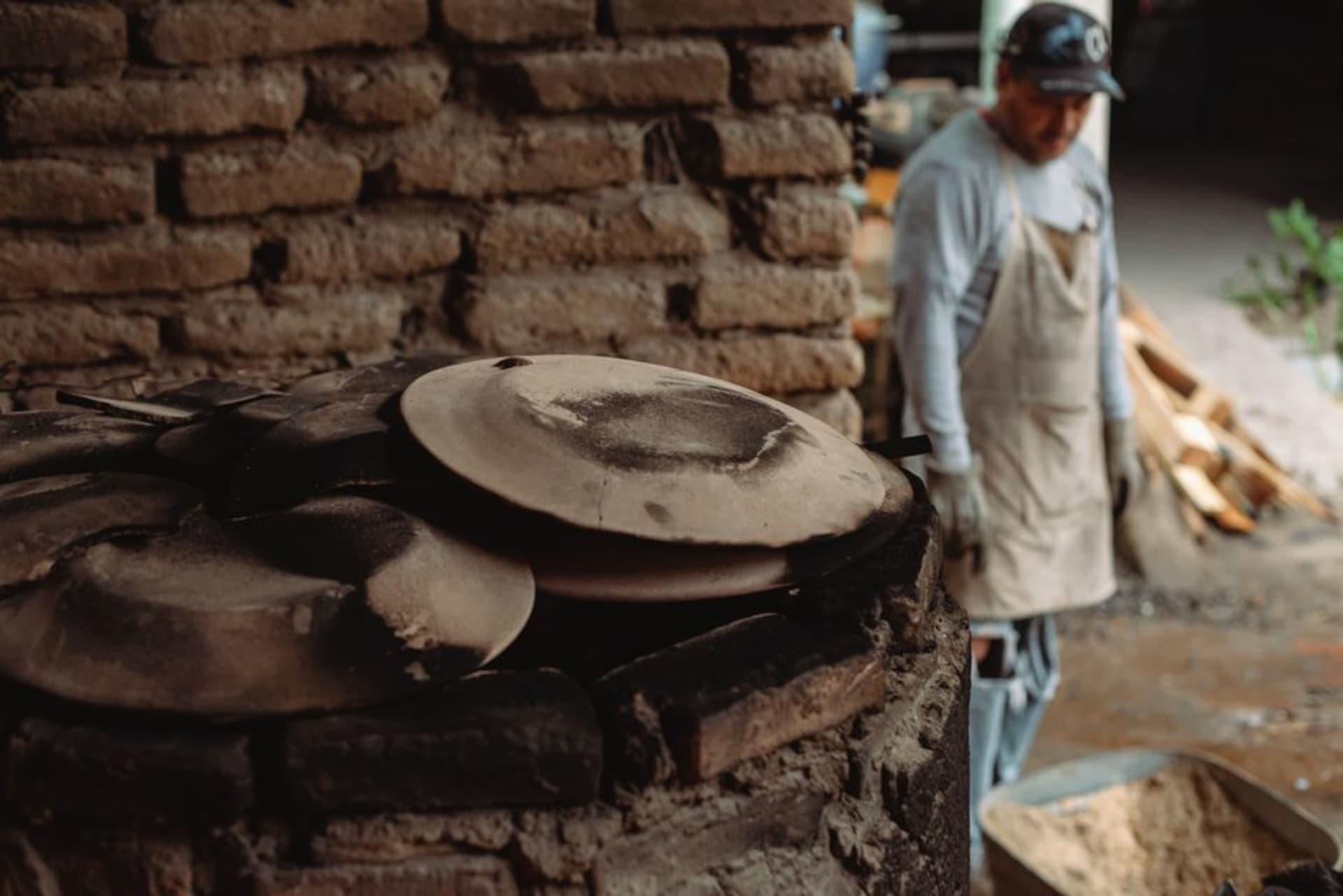
A Tochigi pottery town where the clay is coarse, the glazes are earthy, and beauty is supposed to come from use. Home of the mingei folk-craft movement and Shoji Hamada's kilns, Mashiko fills twice a year with a sprawling pottery fair. It taught us to buy the cup with the thumbprint still in it.

Lia collects cups. Not fine ones — she likes the ones with a wobble, a drip of glaze, some evidence that a person made them and wasn’t trying too hard to hide it. So Mashiko was always going to be dangerous for our luggage. We arrived on a grey afternoon with an empty tote bag and lofty intentions of restraint, and by evening the bag was heavy and the intentions were gone.
Mingei and the Beauty of the Ordinary
Mashiko is holy ground for the mingei movement — the folk-craft philosophy that ordinary, functional objects made by anonymous hands hold a beauty finer than anything self-consciously “artistic.” The town’s patron saint is Shoji Hamada, a potter who settled here in the 1920s, worked the local clay, and became a Living National Treasure without ever, as far as I can tell, losing his humility about it. His old house and climbing kiln are preserved at the Mashiko Sankokan museum, and standing before the great multi-chambered noborigama, built into the hillside like a dragon, I finally understood the appeal. This isn’t clay pretending to be porcelain. It’s honest earth, coarse and iron-flecked, glazed in persimmon and black and the milky white they call nuka. Made to be used, dropped, replaced.
Walking the Kiln Street
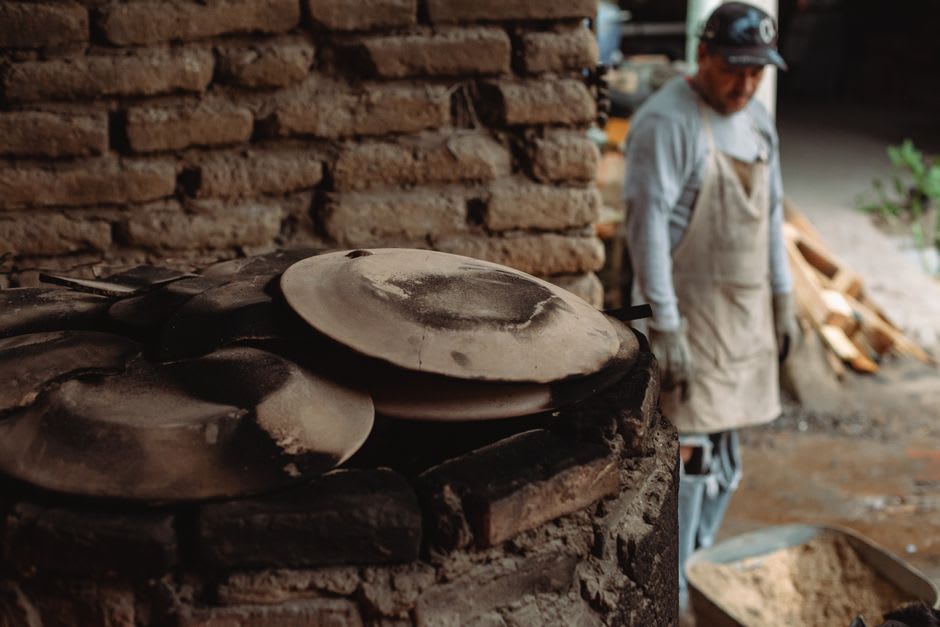
The main pottery street runs long and low, lined with shops and studios where you can watch wheels turning through open doorways. We spent hours drifting in and out, and the pleasure was in the range — one shop severe and expensive, the next a chaotic barn where seconds and student work sold for a few hundred yen. I liked the cheap barn best. Lia found her prize there: a mug, heavy, glazed a streaky ash-green, with a clear thumbprint pressed into the base where the potter had held it to dip it. We chose it precisely for that. It’s the one we still drink from most mornings in Mexico — the imperfect thing that outlasted all the careful ones. That, I think, is the whole lesson of Mashiko in a single cup.
The Great Pottery Fair
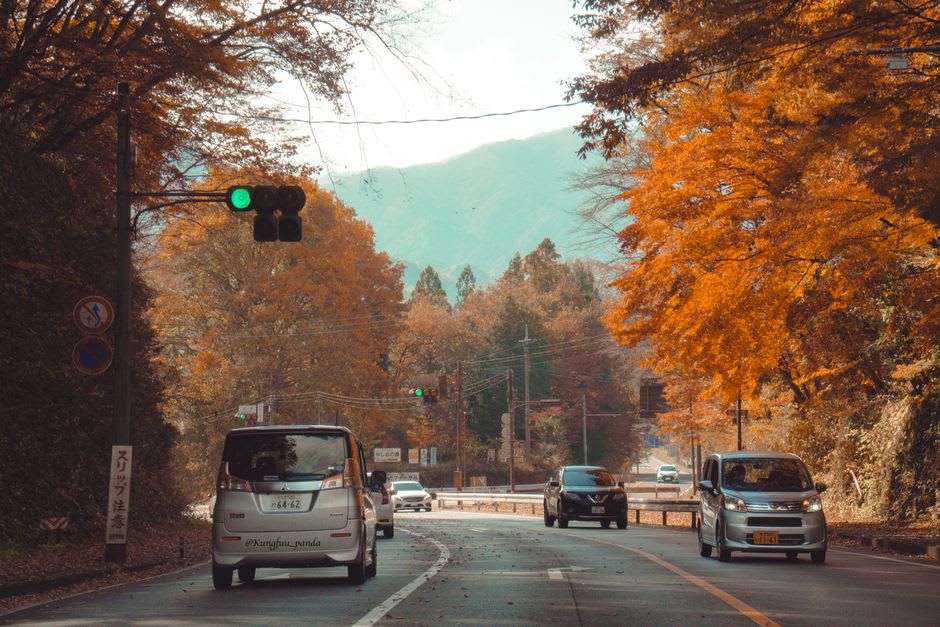
Twice a year, over Golden Week in spring and again in autumn, the town holds the Mashiko Toki-ichi, a pottery fair that swells the population many times over. Hundreds of tents line the streets, potters selling straight from folding tables, and the whole place becomes a slow-moving river of people cradling bubble-wrapped bowls. We caught the tail of the spring one by luck, and it was gloriously overwhelming — students, veterans, hobbyists, a man selling nothing but sake cups, a woman whose entire table was tiny bird figurines. We didn’t need any of it. We bought too much of it anyway. If you can time a visit to the fair, do; if you can’t, the town is quieter and, honestly, easier on the wallet.
Getting There
Mashiko takes a little effort, which keeps it from being overrun outside the fairs. From Tokyo, take the Tohoku Shinkansen to Utsunomiya, then either the bus toward Mashiko or the roundabout local trains via the Moka Railway, a lovely old line that sometimes runs a steam locomotive on weekends. Reckon on two to two-and-a-half hours all in. The town itself is walkable but spread out along the kiln street, so rent one of the cheap bicycles near the station if your legs are willing. Bring a sturdier bag than you think you need. You will not leave empty-handed.
Keep exploring
More of Kantō
Keep exploring
More from Kantō
 japan
japan Mount Tsukuba
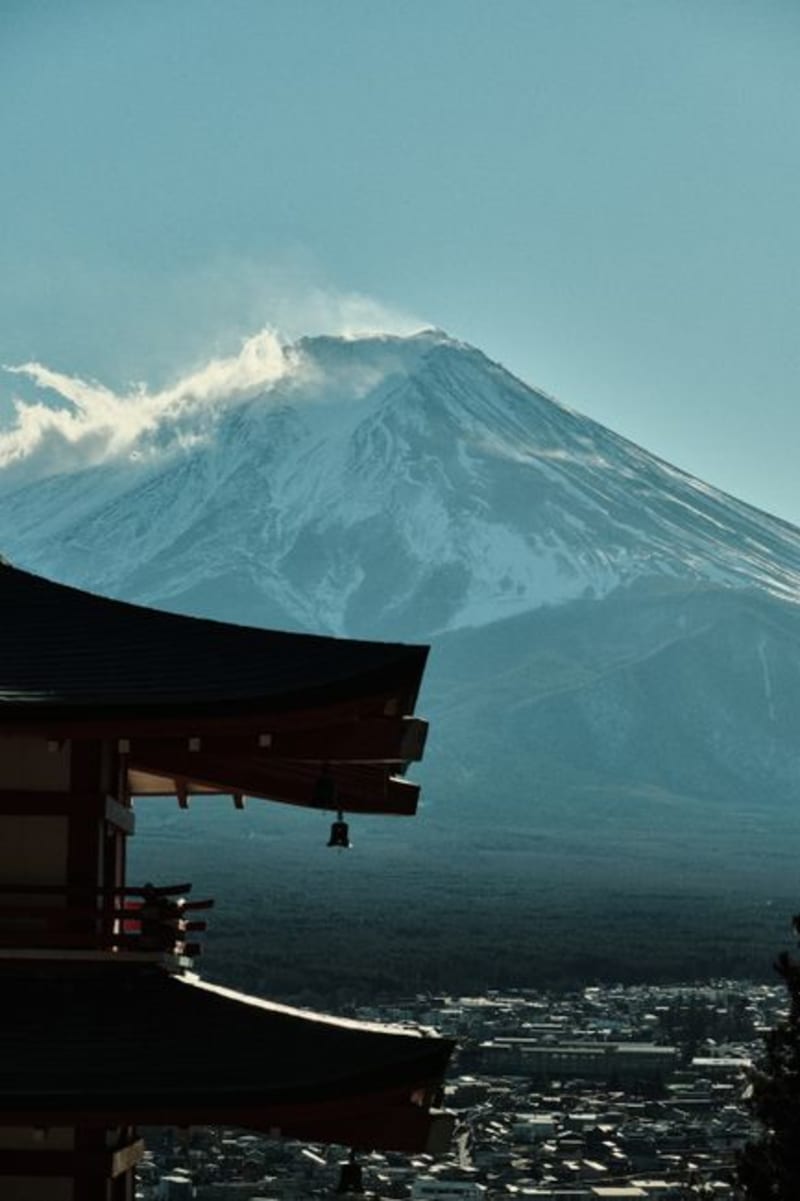
A shapely twin-peaked mountain rising alone from the flat Kanto plain, revered since antiquity and paired in old sayings with Mount Fuji. At its foot sprawls Tsukuba Science City, a planned town of laboratories and researchers. Ancient shrine above, particle physics below, and a cable car strung between the two worlds.
Explore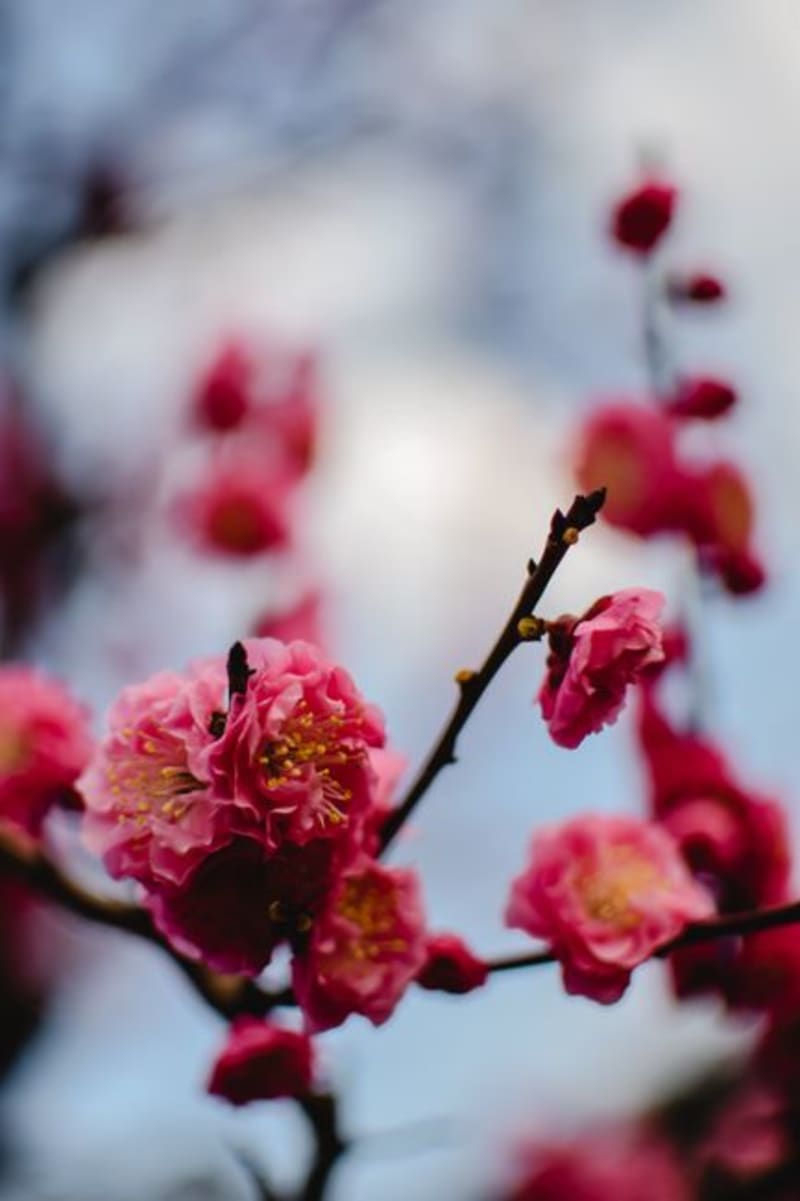 japan
japan Mito
The capital of Ibaraki, built around one of Japan's three great landscape gardens. In late winter three thousand plum trees turn Kairakuen pink and white and fill the cold air with scent, while an elegant wooden pavilion looks out over it all — and the town quietly insists you try its famous fermented beans.
Explore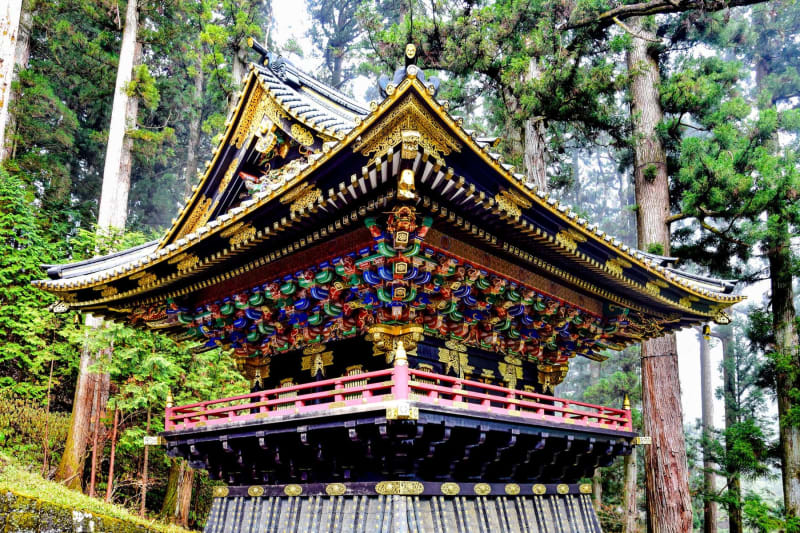 japan
japan Nikko
Extravagant Edo-era shrines buried in cedar forest, a deliberate overstatement of devotion.
Explore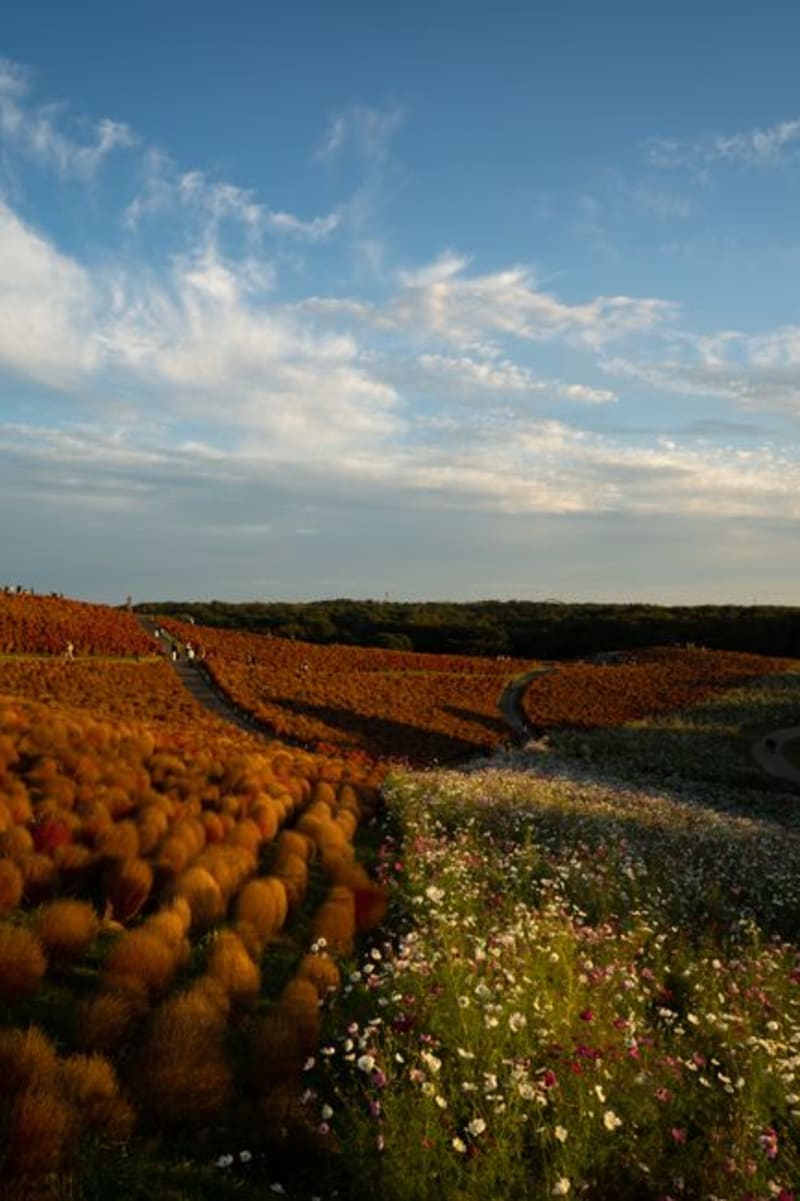 japan
japan Ushiku
A quiet Ibaraki town on the Kanto plain whose flatness is broken by one staggering thing: the Ushiku Daibutsu, a bronze Buddha so tall it dwarfs the Statue of Liberty. Around its feet lie flower gardens, a small zoo, and a lotus pond, all in the shadow of a figure you can see from the highway miles away.
Explore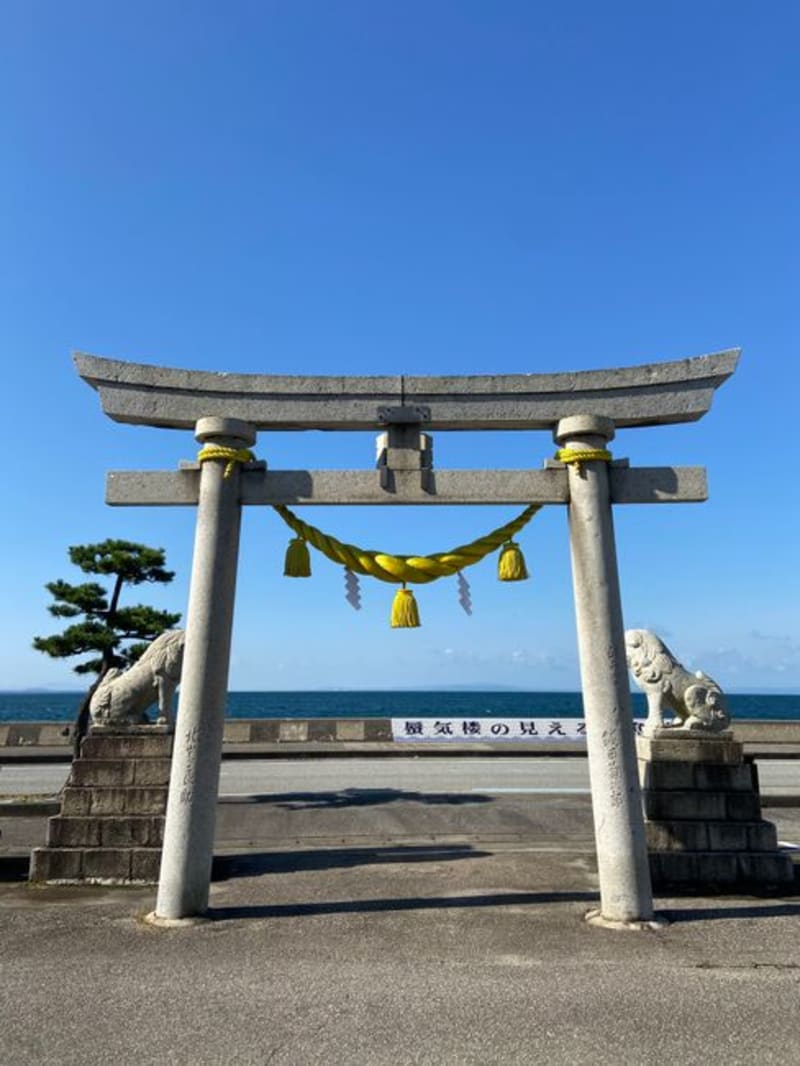 japan
japan Ōarai
A working seaside town on the Ibaraki coast where a lone shrine gate stands out on the wave-battered rocks, catching fire with the sunrise. Add a great aquarium, ferries bound for Hokkaidō, and a devoted following of anime pilgrims, and you have a place that rewards early risers.
Explore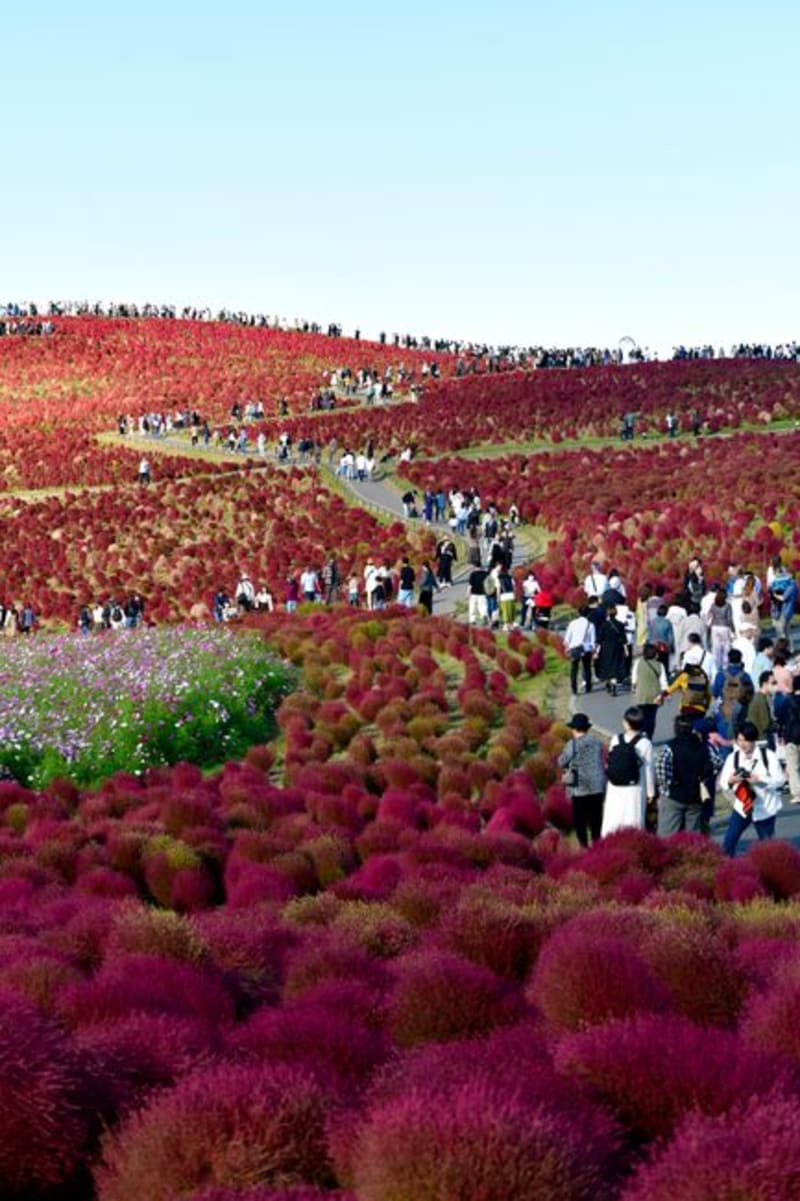 japan
japan Hitachi Seaside Park
A vast coastal park on the Ibaraki shore where, for a few weeks each spring, a whole hill turns sky-blue with millions of nemophila — and in autumn the same slope burns crimson with round bushes of kochia. One of the most photographed places in Japan, and for once the photographs undersell it.
Explore