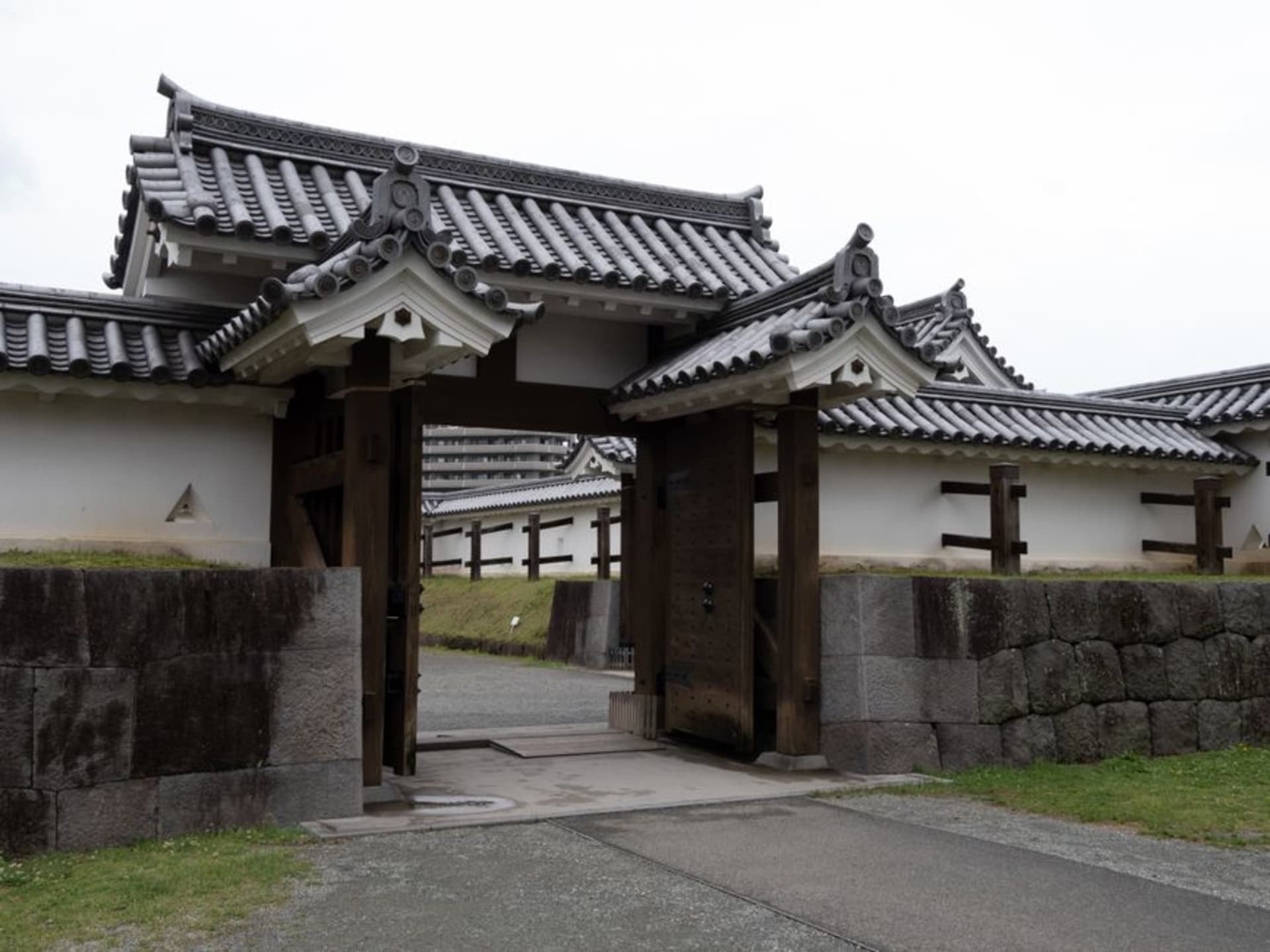
A castle town on the old Tokaido road, thirty-five minutes from Tokyo by shinkansen, built on centuries of kamaboko fish-cake craft. A gateway to Hakone that's worth a slow afternoon in its own right, especially in cherry blossom season.

We’d passed through Odawara Station a handful of times already, always changing trains for Hakone without ever stepping outside, until Lia looked up from her phone one morning and said we were doing it wrong. She’d read about a street of century-old fish-cake workshops a few minutes from the platform, and something about the idea of stopping mid-transfer, just for a few hours, appealed to both of us. So for once we didn’t rush through Odawara — we got off.
Kamaboko Street
Odawara’s kamaboko — a firm, mildly sweet fish cake made by steaming pureed white fish onto small wooden boards — has been made here for centuries, fed originally by the town’s position on the Tokaido, the great road linking old Edo and Kyoto, and by the fresh catch coming in off Sagami Bay. Kamaboko Street still carries traces of that history, its restored Edo-to-Meiji-era wooden storefronts standing in a row, several of them still working kamaboko shops rather than souvenir stands. We ducked into one and watched a craftsman shape the paste onto boards with a few practiced strokes of a wet knife, fast enough that Lia had to ask him to slow down before she could really follow it. We bought more kamaboko than we could reasonably eat and ate most of it walking the street.

The Castle and Its Cherry Blossoms
Odawara Castle’s white keep sits on the site of a much older fortress that once guarded this stretch of the Tokaido, rebuilt in the twentieth century but still commanding enough to be the town’s obvious center of gravity. We happened to arrive in late March, which turned out to be exactly right: the castle grounds host a Kamaboko Cherry Blossom Festival each year, where artisans set up under the blossoming trees and hand-shape fish paste in the open air right beneath the keep, an odd and lovely combination of craft demonstration and hanami. We sat on a bench with a paper plate of fresh kamaboko, cherry petals drifting down around us, the white castle walls behind, and agreed it was one of the more unexpectedly perfect afternoons of the whole trip.

A Slower Look at the Old Tokaido
Beyond the castle, Odawara still carries pieces of its old road-town identity if you go looking — a handful of preserved storefronts, small shrines tucked between modern buildings, a quiet stretch along the river where the town’s older rhythm survives. We walked without much of a destination for an hour, past a fishmonger loudly closing up for the afternoon, past a tiny soba shop that turned out to be one of the best simple meals we had in Kanto. It’s not a place built for spectacle, and that was the appeal — Odawara felt like a town still going about its own business, letting travelers wander through if they cared to stop.

Getting There
Odawara Station is a major stop on both the Tokaido Shinkansen and the Odakyu Line, putting it about thirty-five minutes from central Tokyo on a direct shinkansen, or a bit longer on the cheaper Odakyu express. It’s also the standard gateway for onward travel into Hakone, so it’s easy to build Odawara into either end of a Hakone trip rather than treating it as a separate outing. Kamaboko Street and the castle are both a short walk from the station, making a few hours here an easy add to any itinerary that already has you passing through.
Keep exploring
More of Kantō
Keep exploring
More from Kantō
 japan
japan Okutama
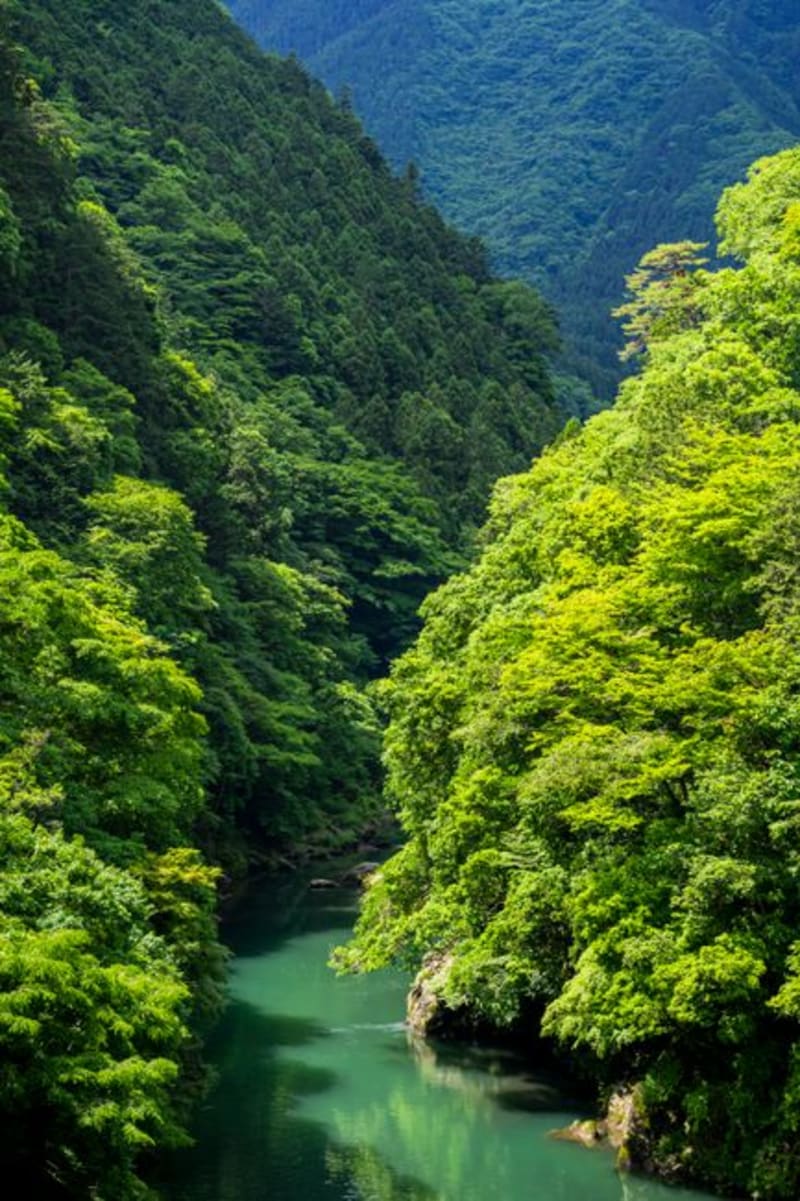
Tokyo's forgotten western edge, where the metropolis dissolves into cedar mountains and a jade-green reservoir. Lia and I came here to remember that the world's largest city keeps a wilderness in its back pocket. Two hours from Shinjuku and suddenly we could hear the river.
Explore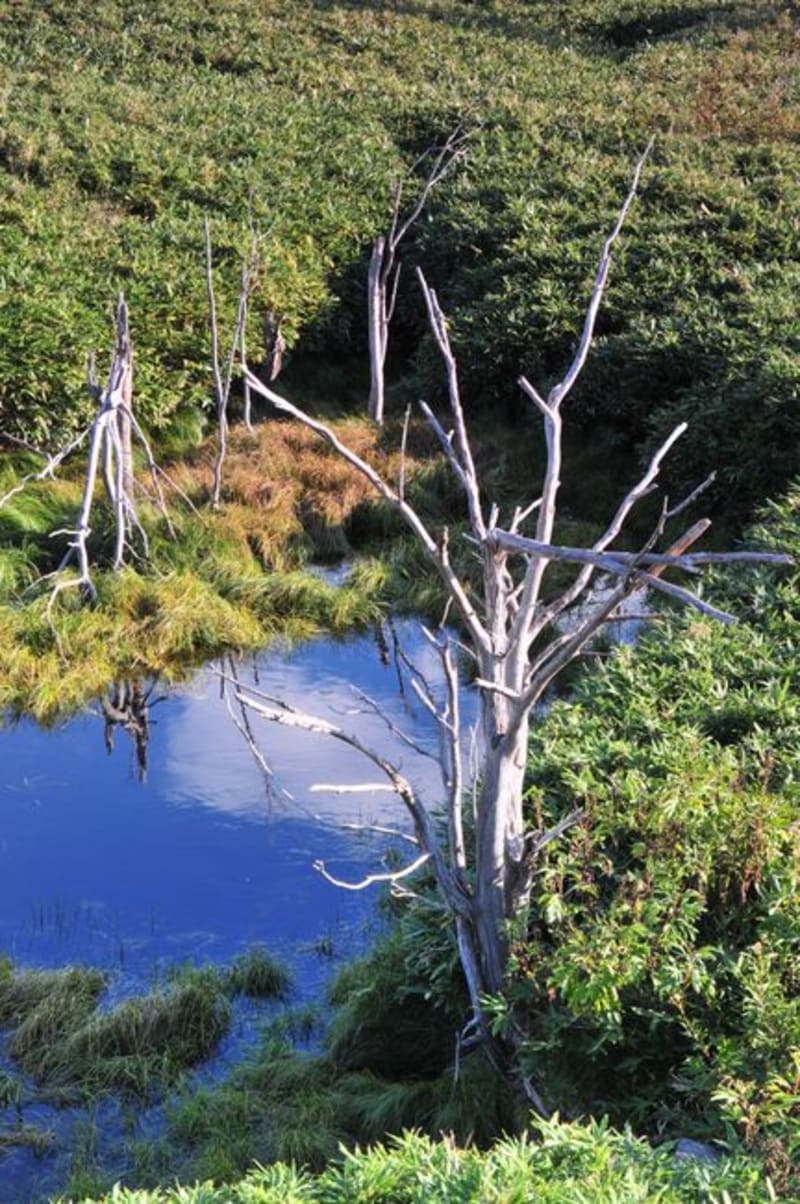 japan
japan Oze
A vast high marshland straddling four prefectures, laced with wooden boardwalks that float across the wet moor. In late spring the skunk cabbage blooms in white drifts; in summer the tiny nikkokisuge lilies turn the plain gold. A rare, tender wilderness reached only on foot, hushed and huge under a wide mountain sky.
Explore japan
japan Sano
A ramen-obsessed town north of Tokyo built around a distinctive hand-cut wrinkled noodle, oddly paired with a faux-colonial American-style outlet mall that draws its own separate crowd entirely.
Explore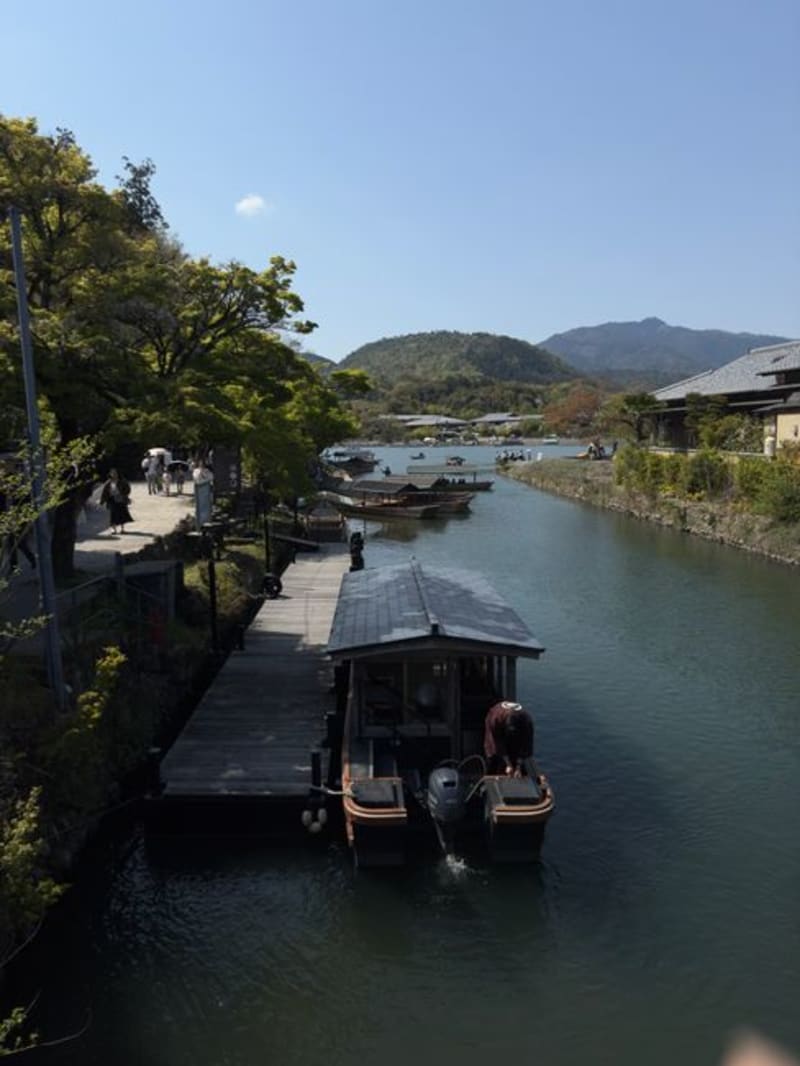 japan
japan Sawara
A Chiba 'Little Edo' where black-walled merchant houses lean over a willow-shaded canal still plied by wooden boats. Home to the great mapmaker Inō Tadataka and a thunderous float festival. Quietly nostalgic, and closer to Tokyo than its stillness suggests.
Explore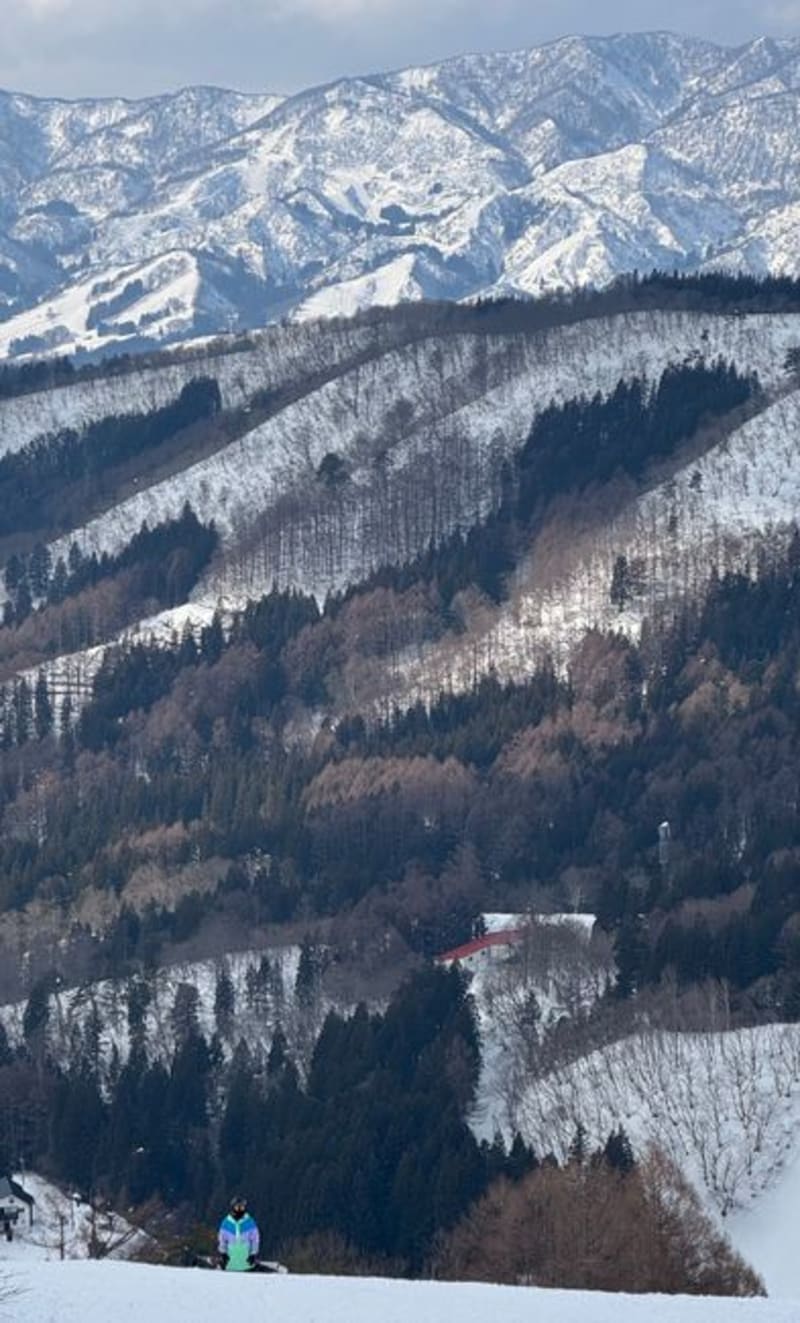 japan
japan Shima Onsen
A hushed hot-spring village strung along a river gorge deep in the Gunma mountains, where the water runs an unearthly blue-green and legend says it cures forty thousand ailments. Shima is the onsen you go to when you want to hear the river and nothing else.
Explore japan
japan Takasaki
A working Gunma city where most of Japan's red daruma dolls are born, one painted eye at a time. Beneath its unglamorous surface lies a quiet devotion to luck, patience, and the long game. Come for the daruma, stay for the ramen and the giant white Kannon watching over the hills.
Explore