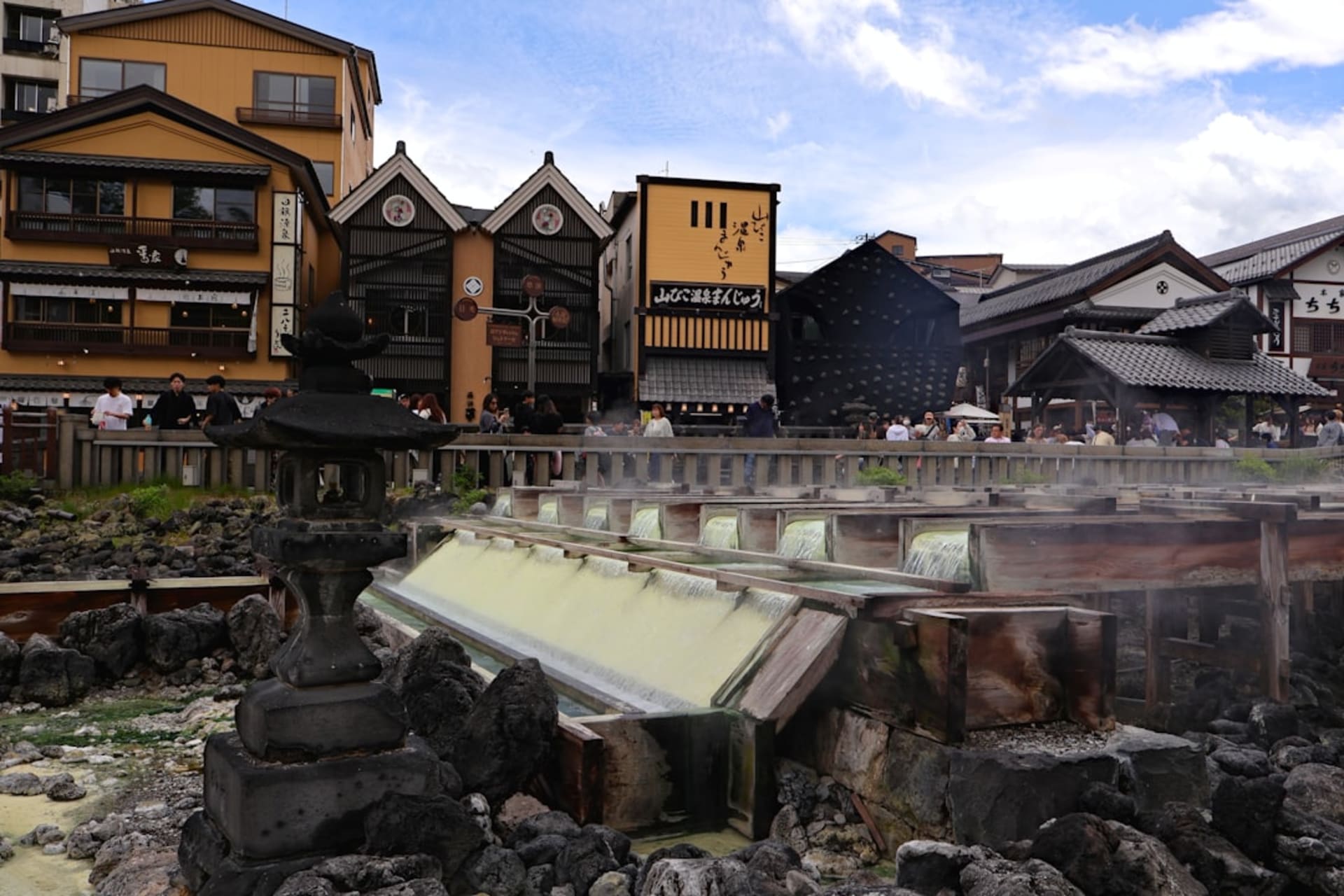
Minakami
"We came off the river soaked and grinning, and the onsen was waiting like a reward we hadn't earned yet."
A mountain hot-spring town in northern Gunma where the upper Tone river tears out of the peaks and adventure outfitters share the valley with old wooden onsen. In summer you raft; in winter the snow falls in metres and you sink into steaming water with white all around.

The bus from Jomo-Kogen dropped us at the edge of town in that first light that mountains have, thin and cold and clean. Minakami didn’t look like much from the road, a scatter of ryokan and rafting shops strung along a river that you could hear before you could see it. But then we crossed the bridge over the upper Tone, and there it was below us, jade-green and furious, hurling itself between boulders on its way down from Tanigawa. Lia gripped the railing and said, quietly, that we were absolutely going in that.
We did. And by the end of three days in Minakami I understood why this pocket of northern Gunma has quietly become the place Tokyo people escape to when they want mountains instead of temples.
Down the upper Tone
Snowmelt makes the Tone dangerous and glorious in late spring, and that’s when we rafted it. Our guide, a wiry man who’d clearly done this a thousand times, briefed us in a mix of Japanese and enthusiastic sound effects, and then we were off, paddling like maniacs into standing waves that soaked us to the bone. There’s a stretch where the river funnels between rock walls and the whole raft goes weightless for a second, and Lia’s shriek turned into a laugh halfway through.
Between the rapids the valley calms and you drift under trees just coming into leaf, herons lifting off the shallows. The company runs canyoning too, further up the side streams, sliding down waterslides the river carved itself. We came off the water shaking with cold and adrenaline, and the onsen back in town was waiting like a reward we hadn’t quite earned yet.

The waters of Takaragawa
Minakami is really a constellation of hot springs, eighteen of them scattered up the valleys, and the most famous is Takaragawa Onsen, a short drive upriver. Its enormous open-air baths sit right on the rocky bank of the Takara stream, so close that the sound of the current never leaves you. We went in the late afternoon when the light was going amber through the maples.
There’s a particular kind of stillness that only comes after you’ve been physically wrecked by a day outdoors and then lowered yourself into water hotter than you think you can stand. Lia and I barely spoke. Steam rose off the surface and off the river beside it, the two waters running side by side, one wild and cold, one still and warm, and I remember thinking that Minakami had arranged its whole self around exactly this contrast.

Beneath Mount Tanigawa
Looming over all of it is Tanigawa-dake, a serious mountain with a fearsome reputation among climbers. We were not about to climb it, but you don’t have to. A ropeway lifts you from the valley floor to the Tenjindaira plateau at its shoulder, and up there the air changed, cooler, sharper, patches of old snow still lying in the hollows in early June.
We walked the gentle trails around the top station, alpine flowers coming out between the rocks, the ridgelines running off blue into the distance. A pair of serious hikers passed us heading for the summit ridge with ropes and helmets, and we wished them luck and turned back for a coffee at the station café, entirely content to admire the mountain rather than fight it. In deep winter this same slope becomes ski country, the snow piling up in the metres that northern Gunma is quietly famous for.

Getting There
Minakami sits at the northern edge of Gunma, deeper into the mountains than most Tokyo day-trippers venture, but easier to reach than it looks. Take the Joetsu Shinkansen from Tokyo to Jomo-Kogen, a journey of little over an hour, then a local bus or a pre-arranged pickup for the twenty-odd minutes up to the town and its ryokan. Slower but prettier is the local JR Joetsu line to Minakami station itself, right in the middle of town. Rafting and canyoning outfitters cluster near the station and will usually collect you from your accommodation. Come between late spring and autumn for the river; come in winter for the deep snow and the onsen, but check road and bus conditions, as the passes above town take serious weather.
Keep exploring
More of Kantō
Keep exploring
More from Kantō
 japan
japan Ikaho Onsen
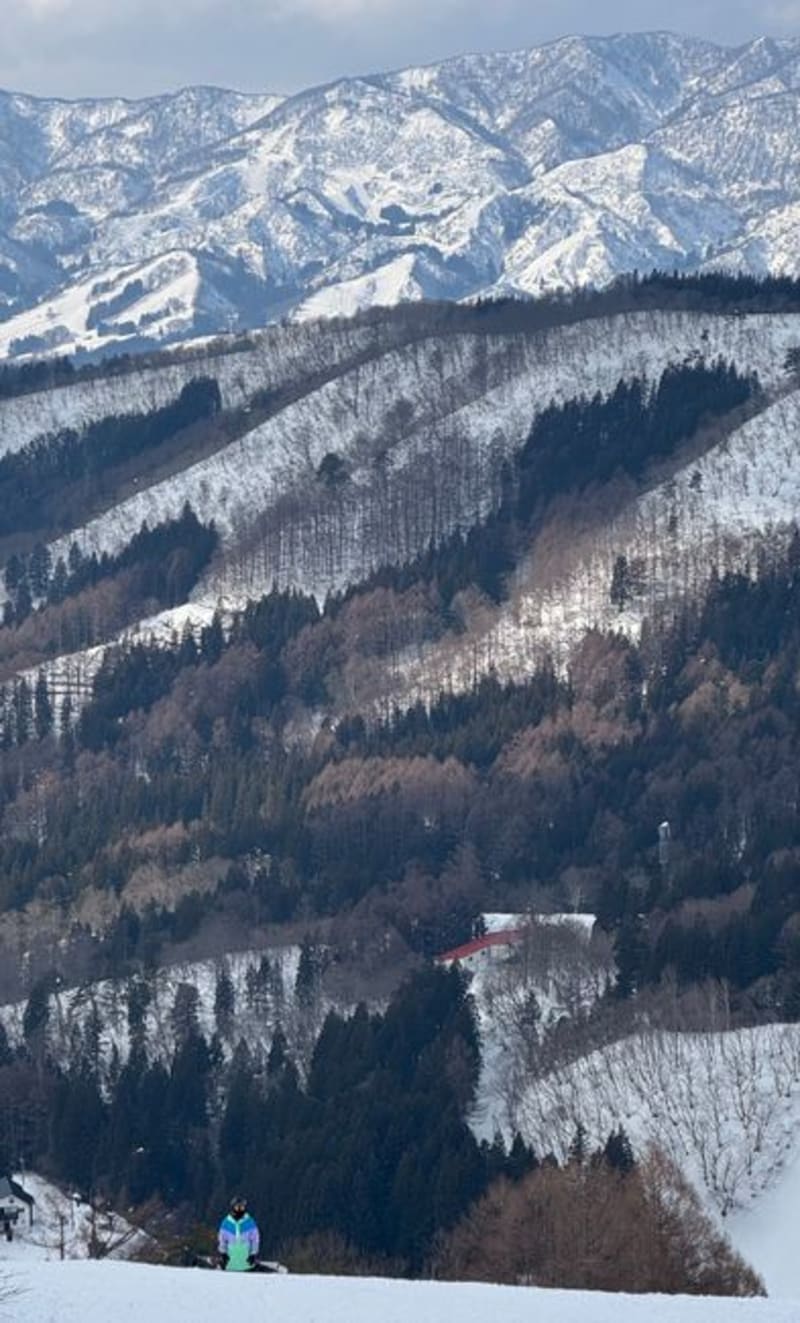
A hot-spring town built up the side of a Gunma mountain around a single, famous stone stairway of 365 steps, lined with bathhouses, game halls, and steam rising into the cedar dusk. Ikaho is old-fashioned onsen Japan at its most atmospheric.
Explore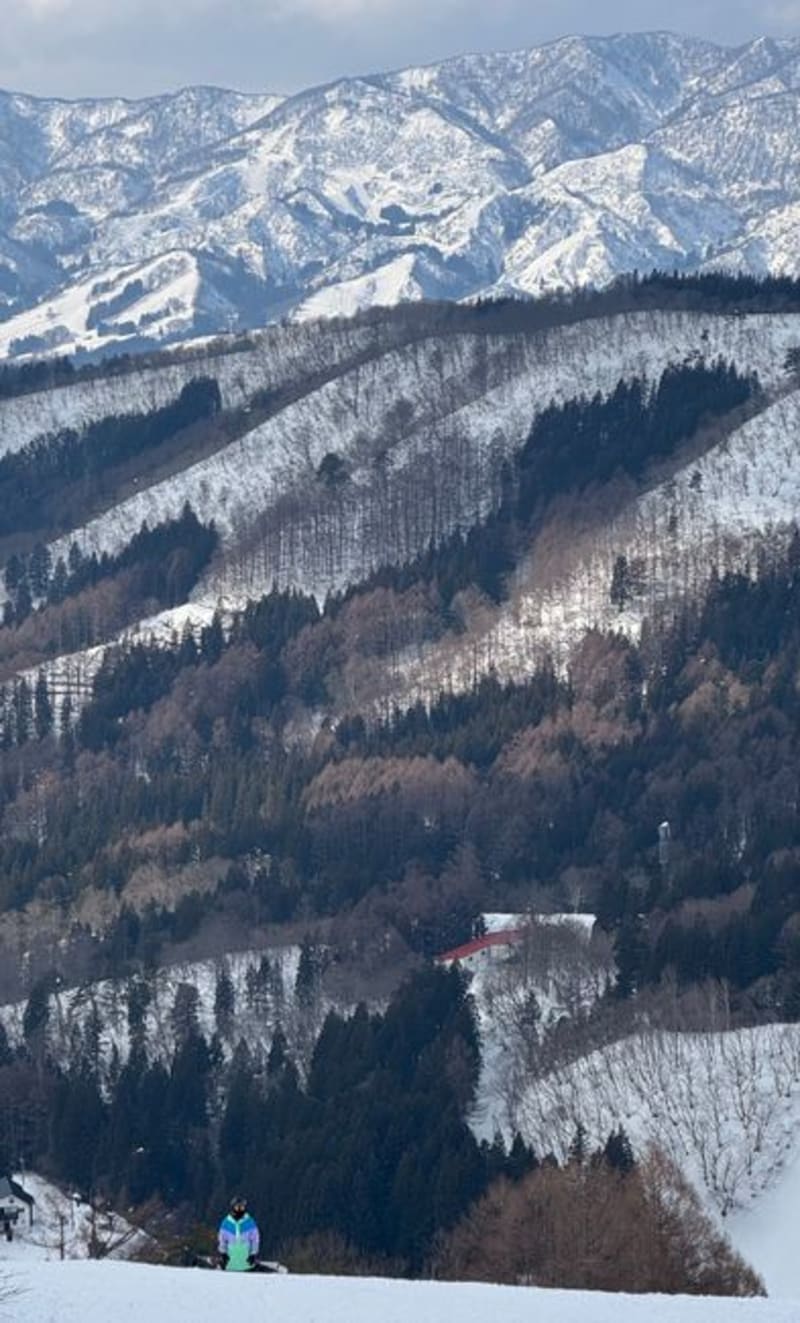 japan
japan Shima Onsen
A hushed hot-spring village strung along a river gorge deep in the Gunma mountains, where the water runs an unearthly blue-green and legend says it cures forty thousand ailments. Shima is the onsen you go to when you want to hear the river and nothing else.
Explore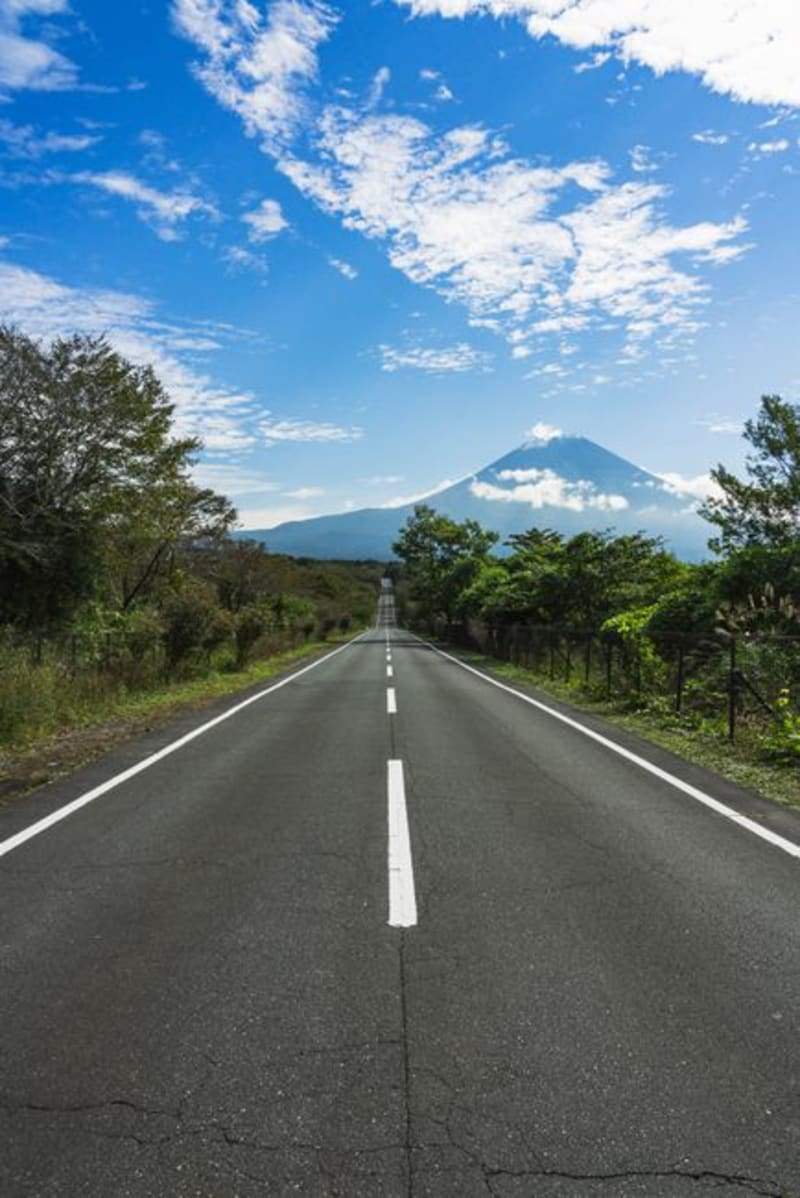 japan
japan Mount Haruna
A collapsed Gunma volcano cradling a still crater lake and a shrine older than most nations. Lia and I climbed here for the quiet and found something stranger — a place where the mountain itself seems to be watching. The kind of stillness that makes you lower your voice.
Explore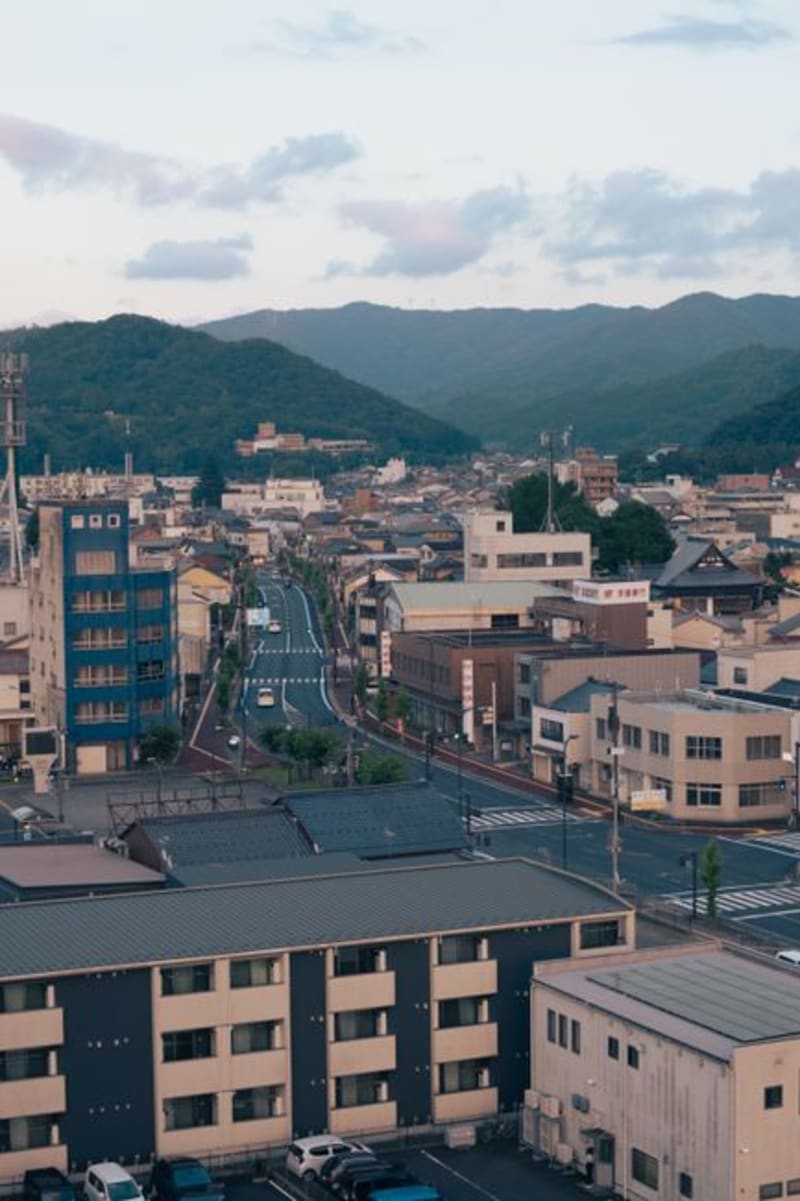 japan
japan Takasaki
A working Gunma city where most of Japan's red daruma dolls are born, one painted eye at a time. Beneath its unglamorous surface lies a quiet devotion to luck, patience, and the long game. Come for the daruma, stay for the ramen and the giant white Kannon watching over the hills.
Explore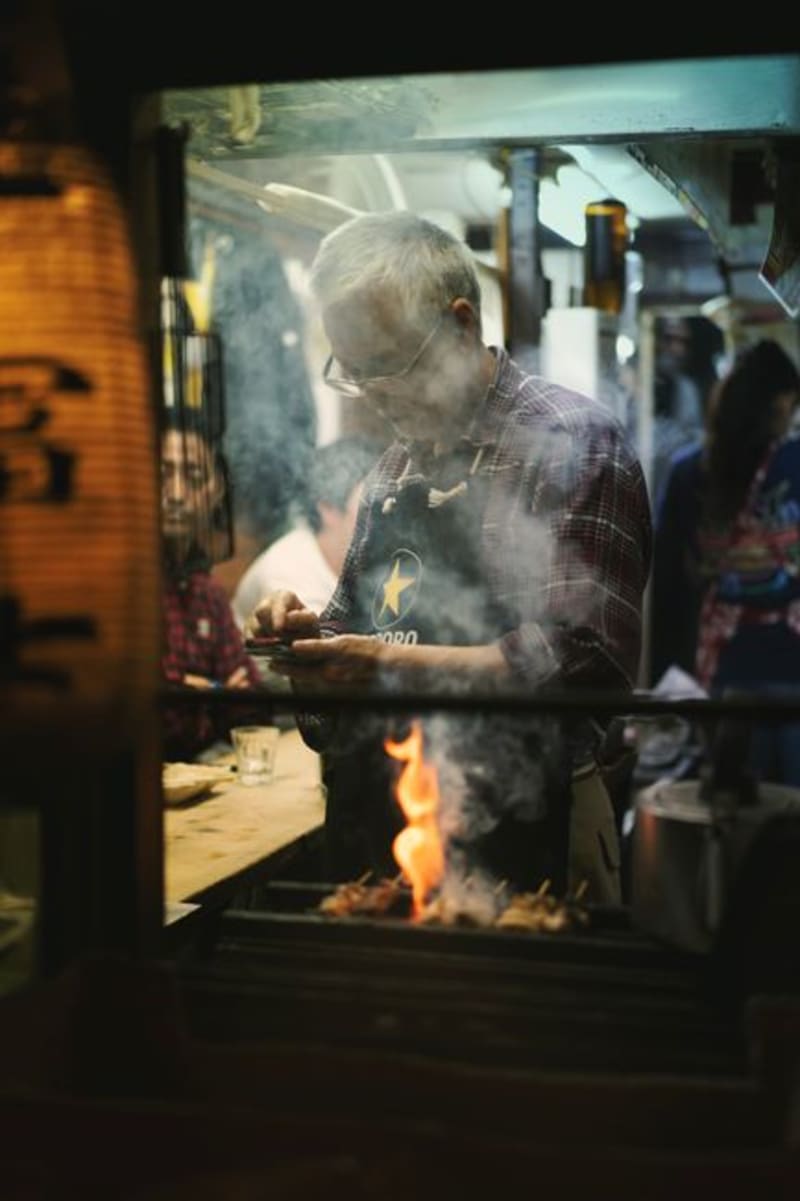 japan
japan Kusatsu Onsen
A hot-spring town high in the Gunma mountains, built around a steaming field of scalding water that pours through the middle of the streets. Sulphur in the air, snow on the roofs, and women singing as they cool the water by hand with wooden paddles.
Explore japan
japan Tomioka
A quiet Gunma town built around a red-brick silk mill that once dressed half the world. The Tomioka Silk Mill is a UNESCO monument to the moment Japan chose to modernise, and to the young women whose fingers made it happen. It's a place about thread, and about everything thread can pull along behind it.
Explore