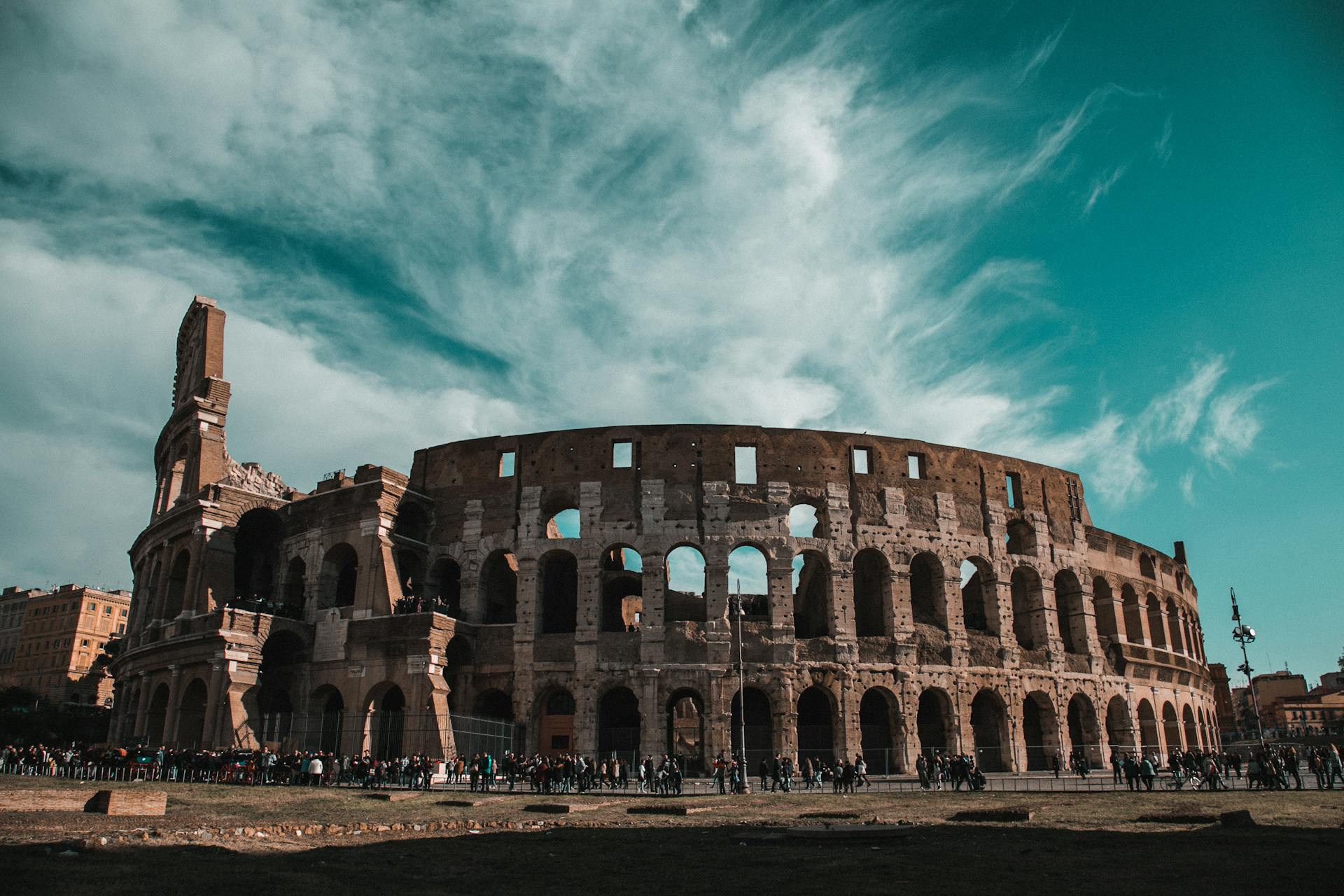
Europe
Italy
"Italy is not a country. It is twenty countries that agreed to share a passport."
Italy’s great trick is that it never feels like one place. The brisk efficiency of Milan has almost nothing in common with the languid chaos of Naples. A Piedmontese truffle risotto and a Sicilian arancino are both Italian in the way that a sonnet and a shout are both language — technically the same category, spiritually different planets. This is what makes Italy inexhaustible. You could visit for thirty years and still find a valley in Basilicata or a hill town in Le Marche that rearranges your understanding of what this country contains.
The south is where Italy becomes most itself. Puglia’s masserie and olive groves, the volcanic strangeness of the Aeolian Islands, the Baroque excess of Lecce — these places carry none of the tourist infrastructure of Tuscany and all of the raw, unmediated character that infrastructure tends to smooth away. Emilia-Romagna deserves a trip built entirely around eating: Parmigiano in Parma, balsamic in Modena, tortellini in Bologna, each town fiercely protective of its contribution. Even Rome, which can feel exhausting in its density of wonders, rewards the visitor who wanders past the obvious — into Trastevere at dusk, into the Aventine Hill’s keyhole view, into a trattoria in Testaccio where the menu has not changed since 1960.
When to go: April to early June or mid-September through October. Italian summers are hot, crowded, and increasingly punishing in the south. October in Piedmont or Umbria — fog, truffles, new wine — may be the most underrated month in European travel.
What most guides get wrong: They concentrate on the north and center. The Mezzogiorno — Naples, Calabria, Sicily, Puglia — is rougher, less polished, and vastly more interesting than most itineraries suggest. Also: eat where Italians eat, not where the menu is in four languages. The difference is not subtle.
Explore
Places in Italy
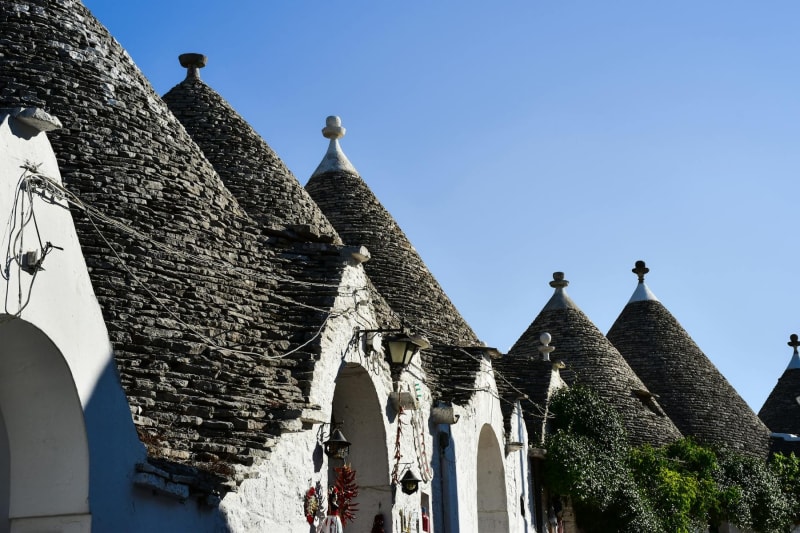
Alberobello
A UNESCO village of limestone trulli — conical dry-stone dwellings that look architectural but were built to be dismantled when tax collectors arrived.
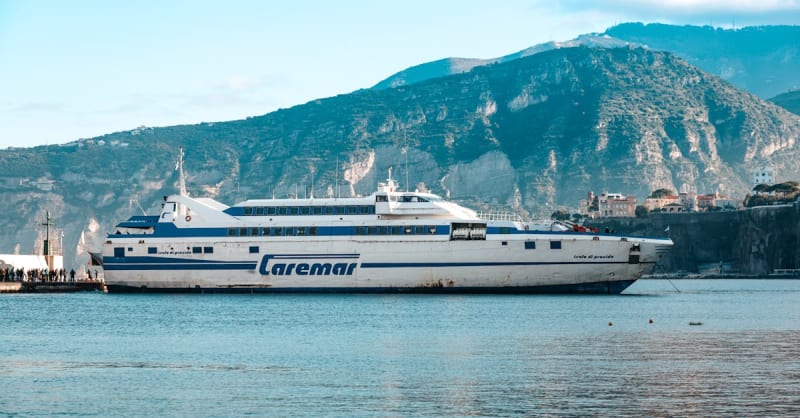
Amalfi Coast
Pastel villages stacked on impossible cliffs above a sea so blue it seems to glow from within.
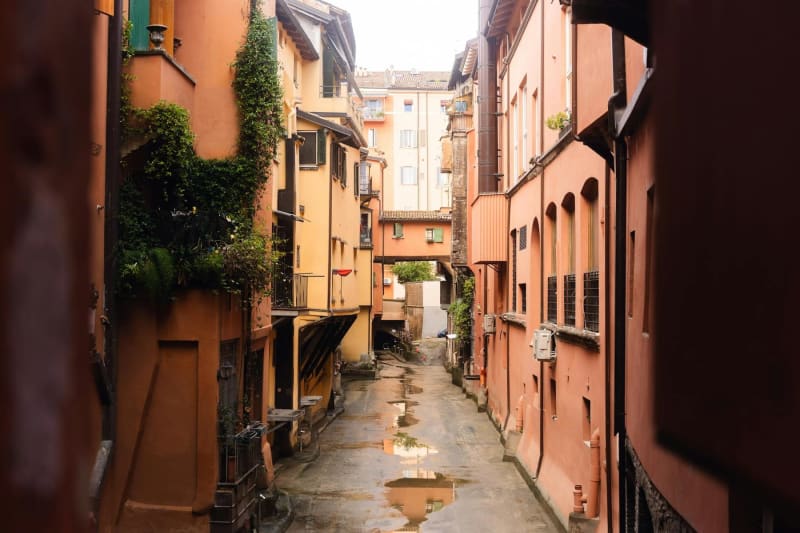
Bologna
La Grassa, La Rossa, La Dotta — fat, red, and learned — Italy's most intellectual and delicious city, with 40 kilometers of shaded porticos.
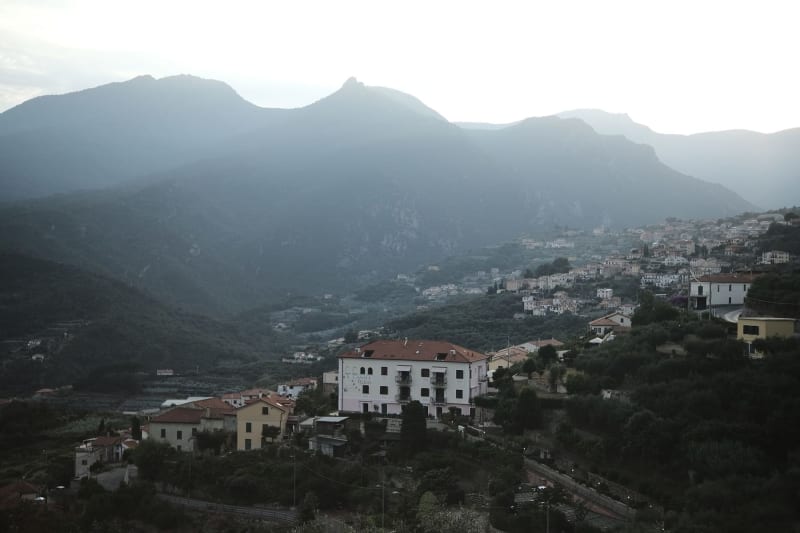
Castelmezzano
A village embedded in the Dolomiti Lucane spires of Basilicata, connected to its twin village only by a zip line.
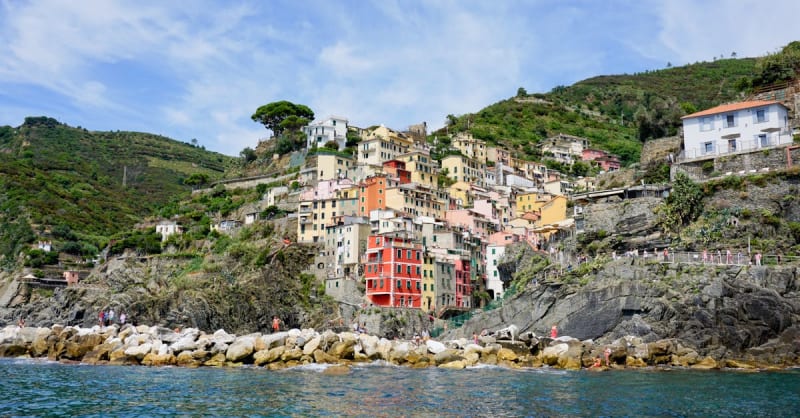
Cinque Terre
Five fishing villages painted onto the cliffs of the Ligurian coast, connected by trails and train tunnels.

Civita di Bagnoregio
The dying city — a medieval village on an eroding tufa cliff linked to the world by a single pedestrian bridge.
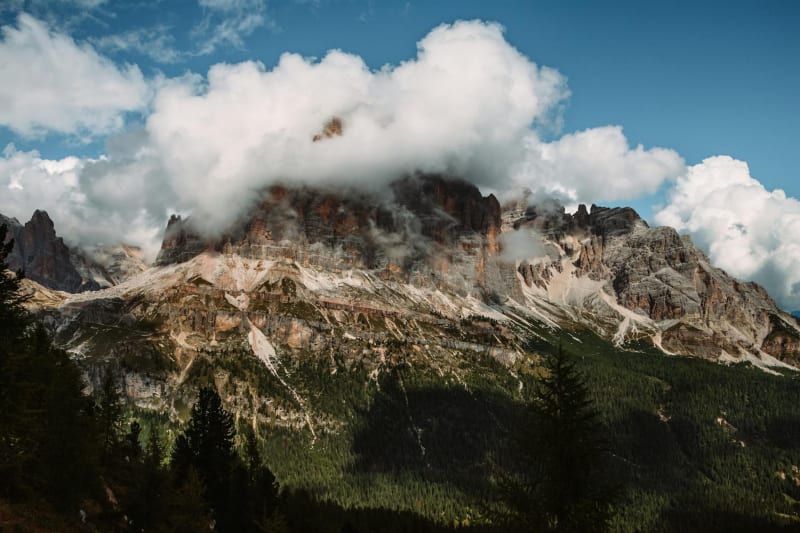
Dolomites
The most dramatic mountain range in the Alps — pink-glowing vertical walls of rock that turn the sky surreal at sunrise and sunset.

Florence
The cradle of the Renaissance, where every church holds a masterpiece and every meal is an event.
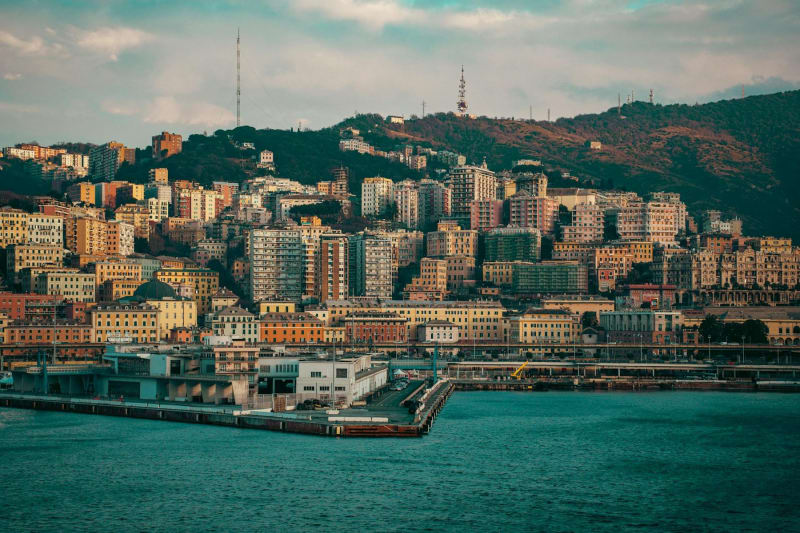
Genoa
A gritty, golden, misunderstood port city whose narrow medieval caruggi alleys hide Renaissance palaces, Caravaggio paintings, and exceptional pesto.
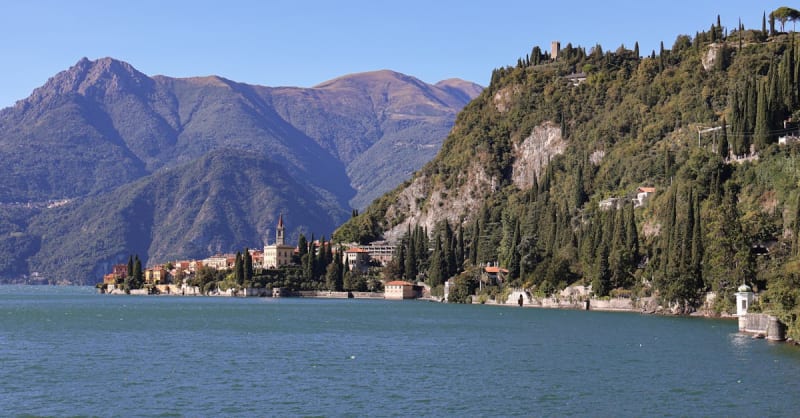
Lake Como
Alpine peaks plunging into mirror-still waters, lined with villas, gardens, and a quietness that money cannot buy.

Lake Garda
Italy's largest lake, where lemon terraces, Roman ruins, and an Alpine wind all crowd onto the same impossible blue water.
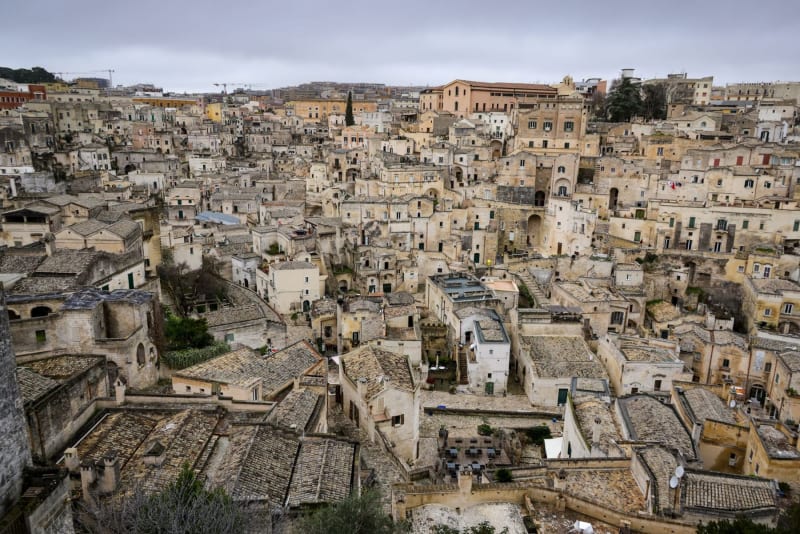
Matera
One of humanity's oldest continuously inhabited cities — cave dwellings carved into ravine walls that glitter with candlelight as a European Capital of Culture.
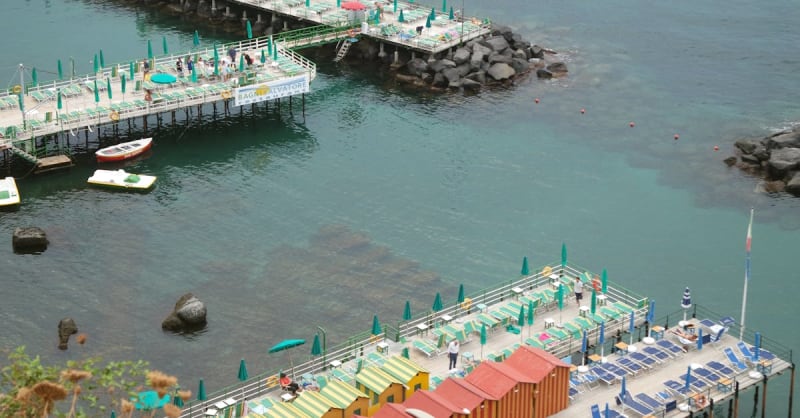
Naples
Raw, chaotic, and magnificent — the city that invented pizza and never lost its edge.

Orvieto
Perched on a volcanic tufa cliff above the Umbrian plain, Orvieto's striped Gothic cathedral contains frescoes Michelangelo studied before painting the Sistine Chapel.
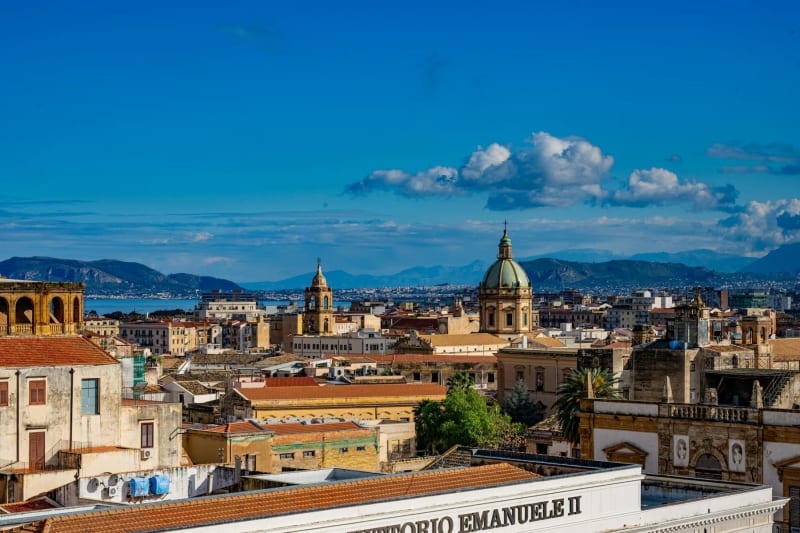
Palermo
Sicily's chaotic, sensory capital where Arab-Norman churches stand beside street markets that smell of spices, saffron, and grilled swordfish.
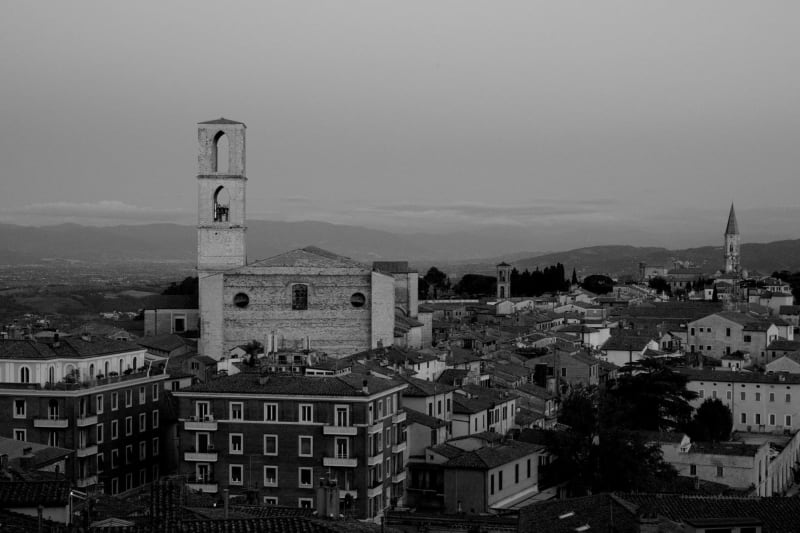
Perugia
Umbria's hilltop capital combines Etruscan gates, a medieval aqueduct, the world's greatest chocolate festival, and a student population that keeps it electric.
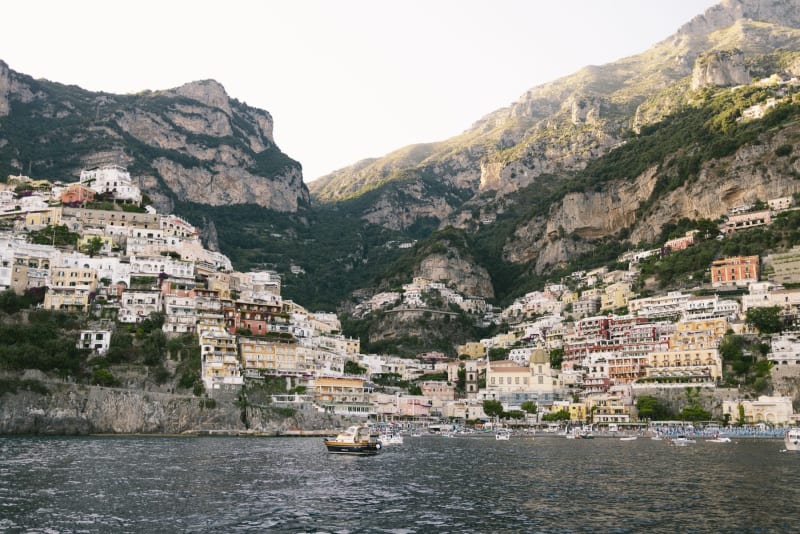
Positano
The most vertically dramatic village on the Amalfi Coast — all pastel terraces, bougainvillea, lemon groves, and staircases that double as streets.
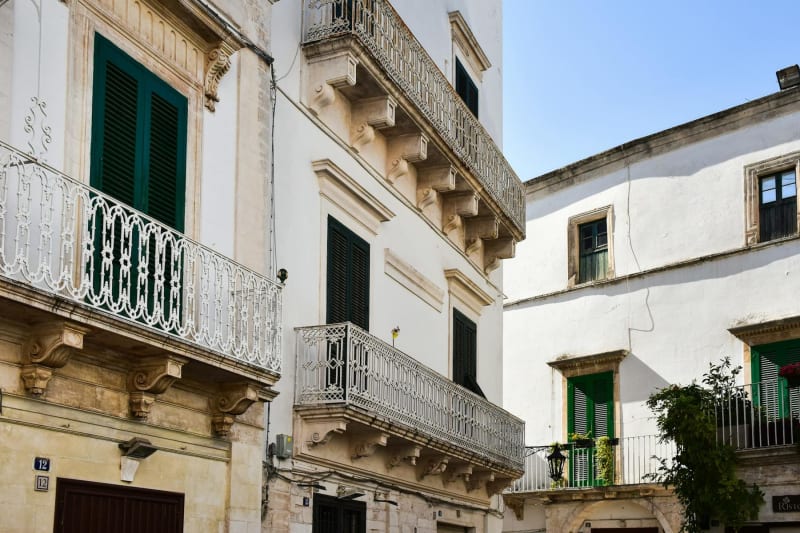
Puglia
The heel of Italy's boot: trulli-dotted valleys, baroque Lecce stone, Adriatic fishing towns, and an olive-oiled, orecchiette-centric kitchen culture.
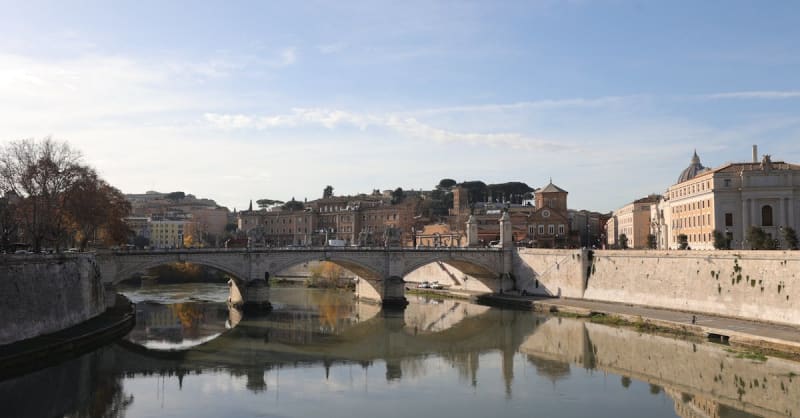
Rome
The Eternal City — where ancient ruins, Renaissance art, and the world's best carbonara coexist on every block.
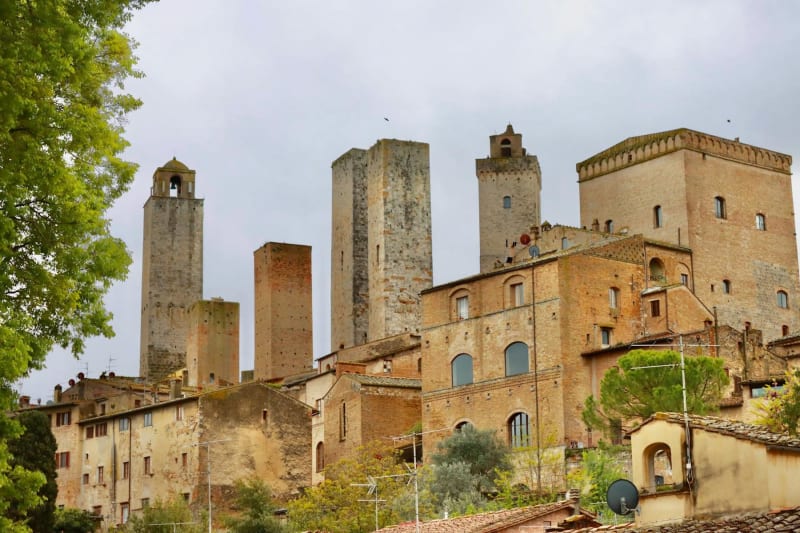
San Gimignano
A hilltop Tuscan town whose medieval tower skyline looks entirely unchanged since the 14th century — 14 towers of noble rivalry still standing.
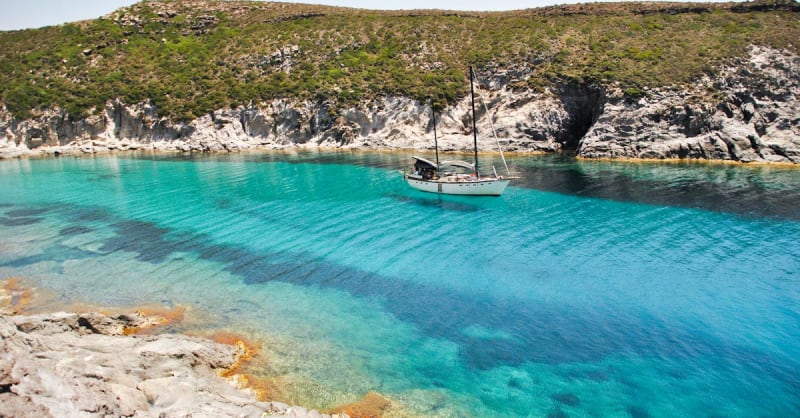
Sardinia
An island of Caribbean-blue waters, Bronze Age ruins, and a fierce independence that feels like its own country.
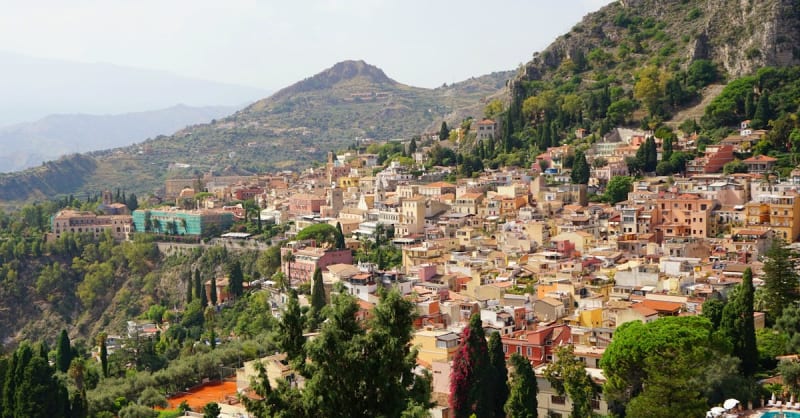
Sicily
An island of Greek temples, active volcanoes, and a cuisine that is Italy's most underrated.

Torino
The chocolate and Baroque capital of northern Italy stands beneath the Alps in elegant colonnaded streets that smell of espresso and early mornings.
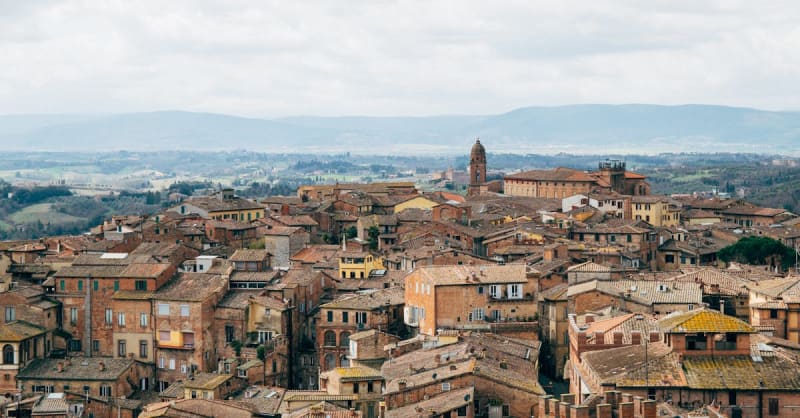
Tuscany
Rolling hills, cypress-lined roads, and a landscape so beautiful it became the definition of pastoral.
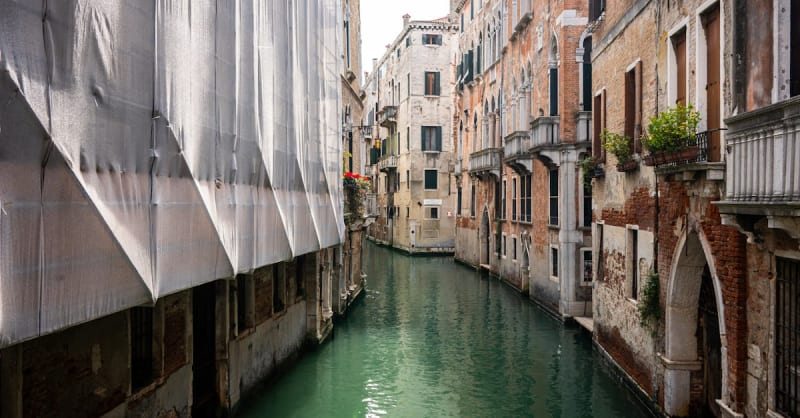
Venice
A city built on water and dreams — improbable, impractical, and utterly irreplaceable.
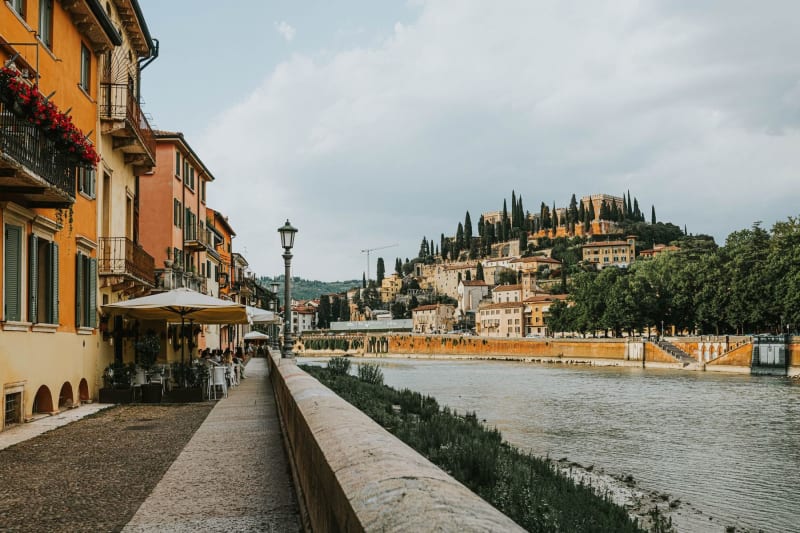
Verona
Shakespeare's city of love has a Roman amphitheater where operas still echo in summer, and medieval streets that rival Florence for beauty.