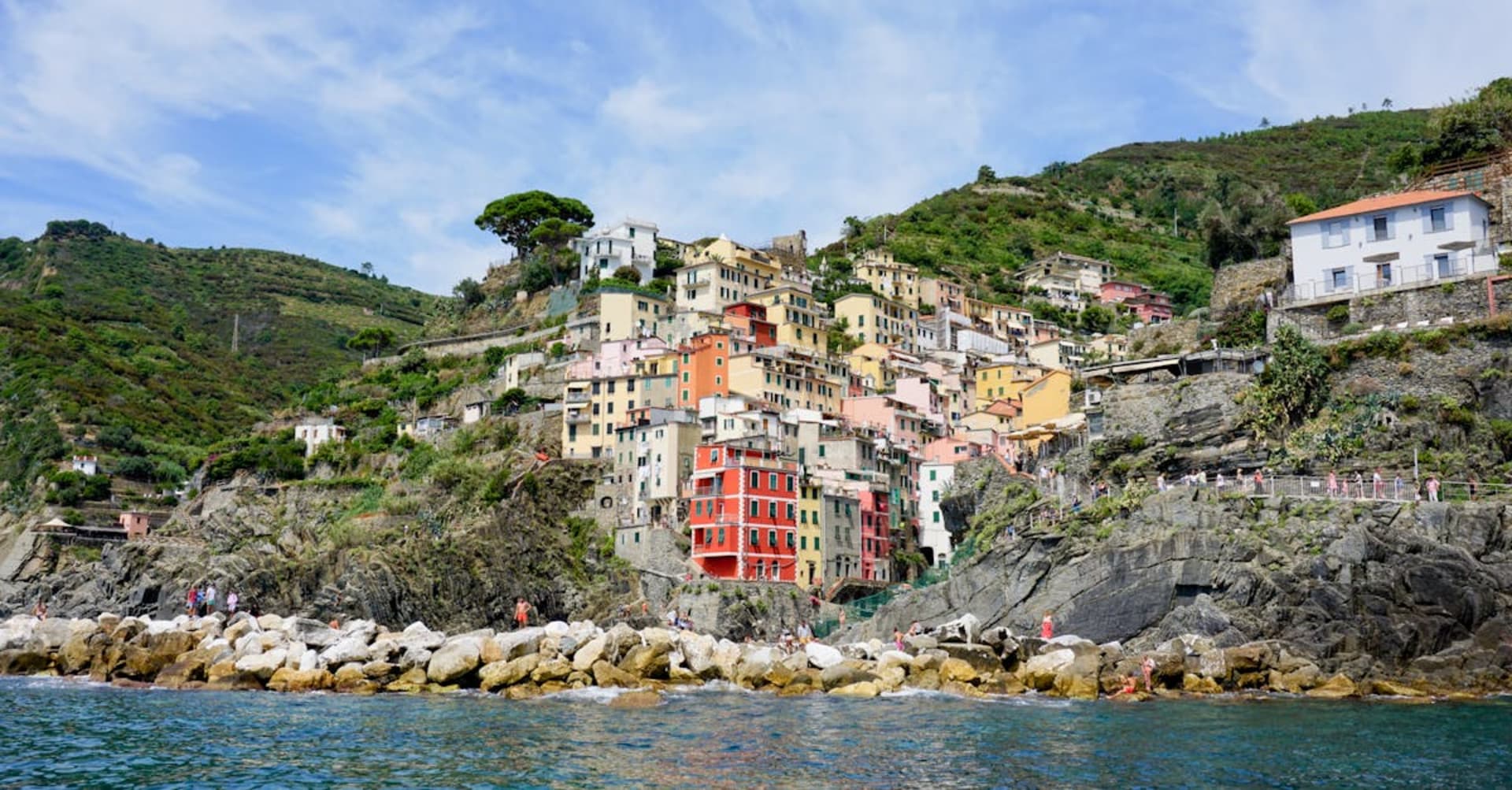
The five villages of Cinque Terre — Monterosso, Vernazza, Corniglia, Manarola, Riomaggiore — cling to a stretch of Ligurian coastline so steep that for centuries the only access was by boat or mule trail. The terraced vineyards above were built by hand, stone wall by stone wall, over generations, and the wine they produce — Sciacchetrà, a sweet amber dessert wine made from grapes dried in the salt air — tastes like the effort that made it. I arrived by train from La Spezia on a morning in early October, and when the tunnel opened and Riomaggiore appeared — vertical, improbable, the houses stacked like books on a tilted shelf — I made a sound that was not quite a word.
The Villages
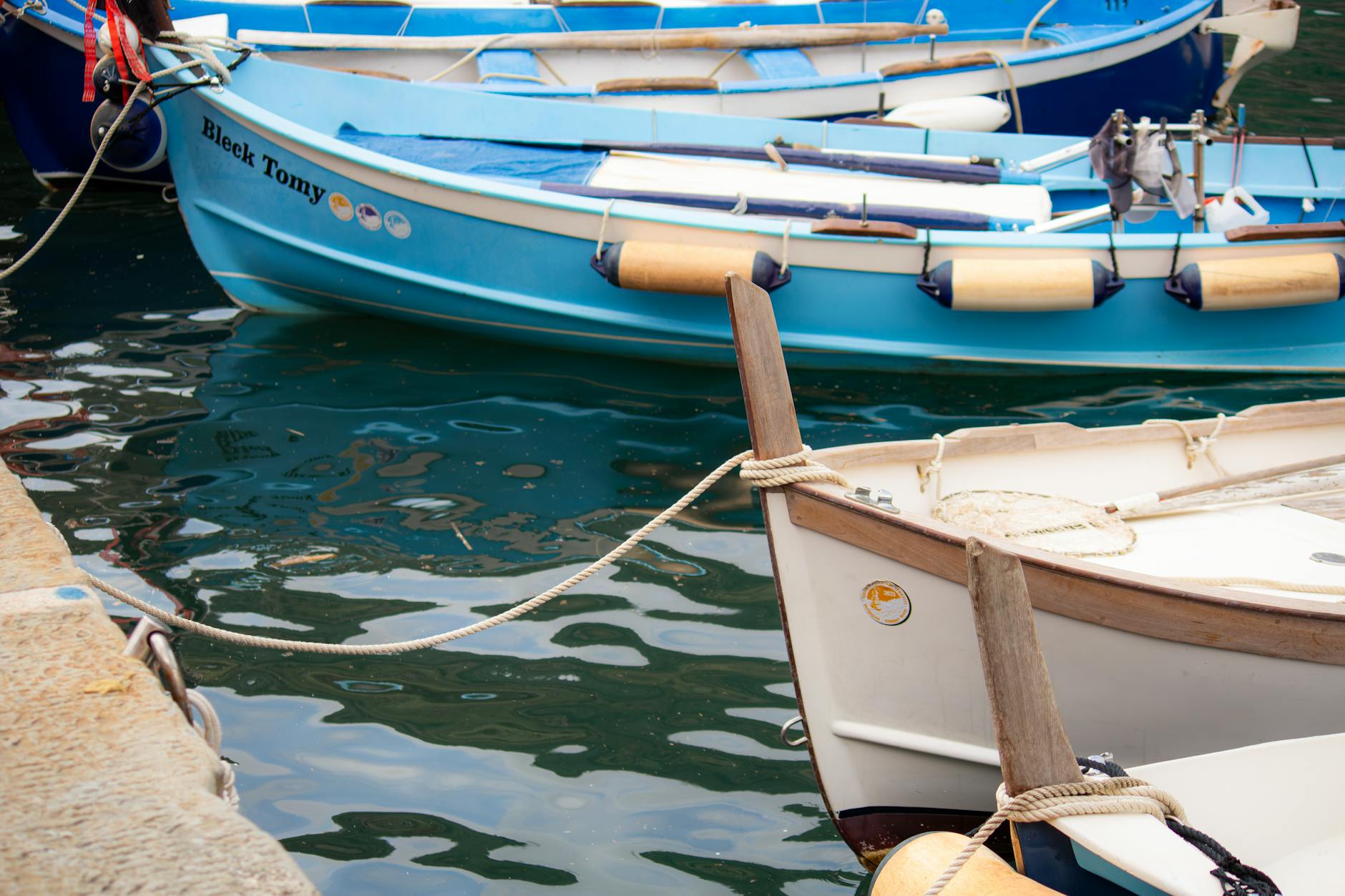
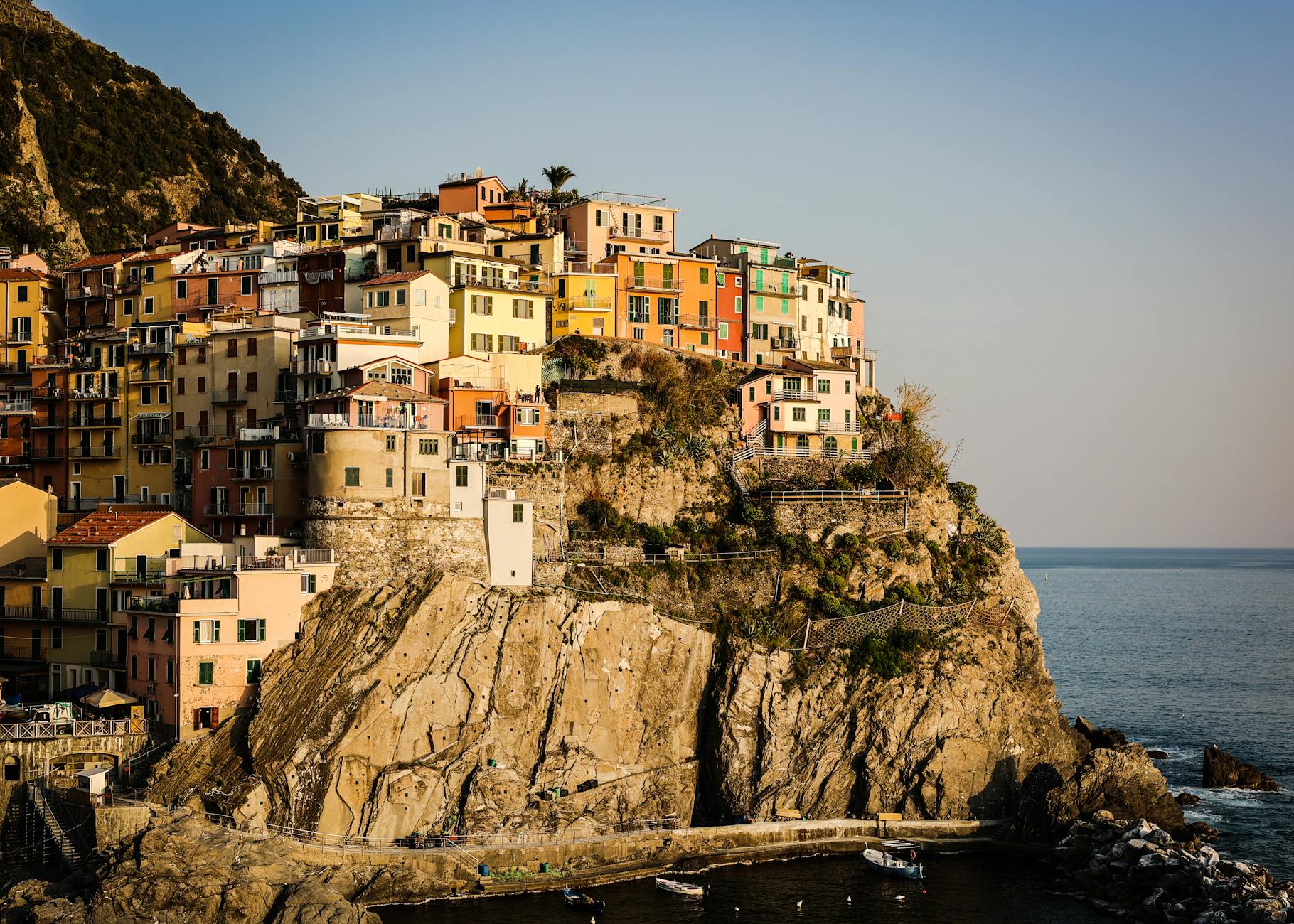
Vernazza is the jewel, its tiny harbor framed by a medieval tower and houses in every shade of ochre and rose. The harbor is so small that a few fishing boats and a handful of swimmers fill it entirely, and the intimacy of the scale is what makes it work — this is not a resort, it is a village that happens to be extraordinarily beautiful. I sat on the breakwater with a cone of fried anchovies and a glass of the local Vermentino and watched the afternoon light move across the facades, and I understood why people return here year after year. Manarola is the most photographed, especially at dusk when the houses glow against the darkening sea in colors that look enhanced but are not.
Corniglia sits highest, the only village without direct sea access, reached by a staircase of 382 steps — the Lardarina — that earns you a quieter, more residential atmosphere and views that stretch in both directions along the coast. Monterosso has the only real beach, a stretch of sand between the old and new towns. Riomaggiore tumbles down to a rocky cove where swimmers share the water with fishing boats.
The Trails
The hiking trails between villages are the best way to experience the coast — the Sentiero Azzurro traces the clifftops past olive groves and through terraced hillsides, each bend revealing another village stacked impossibly against the rock. The hardest stretch, from Vernazza to Corniglia, is also the most rewarding: you climb through vineyards so steep the grapes are harvested by monorail, and the sweat is the price of admission to views that feel earned rather than given. The higher trail — the Sentiero Rosso, or Red Trail — runs along the ridge above, through forest and meadow, with the sea far below and the mountains of the Apennines behind you.
Swim off the rocks, eat pesto on fresh trofie — this is the birthplace of pesto, and you have not tasted it properly until you have it here, made with the tiny, fragrant basil that grows in these hills. Drink the local white wine. Take the train between villages when your legs refuse to cooperate — the tunnels are short, and each station opens onto another implausible scene.
When to go: April through May or September through October. Summer is beautiful but extremely crowded on the narrow trails — the park authorities now limit daily visitors, so book hiking permits in advance. Late September is ideal: warm enough to swim, quiet enough to hear the sea.