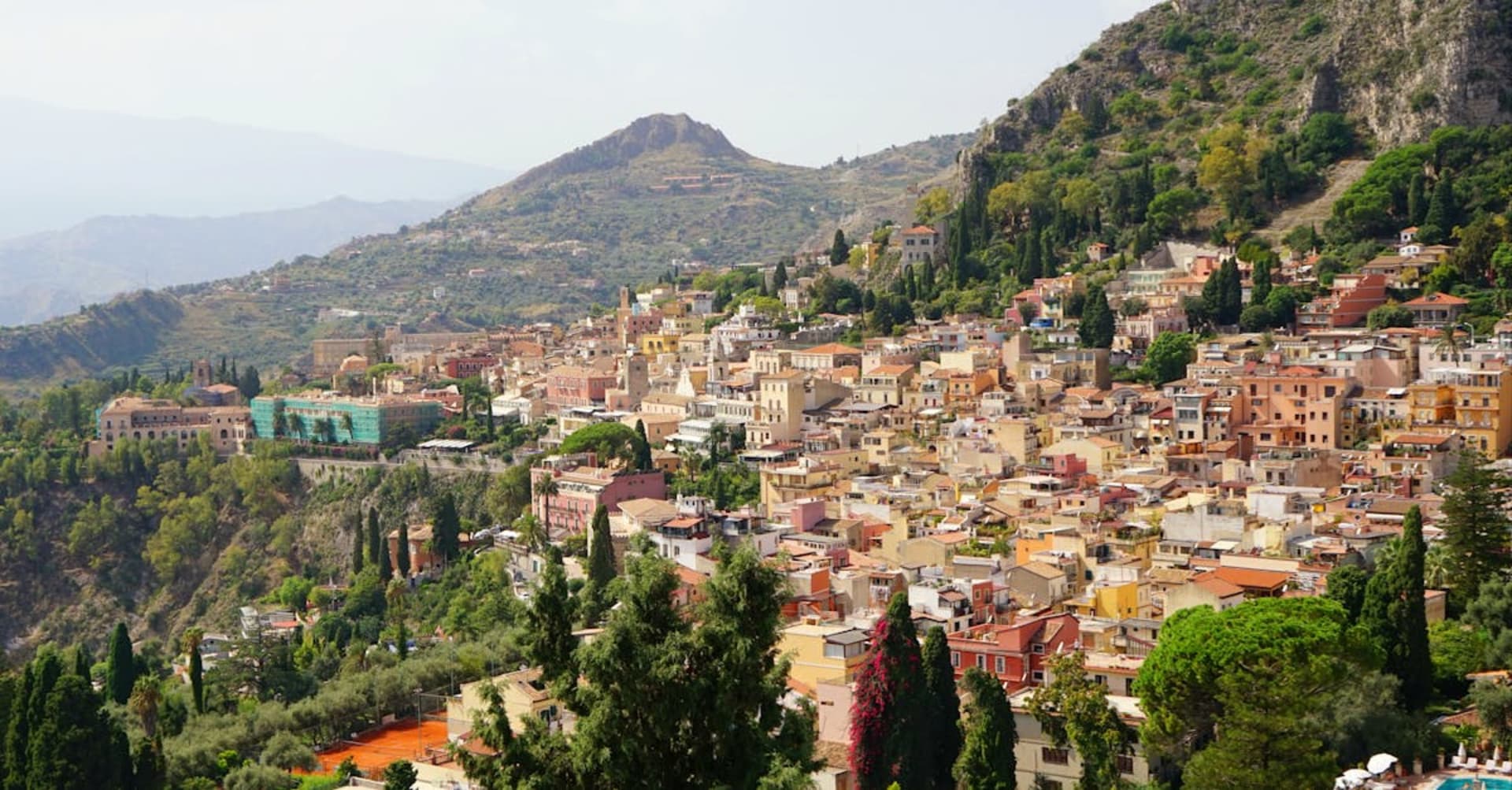
Sicily is not quite Italy — it is something older, wilder, and more layered. Greeks, Romans, Arabs, Normans, and Spanish all ruled here, and each left their mark: the temples at Agrigento rival anything in Athens, Palermo’s churches blend Byzantine mosaics with Islamic arches, and the food carries echoes of North Africa in its couscous, its capers, its sweet-and-sour caponata. As a Frenchman, I recognize something familiar in Sicily’s relationship with the mainland — the insistence on being understood as its own place, not a province of somewhere else. The Sicilians I met were emphatic about this distinction.
Palermo and the Street Life
Palermo is chaotic and magnificent, its street markets — Ballarò, Vucciria — a sensory overload of fried panelle, spleen sandwiches, and swordfish steaks sizzling over charcoal. I ate my way through Ballarò for two hours, stopping at every cart that caught my eye, and spent less than ten euros on what amounted to one of the best meals of my life. The Norman Palace and its Palatine Chapel — where Christ Pantocrator stares down from a ceiling of gold mosaic — is perhaps the single most beautiful interior I have encountered in Italy, and the competition for that title is absurd. The Capuchin Catacombs are something else entirely: eight thousand mummified bodies displayed in their Sunday best, an encounter with mortality that makes you walk out blinking into the Sicilian sun feeling very, very alive.
Etna and the East
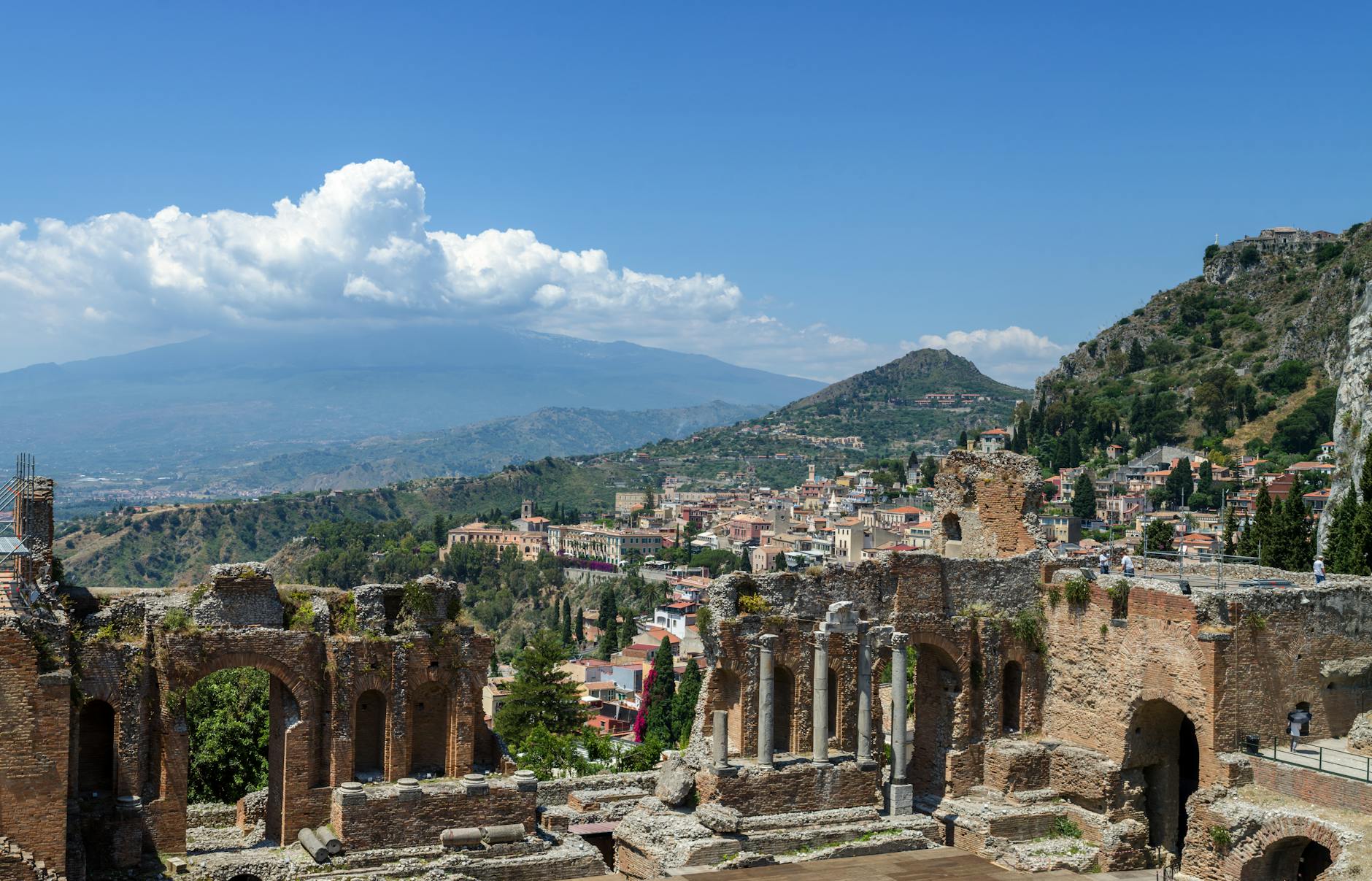
Taormina perches above the Ionian Sea with views of Etna that have drawn visitors since the Grand Tour — the Greek theater, still used for performances, frames the volcano in its archways as if the ancients designed the sightline deliberately. The volcano itself is an experience: hike the summit craters, where the ground steams and the scale of the caldera makes you feel geological, or drive through the vineyards on its lower slopes, where the volcanic soil produces wines — Nerello Mascalese, Carricante — of startling intensity and mineral depth. Etna is not a backdrop to Sicilian life. It is the explanation for Sicilian character: living beside something that could destroy you at any moment teaches a particular approach to the present tense.
The Baroque Southeast
The baroque towns of the southeast — Noto, Ragusa, Modica — are a UNESCO-listed procession of honey-colored stone. They were all rebuilt after the catastrophic earthquake of 1693, and the architects of the reconstruction used the disaster as permission to dream extravagantly. Noto’s main street is a parade of curlicued facades and balconies held up by carved figures — grotesques, cherubs, lions, and horses — that make the buildings look like they are performing. Modica produces chocolate using an ancient Aztec technique brought by the Spanish, ground cold with sugar and spices, and the result has a grainy, intense quality that bears no resemblance to what the rest of Europe calls chocolate.
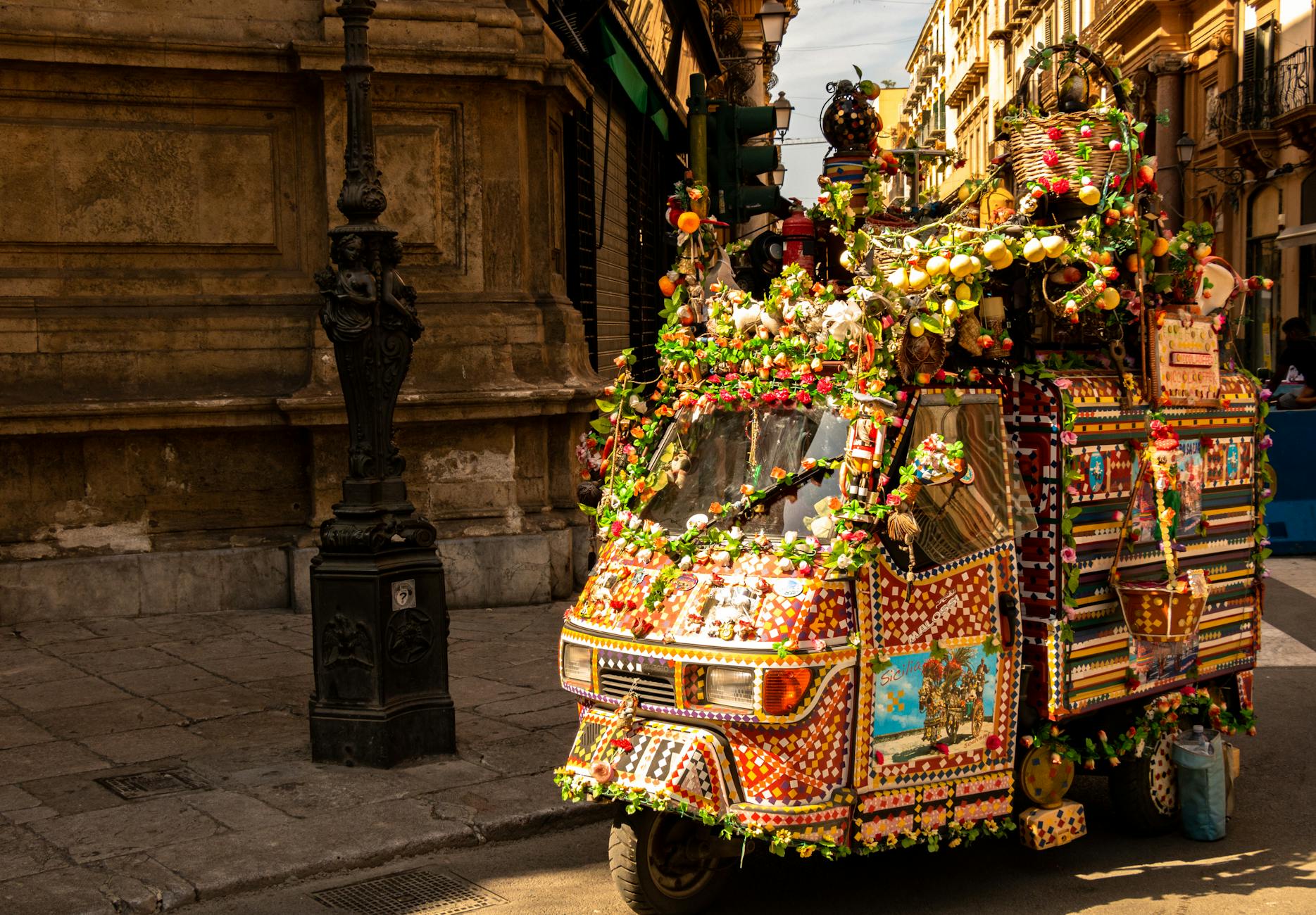
When to go: May through June or September through October. Spring brings wildflowers; autumn brings the grape and olive harvests. Summer is punishing — forty-degree days are common — but the sea is warm and the coastal towns come alive after dark with a nocturnal energy that makes the heat almost worthwhile.