
Florence is a city-sized museum that happens to serve extraordinary food. Brunelleschi’s dome still dominates the skyline, an engineering marvel that changed architecture forever. The Uffizi holds Botticelli’s Birth of Venus and rooms of Renaissance painting so dense you emerge slightly dazed. Michelangelo’s David stands in the Accademia, larger and more powerful than any reproduction suggests — I remember rounding the corner into the gallery and feeling something close to vertigo at the sheer physical presence of the thing. Coming from France, where we are not shy about our own artistic heritage, Florence still managed to humble me.
The Masterpieces
The Uffizi demands strategy. Go early, book tickets online, and resist the temptation to see everything — it cannot be done in a day, and attempting it turns genius into wallpaper. Instead, choose your battles: Botticelli’s rooms, the Caravaggio, the Raphael. Then leave. Walk across the Ponte Vecchio — goldsmiths’ shops suspended over the Arno since the fourteenth century — and let the city itself become the gallery. Florence was built by people who believed that beauty was a civic obligation, and the evidence is everywhere: in the proportions of a piazza, the curve of a loggia, the way the afternoon light falls on the Arno and turns it briefly to gold.

The Other Side of the Arno
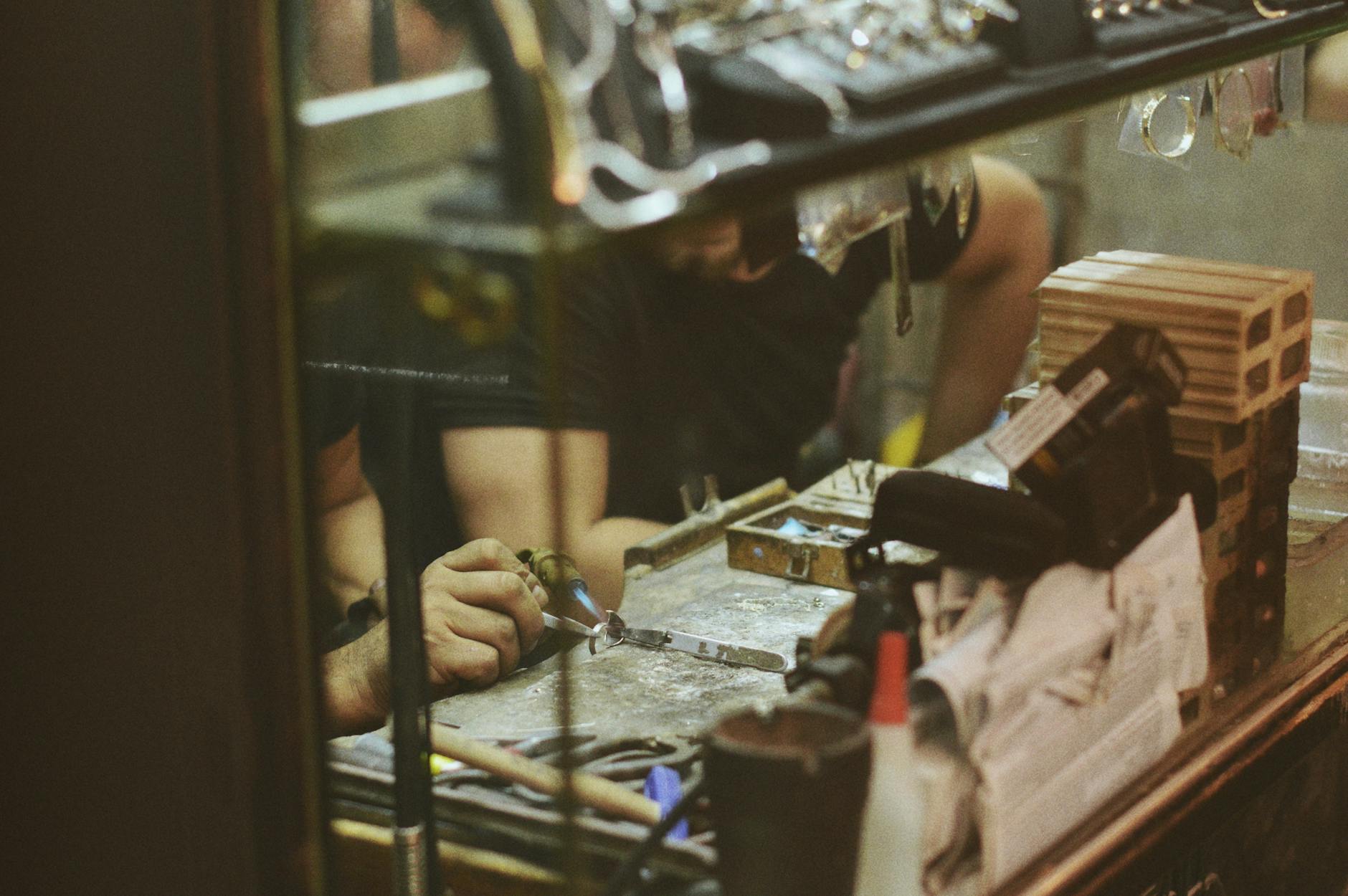
Cross the river to the Oltrarno — the artisan quarter where leather workers, bookbinders, and silversmiths still practice their crafts in workshops unchanged for generations. This is where Florence breathes. The Santo Spirito piazza fills with locals drinking Aperol spritz in the evening light, and the Brancacci Chapel holds Masaccio frescoes that taught perspective to every painter who followed. Climb to Piazzale Michelangelo at sunset for the view that launched a thousand postcards — the dome, the tower, the river, the hills beyond, all of it arranged as if the city were posing. I have watched sunsets in many places, and this one competes with the best.

Eating in Florence
Eat a lampredotto sandwich from a street cart — tripe, slow-braised and served in a bun with salsa verde, the kind of working-class food that Michelin has not yet managed to ruin. Bistecca alla fiorentina at a market trattoria — a T-bone steak aged, charred, and served rare with nothing but salt and olive oil, because when the ingredients are this good, technique is just knowing when to stop. Gelato from a shop that makes it fresh each morning. The Mercato Centrale is a temple to Tuscan ingredients, and the sandwich counter at All’Antico Vinaio generates a queue that wraps around the block for a reason.
When to go: May or September for pleasant weather and thinner crowds. June brings the Calcio Storico, Florence’s brutal historic football match — part sport, part brawl, entirely Florentine. October is underrated: the light is softer, the tourists thinner, and the first of the Tuscan wines arrive.