The Amalfi Coast is one of those places that photographs accurately. The cliffs really are that steep, the houses really are that colorful, the sea really is that particular shade of impossible blue. The road from Sorrento to Salerno — the SS163 — is carved into the rock face, threading through tunnels and around blind curves with the Mediterranean dropping away below. I have driven coastlines in Mexico, in Portugal, in the south of France, and nothing I have encountered matches the concentrated drama of this stretch. Fifty kilometers of road that feel like a hundred, because every turn demands that you stop and look.
The Villages
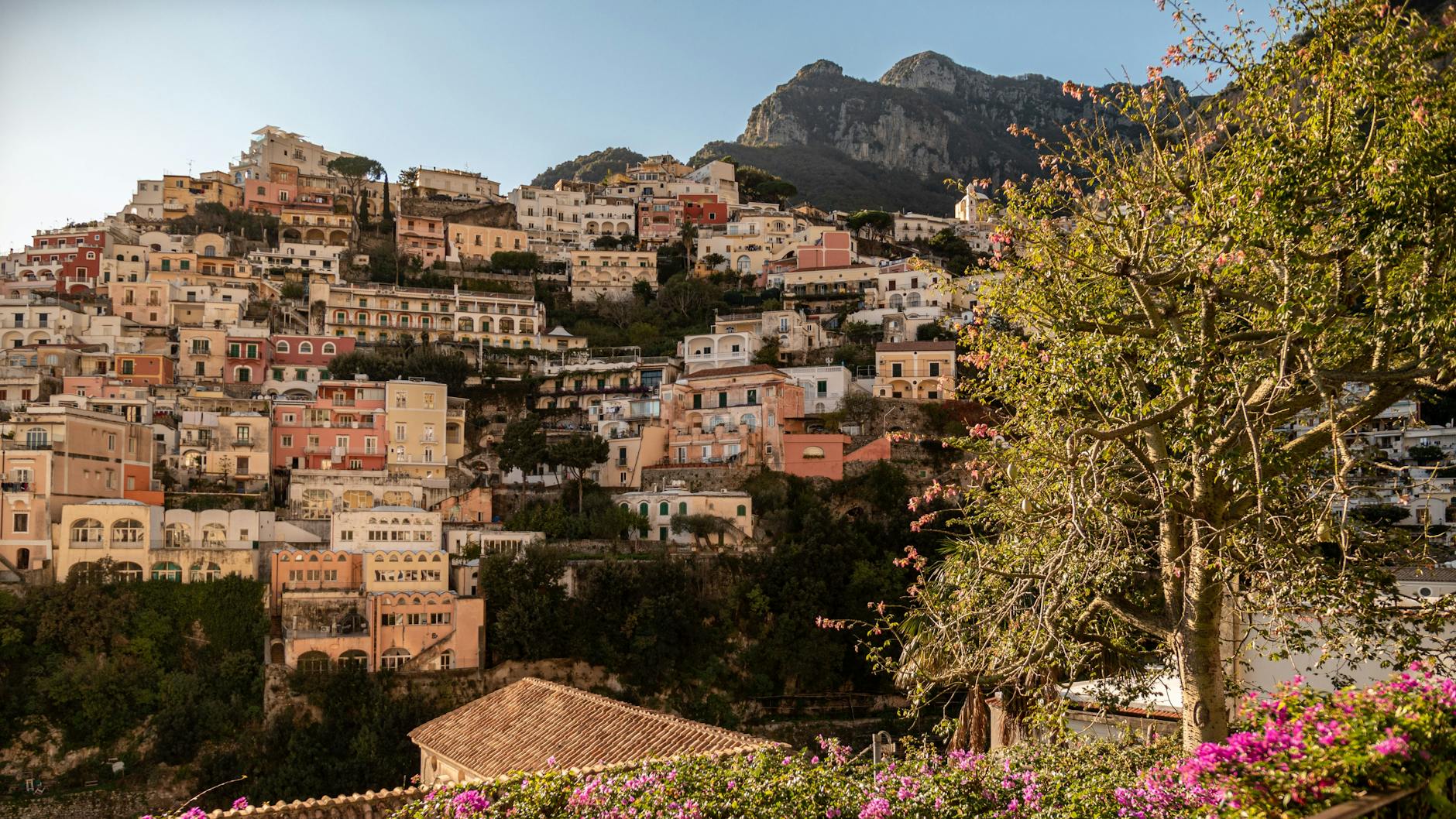
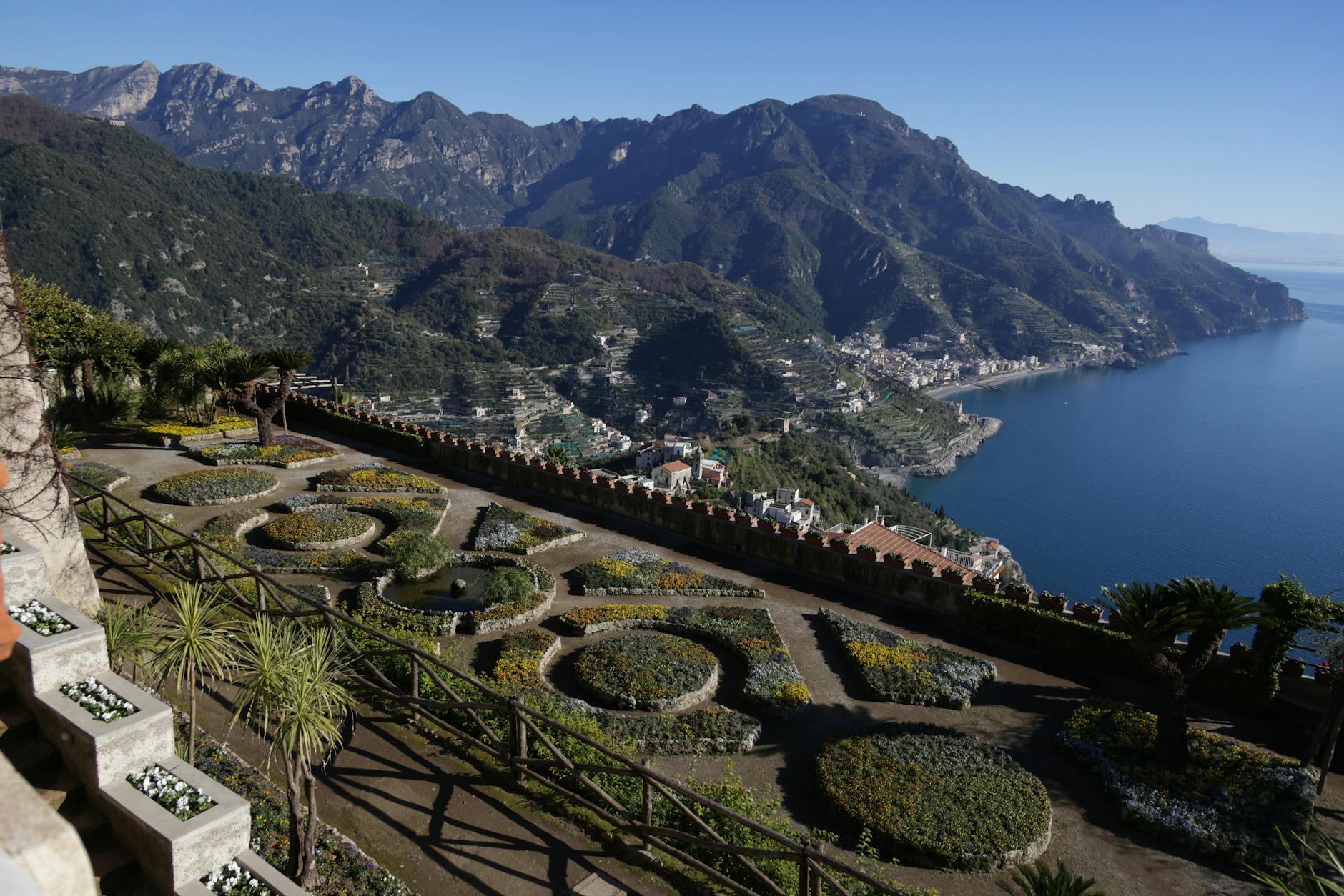
Positano tumbles down the cliff in a cascade of pink, white, and terracotta, its beach crowded but beautiful, its vertical streets lined with ceramic shops and lemon trees. It is the most famous and the most photographed, and it earns it — though I found its magic strongest in the early morning, before the day-trippers arrive from Naples, when the fishermen are pulling boats onto the shore and the cafés are just setting out their chairs. Ravello sits high above it all, a village of gardens and concerts with views that stretch to infinity. The gardens at Villa Rufolo are what Wagner saw when he imagined the enchanted garden of Klingsor, and standing there you understand why — the terraces drop away toward the sea in a cascade of bougainvillea and stone, and the horizon dissolves into a blue so deep it aches.
Between the Towns
Amalfi itself holds a cathedral with Arab-Norman arches and a paper-making tradition that dates to medieval times — the Museo della Carta is a small, strange delight. Atrani, just around the corner, is the coast’s smallest town and its most authentic, a cluster of houses around a piazza where locals outnumber visitors and the espresso costs what espresso should cost. Between the towns, the Sentiero degli Dei — the Path of the Gods — traces the clifftops through wild Mediterranean scrub, offering views that justify the name entirely. I hiked it in late September, when the heat had softened and the light came in low and golden, and the trail felt less like exercise and more like prayer.
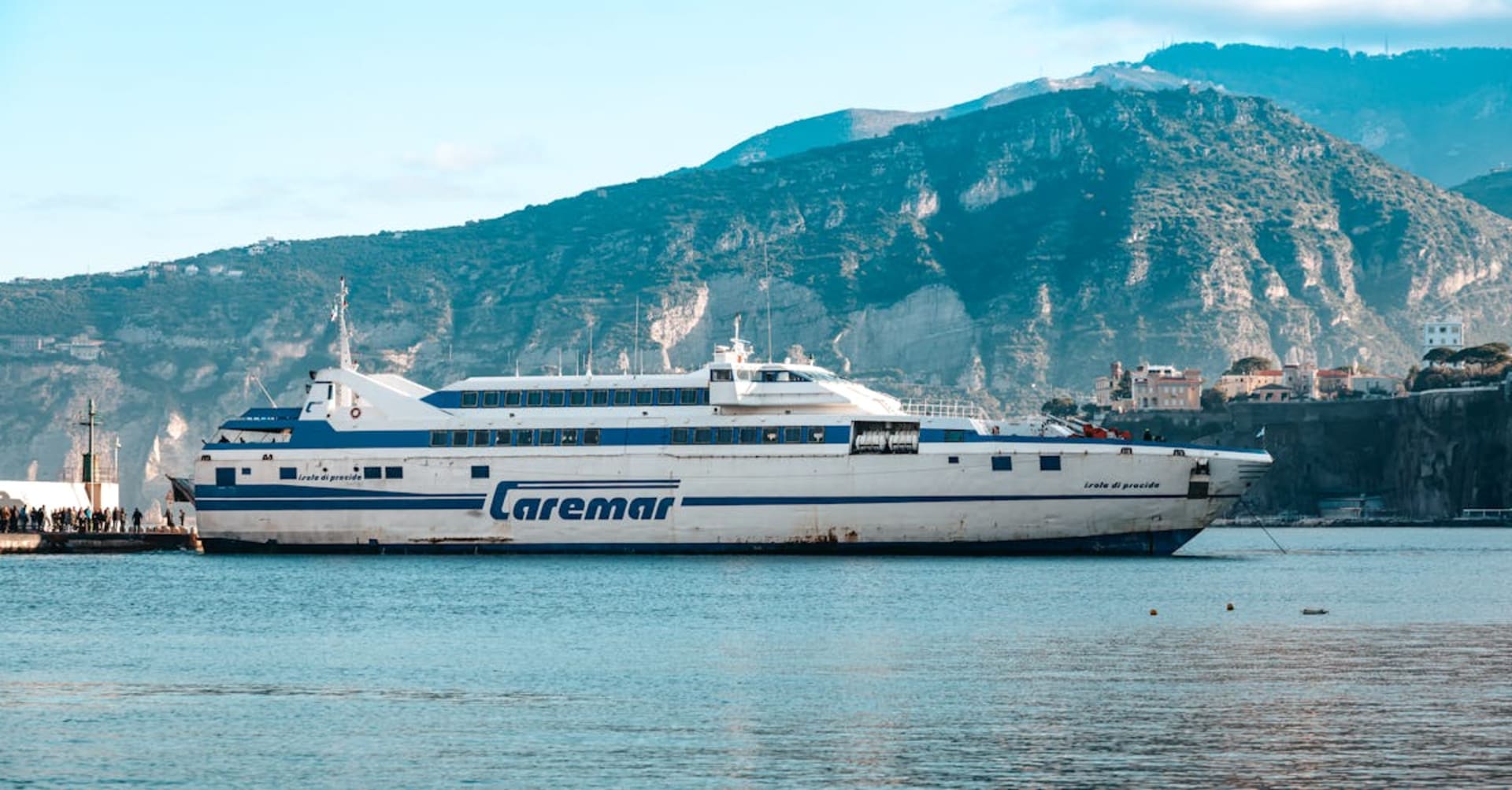
The lemons here are the size of softballs — the famous sfusato amalfitano, from which limoncello is made in quantities that suggest the entire coast runs on citrus and optimism. Eat seafood on a terrace overlooking the water. Swim off the rocks at Furore, where a tiny fjord cuts into the cliff. Take the ferry between towns rather than the bus — it is slower, but the coast reveals itself differently from the water, its scale and its wildness more apparent.
When to go: May through June or September through October. July and August bring crushing crowds and prices to match. Shoulder season is the secret — the water is still warm in October, the light is better, and the villages remember they are villages rather than theme parks.