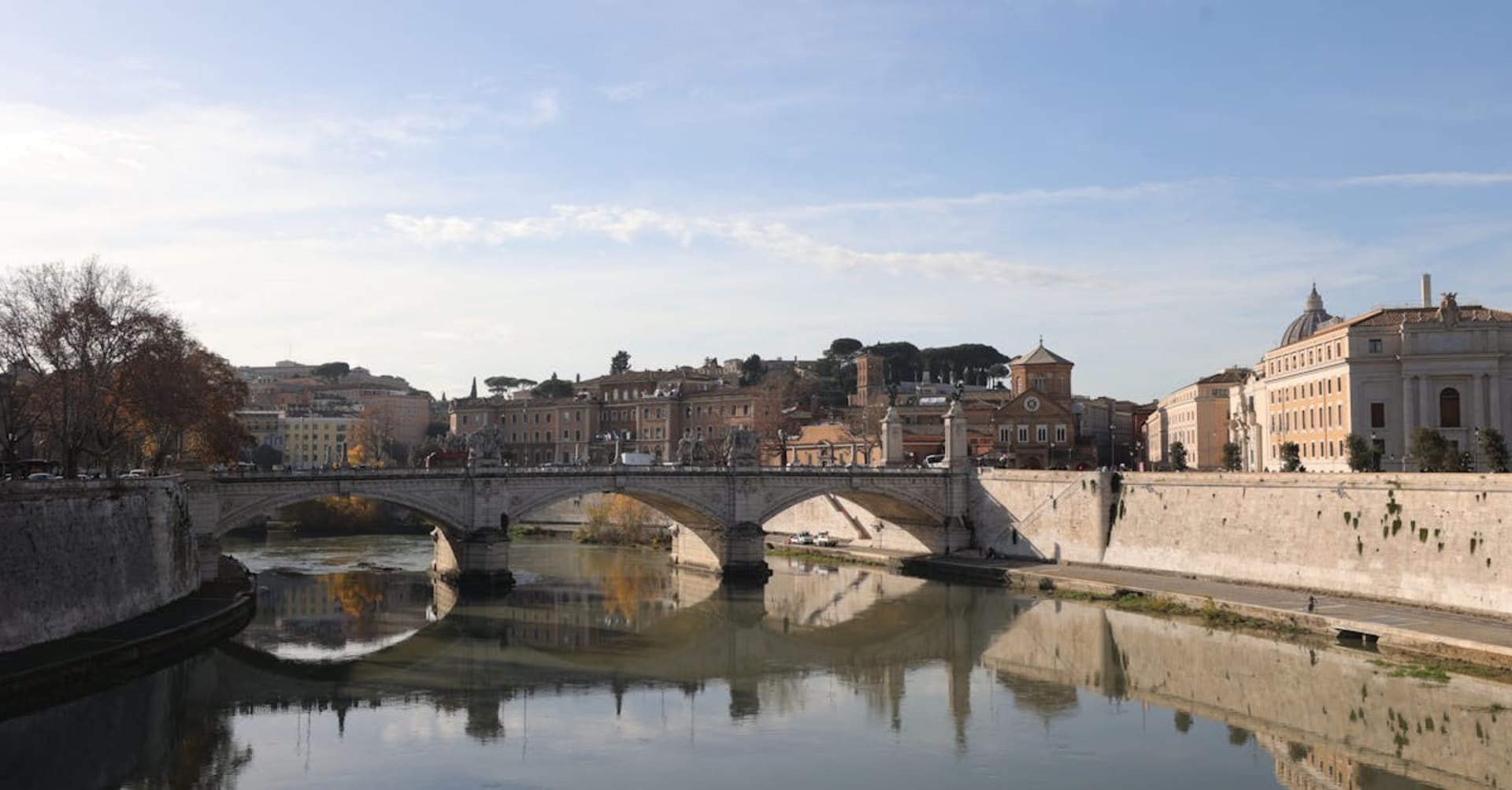
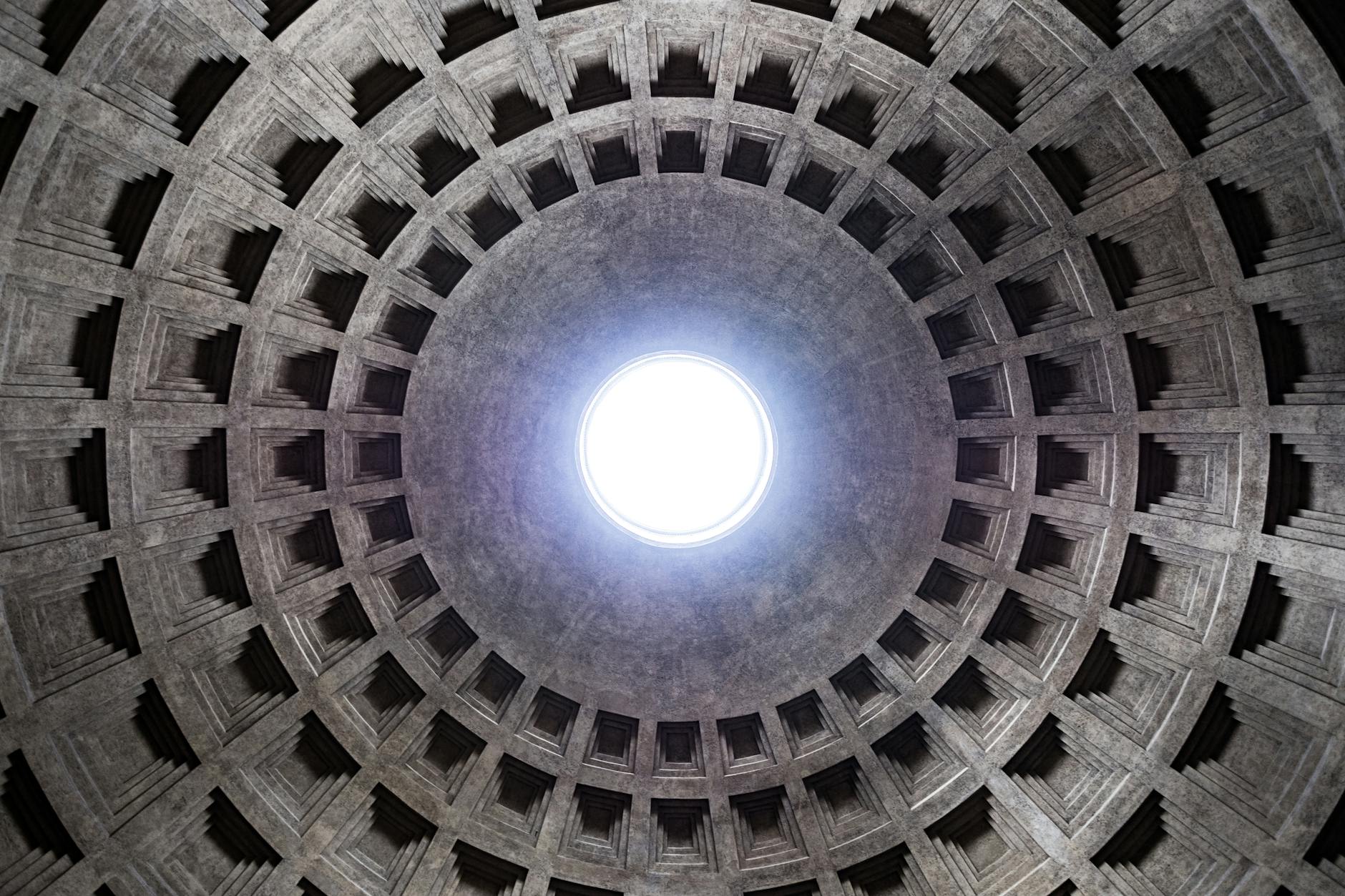
Rome does not do subtlety. The Colosseum, the Pantheon, St. Peter’s Basilica, the Sistine Chapel — the city’s monuments are so famous they risk feeling like clichés, until you stand before them and realize no photograph has ever captured the scale. The Pantheon’s oculus still opens to the sky after two thousand years. The Forum’s broken columns still trace the streets where Caesar walked. I grew up in France surrounded by history, and nothing I had seen prepared me for the density of Rome — the way you turn a corner expecting a pharmacy and find a Bernini fountain instead.
The Ancient City
The Colosseum at opening time, before the tour groups arrive, is one of those rare places where the gap between expectation and reality falls entirely in reality’s favor. The ellipse of travertine stone rises four storeys above you, its arches framing a sky that has looked down on gladiators, emperors, and now on you — standing in the same sand where the ancient world staged its most terrible entertainments. Walk from there through the Forum, where the stones of the Via Sacra are worn smooth by twenty-five centuries of feet, and up the Palatine Hill, where the ruins of imperial palaces dissolve into umbrella pines and birdsong. The scale is overwhelming. The beauty, somehow, is intimate.

The Lived-In City
But Rome’s genius is that the monumental and the everyday exist in the same breath. You eat cacio e pepe in a trattoria that has not changed its menu since your grandmother’s era, then walk past a Caravaggio on the way to get gelato. Trastevere at night is all cobblestones and candlelight — I wandered its lanes after dinner once and ended up in a tiny piazza where someone was playing guitar and the wine was being poured from unmarked bottles. The Aventine Hill offers a keyhole view of St. Peter’s dome framed by garden hedges, one of those small Roman secrets that rewards the curious. Every corner holds a fountain, a ruin, or a discovery you did not plan for.
The Testaccio neighborhood is where Romans eat when they want to eat like Romans — offal and pasta and wine from the Castelli, served without ceremony in trattorias where the menu is handwritten and changes daily. This is not the Rome of the guidebooks. This is the Rome that keeps people coming back.

Sacred and Profane
The Vatican is its own universe — the Sistine Chapel alone would justify the trip, Michelangelo’s ceiling a riot of color and theology that no reproduction can approximate. But I found myself equally moved by the smaller churches: Santa Maria del Popolo holds two Caravaggios that you can see for free, lit by a coin-operated spotlight that gives you three minutes of genius before the darkness returns. San Clemente layers three civilizations — a twelfth-century basilica built atop a fourth-century church built atop a first-century Roman house — and descending through them is like drilling through time itself.
When to go: April through June or September through October. August empties the city of Romans but fills it with heat. November, often overlooked, brings rain but also a city that belongs to its residents again — fewer crowds, lower prices, and the particular melancholy that suits Rome better than sunshine.