Middle East
Iran
"I expected monuments. I found people who made me feel like a guest."
A civilization that wrote poetry while Europe was still in mud huts — and whose people will invite you for tea before you've figured out which way the mosque faces.
I landed in Tehran on a Tuesday evening and spent the first forty minutes arguing with the currency exchange math in my head. Iran uses rials, then people quote prices in tomans (one toman equals ten rials), and nobody bothers to mention which unit they’re using. A taxi driver in his sixties eventually leaned out his window, did the arithmetic for me, and then invited me for tea. That is Iran in miniature: confusing on the surface, generous underneath.
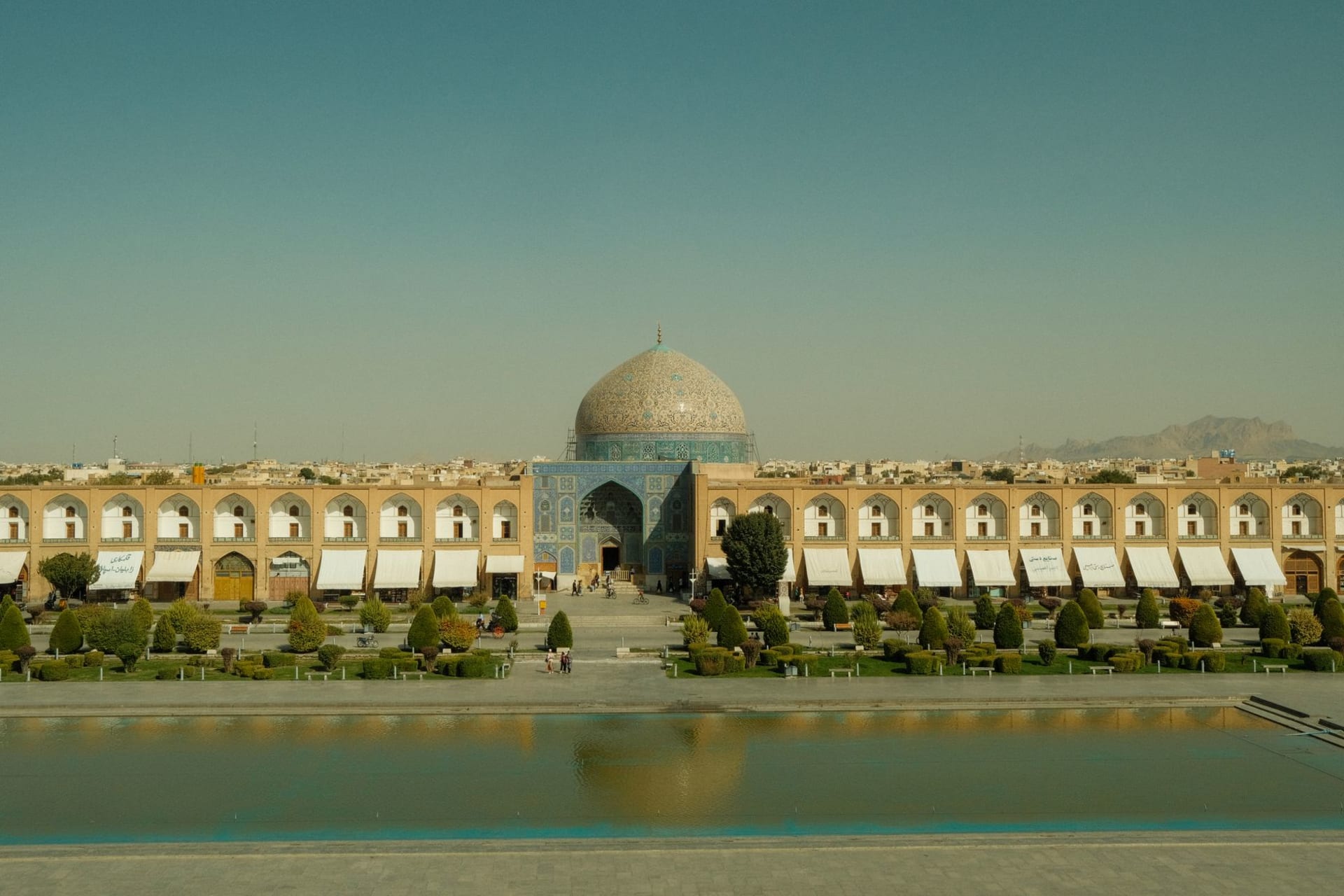
Isfahan stopped me. I had seen mosque photos before traveling there — blue domes, turquoise tiles — but photographs do not prepare you for the scale of Naqsh-e Jahan Square. It is the second largest public square in the world, and at dusk, when the light goes sideways and the Shah Mosque turns from blue to indigo to almost black, I sat on the grass at the center and did nothing for two hours. The Imam Mosque’s entrance portal rises to thirty meters and is entirely covered in a mosaic so dense and precise it looks like computation. Inside, a single handclap at the center of the prayer hall returns as seven distinct echoes. The architects of the seventeenth century were showing off, and they earned it.
The food is nothing like what the West sells as Persian cuisine. Ghormeh sabzi — a slow-cooked stew of herbs, kidney beans, and dried limes that smells like something left to ferment in a garden — arrived at a family table in Shiraz along with flatbread still warm from a clay oven and a plate of fresh herbs and radishes that Iranians eat the way the French eat a salad. Fesenjan, the walnut and pomegranate duck, was richer and darker than I’d expected. In bazaars, saffron sold by weight for less than I pay for a tiny grocery-store jar in Mexico. I came back with my luggage smelling of it.
When to go: March to May for the best weather — the Nowruz holiday in late March means Iranians themselves are traveling, which is chaotic and wonderful. September and October are excellent too: cooler, quieter, harvest colors in the north. Avoid July and August in central Iran — the plateau cities bake above 40°C.
What most guides get wrong: They write about Iran as though the attraction is purely archaeological — the ruins, the mosques, the empire. The ruins are extraordinary, yes. But the country’s distinguishing feature is its people: educated, curious, often multilingual, and operating under a government they will describe to you, with surprising candor, as a problem. Iranians distinguish sharply between their own culture — five thousand years of it — and their current political context. If you arrive expecting to find a closed or hostile society, you will be disoriented almost immediately by how warmly and openly you are received.
Explore
Places in Iran
 iran
iran Alamut Valley
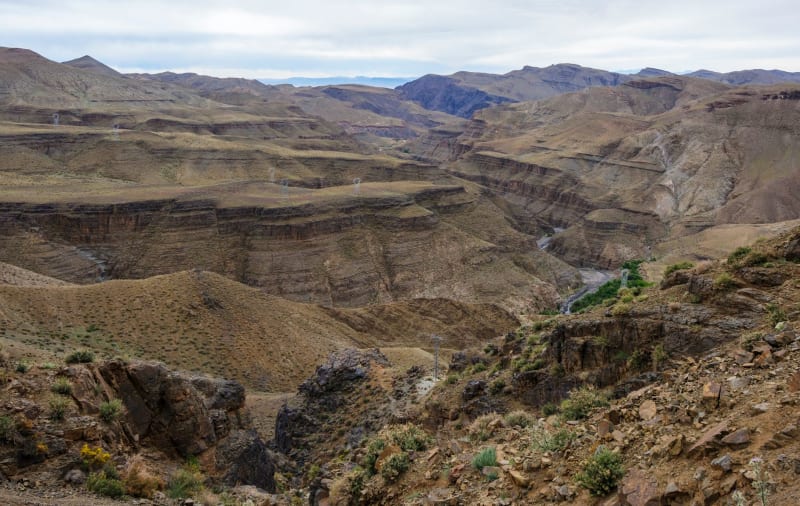
A narrow Alborz mountain valley where the Assassins built their eagle's nest castles on unassailable ridges, and apple orchards fill the floor below in almost implausible tranquility.
Explore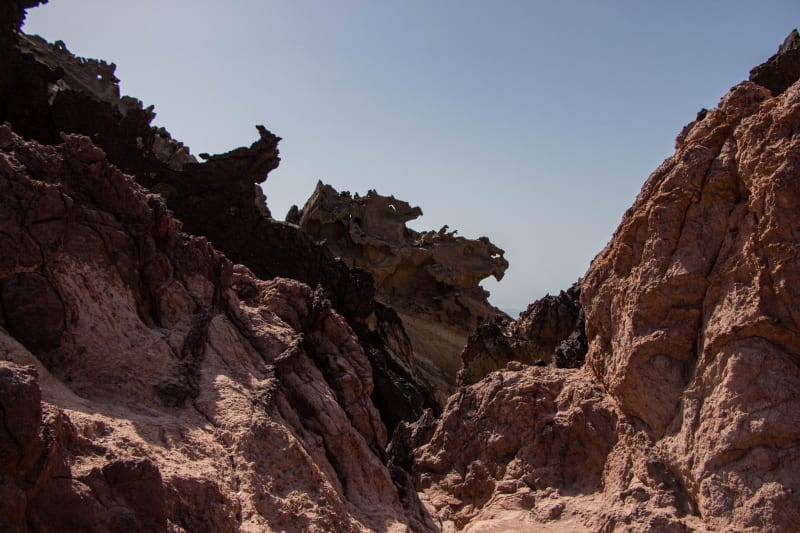 iran
iran Hormuz Island
A Persian Gulf island where the ground shifts from deep red to sulfur yellow to violet depending on the light, and the geology produces bread that tastes faintly of minerals.
Explore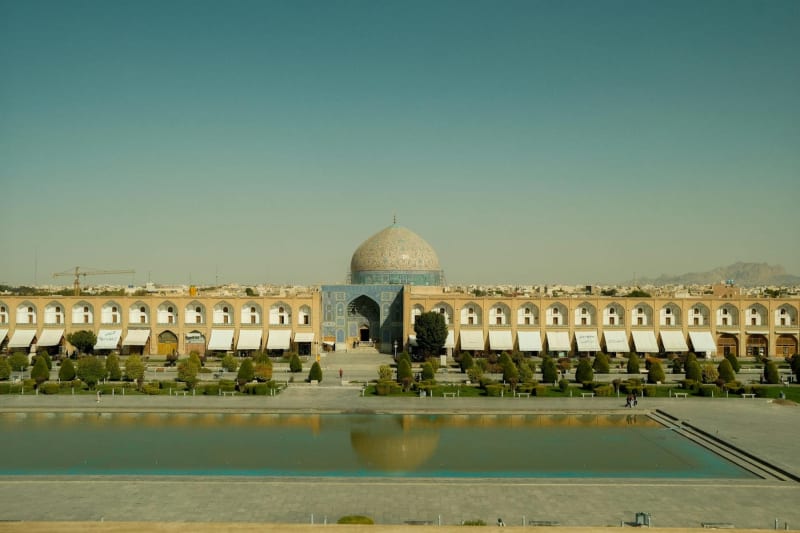 iran
iran Isfahan
Naqsh-e Jahan Square — one of the world's largest plazas, ringed by dazzling turquoise-tiled Islamic monuments.
Explore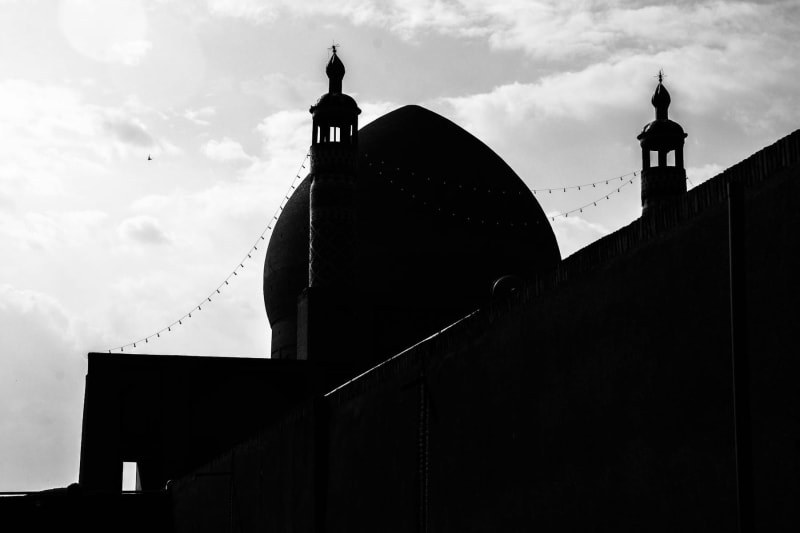 iran
iran Kashan
Exquisite Qajar mansions with courtyard gardens, and the world's finest rose-water distilleries in bloom each May.
Explore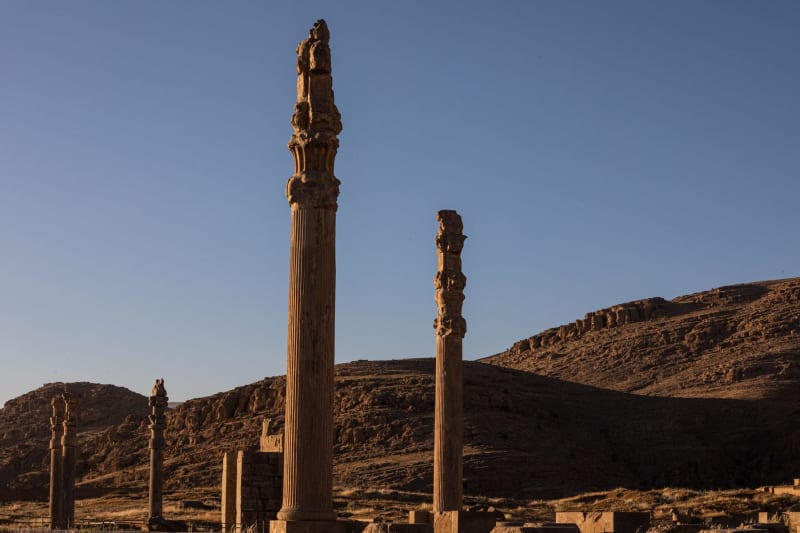 iran
iran Persepolis
The ceremonial capital of the Persian Empire — colossal stone carvings of tribute-bearers from every nation.
Explore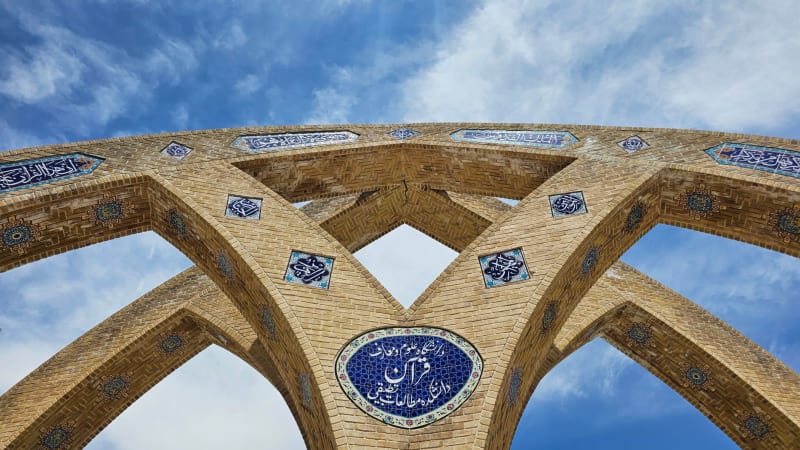 iran
iran Rasht
Iran's unlikely food capital on the Caspian coast, where rice paddies and jungle-green hills replace the desert and the cuisine bears almost no resemblance to what the rest of the country eats.
Explore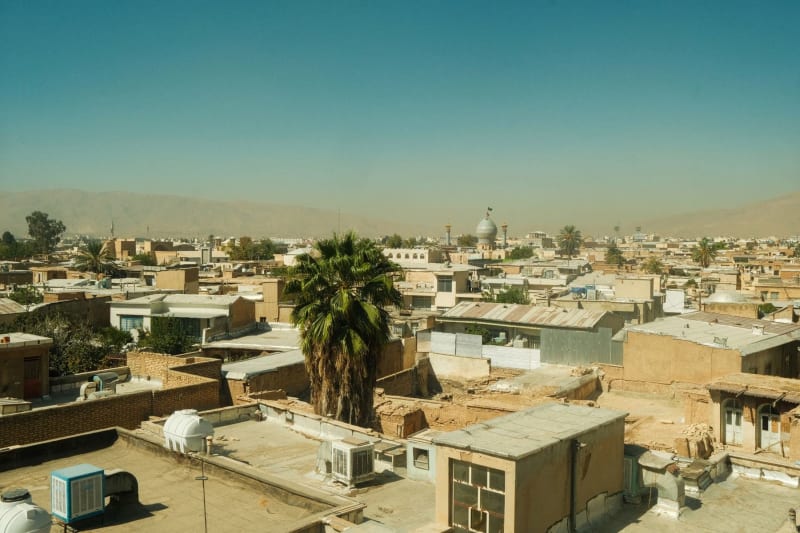 iran
iran Shiraz
City of poets, roses, and the kaleidoscopic Pink Mosque — where light itself becomes architecture.
Explore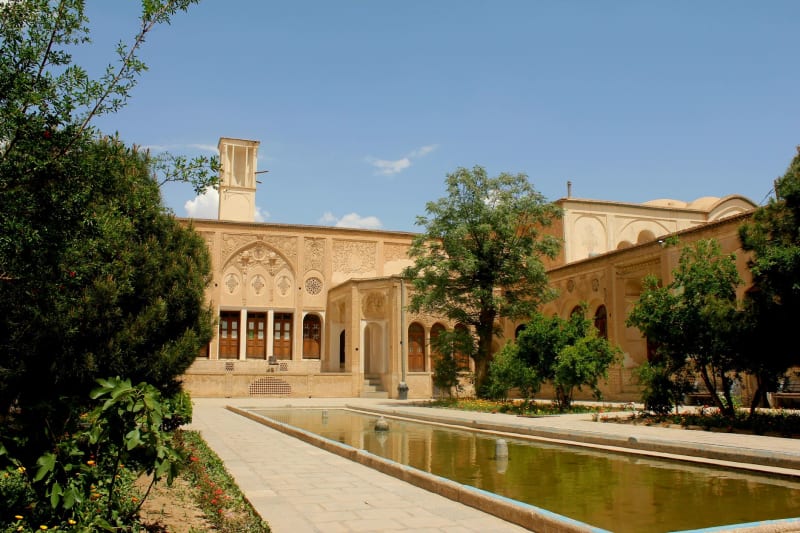 iran
iran Tabriz
The cultural capital of Iranian Azerbaijan, where a thousand-year-old bazaar still operates under amber-lit domes and the food runs heavier, meatier, and closer to the Caucasus than to Persian cuisine.
Explore iran
iran Tehran
A sprawling, contradictory capital where Alborz snowpeaks appear at the end of every north-south street and a world-class art collection hides in plain sight.
Explore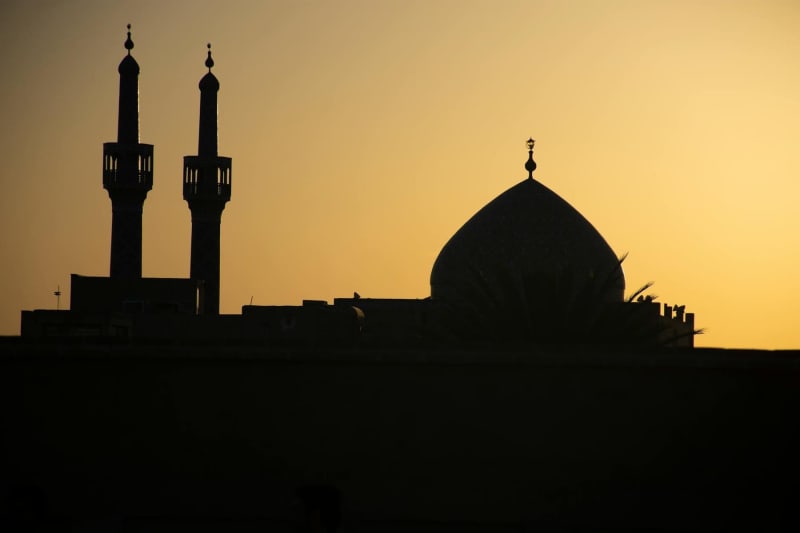 iran
iran Yazd
A living UNESCO mud-brick city where Zoroastrian fire temples and wind towers have endured for millennia.
Explore