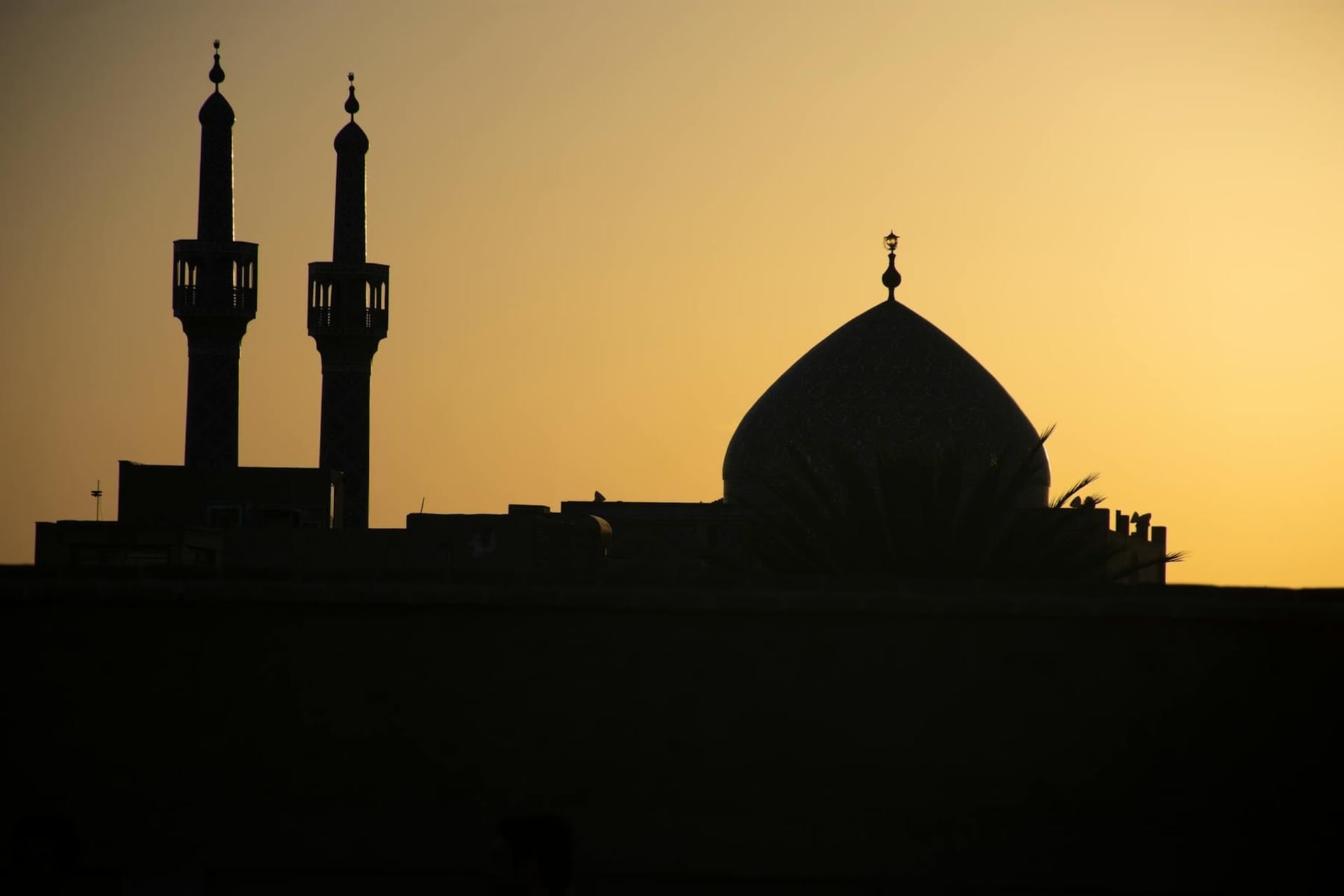
A living UNESCO mud-brick city where Zoroastrian fire temples and wind towers have endured for millennia.
There is a particular quality to the light in Yazd at dusk. It arrives not as sunset gold but as something older — a tone closer to embers, as if the desert itself were quietly combusting. The mud-brick walls absorb it, hold it, give it back slowly. Standing in the labyrinth of the old city near Fahadan quarter, I lost all sense of what century I had wandered into.
The City That Breathes Through Its Towers
Yazd is the only city I know whose skyline is shaped by ventilation. The badgirs — wind towers — erupt from every rooftop, each one a passive cooling system engineered centuries before electricity. Lia counted fourteen from the roof of our guesthouse on Molla Esmail Alley before she lost track. They funnel the desert breeze down into the rooms below, and the effect inside is startling: the air moves, cold and mineral, like standing over a deep well. I kept expecting to smell water.
The old city is a warren of covered passages and sudden courtyards, designed to keep walkers in shade as long as possible. I got deliberately lost twice, following the sound of hammering — a coppersmith working in a doorway so narrow his elbows almost touched both walls. He offered tea without looking up from his work.
Fire That Has Not Gone Out
The Atash Behram on Ayatollah Kashani Street houses a flame that Zoroastrian priests claim has burned continuously since 470 CE. That claim is almost impossible to verify and completely beside the point — what matters is the quality of attention people bring to it. I watched an elderly man stand before the fire in silence for several minutes, his hands loose at his sides. The flame was small, unremarkable in itself, but the room around it was absolutely still.
What surprised me was the Towers of Silence on the city’s southern edge — two circular platforms on bare hills where Zoroastrians once performed sky burials. I had read about them, but nothing prepared me for walking the spiral path to the top and finding the city laid out below like a relief map pressed from raw clay, the badgirs pointing upward from every direction, the desert beginning exactly where the city ended, no suburbs, no transition.
What to Eat Before Leaving
Yazd has its own pastry tradition: qottab — deep-fried crescents filled with almond paste and cardamom — sold in cloth-lined boxes from shops along Imam Khomeini Street. They taste better eaten warm on a low wall in the shadow of the Jameh Mosque than they will ever taste anywhere else. I bought two boxes anyway.
When to go: March through April and mid-October through November offer bearable temperatures — Yazd sits at 1,200 meters but the surrounding desert is merciless in summer. Avoid July and August entirely.