Americas
Honduras
"Everyone told me to skip Honduras. They were completely wrong."
Where the second-largest barrier reef on earth meets jungle-buried Maya temples — Honduras is a country that has been hiding in plain sight.
I arrived in La Ceiba on a Tuesday afternoon, sweating through my shirt before I even cleared immigration. A man was selling sliced mango dusted with chili from a cart just outside the terminal, and I ate three bags standing in the parking lot while waiting for the bus. That is how Honduras starts — not with any grand reveal, but with something immediate and uncomplicated. This is a country that doesn’t bother with a slow introduction.
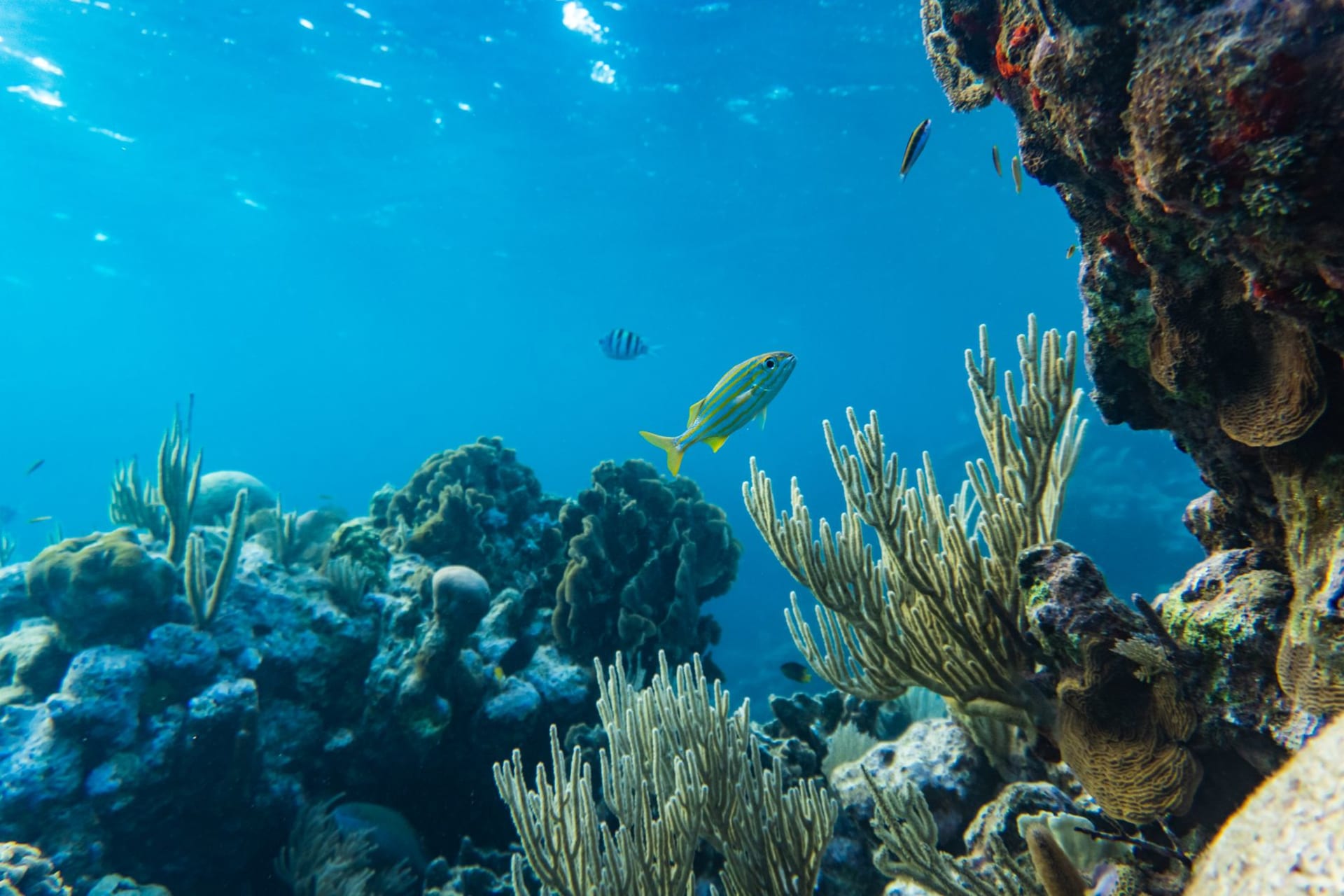
Most travelers who make it to Honduras are headed to Roatán or one of the other Bay Islands, and honestly, I understand the pull. The Mesoamerican Barrier Reef System that runs along this coast is the second largest in the world, and diving it from Utila — the cheaper, scruffier island that draws serious divers rather than resort tourists — is one of the genuinely underrated underwater experiences in the Caribbean. The wall dives off the western tip of Roatán have a verticality that takes your breath away even through a regulator. But what surprised me more than the reef was the interior. The jungle-covered mountains of the Pico Bonito National Park, just outside La Ceiba, where the air at elevation is cool and the rivers run cold and clear. And then Copán, in the far west near the Guatemalan border — Maya ruins that specialists consider the most artistically refined in the entire Maya world. The hieroglyphic stairway there is the longest Maya text ever found, and it stands in a town so small and manageable that you can walk to the ruins from your bed in eight minutes.
The food will not make any travel magazines, and that is fine. Plato típico — rice, beans, fried plantains, a piece of grilled chicken or beef, a wedge of salty queso — appears at every meal and I never tired of it. Baleadas, thick flour tortillas folded around refried beans, cream, and cheese, are eaten at any hour and cost almost nothing. The whole country runs on something unhurried and matter-of-fact. Tourism infrastructure is thin, which means you are frequently the only foreigner in a restaurant or on a bus, and conversations happen the way they do when there is no performance expected from either side.
When to go: November to April is the dry season on both coasts. For diving, February through September offers the clearest visibility. Copán and the western highlands are cooler and can be visited year-round, though heavy rains arrive between May and October. Avoid the Caribbean coast during October and November — hurricane season peaks then, and the weather is genuinely unpleasant.
What most guides get wrong: Honduras has a reputation built almost entirely on crime statistics applied to Tegucigalpa and San Pedro Sula, neither of which are on anyone’s tourist itinerary anyway. The result is that the country is perpetually underestimated and undervisited. Travelers who would happily navigate chaotic cities in Southeast Asia treat Honduras as untouchable based on headlines. The Bay Islands, Copán, La Ceiba, and the national parks are as navigable and welcoming as anywhere in Central America. The gap between Honduras’s reputation and Honduras’s reality is, in my experience, wider than almost anywhere I’ve traveled. That gap is exactly where the good trips happen.
Explore
Places in Honduras
 honduras
 Comayagua
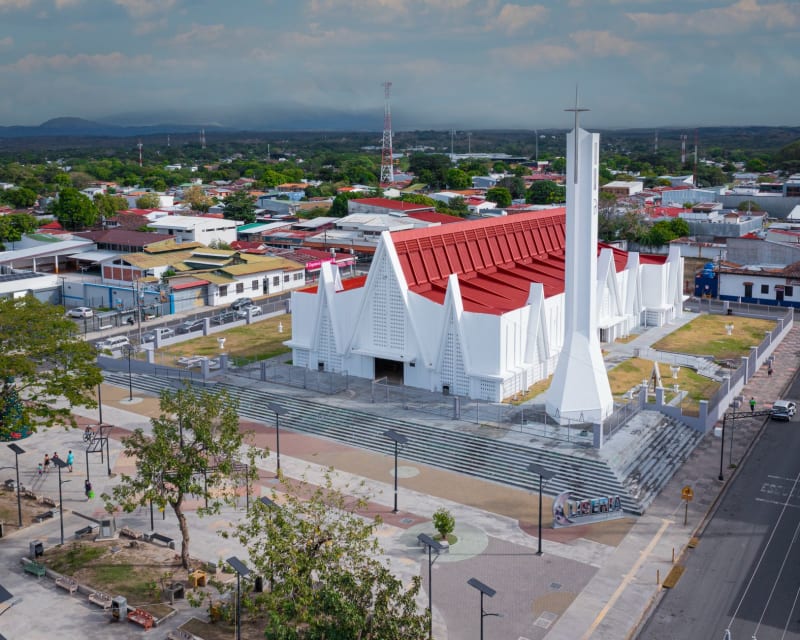
Honduras's colonial heartland, where one of the oldest clocks in the Western Hemisphere still keeps time above a cathedral plaza that empties by nine in the evening and fills with light during Holy Week in ways that stop traffic.
Explore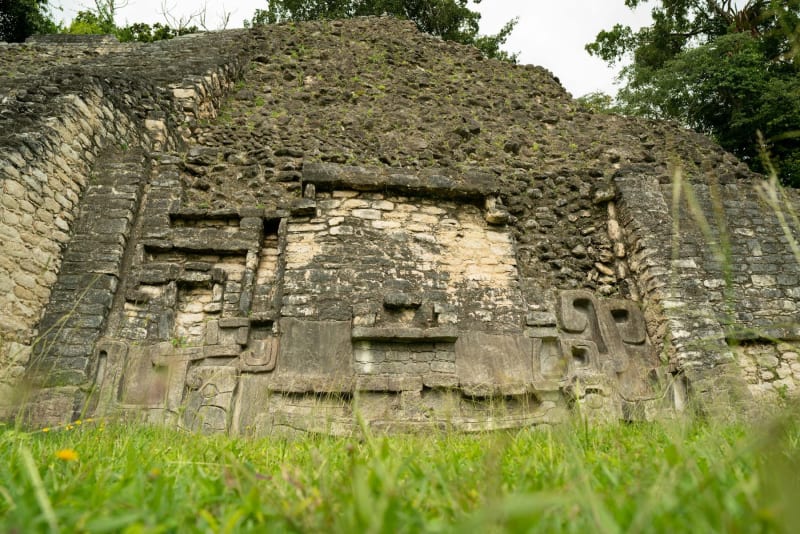 honduras
 Copan Ruins
The Athens of the Maya world, famous for the finest carved stelae and a hieroglyphic stairway of extraordinary detail.
Explore honduras
 Gracias
The colonial capital of Central America for a brief sixteenth-century moment, now a quiet mountain town of cobblestones and thermal springs at the foot of Honduras's highest peak.
Explore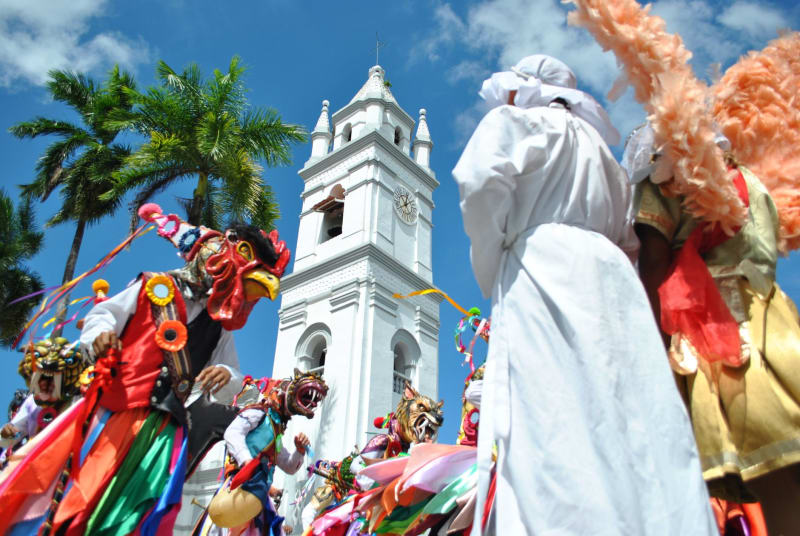 honduras
 La Ceiba
Honduras's self-declared party capital where white-water rivers tumble out of cloud forest and straight into a Caribbean coast that never quite sleeps.
Explore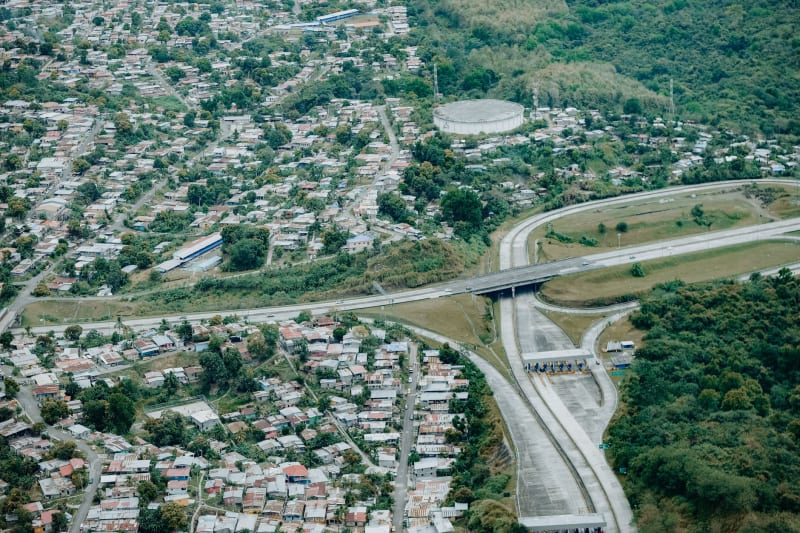 honduras
 La Mosquitia
The largest intact rainforest north of the Amazon — a roadless wilderness of river channels, indigenous villages, and almost complete silence that requires effort to reach and rewards that effort without reservation.
Explore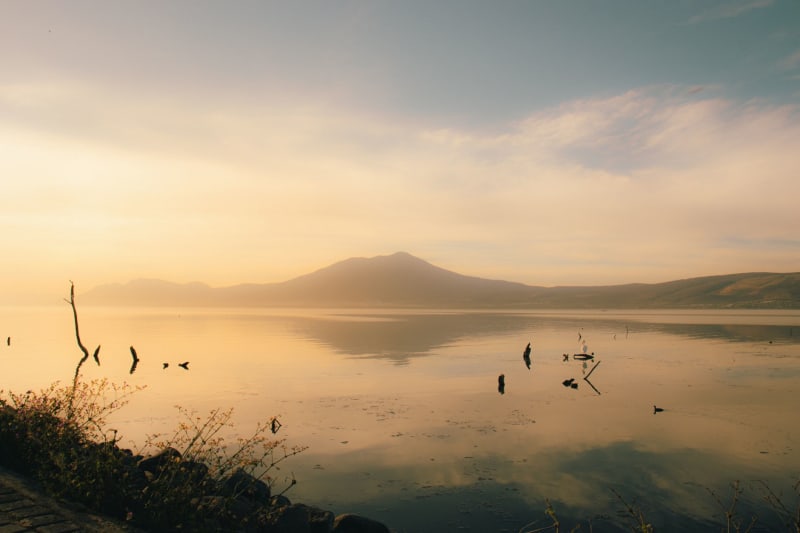 honduras
 Lago de Yojoa
Honduras's only natural lake sits between two national parks in a bowl of cloud forest, producing the country's best craft beer and some of Central America's most rewarding birdwatching.
Explore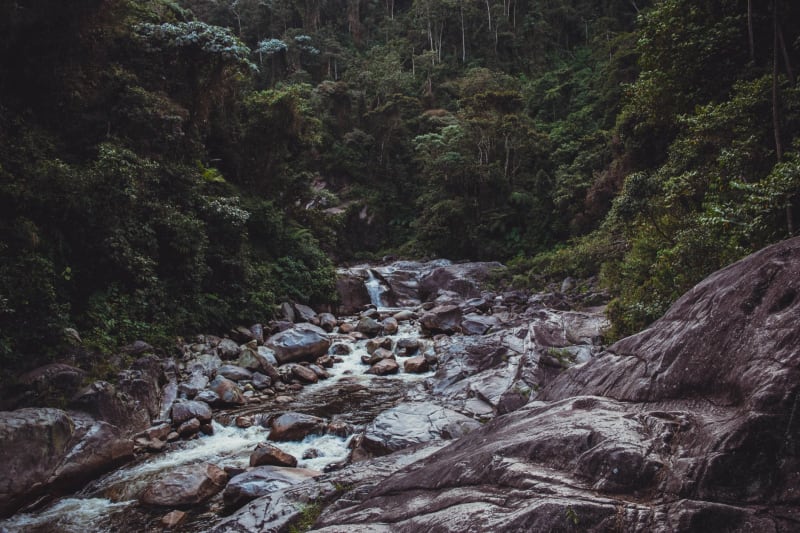 honduras
 Pico Bonito
A wall of cloud forest rising from the Caribbean coastal plain to nearly 2,500 meters — one of the most biologically dense national parks in Central America, accessible from La Ceiba in thirty minutes and seemingly from a different planet.
Explore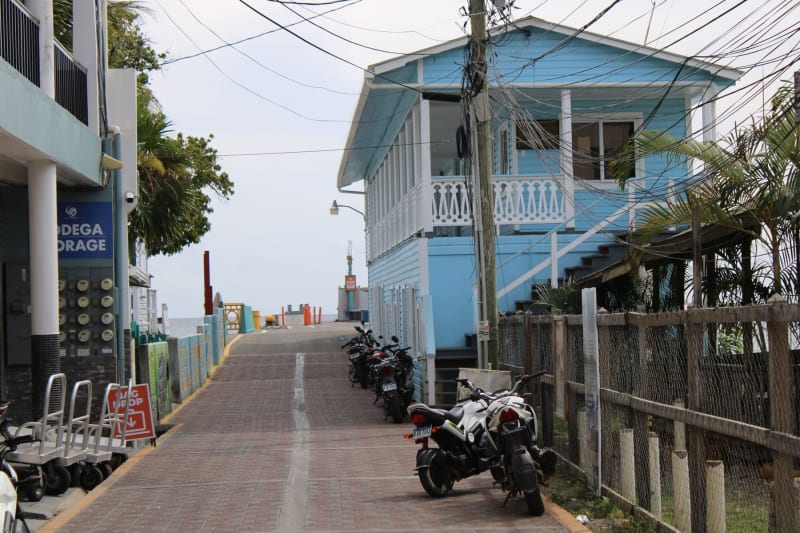 honduras
 Roatan
A Bay Island sitting atop Mesoamerica's second-largest barrier reef, where the diving is world-class and cheap.
Explore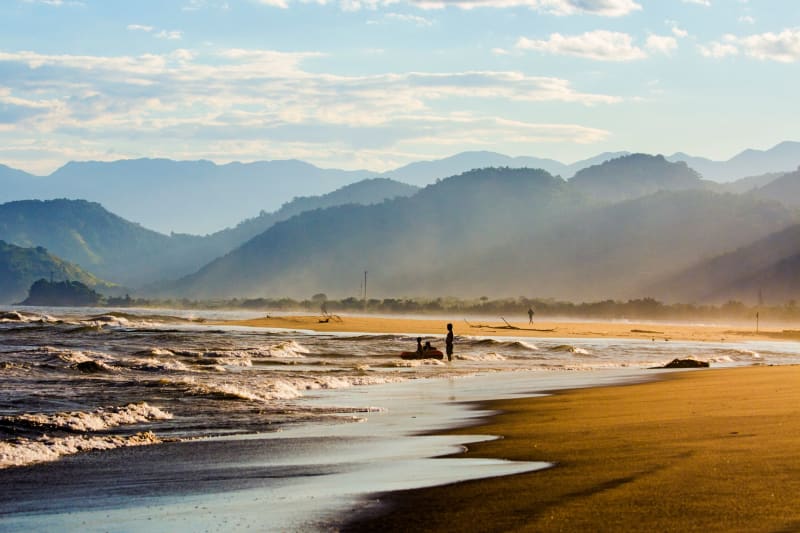 honduras
 Tela
A languid Caribbean beach town backed by one of Central America's most intact coastal wetlands, where Garífuna villages dot the shoreline and the banana company's ghost still haunts the good side of town.
Explore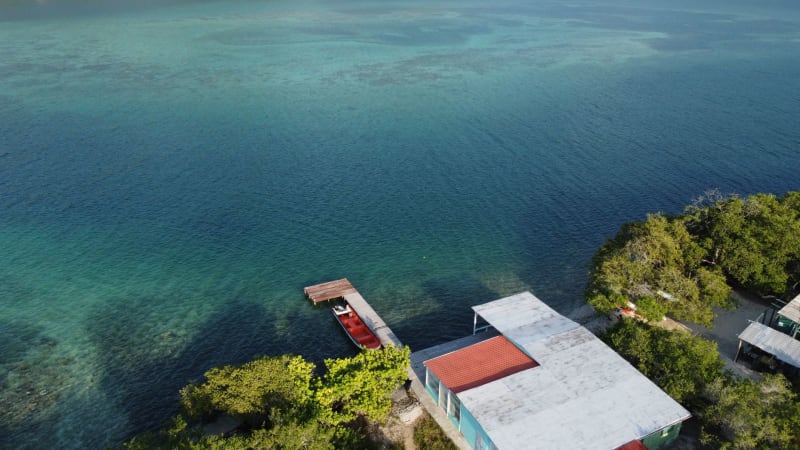 honduras
 Utila
The scrappier, cheaper, and more obsessive of the Bay Islands — where backpackers arrive for a week of diving and stay for a month without quite understanding how it happened.
Explore