La Ceiba
"The river was still cold at nine in the morning and I was already soaked to the collar — the day was off to a fine start."
There’s a particular quality of light on the Caribbean coast of Honduras at seven in the morning: low, amber, filtered through diesel exhaust and frangipani. La Ceiba earns its reputation as a transit hub — ferries to Roatán and Utila leave from here, buses connect to Tegucigalpa and San Pedro Sula — but I made the mistake of treating it as a destination in its own right, and I don’t regret a day of it.
The Cangrejal River
Twenty minutes east of the city, the Río Cangrejal pours off the flanks of Pico Bonito National Park in a series of Class III and IV rapids that most people treat as an excuse to scream into white water for three hours. I’m not too proud to admit I screamed. The river runs cold even in March, a glacial green that smells of minerals and wet moss, and it moves with the kind of indifference that makes you feel appropriately small. After the rafting, the guides build a fire on the riverbank and someone produces tamales in banana leaves. That part I’d do again without the rapids.
The City Itself
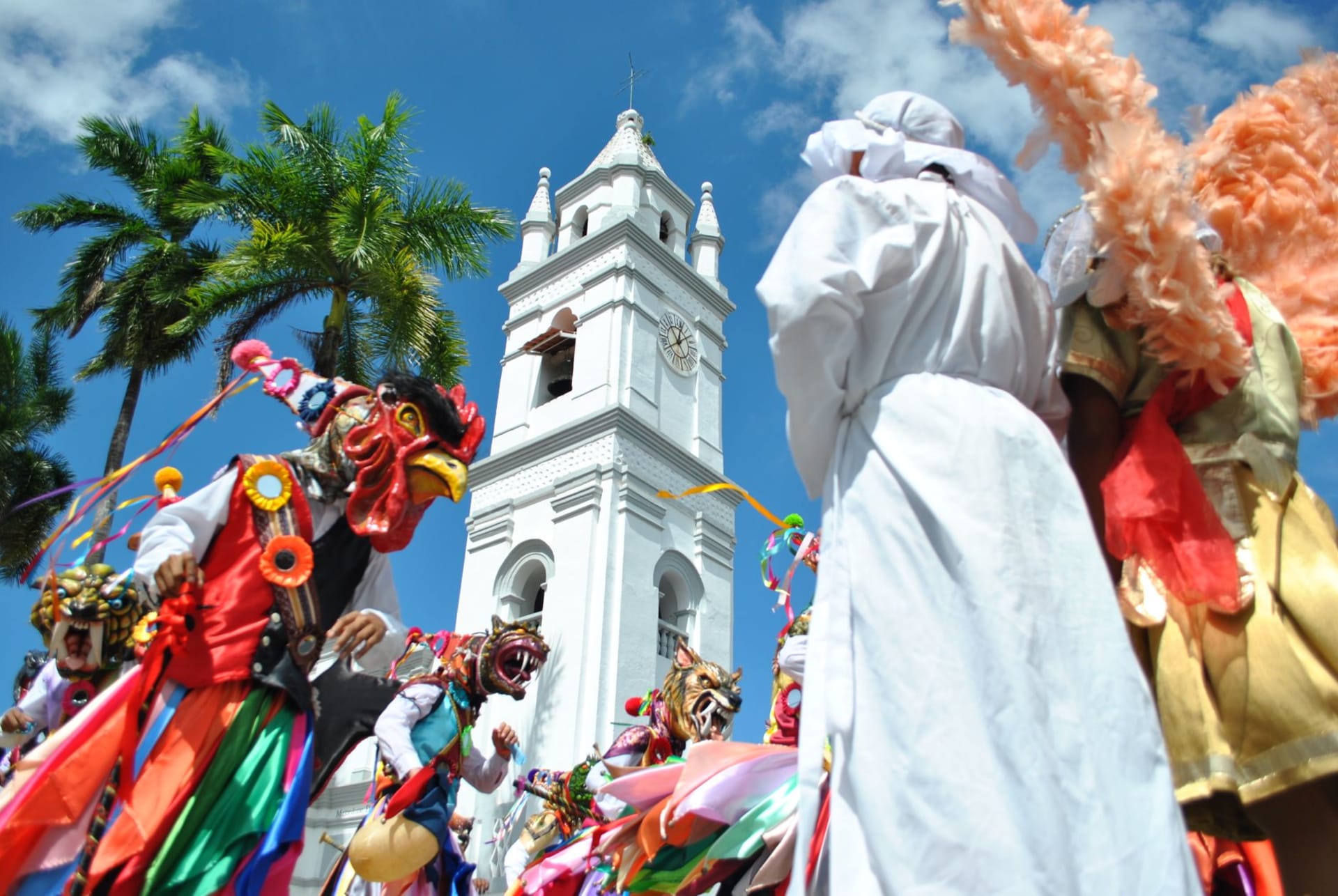
La Ceiba is not a beautiful city in any conventional sense. The streets downtown tilt toward chaotic — mototaxis everywhere, cumbia bleeding out of corner shops, street vendors selling plastic bags of fresh mango with chili and lime. But there’s an energy to it that Tegucigalpa, for all its political weight, lacks. The Zona Viva district around Avenida 14 de Julio comes alive after dark in ways that make the city’s carnival reputation make sense. I watched a salsa class spill out onto the sidewalk at eleven on a Tuesday night and half the street joined in without invitation.
Punta Sal and the Coast West of Town
West of La Ceiba, the coast straightens out into long stretches of dark sand backed by coconut palms so textbook-perfect they look planted by a tourism board. They weren’t — or at least most weren’t. The village of Sambo Creek, a Garífuna community about forty minutes from the city, is where I had the best fish of the trip: a whole red snapper fried in a pan the size of a satellite dish, eaten on a plastic chair with my feet in the sand and a cold Salva Vida sweating on the table beside me. The Garífuna drumming I heard later that evening — coming from somewhere back behind the palms — had a low insistence to it that I kept listening for the rest of the night.
Getting Onto the Water
The ferry terminal at La Ceiba is a specific kind of tropical chaos: roosters in cardboard boxes, families with enormous checked luggage, backpackers studying laminated ferry schedules that may or may not be current. I took the morning Roatán ferry from here on my way out and arrived on the island genuinely uncertain whether I’d been on the water an hour and a half or three. The Caribbean between the mainland and the Bay Islands is flat and improbably turquoise, and the crossing itself — especially at dawn, when La Ceiba’s lights are still on behind you — is worth doing slowly.
When to go: February to April is the dry season on the north coast and the best time for white-water rafting when rivers run at manageable levels. La Ceiba’s famous Carnival happens in May — the week before the third Saturday — and draws crowds from across Central America. Avoid September and October when Atlantic storms make ferry crossings rough and unpredictable.