Americas
Guatemala
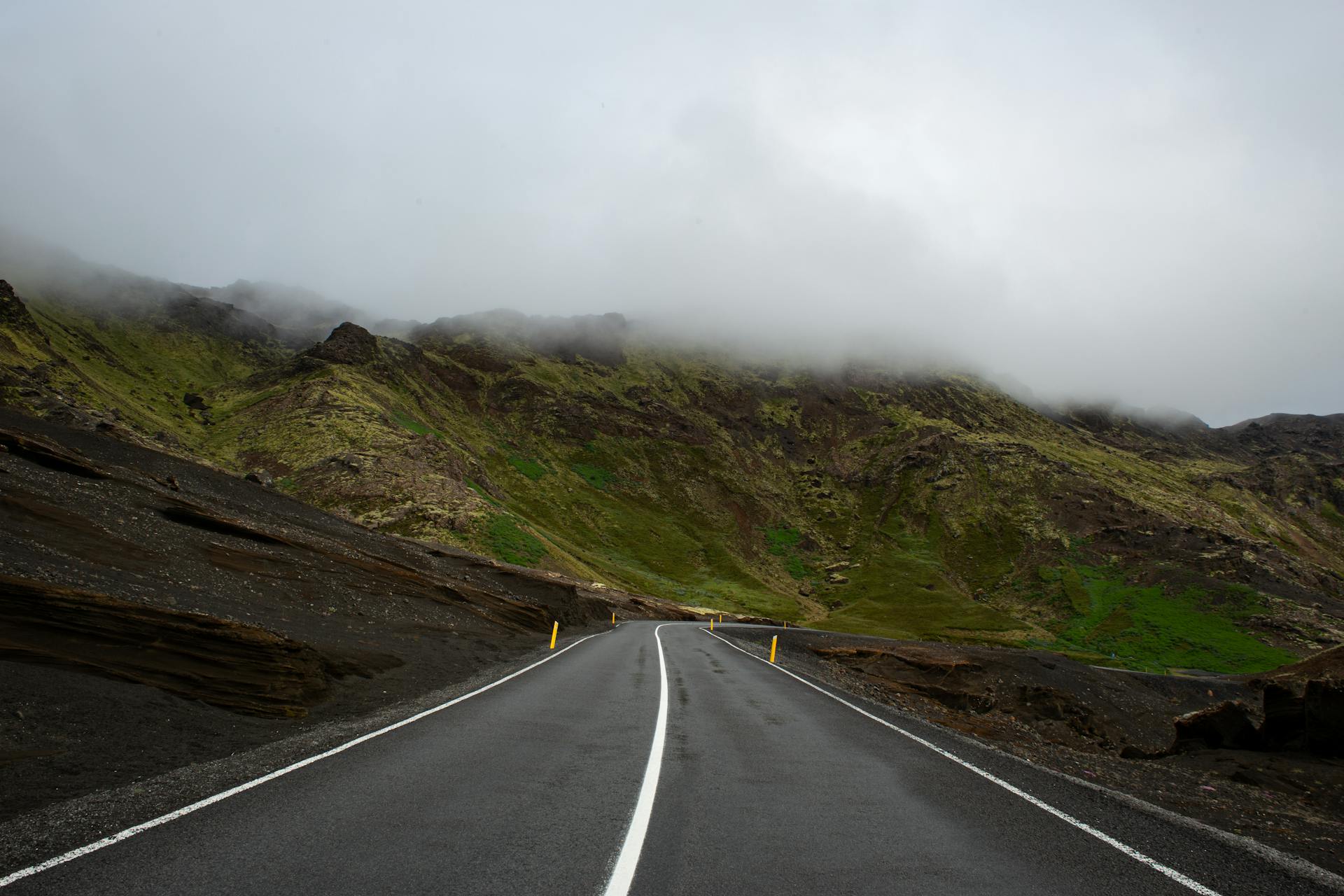
"The most visually dramatic country in the Americas. Every turn in the road is a painting."
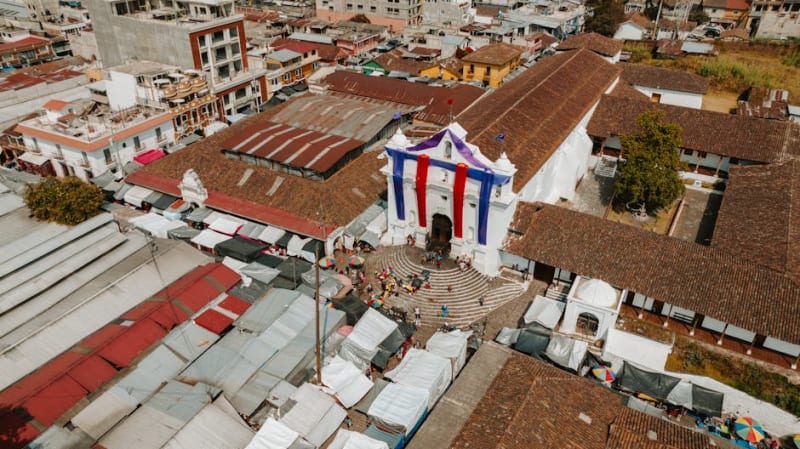
Guatemala is a country that operates at a different altitude — both literally and figuratively. The highlands sit above two thousand meters, and the air there has a clarity that sharpens everything: the colors of the textiles in the Chichicastenango market, the outline of volcanoes against a sky so blue it looks painted, the taste of coffee grown in volcanic soil and roasted that morning. This is a place where the Maya civilization is not a ruin you visit but a culture you encounter — alive, present, and woven into the fabric of daily life in ways that no museum can replicate.
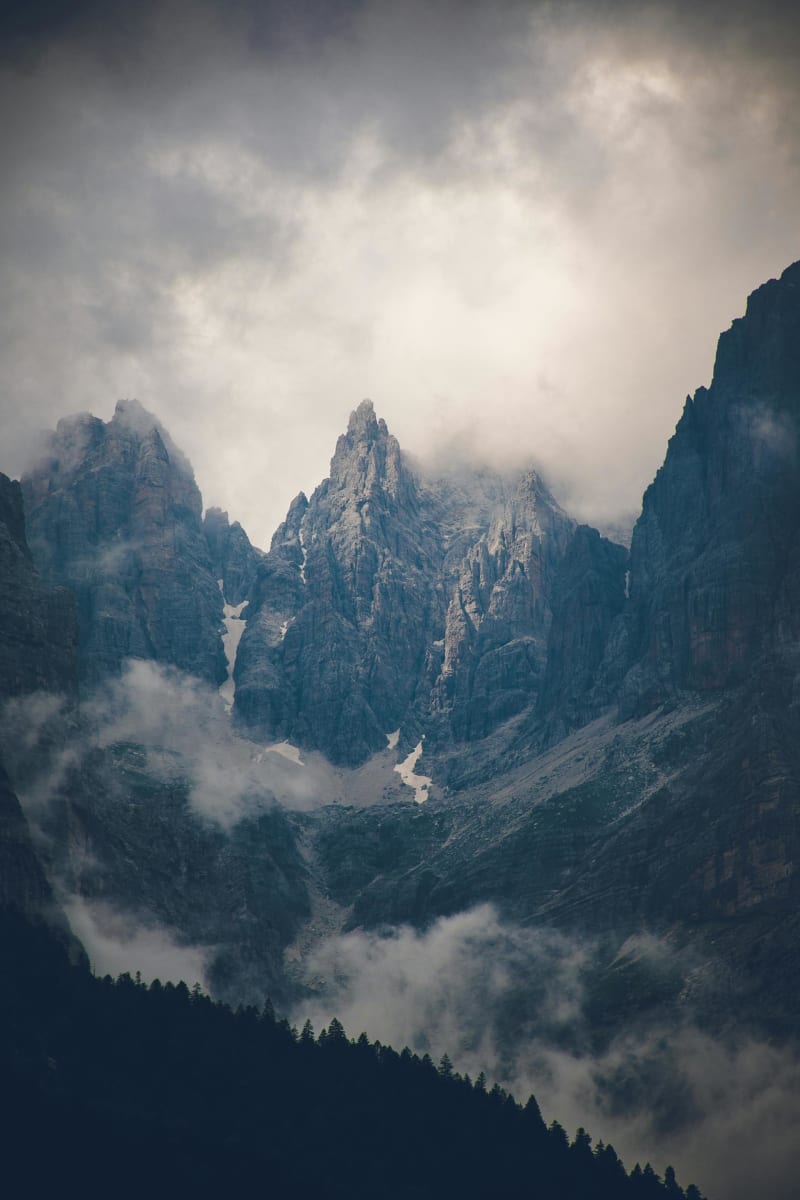
Lake Atitlán is the postcard, and deservedly so. Aldous Huxley called it the most beautiful lake in the world, and while that is the kind of superlative that ages poorly, in this case it holds up. Three volcanoes ring the water. A dozen Maya villages line the shore, each with its own textile tradition, its own patron saint festival, its own version of life at the edge of an ancient caldera. San Marcos is for the yoga crowd. San Pedro is for the backpackers. Santiago Atitlán is for the traveler who wants to see a town that has been here for a thousand years and is not yet performing for visitors.
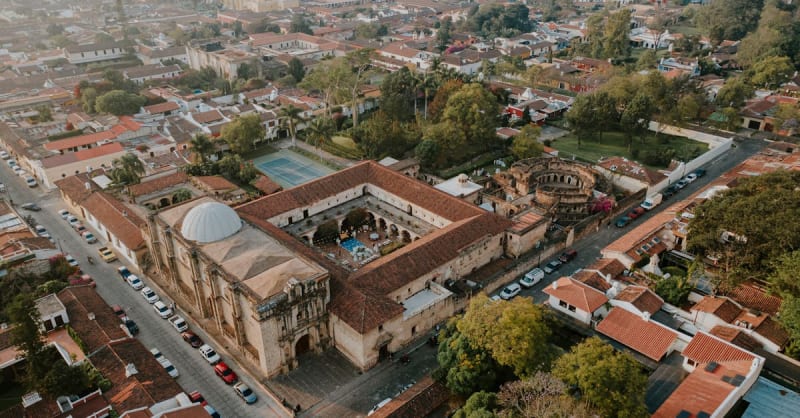
Antigua is the colonial jewel — a UNESCO city of cobblestone streets, ruined convents, and rooftop terraces where you drink Guatemalan rum and watch Volcán de Fuego occasionally remind everyone who is in charge. The coffee culture here is extraordinary. Guatemala produces some of the finest beans in the world, and in Antigua you can visit farms, watch the roasting, and drink cups that would cost twelve dollars in Brooklyn served to you by the farmer who grew them.
Tikal is the other essential. Rising from the Petén jungle in the north, this Maya city was once home to a hundred thousand people. Climb Temple IV at dawn, sit above the canopy, and listen to howler monkeys announce the sunrise. It is one of the great archaeological experiences on the planet — more atmospheric than Chichén Itzá, less crowded than Machu Picchu, and surrounded by jungle so dense the next unexcavated temple could be fifty meters away and you would never know.
When to go: November to April is dry season. February and March are ideal — clear skies, comfortable temperatures in the highlands, the coffee harvest in full swing. June to October is rainy, but the mornings are often clear and the landscape is at its most lush.
What most guides get wrong: They rush through Guatemala on the way to somewhere else. This is not a transit country. Give it two weeks minimum. Spend days, not hours, at Atitlán. Stay in Antigua long enough to learn the rhythm of the place. Guatemala rewards depth, not speed.
Explore
Places in Guatemala
Antigua Guatemala
Cobblestone streets, crumbling baroque convents, and active volcanoes on the horizon — Antigua never lets you forget time.
Chichicastenango
The largest indigenous market in the Americas, where K'iche' Maya traders have gathered on Thursdays and Sundays for centuries.

Flores and Peten
A pastel island town on Lake Peten Itza, gateway to Tikal's jungle temples and the Maya Biosphere Reserve.
Lake Atitlán
Three volcanoes, a dozen Maya villages, and a lake that Huxley called the most beautiful in the world.
Livingston
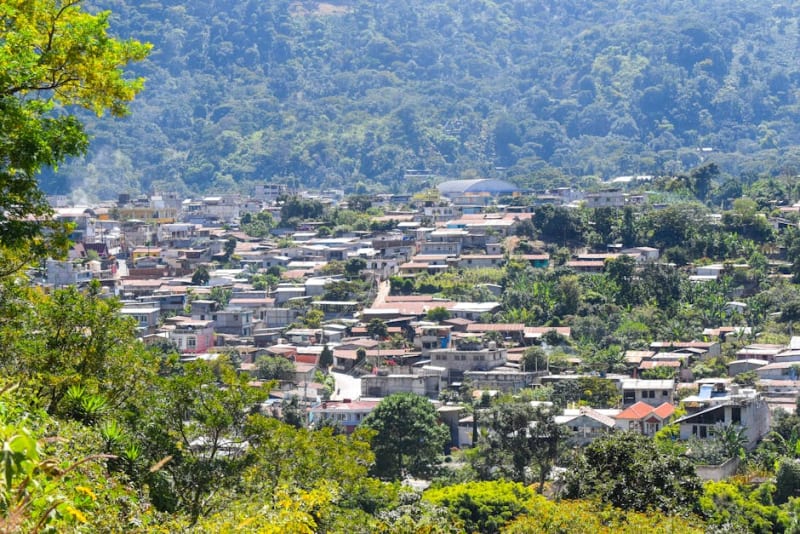
Only reachable by boat, this Garifuna Caribbean town on the Rio Dulce estuary beats to its own drum — literally.
Monterrico
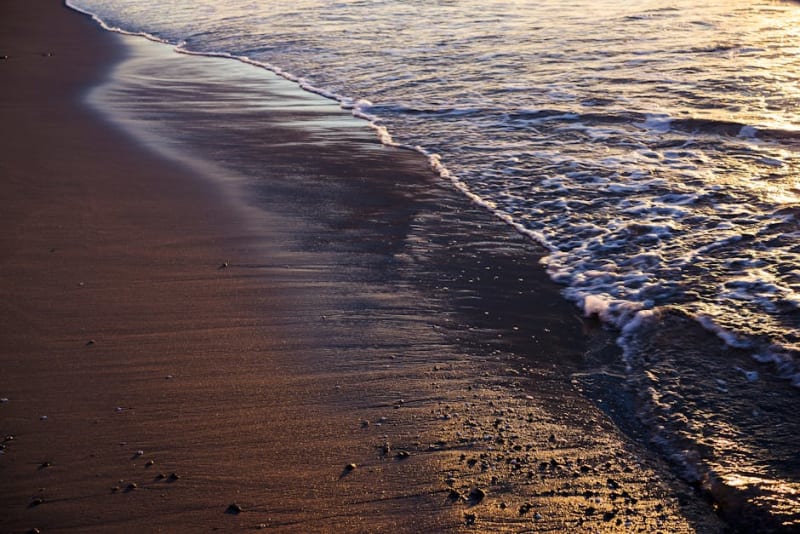
Black volcanic sand, Pacific surf, mangrove estuaries, and the only beach town in Guatemala where sea turtles nest under the stars.
Quetzaltenango
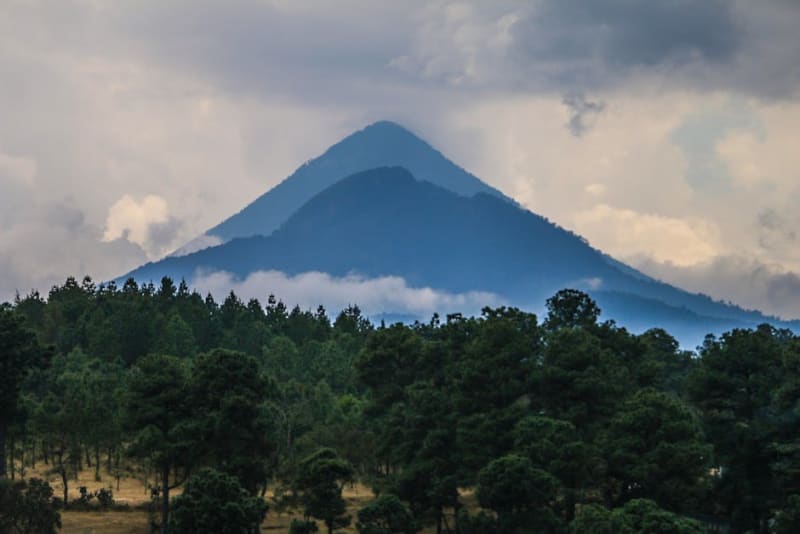
Guatemala's highland second city — called Xela by everyone who lives there — where the Spanish schools are serious and the volcanic hot springs cure everything.
Río Dulce
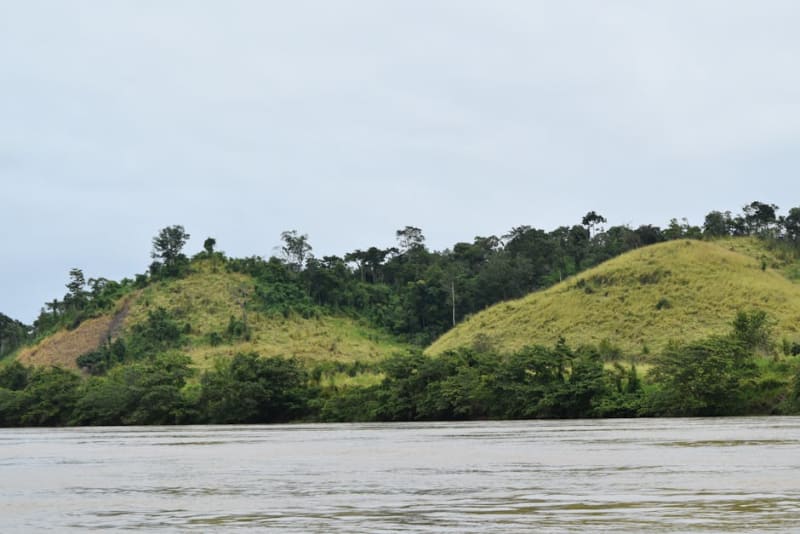
A jungle-walled river canyon connecting Lake Izabal to the Caribbean, with hot springs, manatees, and a seventeenth-century Spanish fortress.
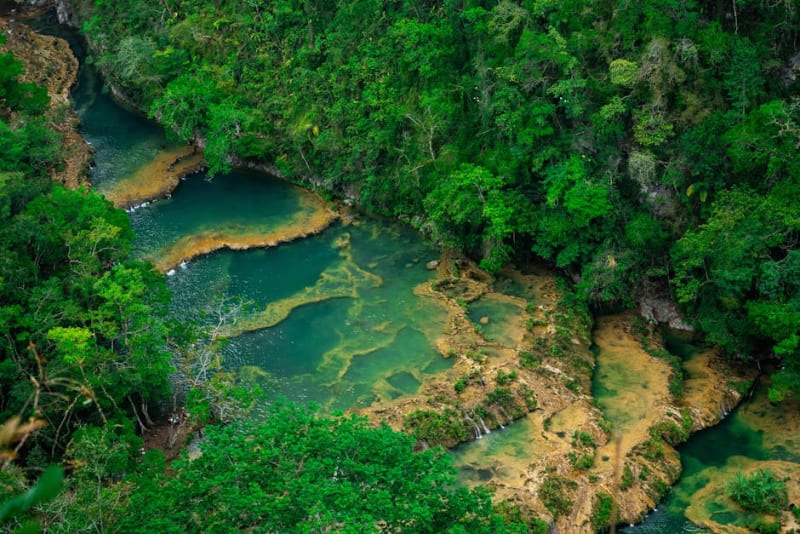
Semuc Champey
Turquoise limestone pools stacked in the jungle like nature's infinity edges, above a river that disappears underground.
Tikal
Maya temples rising from the jungle canopy, howler monkeys at dawn, and one of the great archaeological experiences on the planet.
Yaxhá
A vast Maya city stranded between two jungle lagoons in the Petén lowlands, where you can climb a temple at dusk and watch the forest swallow the sound of howler monkeys.
Free download
Get the Guatemala Guide
A curated PDF itinerary with honest picks, real restaurants, and the details that matter — the kind you'd actually print and bring.
Download the guide