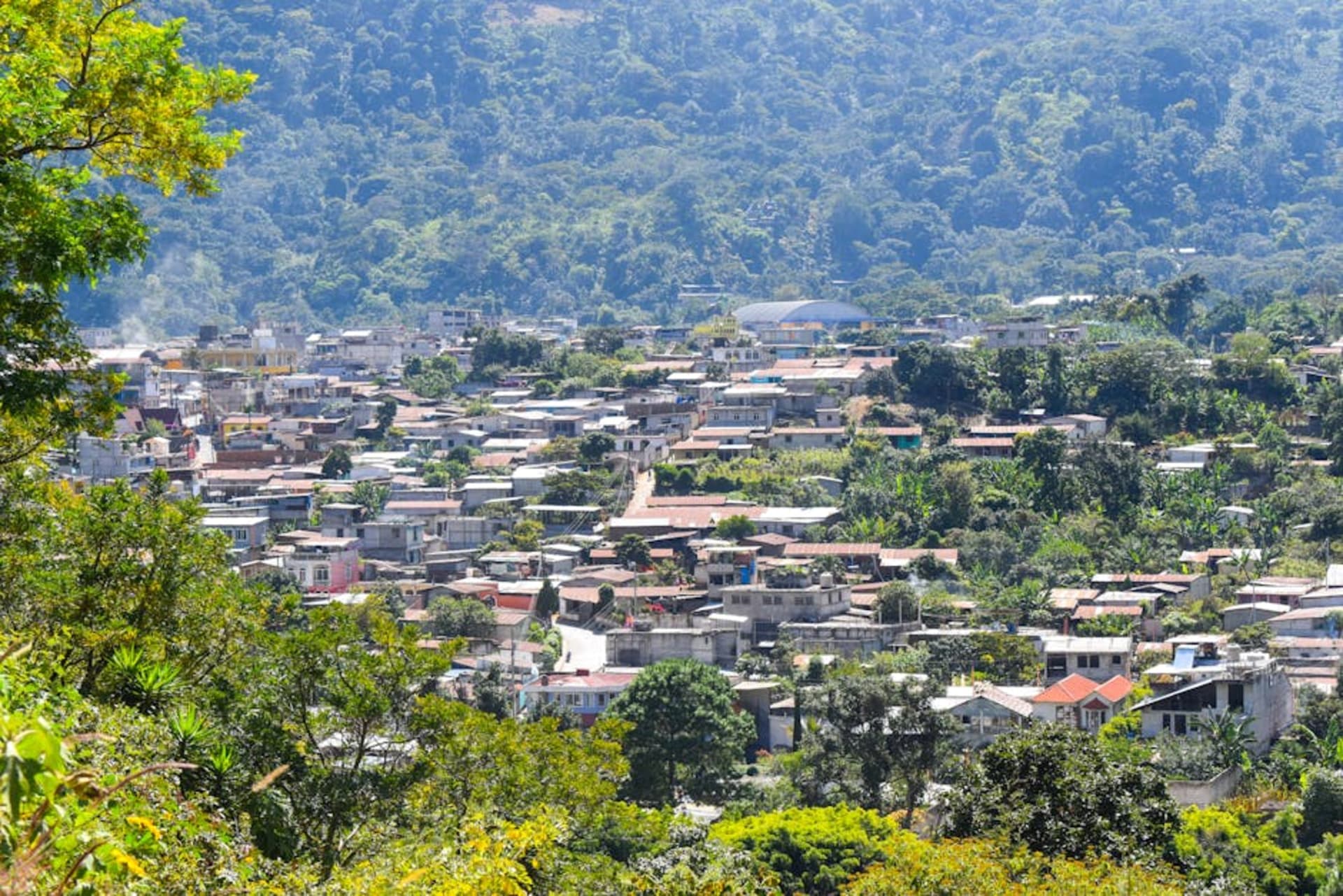
Livingston
"A town that belongs to a different country. Guatemala's best-kept secret is that it has a Caribbean coast."
Livingston exists in a category of its own. Reachable only by boat — there are no roads connecting it to the rest of Guatemala — this small town on the Caribbean coast feels less like Central America and more like a village transplanted from Belize or Honduras. The population is primarily Garífuna, descendants of West African and Arawak peoples who arrived on these shores in the eighteenth century and built a culture of drums, cassava, coconut, and a Creole language that sounds nothing like the Spanish spoken an hour upriver. The music drifts from open doorways. The food is built on seafood and coconut milk. The rhythm is coastal, not highland — slower, warmer, swaying.
I took the lancha from Río Dulce, a forty-minute ride down the river canyon where the jungle walls close in from both sides and the water turns from brown to green to blue as you approach the sea. Livingston appeared around a bend — wooden houses on stilts, painted fishing boats, palm trees leaning toward the water. A man on the dock was playing a garifuna drum, not for tourists but because it was Saturday morning and that is what you do.
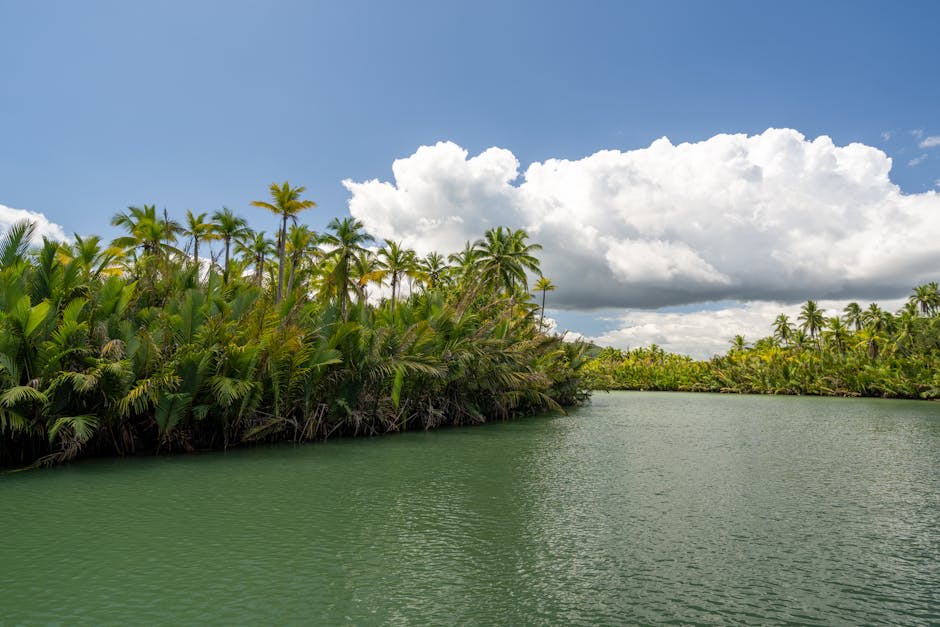
The Playa Blanca — a thirty-minute boat ride from town — is Livingston’s best beach: white sand, clear water, coconut palms, and a level of quietness that the Pacific coast cannot match. The Siete Altares (Seven Altars) are a series of waterfalls and pools in the jungle a short hike from town, where freshwater cascades into swimming holes surrounded by tropical vegetation so dense the light comes through green-filtered.
The food in Livingston is the revelation. Tapado — the Garífuna seafood soup made with coconut milk, plantains, fish, shrimp, and crab — is one of the great dishes of Central American cuisine, rich and aromatic and unlike anything served in the rest of Guatemala. I ate it at a beachfront comedor run by a woman named Doña María who cooked everything over a wood fire and served it in bowls large enough to swim in. The coconut bread, baked in outdoor ovens, is sold warm from baskets on the street every morning.
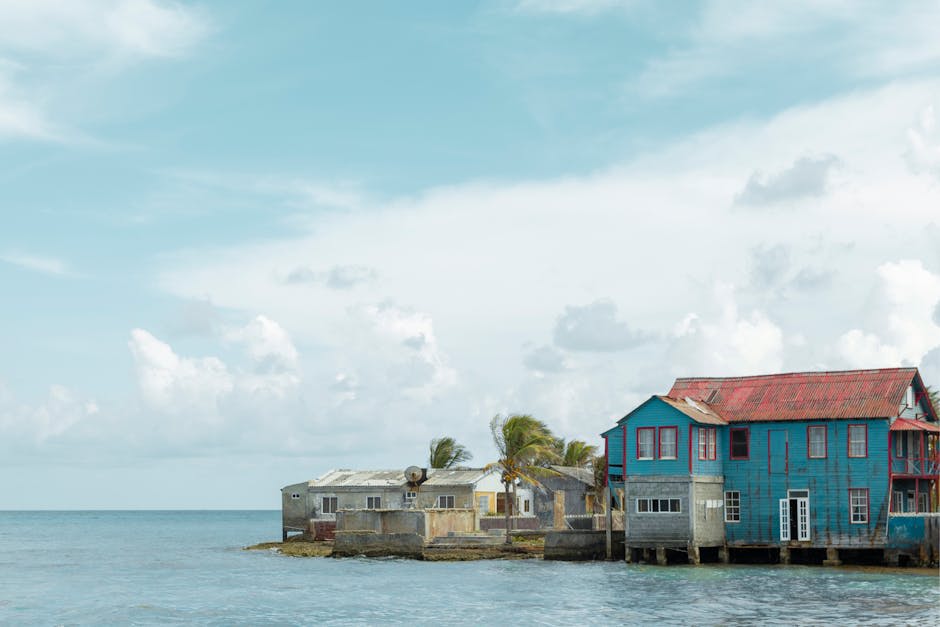
Livingston is not polished. The infrastructure is basic, the electricity is unreliable, and the town has a rawness that some travelers find uncomfortable. But that rawness is the point — this is a place where culture has not been packaged for consumption, where the Garífuna community maintains its traditions because they are worth maintaining, not because tourists will pay to see them. Stay at least two nights. Eat tapado twice. Listen to the drums.
When to go: February to May for the driest weather. November can be rainy but the Garífuna Settlement Day celebrations (November 26) are extraordinary — drumming, dancing, and reenactments of the Garífuna arrival on these shores.