Antigua
"A city that was destroyed by earthquakes and rebuilt with better taste each time."
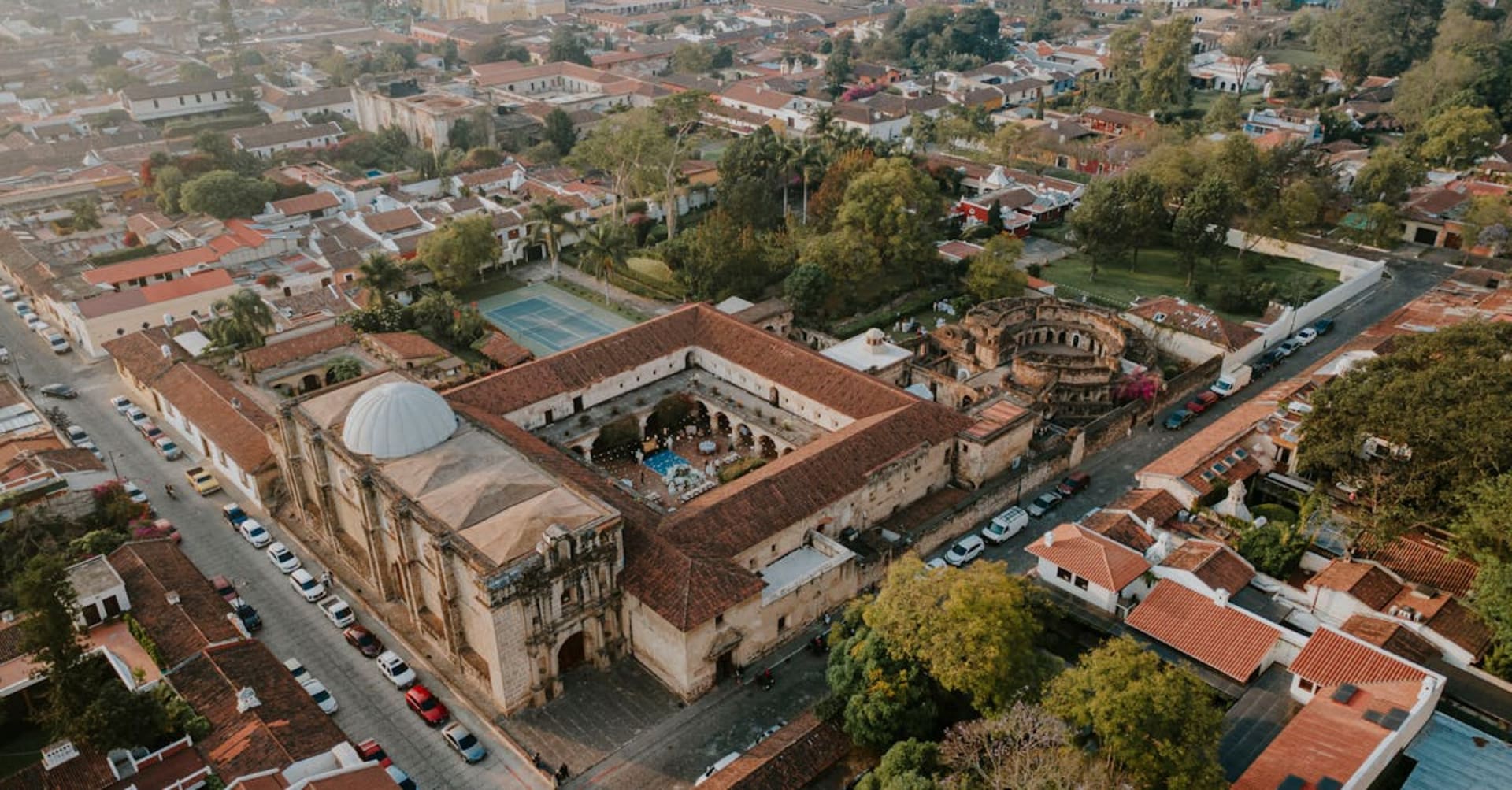
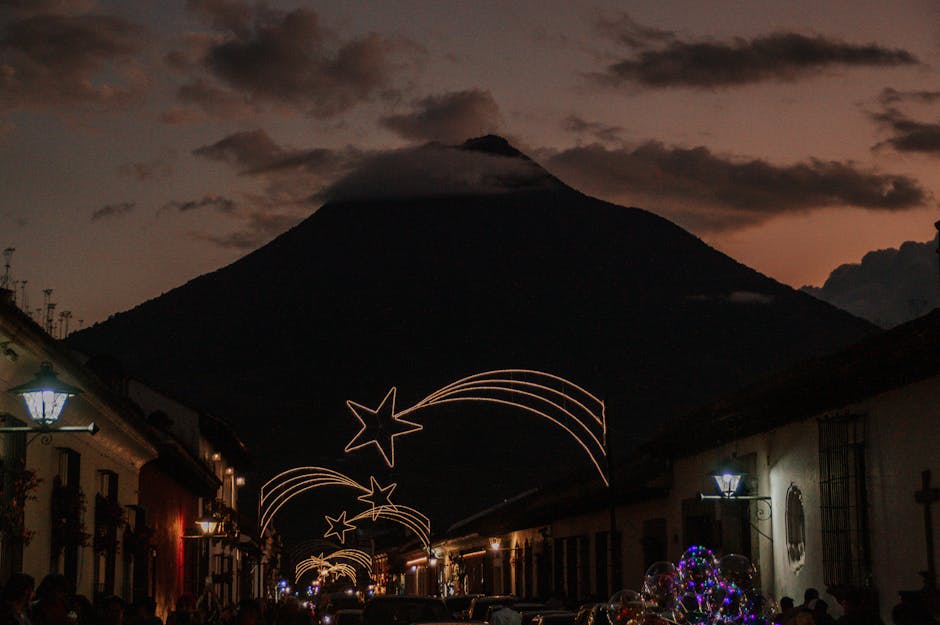
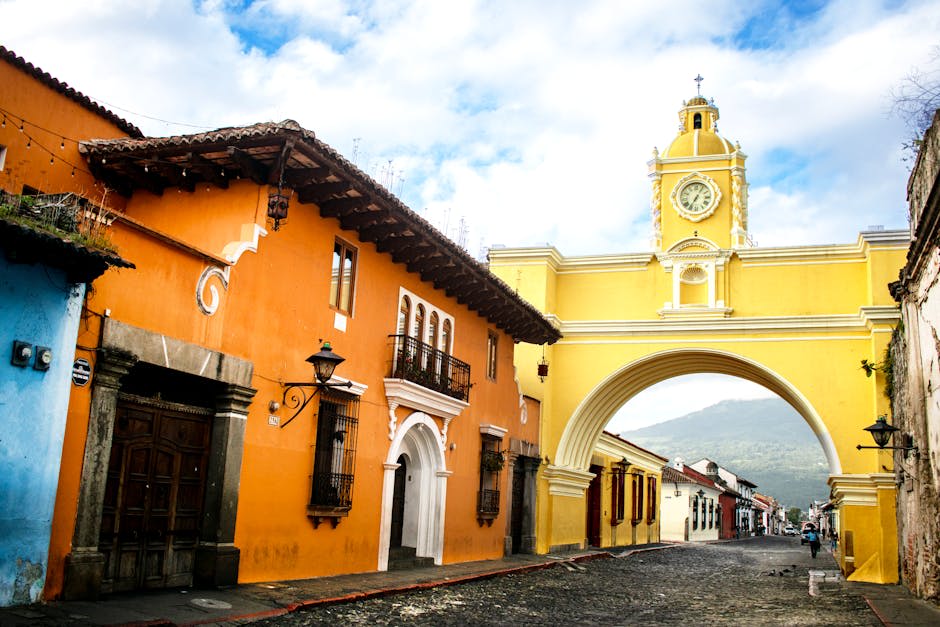
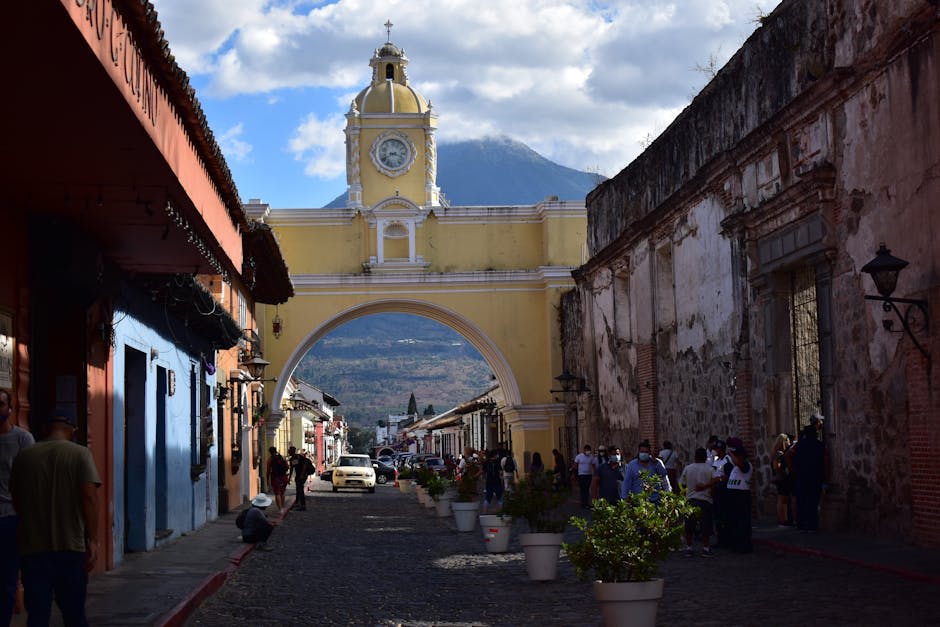
Antigua Guatemala — the former capital, abandoned after earthquakes in 1773 — is one of the most beautiful small cities in the Americas. Cobblestoned streets lined with painted facades in mustard, terracotta, and colonial blue. Ruined churches and convents whose crumbling walls are draped in bougainvillea. Volcán de Agua framed at the end of seemingly every street, and Volcán de Fuego occasionally reminding everyone of its presence with a plume of ash. The whole city is a UNESCO site, and the preservation is remarkable without being precious — this is a living city, not a museum.
I lived in Antigua for three weeks on my first visit to Guatemala, renting a room from a family near the Tanque de la Unión. Every morning I walked to Café Fernando’s on 7a Avenida for a pour-over made with beans grown twenty minutes up the hill, then wandered the streets in that particular highland light that makes every crumbling facade look like it was arranged by a set designer with impeccable taste. Antigua is a place that rewards aimlessness — the best discoveries happen when you turn a corner you had not planned to turn.
The coffee is the essential Antigua experience. Guatemala produces some of the finest beans in the world, and in Antigua you can visit farms in the surrounding hills — Finca Filadelfia, De la Gente, El Pilar — watch the processing from cherry to cup, and taste single-origin coffee that would cost fifteen dollars in New York served to you by the family who grew it for a fraction of that. The cupping sessions at Antigua Coffee Academy are worth an afternoon for anyone who takes their caffeine seriously.
The ruins — the Convento de las Capuchinas, the Cathedral, the Iglesia de la Merced — are open to exploration and remarkably atmospheric. The Convento de Santo Domingo has been converted into a luxury hotel with a museum, sculpture garden, and candle-lit restaurant set among the original colonial walls. But the smaller ruins are the ones I return to — the arches of Santa Clara, the overgrown courtyards of San Jerónimo, places where the tourists thin out and you can sit alone with the bougainvillea and the silence.
The market at the Mercado Municipal is where the city’s culinary life happens — tamales, tostadas, fresh tropical fruit, and the chaos of a Guatemalan market at full volume. The comedores on the second floor serve almuerzos for fifteen quetzales that include handmade tortillas, black beans, a piece of grilled chicken, and a cup of coffee that puts most specialty shops to shame.
Volcán Acatenango — the overnight hike to 3,976 meters — offers views of Fuego erupting from across the valley at night. Lava, explosions, rumbling — watched from a safe distance, wrapped in a sleeping bag, at altitude. It is one of the most extraordinary camping experiences in Central America. I did it in February, and the eruptions came every twenty minutes — pillars of orange against a sky dense with stars, the sound arriving seconds after the light like distant thunder. I did not sleep. I did not want to.
When to go: November to April. January and February are ideal — clear skies, cool highland mornings, the coffee harvest in progress. Semana Santa (Easter week) is Antigua’s great spectacle — enormous alfombras (carpets of dyed sawdust and flowers) line the streets for processions that are among the most elaborate in the Catholic world.