Chichicastenango
"A market that has been running since before Columbus. It does not need your permission to continue."
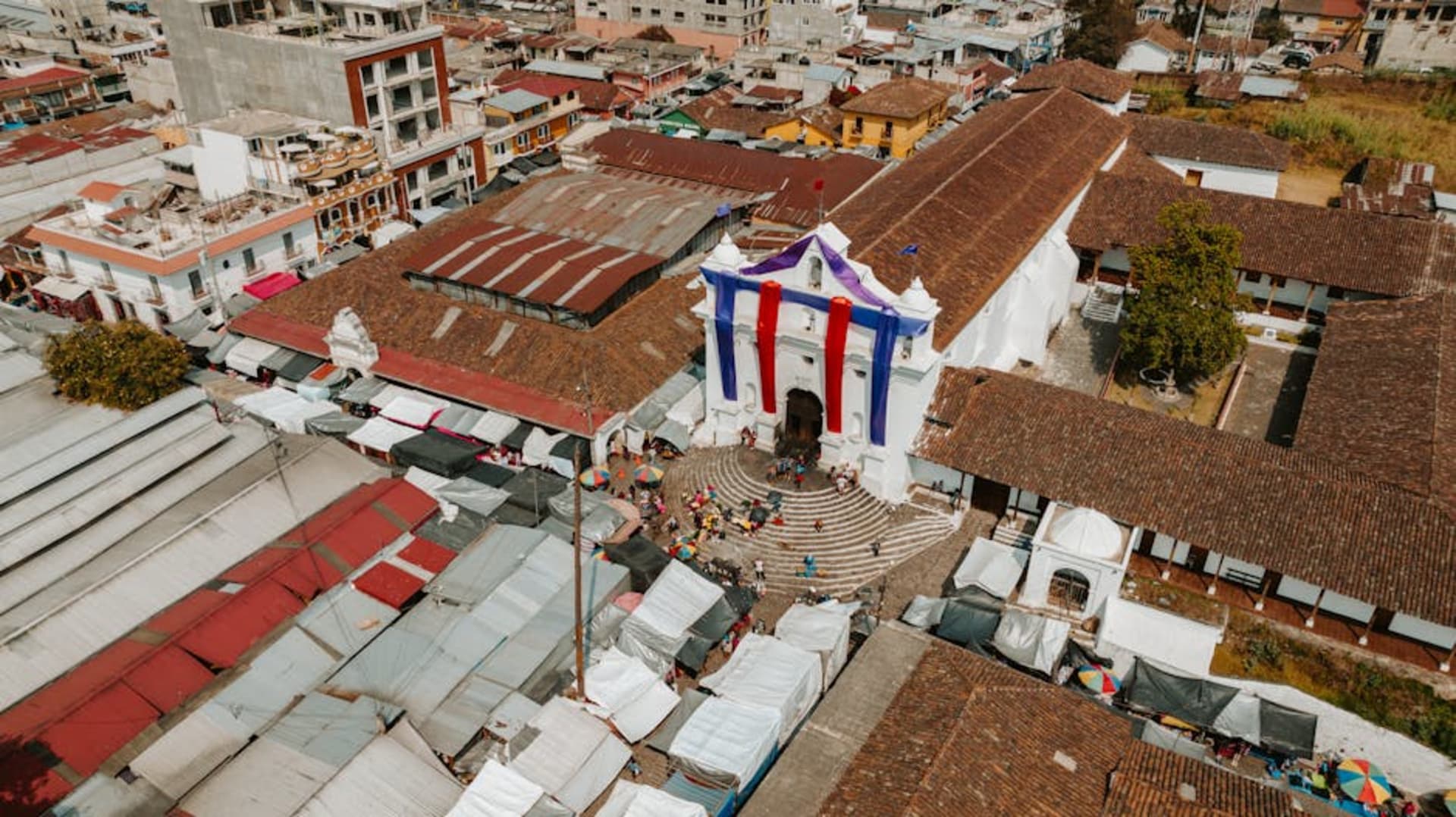
The market at Chichicastenango is not a tourist attraction that happens to sell things. It is the opposite — a commercial event of enormous cultural and economic importance that happens to attract tourists. Every Thursday and Sunday, K’iche’ Maya traders from across the western highlands converge on this small town, filling the central plaza and the surrounding streets with a density of color, sound, and commerce that borders on overwhelming. Textiles, ceramics, wooden masks, jade, medicinal herbs, livestock, bootleg electronics, machetes, and more varieties of chili pepper than you knew existed — all of it laid out on blankets and wooden stalls in an arrangement that appears chaotic but follows a logic centuries older than the grid.
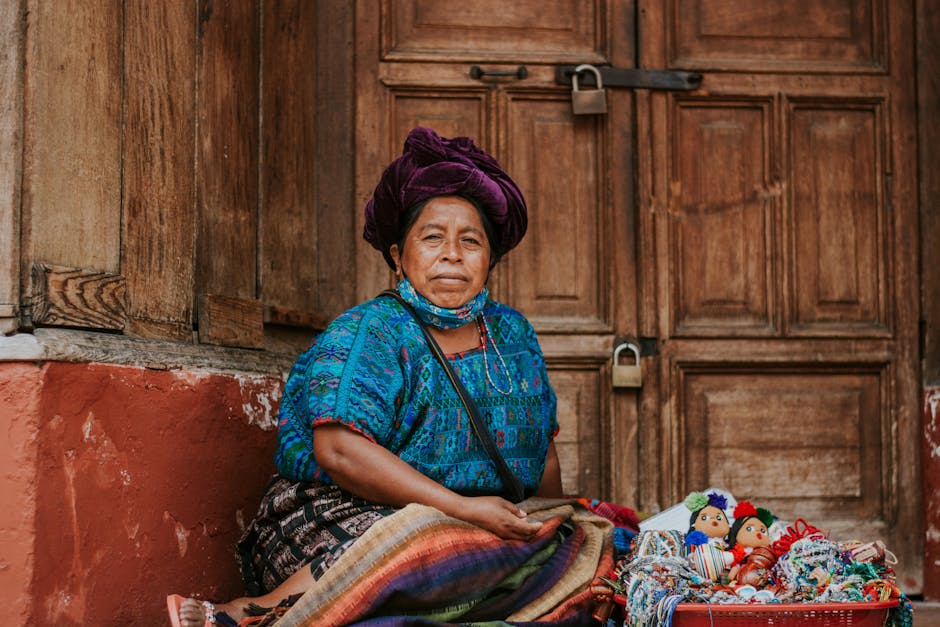
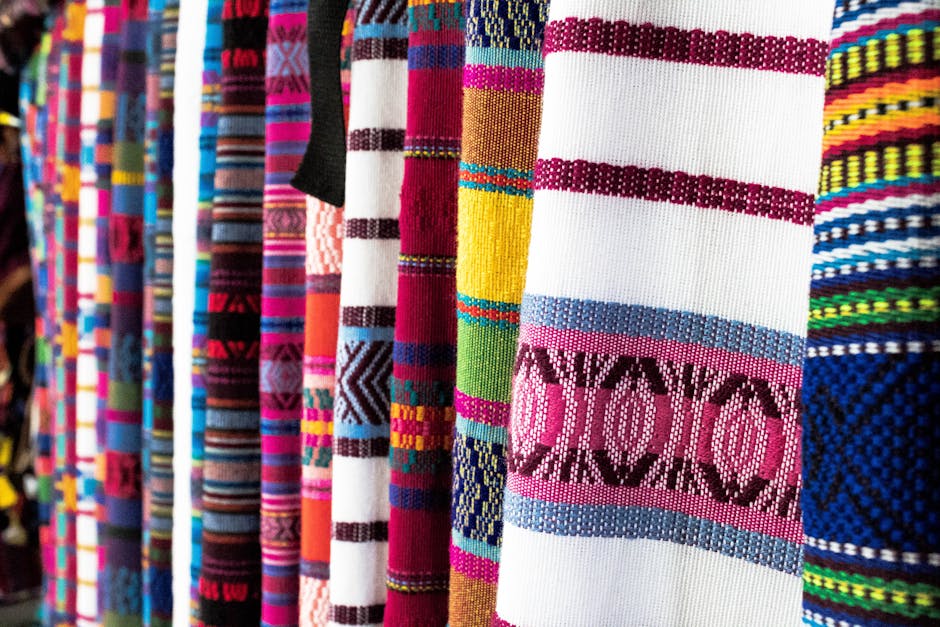
I arrived on a Thursday at seven in the morning, before the tour buses from Antigua and Panajachel. The vendors were still setting up, unrolling bolts of fabric in colors so saturated they seemed to vibrate — the magentas and indigos of handwoven huipiles, the geometric patterns that identify village and lineage, the embroidered birds and flowers that have been traded here since long before the Spanish arrived. A woman handed me a cup of atol — warm corn drink — and gestured at the textiles with the calm authority of someone who has done this every market day for forty years.
The Iglesia de Santo Tomás dominates the plaza. Built in 1540 on the site of a pre-Columbian temple, its eighteen steps — one for each month of the Maya calendar — are permanently wreathed in copal incense smoke, as K’iche’ spiritual leaders (ajq’ijab’) perform ceremonies on the same stones where their ancestors made offerings centuries ago. This is syncretic religion at its most visible: Catholic saints and Maya cosmology coexisting inside the same building, sometimes in the same prayer. Photographs inside the church are not permitted, and should not be taken. Some things are not for documentation.
The Morería workshops, scattered through the side streets, produce the carved wooden masks used in traditional dances — the Baile de la Conquista, the Baile del Torito, the Baile de los Moros. The craftsmanship is extraordinary, each mask taking weeks to carve and paint, and the prices reflect it. These are not souvenirs. They are ritual objects that happen to be for sale.
The market thins by early afternoon as the long-distance traders begin packing their trucks. By four, the plaza is nearly empty — just the church, the incense, and the highland wind. Come early, come on Thursday rather than Sunday if you want fewer tourists, and bring cash in small denominations. The negotiation is expected but should be respectful — these textiles represent weeks of skilled labor, and a fifty-quetzal discount is not worth the disrespect of pretending otherwise.
When to go: Any Thursday or Sunday year-round. The December 13-21 Festival of Santo Tomás adds processions, fireworks, and the Palo Volador (flying pole ritual) to the market chaos — spectacular but extremely crowded.