Monterrico
"Guatemala's Pacific coast is not the postcard. That is precisely why you should come."
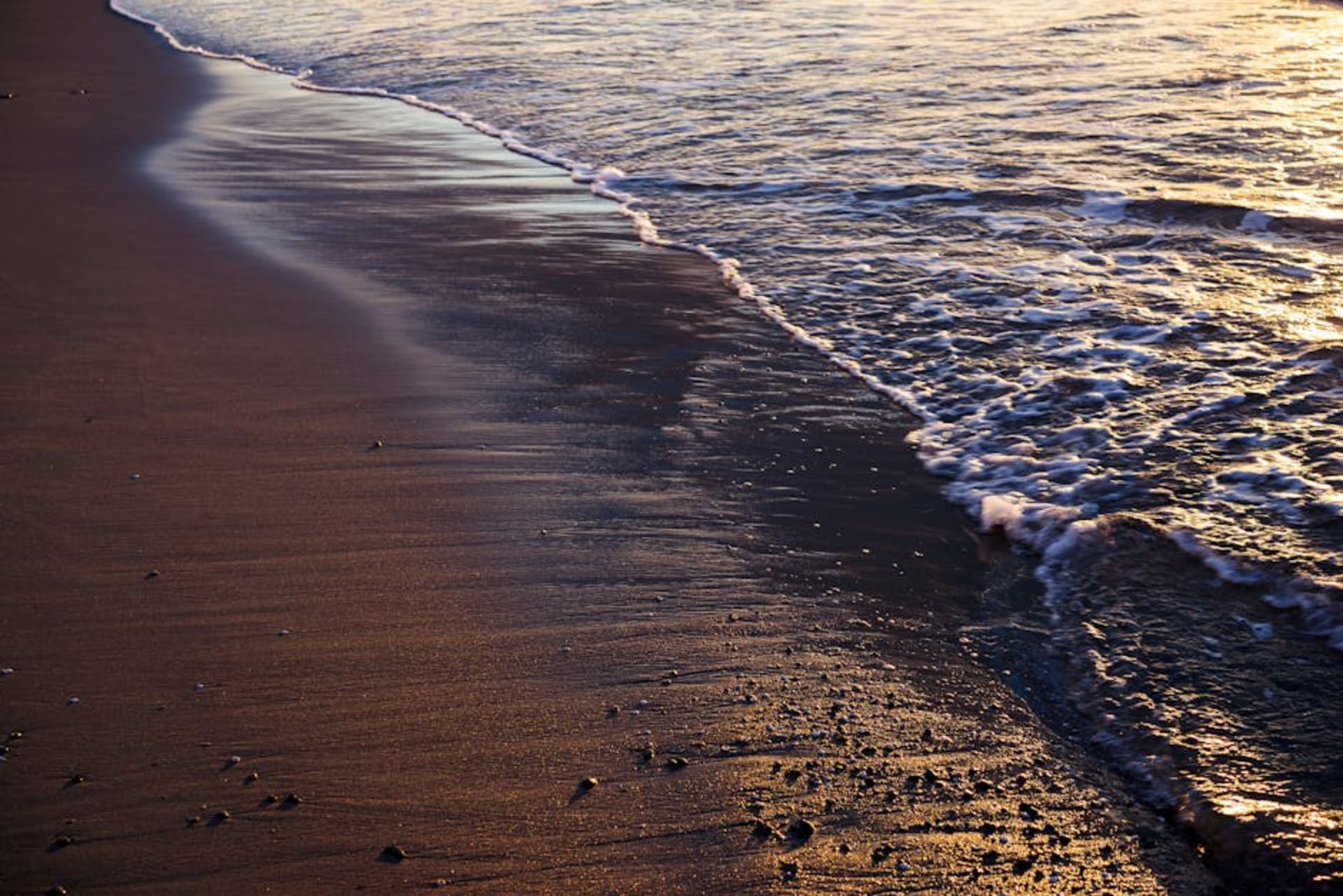
Monterrico is the Guatemala that nobody photographs for Instagram. The beach is black volcanic sand — coarse, hot under bare feet at midday, dramatic against the white Pacific foam but not the turquoise paradise the Caribbean promises. The town is small, unpretentious, and mostly visited by Guatemalans from the capital who come on weekends to eat seafood, drink Gallo, and sit in the surf. For foreign travelers it barely registers on the itinerary, which is exactly what makes it worth the detour.
I came to Monterrico on a Thursday in March, when the town was nearly empty. The bus from Antigua drops you at a dock on the Canal de Chiquimulilla, a mangrove-lined waterway that you cross by public lancha in five minutes. The mangrovese are extraordinary — a labyrinth of roots and still water that is home to caimans, iguanas, herons, and a silence so complete you can hear the splash of a fish fifty meters away. The CECON turtle conservation center runs mangrove tours in the early morning that are among the best wildlife experiences on Guatemala’s Pacific coast.
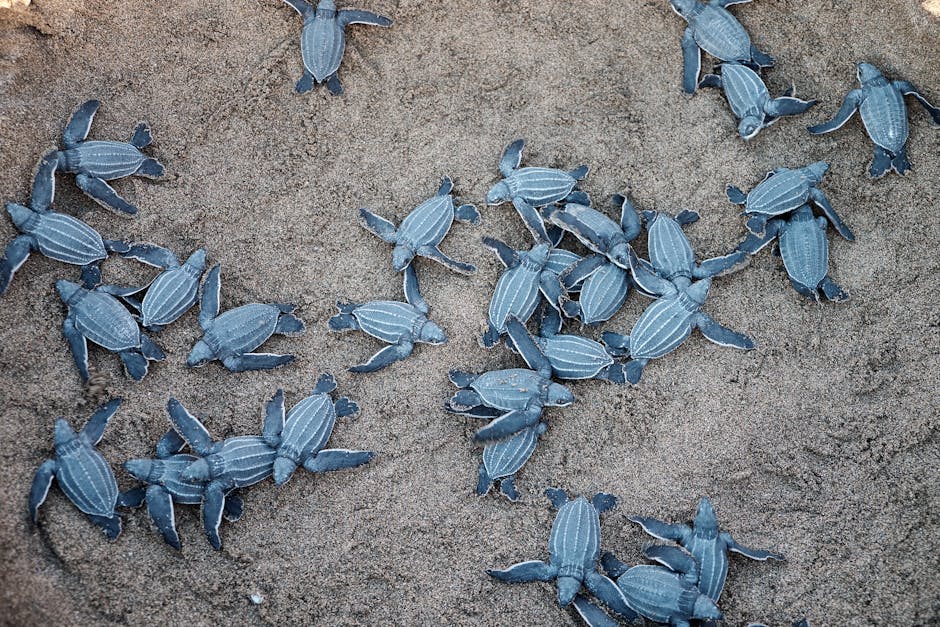
The turtles are the reason conservation matters here. Monterrico is a nesting site for olive ridley and leatherback sea turtles, and between July and December the females haul themselves up the black sand at night to lay their eggs. The hatcheries — run by the conservation center and several local hotels — collect the eggs, protect them from poachers, and release the hatchlings into the sea at sunset. I watched a release in October: a hundred tiny turtles, each smaller than a palm, scrambling across the sand toward the Pacific. Some made it on the first wave. Others were tumbled back and tried again. The whole beach was silent except for the surf and the small sounds of determination. It was one of the most quietly moving things I have seen in Central America.
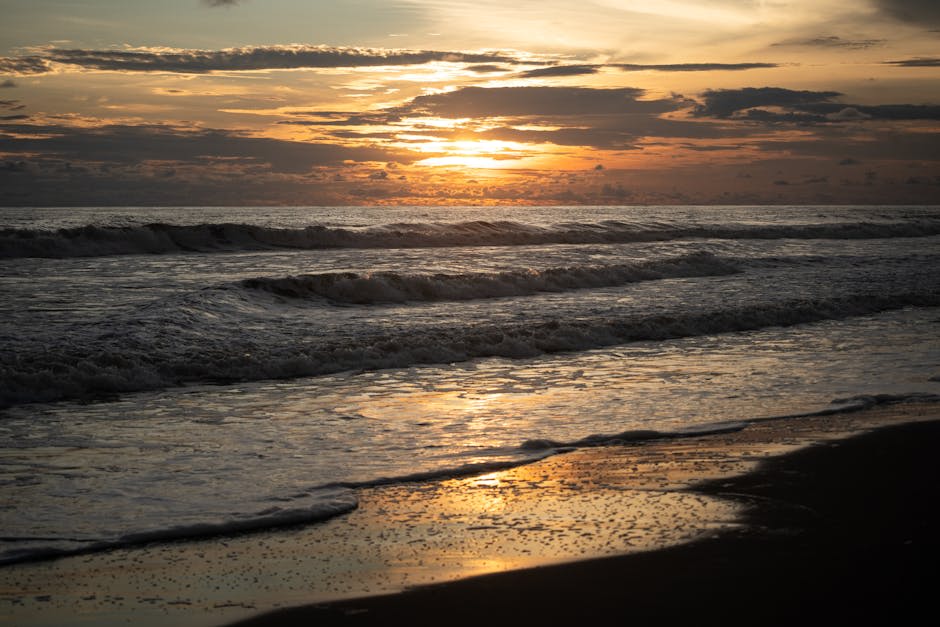
The food is Pacific-coast Guatemalan — ceviche made from the morning catch, fried whole fish with rice and black beans, cócteles de mariscos (seafood cocktails) served in plastic cups at the beachfront comedores. The papaya and mango are excellent. The beer is cold. The sunsets are volcanic — reds and oranges that the black sand amplifies into something operatic.
Stay at one of the beachfront hotels — Hotel Atelie del Mar or Johnny’s Place — where the rooms open directly onto the sand and the sound of the Pacific is the only alarm clock you need. The surf is strong and the undertow deserves respect, but the swimming is good in the calmer stretches. Monterrico is not glamorous. It is something better: honest, salt-crusted, and entirely itself.
When to go: November to March for dry weather and turtle season overlap. October for peak hatching. Weekdays are quieter; weekends bring Guatemalan families and a livelier atmosphere. Avoid Semana Santa unless you enjoy crowds.