
Flores
"A town so small you can walk its circumference in twenty minutes, yet big enough to keep you three days."
Flores is the kind of place that reveals itself slowly. At first glance it is simply a waypoint — the town where travelers sleep before and after Tikal, a cluster of guesthouses and restaurants on a tiny island connected to the mainland by a causeway. But stay a day beyond the obligatory and Flores becomes something else entirely: a Caribbean-colored jewel floating on a lake so calm it doubles the town in its reflection, with a lakefront rhythm that Central America’s highlands cannot match.
The island is barely three hundred meters across. Cobblestone lanes wind between buildings painted in coral, sky blue, and faded yellow. The central plaza has a church and a handful of benches where old men sit in the evening and children chase each other until dark. The waterfront restaurants — Cool Beans, Los Amigos, the nameless comedores on the south shore — serve fresh fish from the lake and cold Gallo beer, and at sunset the entire western sky turns liquid gold over the water.
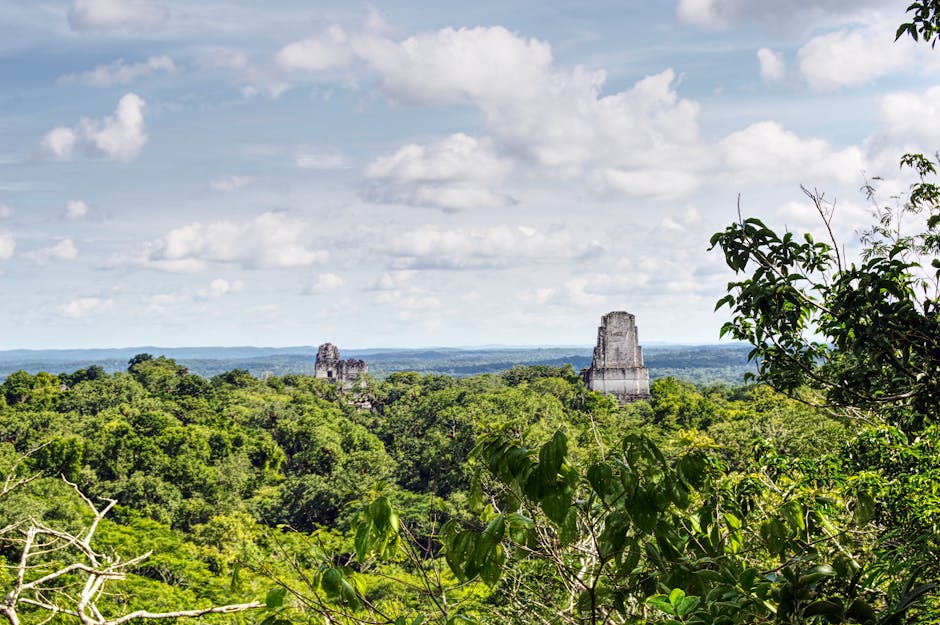
Lake Petén Itzá is Guatemala’s third-largest lake and one of its least visited. Kayak rental is cheap and the water is warm year-round — paddle out from the island and the noise of Flores fades to nothing, replaced by birdsong and the gentle splash of your oar. The far shore is dense forest, and if you follow the north coast you reach the ruins of Tayazal, the last independent Maya capital, which held out against the Spanish until 1697 — almost two centuries after the fall of the Aztecs. There is not much left, but the hilltop view over the lake is worth the paddle.
The real Flores, for me, was the evenings. I would buy a Gallo from a tienda, sit on the seawall on the east side of the island, and watch the light change over the jungle canopy stretching north toward Mexico. The Petén is the most remote region of Guatemala — the jungle here is vast, sparsely populated, and full of unexcavated Maya sites. Flores feels like the last outpost of the familiar world before all that wildness begins.
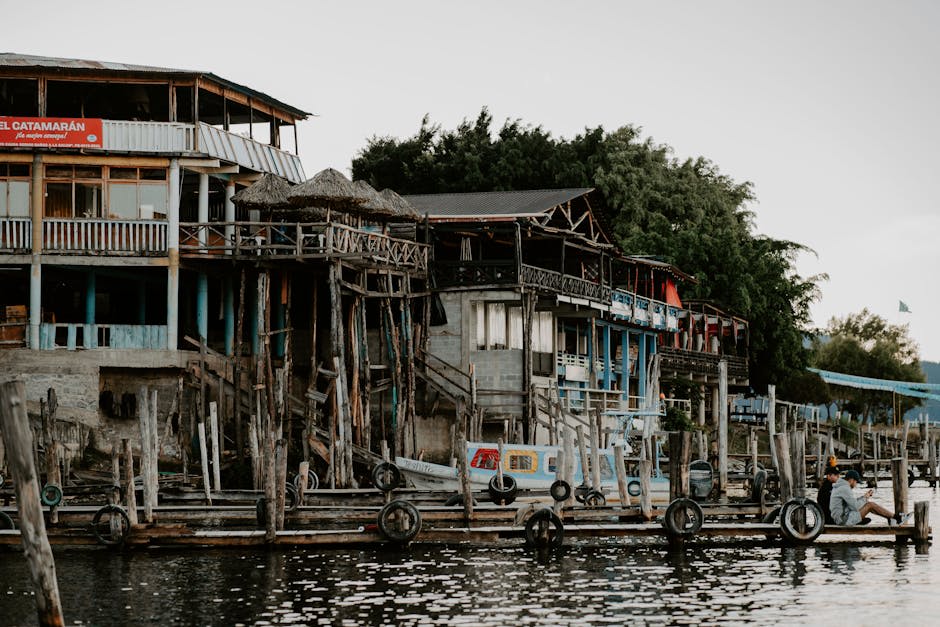
The mainland town of Santa Elena is functional rather than charming — markets, bus stations, ATMs — but the causeway walk between the two at dawn, with mist rising off the lake, is one of those small moments that stays with you longer than the big ones.
When to go: November to April for dry weather. February is ideal — clear skies, manageable heat, and the perfect staging for Tikal at dawn. The rainy season brings afternoon downpours but dramatically fewer tourists.