Lake Atitlán
"A place that dilates time and makes you reconsider how fast you've been moving."
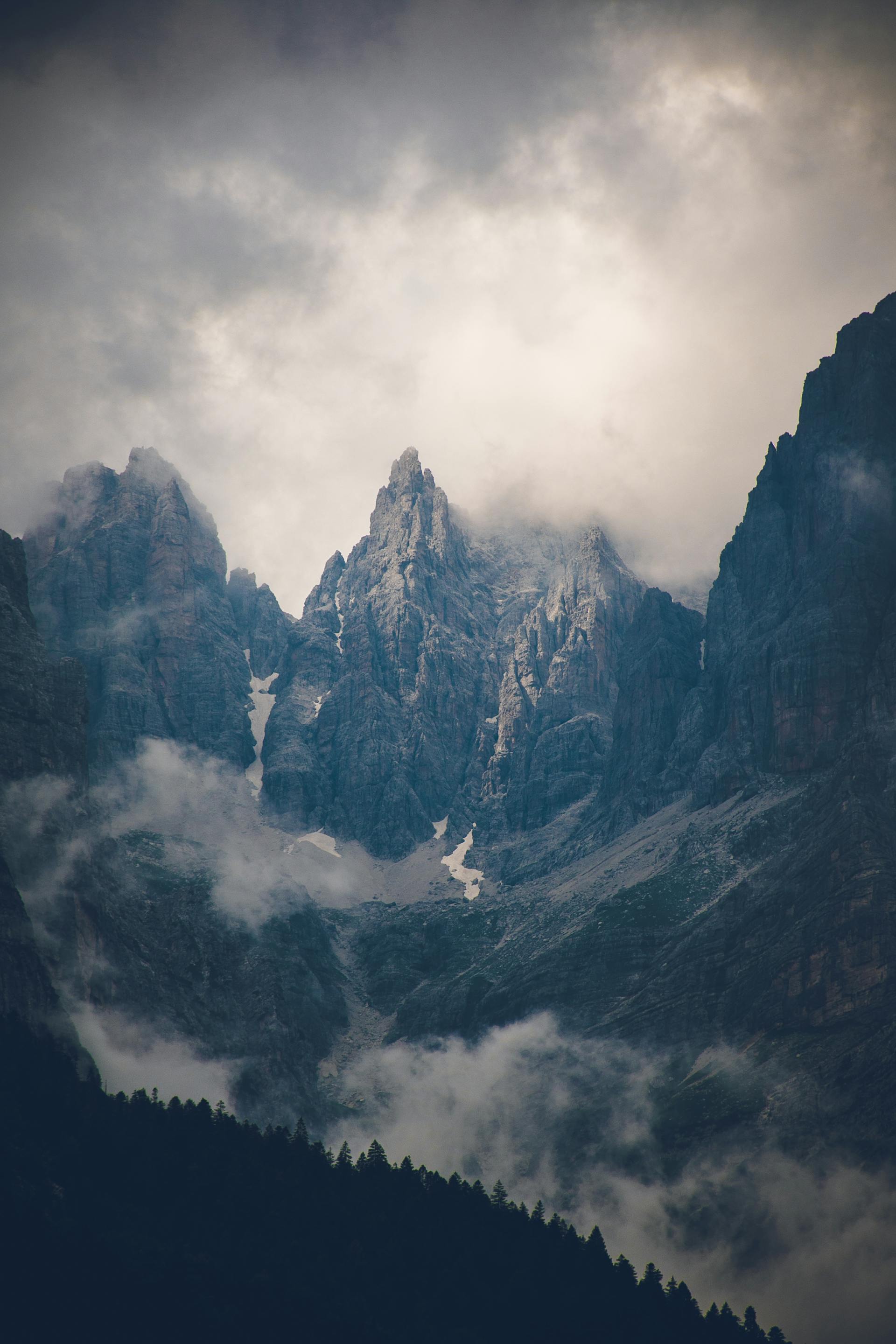
Lake Atitlán sits in a volcanic caldera at 1,560 meters in the Guatemalan highlands, ringed by three volcanoes — Tolimán, Atitlán, and San Pedro — and a dozen Maya communities. The water is deep, clean, and shifts colour with the light: emerald in the morning, sapphire at midday, silver at dusk. Aldous Huxley called it the most beautiful lake in the world. He may have been right.
I have been to Atitlán four times now — twice from Mexico City, twice while traveling overland through Central America — and each visit reveals something new. The lake has a way of rearranging your priorities. On my last trip I planned three days and stayed ten, reading on a dock in San Juan, taking lanchas with no particular destination, and watching the light do things to the water that I still cannot adequately describe in French or English or Spanish.
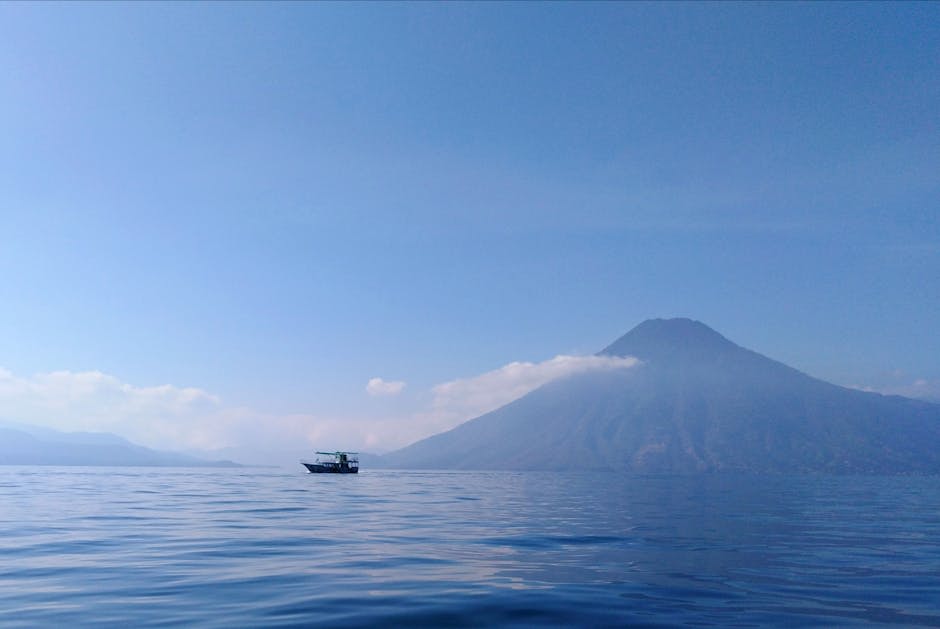
The villages around the lake are connected by lanchas (small motorboats) that depart on flexible schedules, and each stop feels like a different country. Panajachel is the main gateway — somewhat touristy but functional, with the best ATMs and the only real supermarket. San Juan La Laguna is the quietest and most culturally rich: Tz’utujil Maya textile cooperatives where women weave on backstrap looms using natural dyes — cochineal for red, sacatinta for blue — small galleries, and a calm that the other villages have traded away. I stayed at Uxlabil Eco Hotel, perched on a cliff above the lake, and the view from the terrace at dawn was worth the entire trip.
Santiago Atitlán is the largest lakeside town and the most complex — a major market where Maya women in traditional huipiles negotiate with the same intensity as any trading floor, the syncretic cult of Maximón (a saint made of wood, scarves, and rum offerings), and a community that maintains its traditions with purpose. Ask someone where Maximón is this year. Pay the small fee. Sit with him. It is one of the strangest and most genuine religious encounters in the Americas.
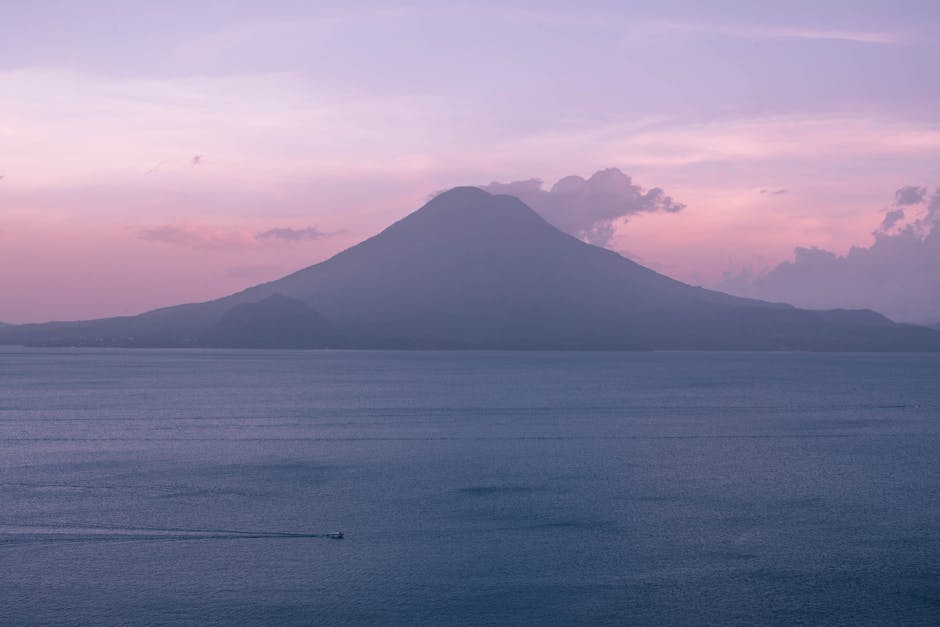
San Marcos La Laguna has become the spiritual-retreat hub — yoga centres, meditation spaces, and swimming from rocky shores in water so clear you can see the volcanic sediment on the bottom. The cacao ceremonies are optional. The swimming is not.
Hiking between the villages above the lake offers perspectives that the lanchas cannot — the trail from San Marcos to Tzununá passes through avocado groves and coffee fincas with the lake appearing below through the trees. The Indian Nose (Nariz del Indio) sunrise hike from Santa Clara La Laguna is a short, steep climb to a viewpoint that puts the entire caldera at your feet — all three volcanoes, the lake, and the string of villages below, lit by the first light of morning.
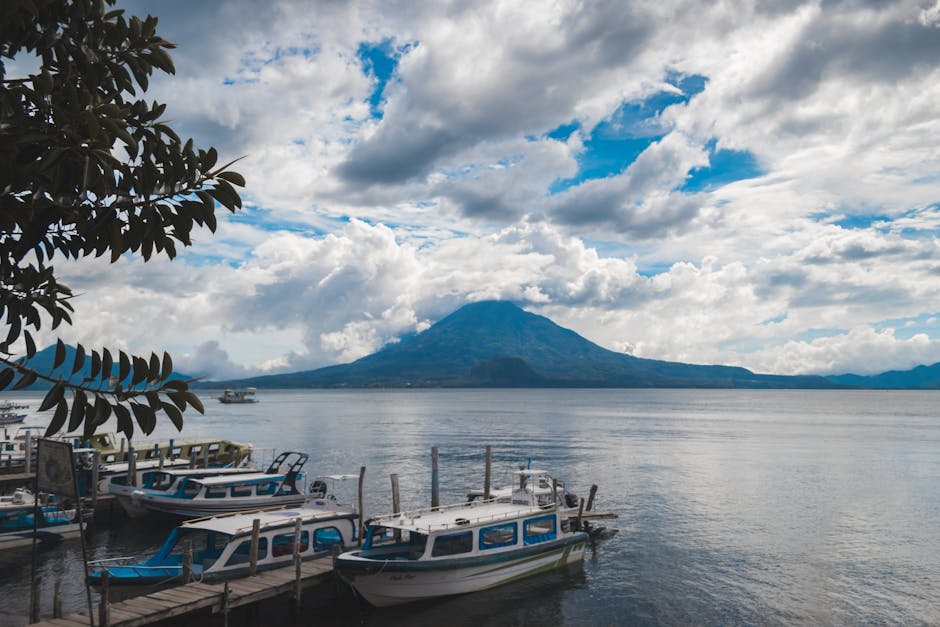
When to go: November to March. Mornings are clear; afternoons can cloud over. The Xocomil wind picks up around 10am and churns the lake surface, so boat early. The Sololá market on Tuesdays and Fridays — in the town above the lake — is one of the most authentic highland markets in Guatemala and rarely visited by tourists.