Mljet
"Lia and I rented bikes at the park entrance and I don't think either of us said a word for the first twenty minutes, just pine smell and cicadas."
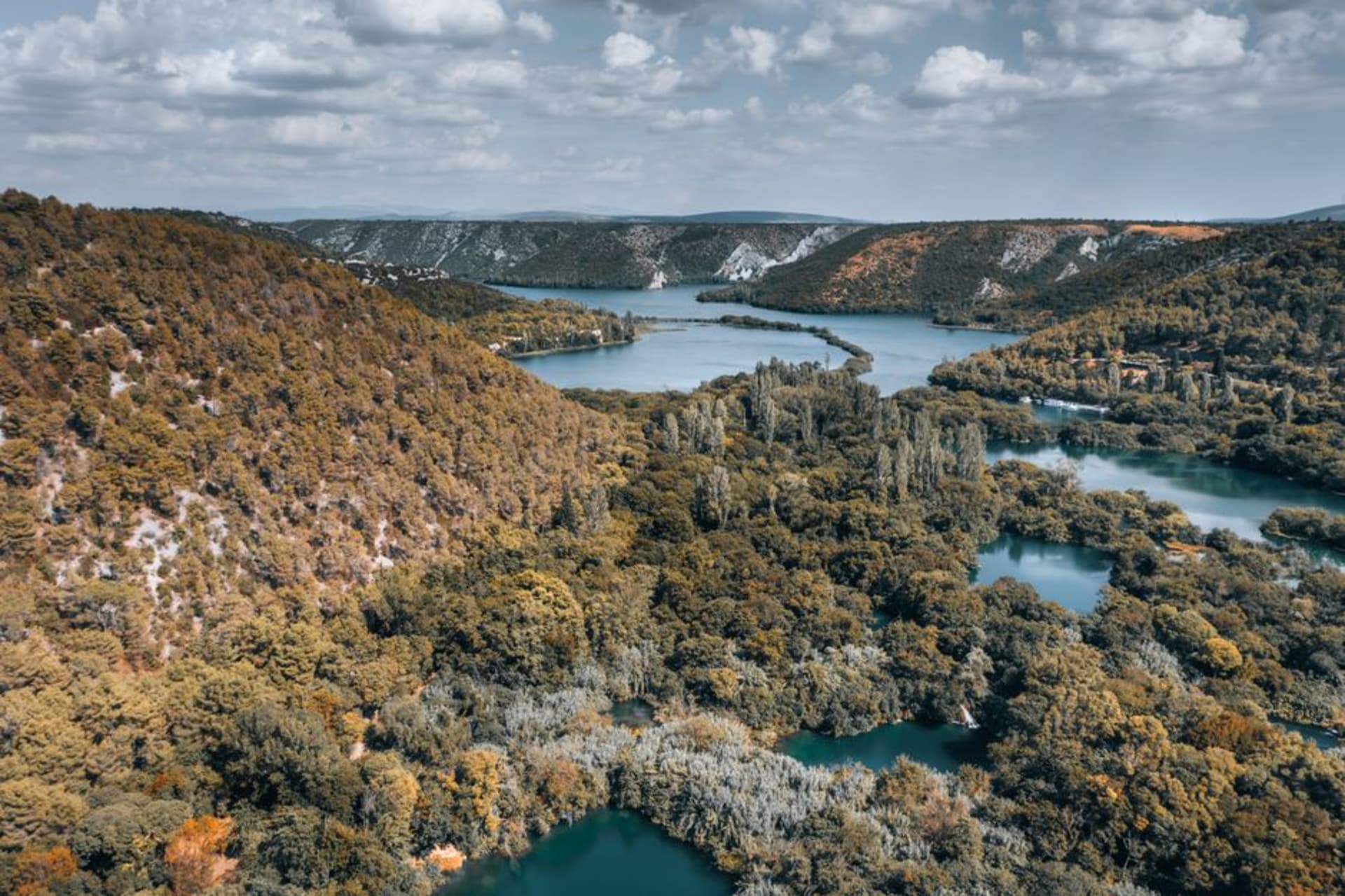
A green, sparsely populated island where a national park wraps around two saltwater lakes threaded together by a narrow channel.

I almost skipped Mljet. Everyone in Dubrovnik kept pushing the Elaphiti Islands for a day trip, and I figured one Croatian island with pine trees and turquoise water would look pretty much like the next. I was wrong in the most pleasant way possible. The ferry from Prožura or the catamaran from Dubrovnik drops you somewhere that feels less like a resort and more like a place that forgot to develop itself, in the best sense — about a third of the island is protected national park, and the rest is olive groves, vineyards, and villages of maybe a hundred people.
The whole reason to come is the pair of saltwater lakes inside the park, Veliko and Malo Jezero, connected to each other and to the open sea by narrow channels that keep the water moving and surprisingly warm. We rented bikes at the entrance near Pristanište and rode the loop around Veliko Jezero, stopping constantly because the light kept changing on the water — jade in the shallows, almost black where it dropped off. There’s a tiny islet in the middle of the lake with a 12th-century Benedictine monastery on it, and you can take a small boat over for a swim off the rocks and a coffee at the restaurant that now occupies part of the old building.

What got me was how quiet it all was on a Tuesday in June. We swam in the channel between the two lakes where the current picks up and you can basically let it carry you along like a lazy river, except the water is the Adriatic and it’s genuinely salty and cold in patches where it mixes with fresher currents. Lia found a spot on the rocks near Soline where a couple of local families were grilling fish on a portable stove, and we ended up talking to a guy who’d grown up on the island and left for Split, then came back because, in his words, “you can’t unlearn this kind of quiet.”
We stayed two nights in a small guesthouse in Babino Polje, on the other, less-visited side of the island, and ate grilled squid and a wine called Pošip that I hadn’t had before, slightly sharp and mineral, apparently distinct to this stretch of the Dalmatian coast. One afternoon we drove out toward Saplunara on the eastern tip for the sand beaches, which are rare enough in Croatia that they’re worth the bumpy road, though I’ll admit the pine-shaded coves near the park impressed me more than the sand did.

By the time we left I understood why Odysseus supposedly got stuck here for seven years with Calypso — there are worse places to lose track of time. I left slightly sunburnt, out of cash because the island barely takes cards outside the park entrance, and already telling people in Dubrovnik they’d been looking at the wrong map.
When to go: Late May through June or September gives you warm water and thinner crowds than July–August, when day-trip boats from Dubrovnik and Korčula can crowd the lake shores by midday.
Keep exploring
More from Dalmatia
 dalmatia
 Omis
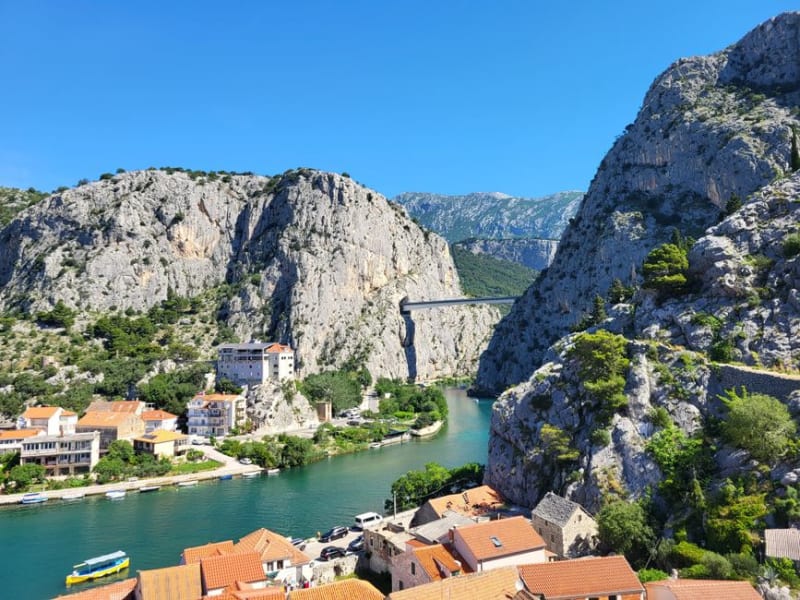
A gorge-mouth town on the Cetina River, once a feared pirate stronghold, now a base for rafting between limestone cliffs and a quiet Adriatic beach.
Explore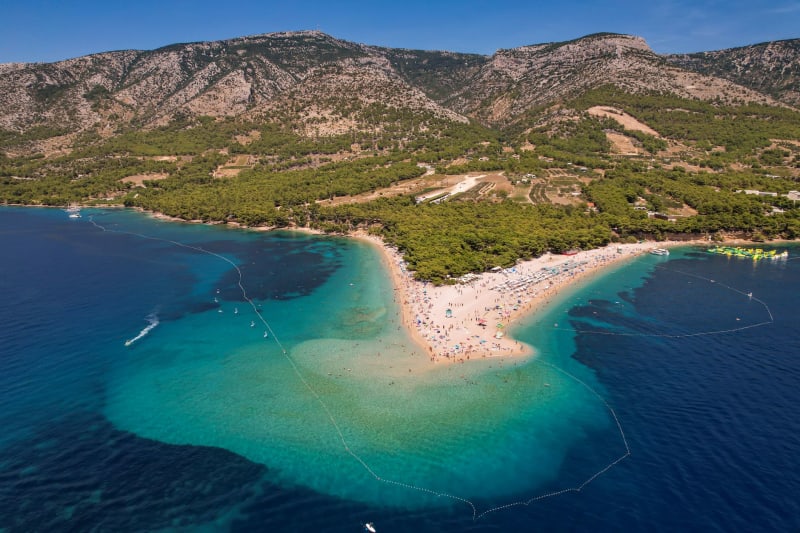 dalmatia
 Pelješac Peninsula
A seventy-kilometer arm of limestone and vineyard reaching into the Adriatic, growing Croatia's most serious red wines on slopes so steep they are worked almost entirely by hand.
Explore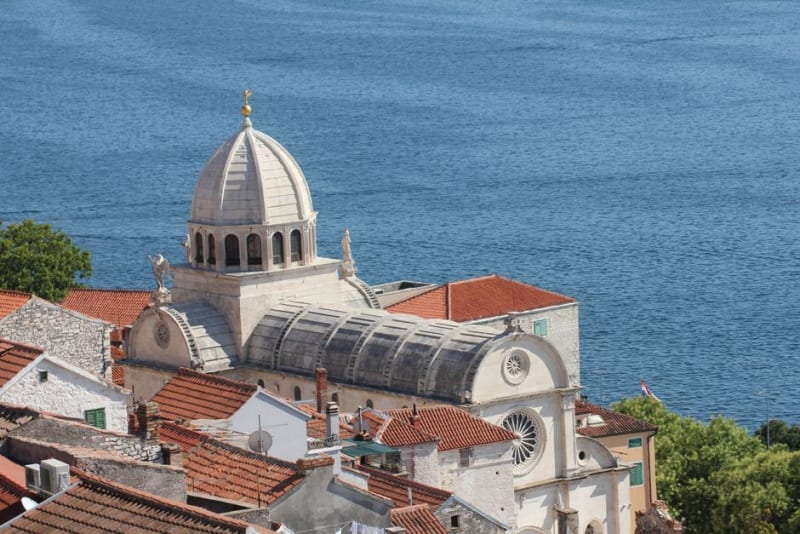 dalmatia
 Sibenik
A medieval stone city on a sheltered bay, built around a UNESCO cathedral raised entirely from carved stone without a drop of mortar or wood.
Explore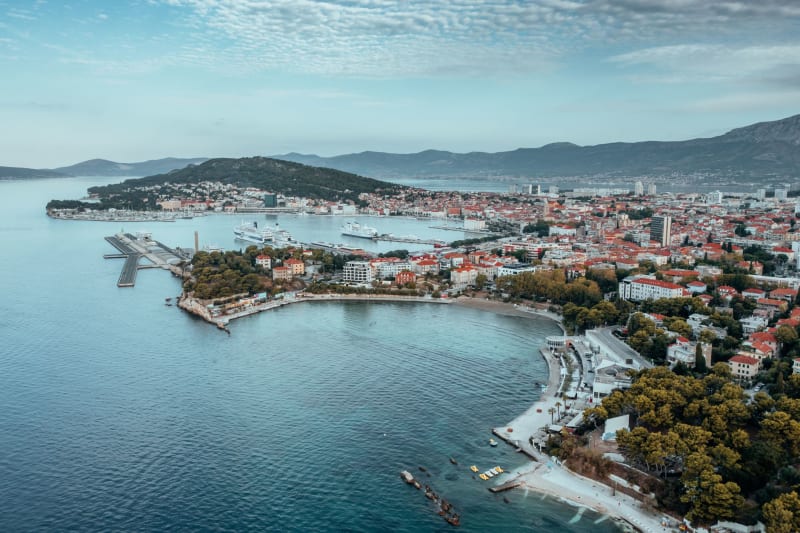 dalmatia
 Split
A Roman emperor's retirement palace colonized by an entire living city — cafés in the cellars, apartments in the colonnades, laundry strung between ancient columns.
Explore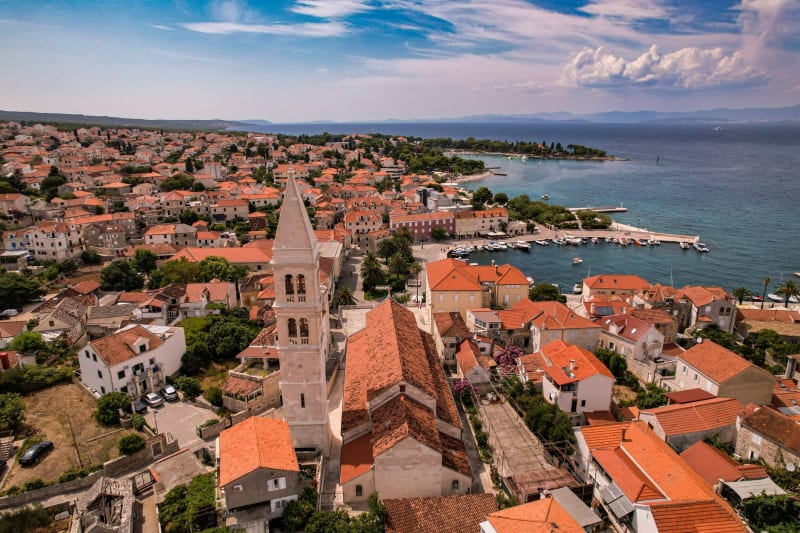 dalmatia
 Ston
A small salt-making town with Europe's longest surviving medieval walls and oysters grown in the channel below them — eaten raw with lemon and no further argument needed.
Explore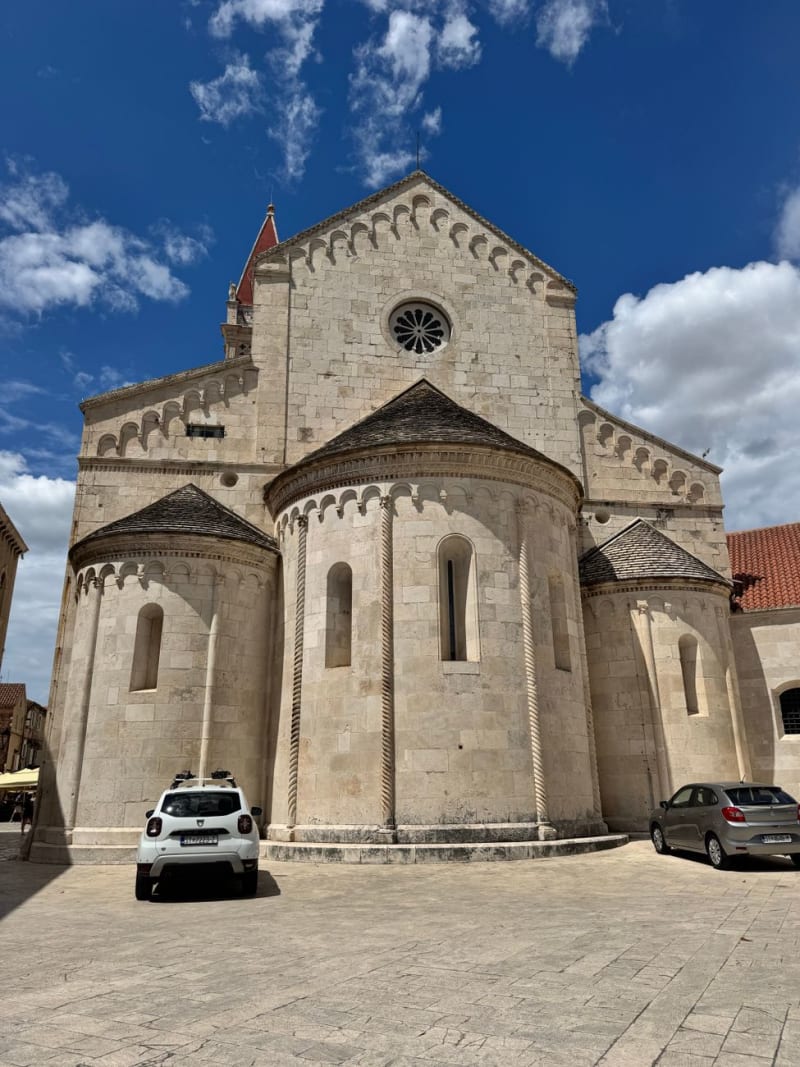 dalmatia
 Trogir
A tiny medieval town packed onto its own island between the mainland and Čiovo, all honey-coloured stone, Venetian lions, and a cathedral portal that stops you mid-step.
Explore