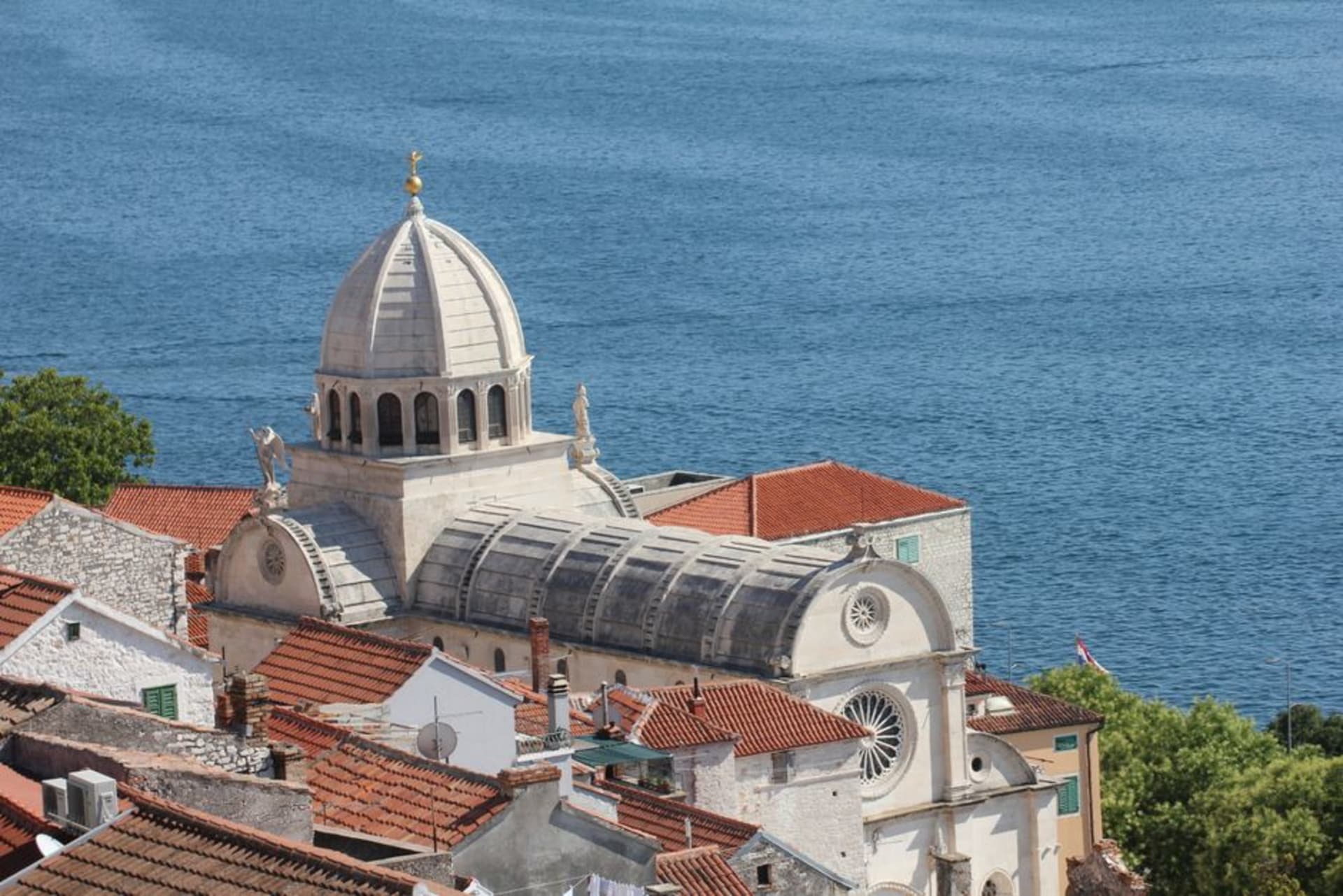
Sibenik
"I ran my hand along the cathedral's outer wall and realized every single face carved into the frieze below the dome was a real person from the town, and none of them matched."
A medieval stone city on a sheltered bay, built around a UNESCO cathedral raised entirely from carved stone without a drop of mortar or wood.

Šibenik doesn’t get the attention Split or Dubrovnik do, and honestly that’s part of why I liked it. We came in by car from Zadar, half-expecting a smaller, quieter version of the coastal towns we’d already seen, and instead found a city that felt like it belonged to actual Croatians rather than to cruise ship schedules. The old town spills down a hillside in tight stone lanes toward the bay, and unlike Dubrovnik’s flat, processional main street, Šibenik makes you climb and double back and get a little lost, which I didn’t mind at all.
The cathedral of St. James is the reason to detour here even if you’re pressed for time. It took over a century to build, started in Gothic style and finished in Renaissance, and the thing that actually stopped me in the square was learning the whole structure — walls, roof, dome — is built from interlocking stone slabs with no wood or mortar binding it, an engineering trick attributed to the architect Juraj Dalmatinac. Underneath the roofline runs a frieze of seventy-something carved faces, ordinary townspeople from the 1400s immortalized mid-grimace or mid-yawn, and I spent a genuinely long time just picking out the odd ones — there’s one that looks like he’s actively annoyed at being carved.

We climbed up to St. Michael’s Fortress above the old town in the early evening, right as the heat broke, and that view alone justified the trip — the whole bay, the red rooftops, boats coming in past the narrow channel that leads out to the open Adriatic. There’s a small open-air stage inside the fortress now used for concerts, and we sat on the stone steps with a couple of overpriced but honestly fine glasses of wine and watched the light go orange over the water. Lia pointed out that unlike most fortress views in Dalmatia, you can’t actually see the crowds from up there, because there mostly aren’t any.

Dinner was at a tiny place near the fish market where an older woman talked us into the catch of the day without ever telling us what it was, and it turned out to be a whole grilled bream that cost less than a mediocre appetizer would’ve in Dubrovnik. If you’ve seen Šibenik at all, it’s probably as a backdrop in Game of Thrones or Robin Hood, filmed partly in the fortress and the surrounding streets, but walking those same lanes felt less like a film set and more like a working town that happens to be extraordinary.
When to go: Shoulder season, April–May or September–October, when the cathedral square is calm enough to actually study the stonework and the fortress terrace isn’t booked out for events.
Keep exploring
More from Dalmatia
 dalmatia
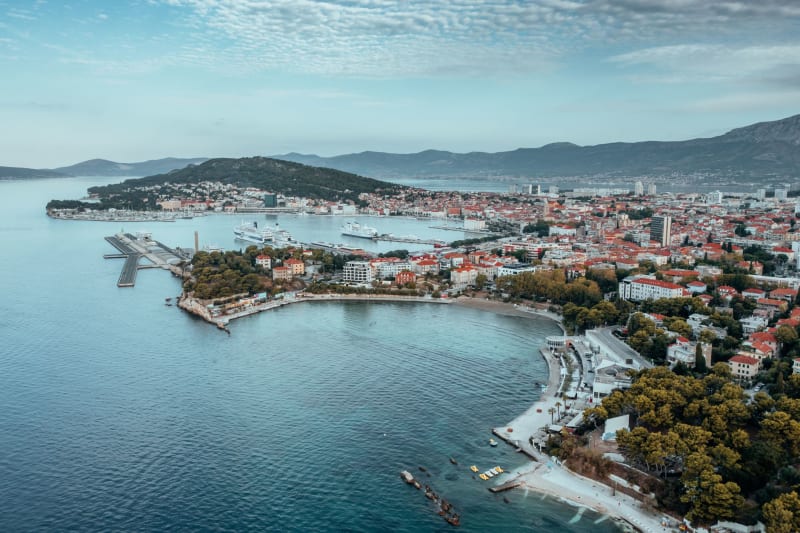
 Split
A Roman emperor's retirement palace colonized by an entire living city — cafés in the cellars, apartments in the colonnades, laundry strung between ancient columns.
Explore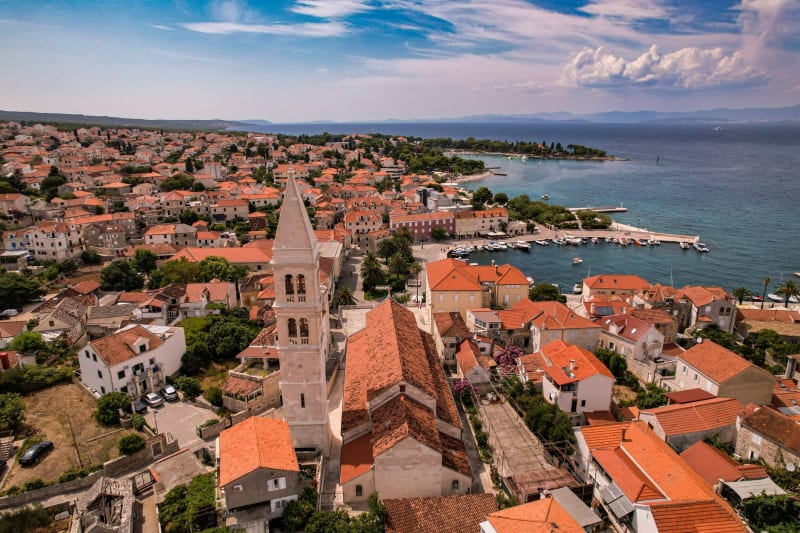 dalmatia
 Ston
A small salt-making town with Europe's longest surviving medieval walls and oysters grown in the channel below them — eaten raw with lemon and no further argument needed.
Explore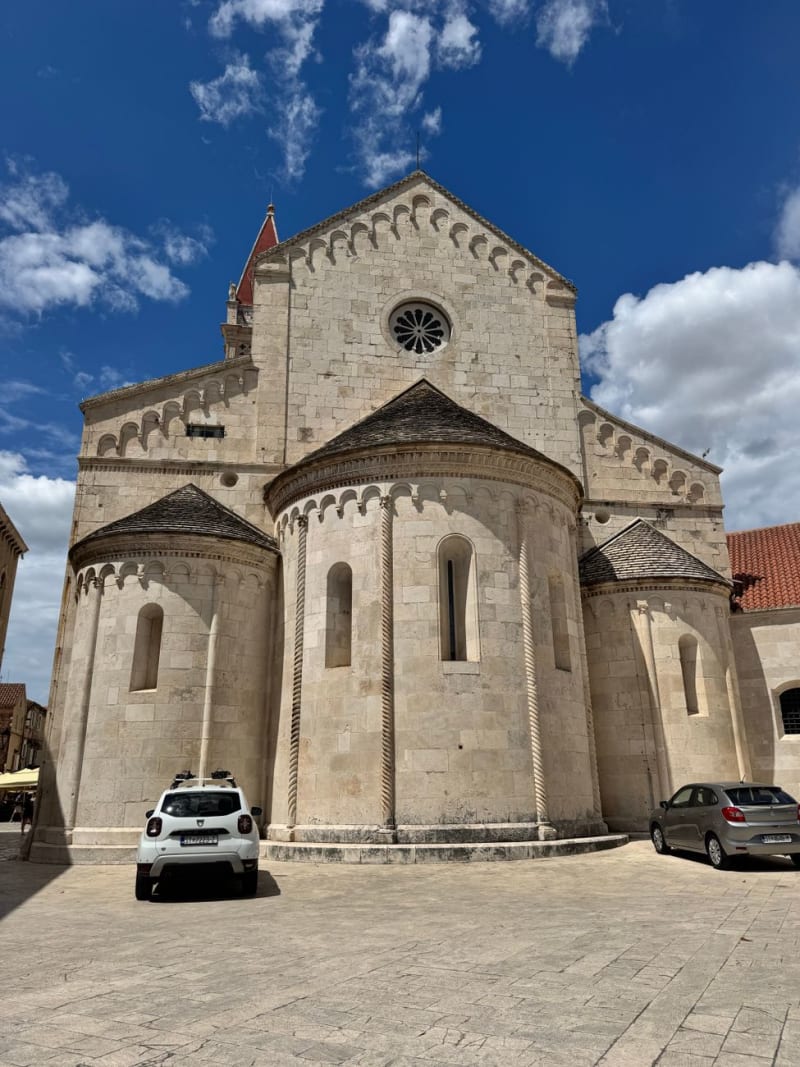 dalmatia
 Trogir
A tiny medieval town packed onto its own island between the mainland and Čiovo, all honey-coloured stone, Venetian lions, and a cathedral portal that stops you mid-step.
Explore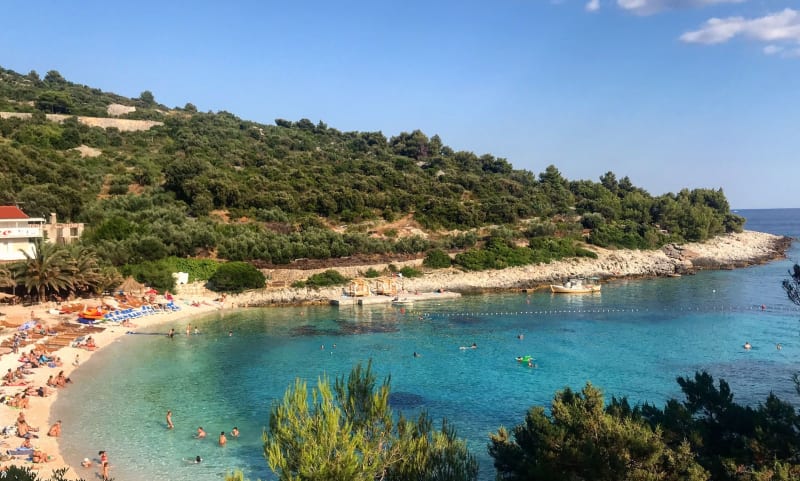 dalmatia
 Vis
The furthest inhabited island from the Dalmatian coast — a former Yugoslav naval base, still keeping its secrets, still serving the best food in the archipelago.
Explore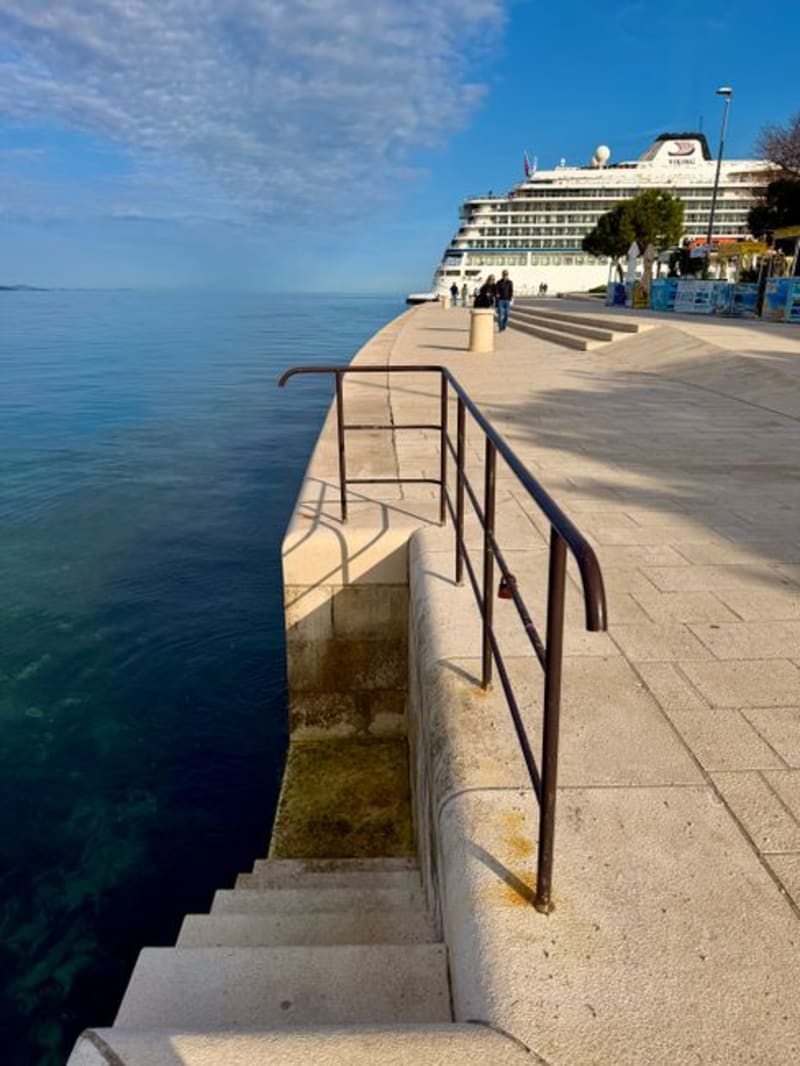 dalmatia
 Zadar
A peninsula city where Roman stones meet the sea's own music, and sunsets once impressed Hitchcock himself.
Explore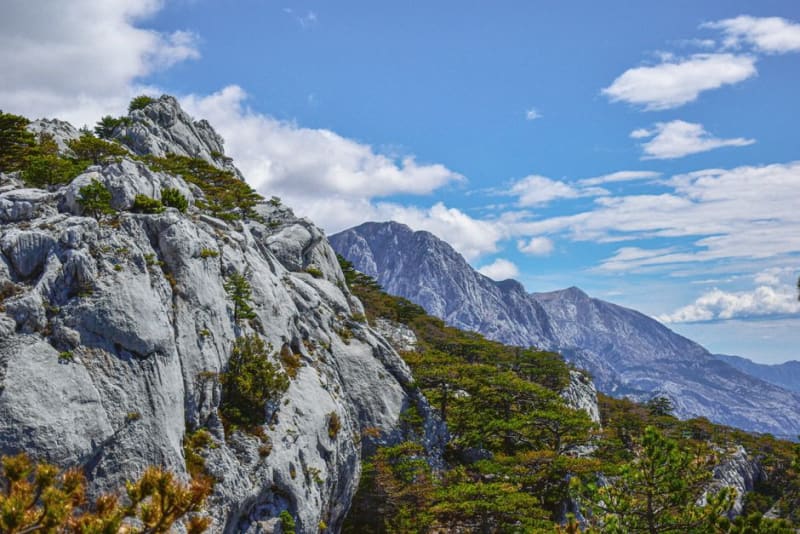 dalmatia
 Biokovo
A jagged coastal mountain range towering over Makarska, capped by a glass skywalk that hangs out over a thousand-meter drop to the Adriatic.
Explore