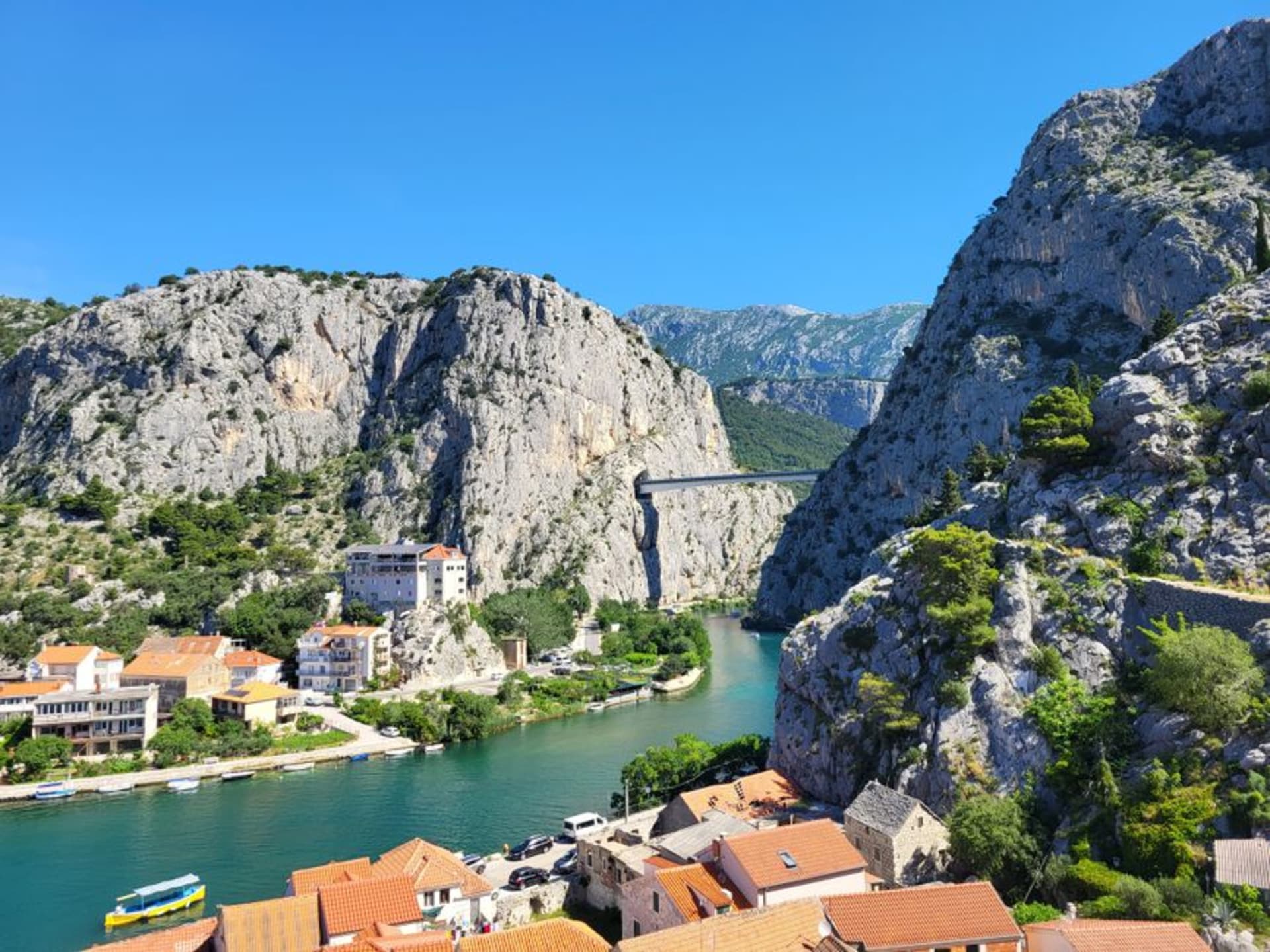
Omis
"Our raft guide pointed up at a crack in the cliff face and said that's where the pirates used to watch for Venetian ships, and I believed him completely."
A gorge-mouth town on the Cetina River, once a feared pirate stronghold, now a base for rafting between limestone cliffs and a quiet Adriatic beach.

We drove down to Omiš from Split almost as an afterthought, planning to just glance at it on the way to Makarska, and ended up staying the whole day. The town sits crammed into the mouth of the Cetina gorge, where the river cuts straight through the coastal mountains and dumps into the Adriatic, and you can see immediately why it made such a good pirate base back in the day — steep limestone walls on both sides, a narrow approach by sea, and two ruined fortresses, Fortica and Mirabela, glaring down from the cliffs. The Omiš pirates apparently harassed Venetian shipping for centuries before finally being subdued, which is a better historical footnote than most small towns get.
We booked a rafting trip up the Cetina with a local outfit, mostly because Lia wanted to and I figured I’d tolerate it, and it turned out to be one of the better afternoons of that whole Croatia trip. The gorge closes in tight in places, green water running clear over stones, cliffs rising maybe two hundred meters on either side, and our guide kept pointing out old shepherd paths and a couple of half-collapsed watermills from when the river powered local mills. It’s mellow rafting, more scenic float than adrenaline sport, with just enough small rapids to keep you paying attention.

Afterward we hiked up toward Fortica fortress above town, a steep, sweaty half hour on switchbacks with almost no shade, but the view from the top is worth every bit of the climb — the Cetina spilling out into the sea, the town’s red roofs packed into the gorge mouth, and Brač visible across the water on a clear day. We had the whole ruin mostly to ourselves except for two Croatian teenagers smoking cigarettes on the wall, which felt appropriately unglamorous for a former pirate lookout.

We cooled off after with a swim at the pebble beach right where the river meets the sea — there’s a genuinely strange sensation swimming there, warm river water on the surface and a colder current underneath from the Adriatic pushing in. Dinner was frog legs and eel from the river, a local specialty I wasn’t expecting and wouldn’t have ordered if the waiter hadn’t talked us into it, washed down with a bottle of Plavac Mali that cost less than the rafting trip’s helmet rental.
When to go: May through early July, or September, for warm rafting water without peak-August heat and crowded gorge trips.
Keep exploring
More from Dalmatia
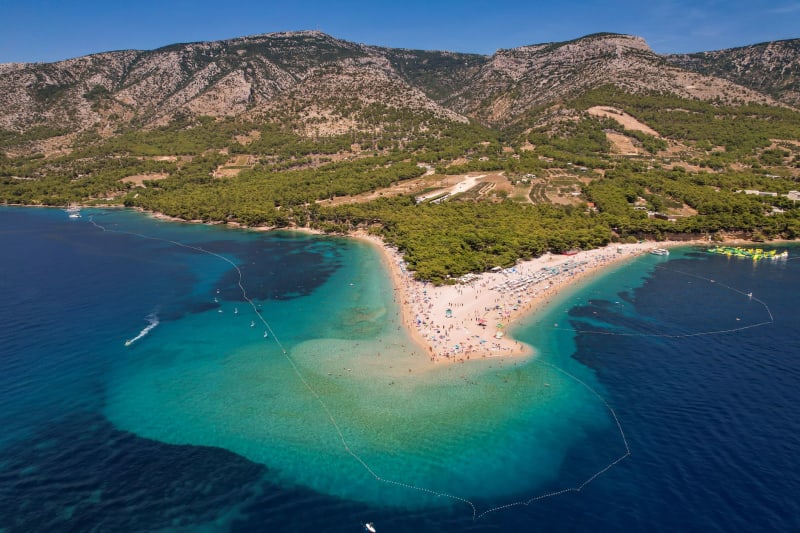 dalmatia
Pelješac Peninsula
A seventy-kilometer arm of limestone and vineyard reaching into the Adriatic, growing Croatia's most serious red wines on slopes so steep they are worked almost entirely by hand.
Explore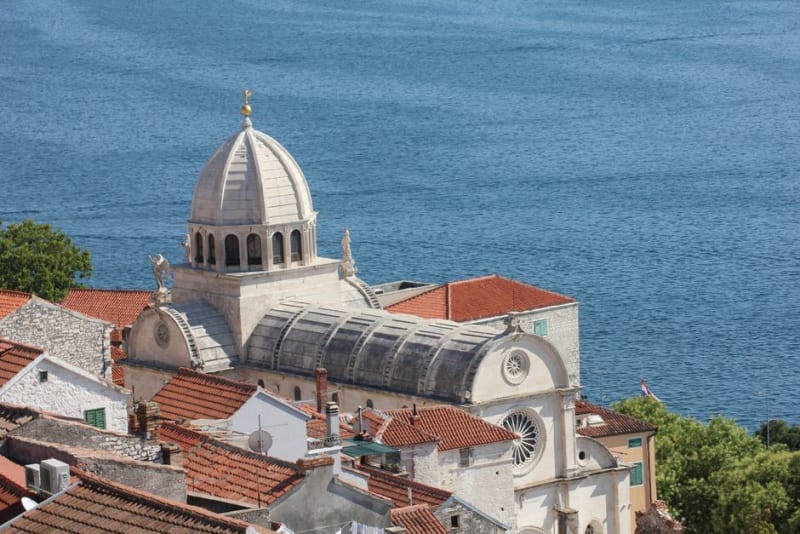 dalmatia
Sibenik
A medieval stone city on a sheltered bay, built around a UNESCO cathedral raised entirely from carved stone without a drop of mortar or wood.
Explore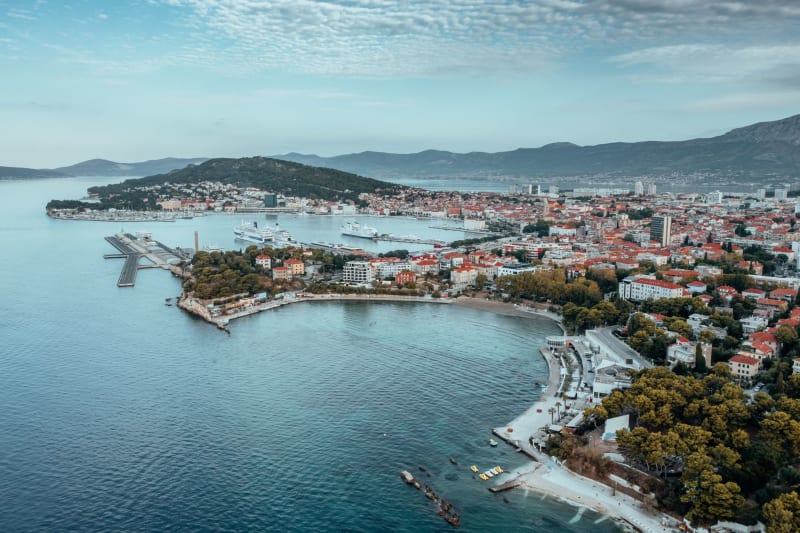 dalmatia
Split
A Roman emperor's retirement palace colonized by an entire living city — cafés in the cellars, apartments in the colonnades, laundry strung between ancient columns.
Explore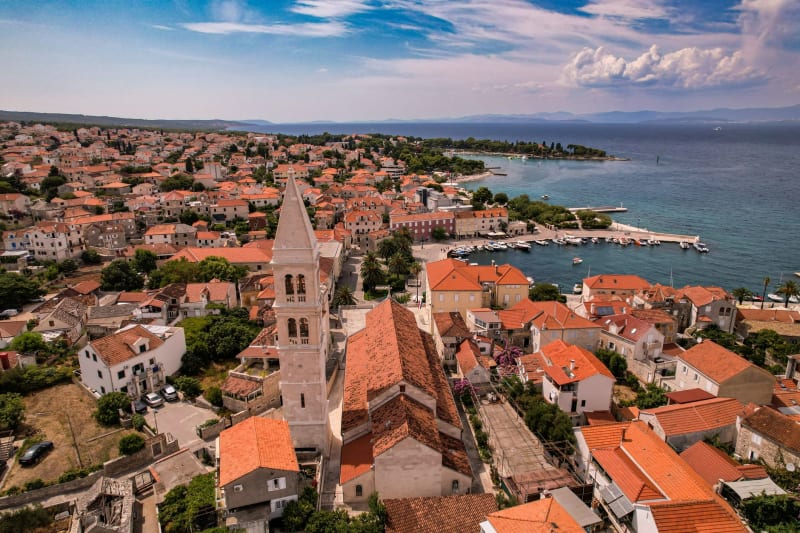 dalmatia
Ston
A small salt-making town with Europe's longest surviving medieval walls and oysters grown in the channel below them — eaten raw with lemon and no further argument needed.
Explore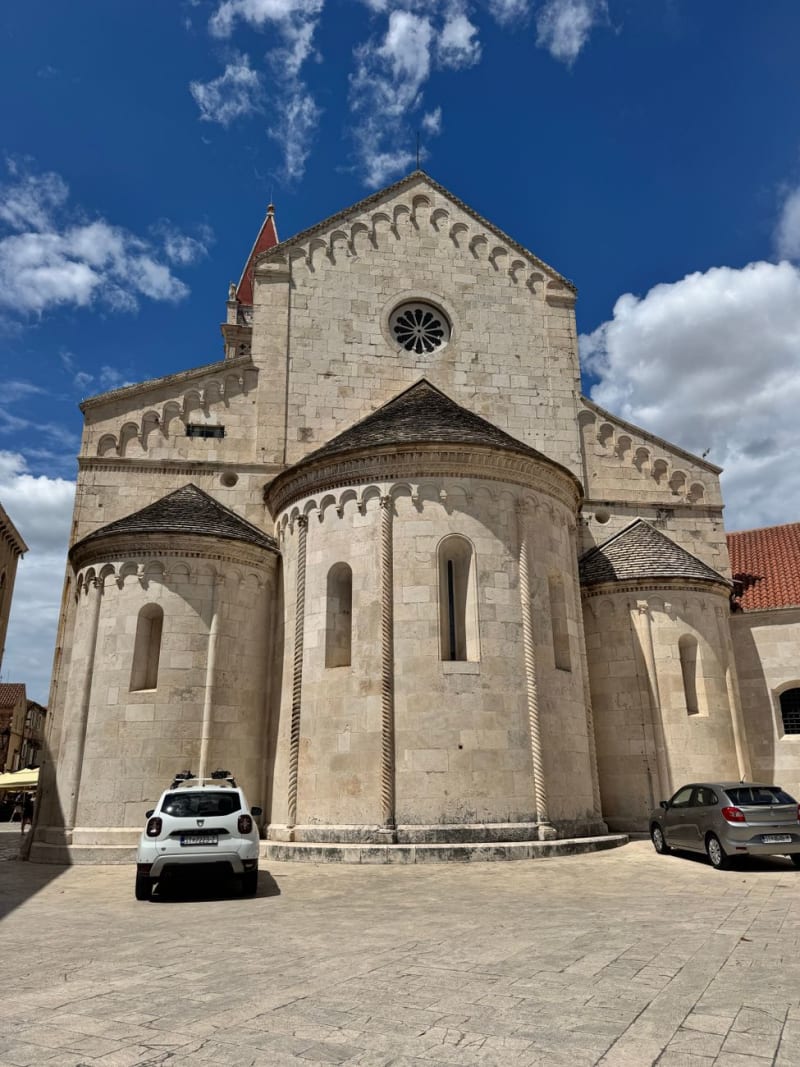 dalmatia
Trogir
A tiny medieval town packed onto its own island between the mainland and Čiovo, all honey-coloured stone, Venetian lions, and a cathedral portal that stops you mid-step.
Explore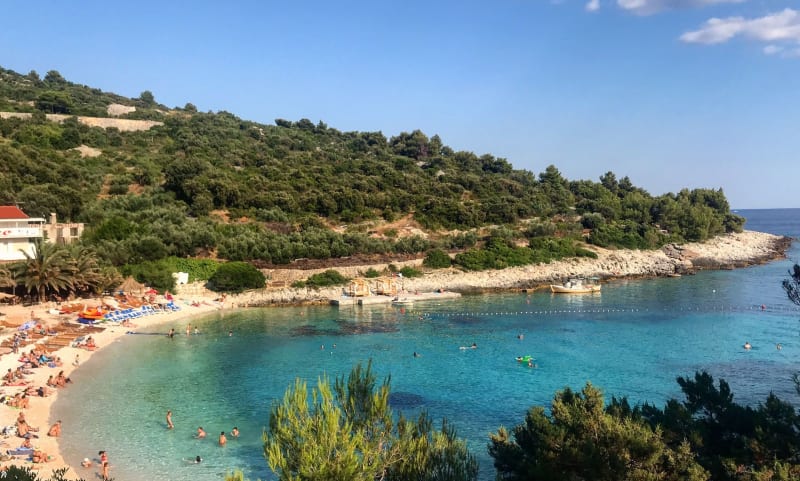 dalmatia
Vis
The furthest inhabited island from the Dalmatian coast — a former Yugoslav naval base, still keeping its secrets, still serving the best food in the archipelago.
Explore