Americas
Chiapas
"I drove into Chiapas and felt Mexico shift into a completely different gear."
Mexico's most misunderstood state — where turquoise waterfalls pour through jungle, Maya communities have kept their own calendar, and colonial San Cristóbal hides a radical soul.

The first thing you notice entering Chiapas from Oaxaca is the humidity — thick, green, alive in a way that the high desert behind you absolutely is not. Then the road drops into valleys that look like someone turned the saturation dial past anything reasonable, and you start to understand why this state operates on its own terms. Chiapas was historically part of Central America before being absorbed into Mexico in 1824, and that history is not a footnote. It is in the land, the languages, the politics, and the food.
San Cristóbal de las Casas is where most people anchor themselves, and it earns that loyalty. At 2,200 meters, it sits cool in a basin ringed by pine-forested hills. The streets are colonial and photographically satisfying, but what keeps me here is the texture underneath: the Tzotzil and Tzeltal women selling textiles in the market on Real de Guadalupe, the Zapatista cooperatives that sell coffee and run their own autonomous municipalities a few hours out of town, the sense that indigenous sovereignty is not a museum concept here but an ongoing, complicated, living negotiation. Drink coffee from a cooperative in Café Revolución on Avenida 20 de Noviembre and sit with that for a moment.
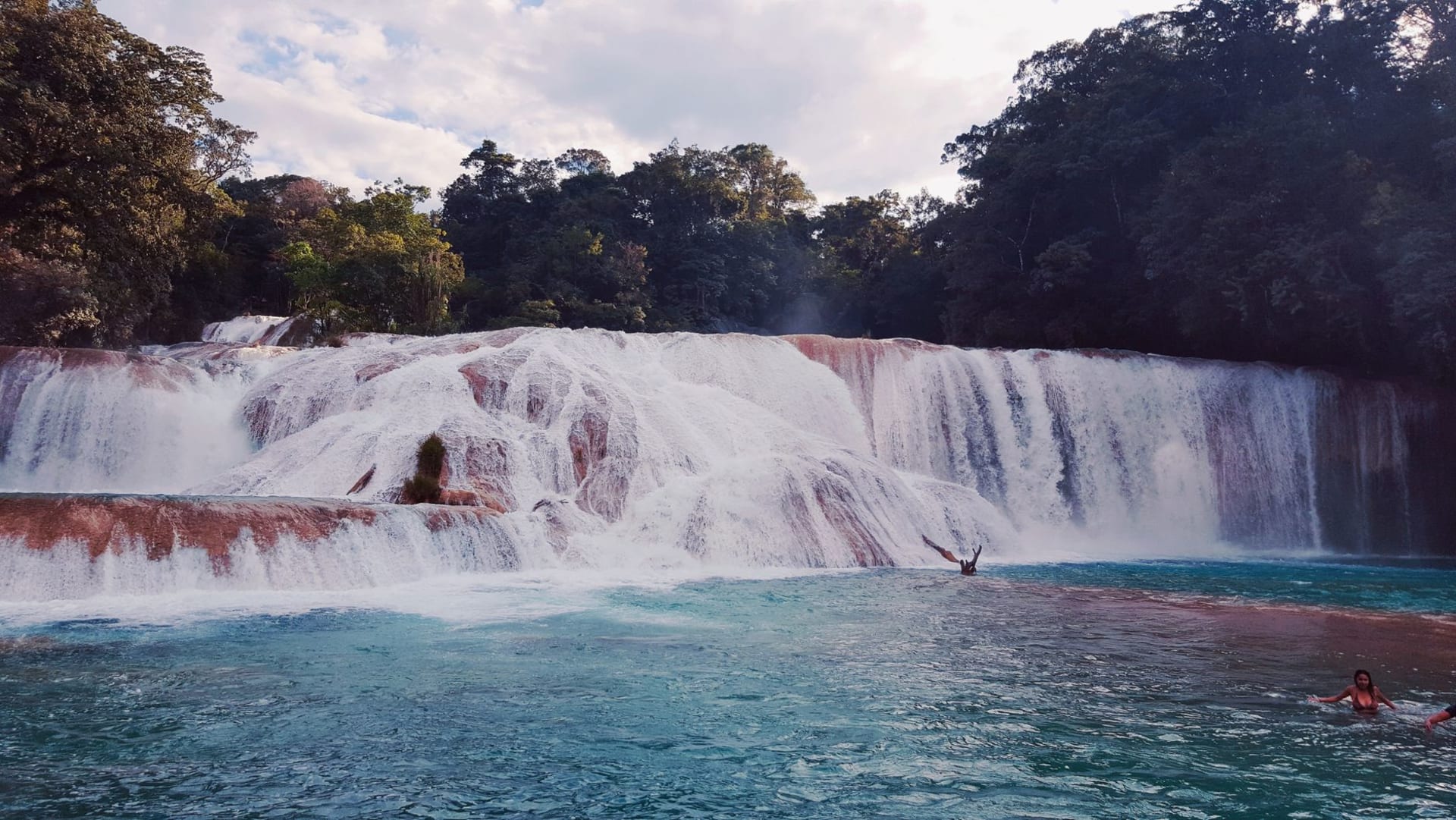
From San Cristóbal the day trips write themselves. Agua Azul, where the waterfalls cascade through a series of turquoise pools so improbably colored they look retouched, is an hour and a half down into the jungle lowlands. Palenque — the Maya ruin that edges into the jungle with a grace that Chichén Itzá, with its tour buses and souvenir corridors, has long since lost — takes a full day and deserves it. The temples emerge from living forest, howler monkeys bark from the canopy above the Palace, and the sarcophagus of Pakal the Great sits in a museum onsite that is, inexplicably, nearly always uncrowded. Go on a weekday before nine in the morning and you will have Temple of the Inscriptions essentially to yourself.
When to go: November through February. The rains have stopped, the jungle is at its greenest without being waterlogged, and San Cristóbal’s altitude keeps daytime temperatures in the mid-twenties — cool enough to walk without melting. Avoid Semana Santa if you dislike crowds; San Cristóbal fills up fast.
What most guides get wrong: They treat Chiapas as a nature-and-ruins checklist — Agua Azul, Palenque, Sumidero Canyon, done. The actual reason to come is to spend a week in San Cristóbal moving slowly enough to feel its particular political and cultural tension: a colonial city inside a state where the majority indigenous population has been fighting for autonomy for centuries and, in some municipalities, actually achieved something close to it. That context makes the waterfalls mean something different.
Explore
Places in Chiapas
 chiapas
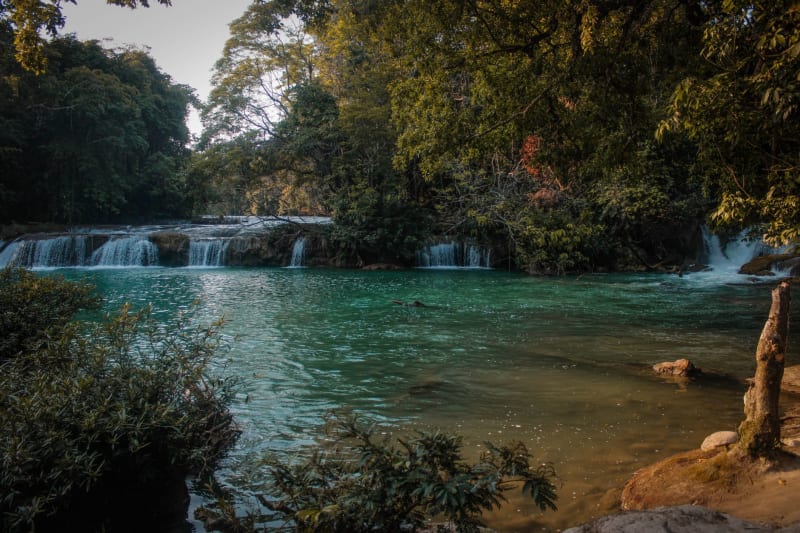
 Agua Azul
Cascading turquoise pools in the Chiapas jungle that look digitally enhanced until you are standing waist-deep inside them.
Explore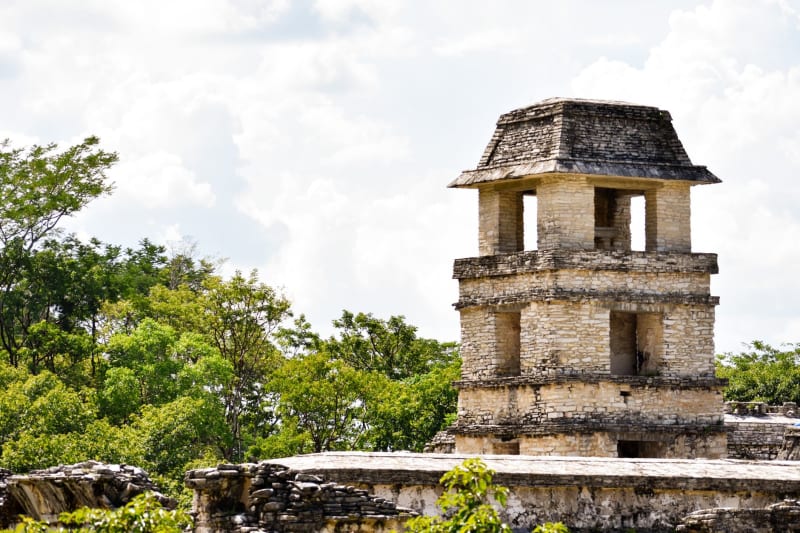 chiapas
 Bonampak
A remote Maya site in the Lacandón jungle whose painted murals are the most vivid surviving record of Classic Maya warfare and ceremony.
Explore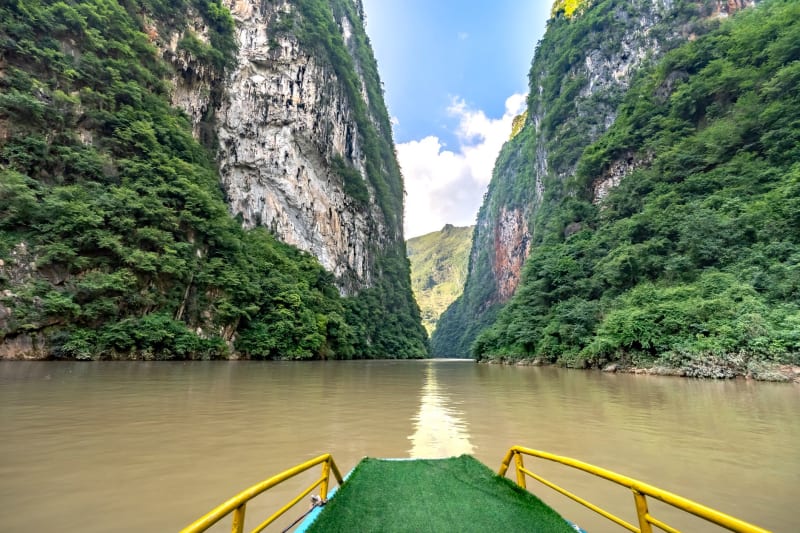 chiapas
 Cañón del Sumidero
A slot canyon where the Grijalva River cuts 1,000-meter walls of vertical rock — best understood from a small boat at the bottom.
Explore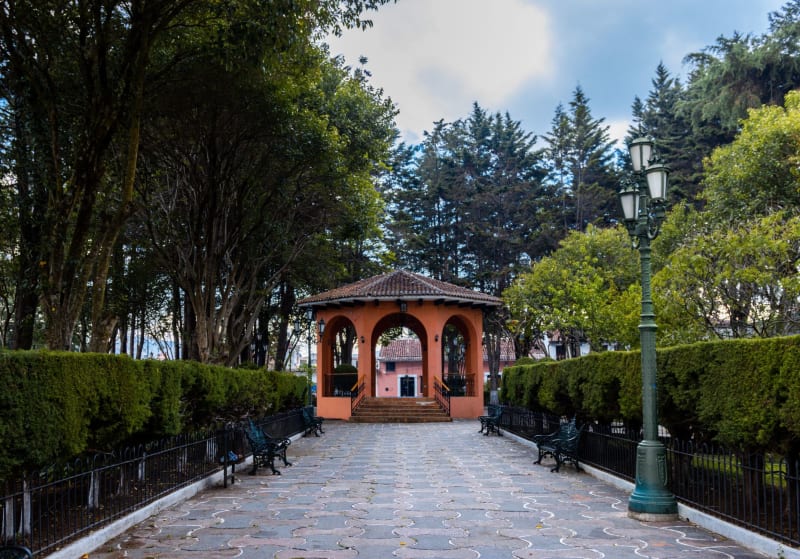 chiapas
 Comitán de Domínguez
A slow colonial highland city near the Guatemalan border that Chiapas travelers consistently overlook and consistently should not.
Explore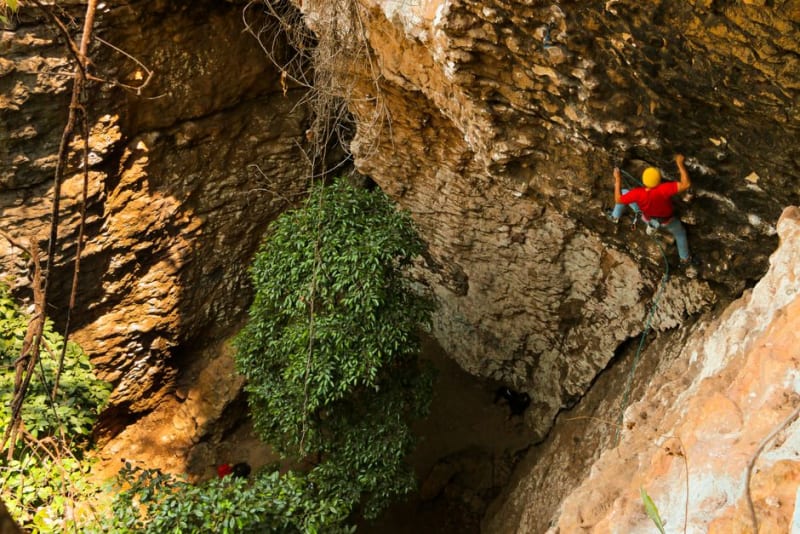 chiapas
 El Arcotete
A limestone cave and natural stone arch tucked into pine forest just outside San Cristobal de las Casas.
Explore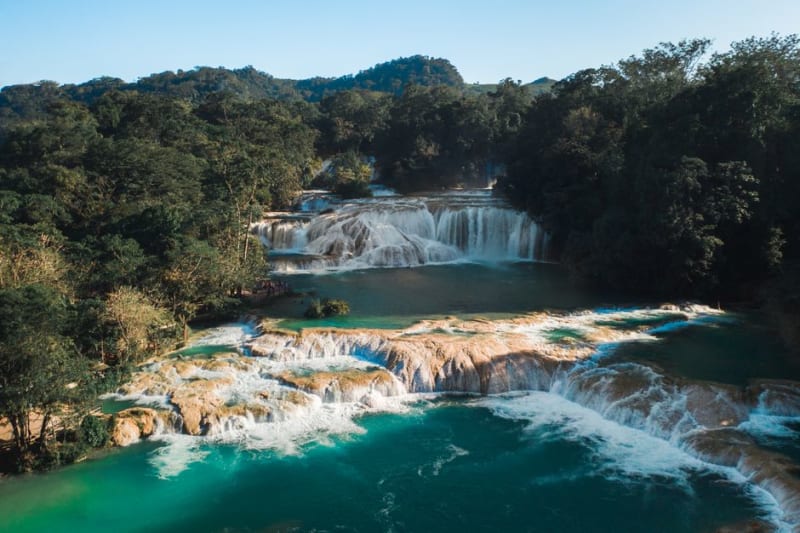 chiapas
 El Chiflon
A staircase of turquoise cascades in the Chiapas hills, ending at the thundering 120-foot curtain of Velo de Novia.
Explore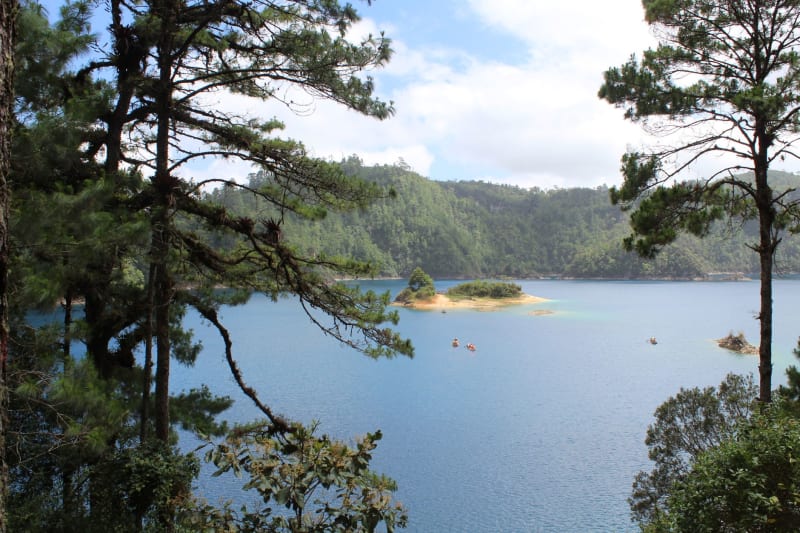 chiapas
 Lagos de Montebello
Sixty-odd lakes in a pine forest on the Guatemalan border, each a different impossible color depending on its mineral chemistry.
Explore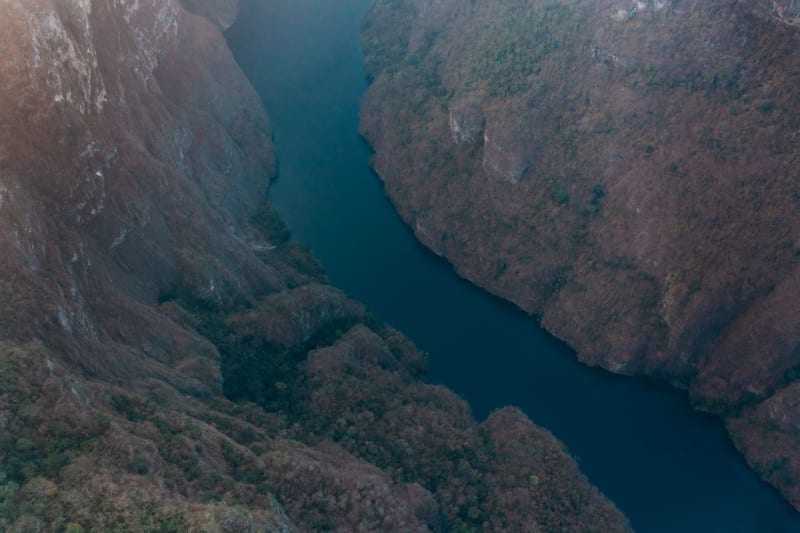 chiapas
 Misol-Ha
A single 35-meter waterfall plunging into a jungle pool you can walk behind — quiet, green, and genuinely uncrowded.
Explore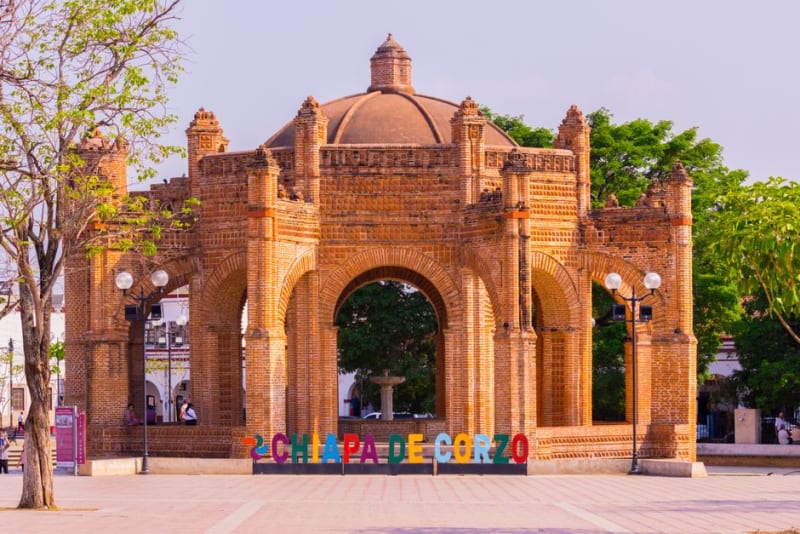 chiapas
 Ocosingo
A working market town near the Tonina ruins, still carrying the memory of the 1994 Zapatista uprising in its quiet town square.
Explore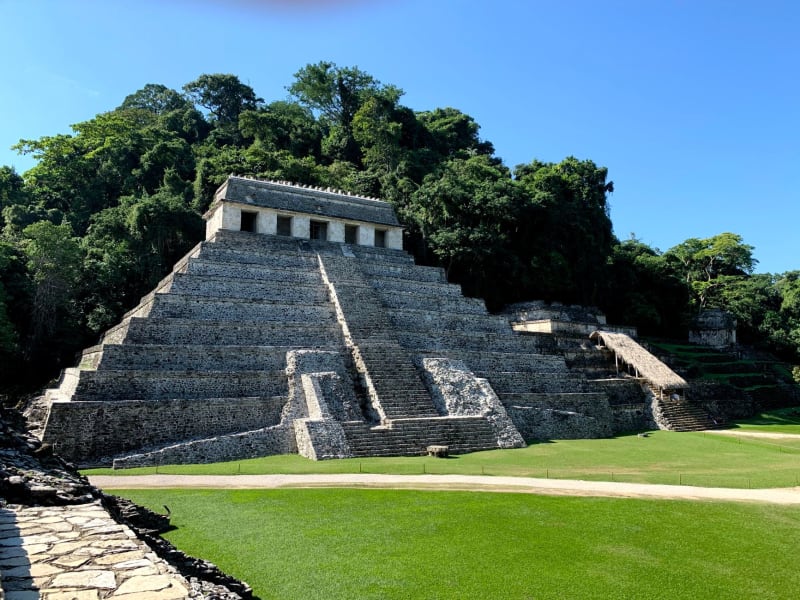 chiapas
 Palenque
Maya ruins dissolving into living jungle, where howler monkeys bark from the canopy above temples that still feel genuinely discovered.
Explore chiapas
 San Cristóbal de las Casas
A cool highland colonial city where Zapatista coffee and Tzotzil textiles exist in deliberate, unresolved tension.
Explore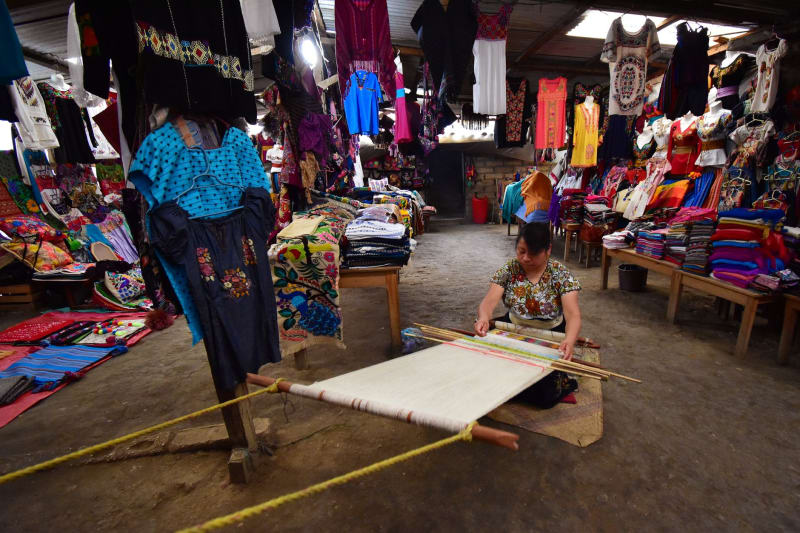 chiapas
 San Juan Chamula
A Tzotzil autonomous municipality where a white church full of pine needles and Coca-Cola runs on a calendar entirely its own.
Explore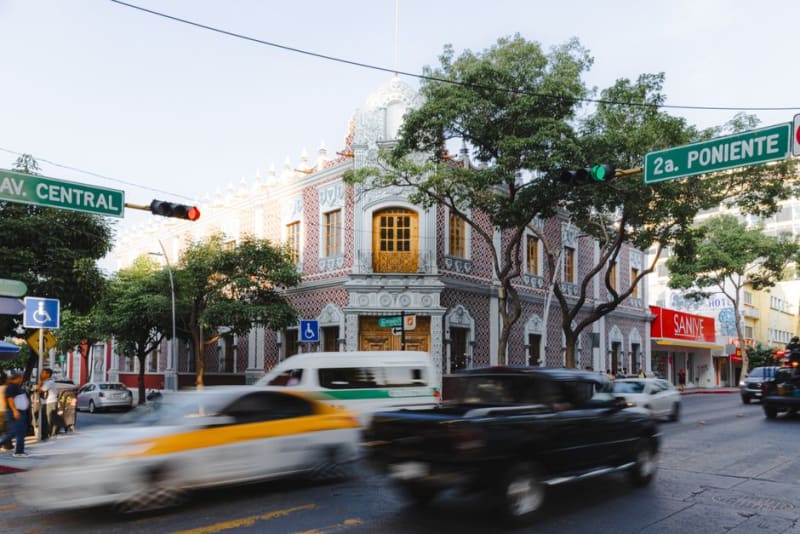 chiapas
 Tapachula
A humid border city near Guatemala where coffee and cacao plantations climb the volcano slopes just outside town.
Explore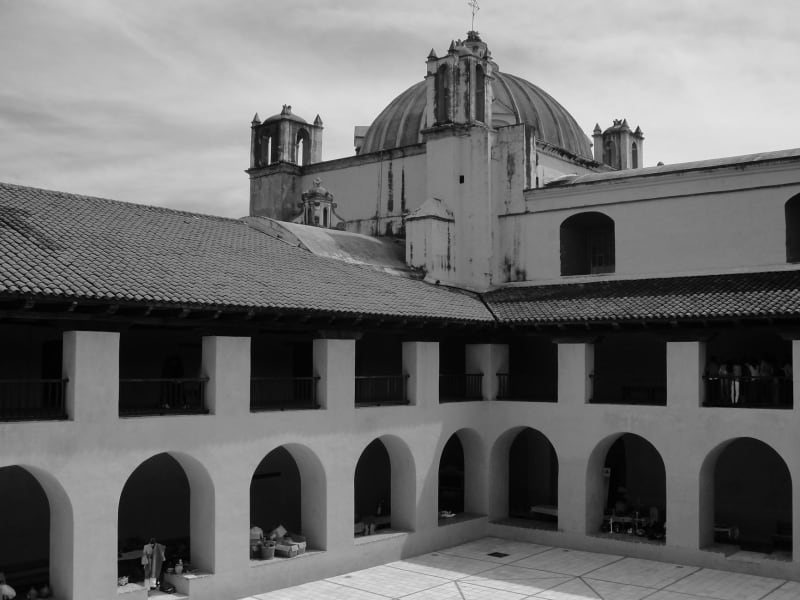 chiapas
 Toniná
A Maya fortress-pyramid rising seven terraced platforms above a valley near Ocosingo, less visited than Palenque and more architecturally brutal.
Explore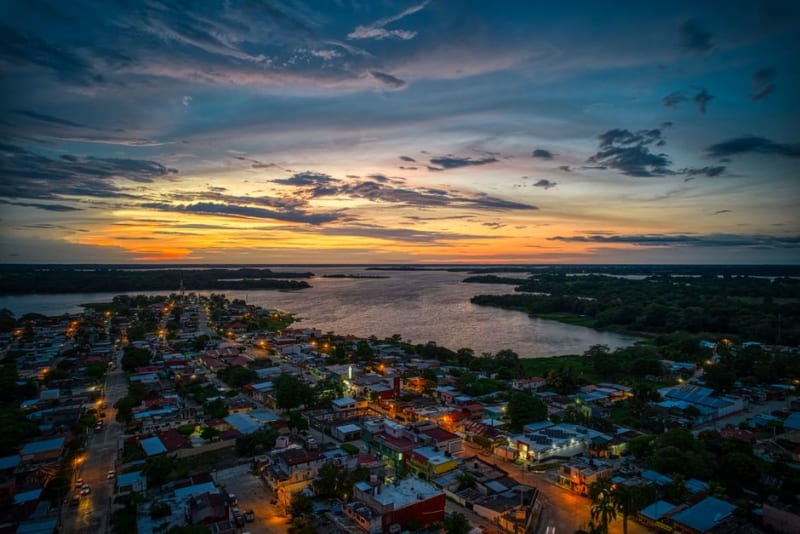 chiapas
 Tuxtla Gutierrez
Chiapas's modern, unpretty capital, worth a stop mainly as the launch point for boat trips into the Sumidero Canyon.
Explore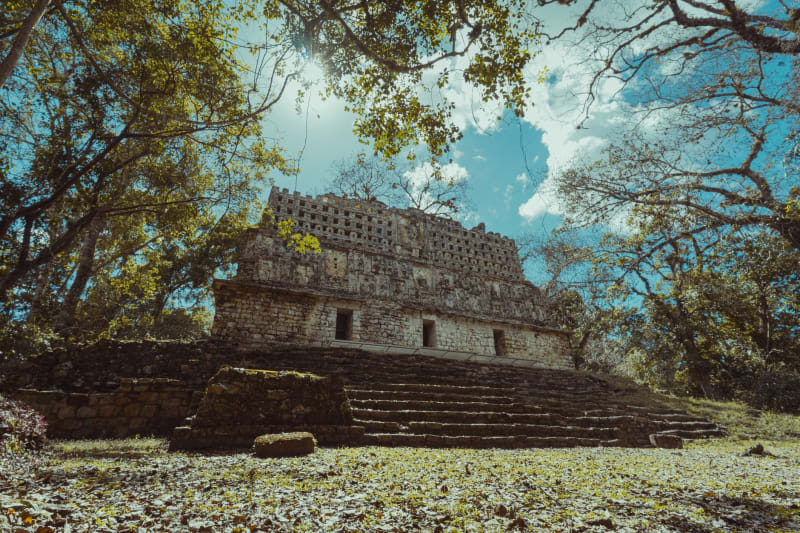 chiapas
 Yaxchilán
A Maya city you reach only by boat down the Usumacinta, swallowed by jungle and howler monkeys, its carved lintels still standing in the green half-light.
Explore