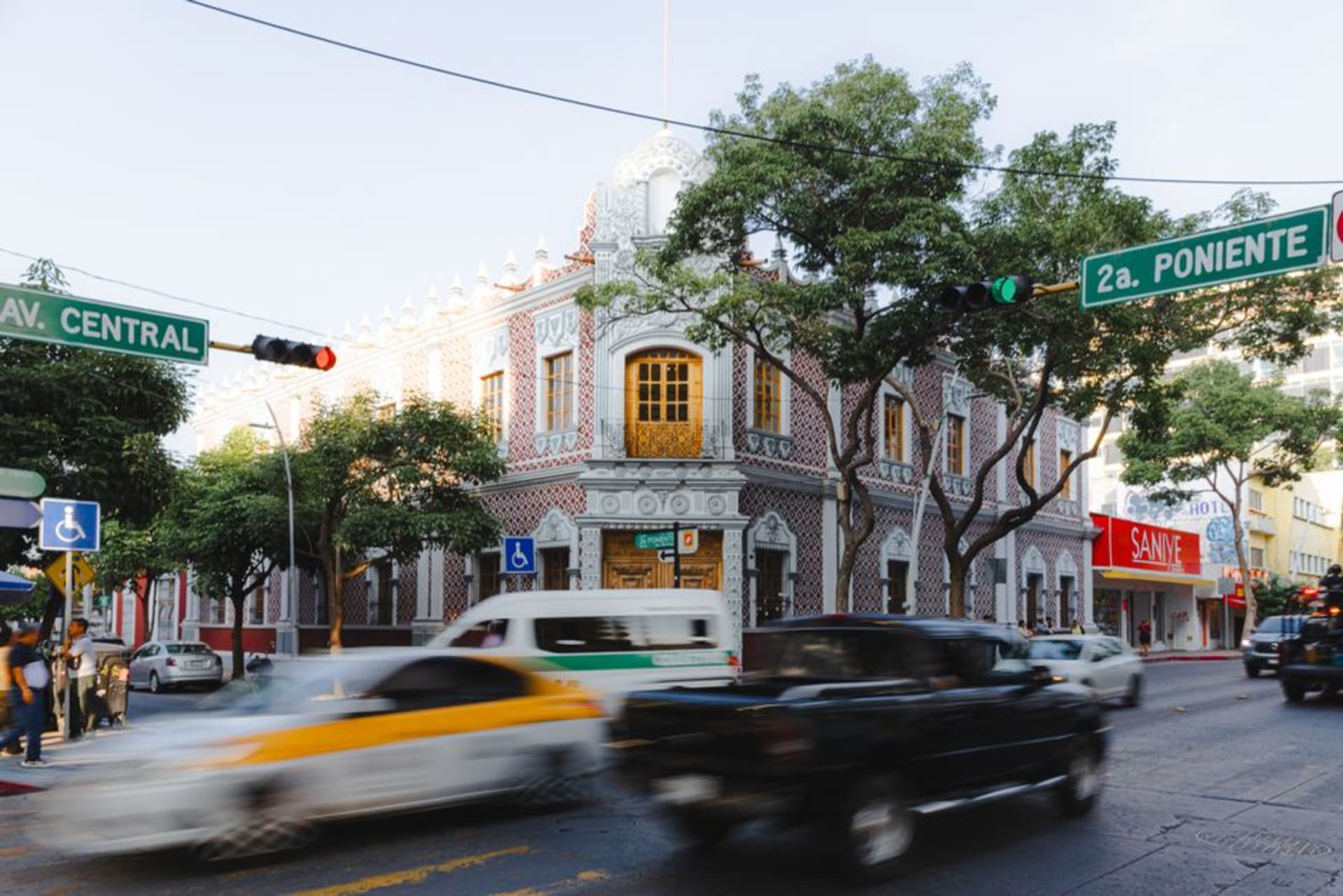
Tapachula
"We drank coffee that had been picked that same morning on a farm we could still see from the porch."
A humid border city near Guatemala where coffee and cacao plantations climb the volcano slopes just outside town.

Tapachula surprised me, honestly, because I went in with fairly low expectations — border cities have a reputation, and this one, sitting close to the Guatemalan crossing at Ciudad Hidalgo, is very much a working city rather than a pretty one. It’s hot in that thick, soupy way — Tapachula sits low and close to the coast — and the streets around the center are loud with moto-taxis and vendors and the general churn of a transit hub. But once you get outside the city itself, up into the volcanic foothills, it turns into something completely different.
We stayed a night at a family-run finca on the slopes of Volcan Tacana, one of the coffee estates that have made this region genuinely important to Mexican coffee production. The owner walked us through rows of Bourbon and Typica plants, cacao pods hanging low and waxy a little further down the hillside, and explained how the volcanic soil and the altitude — some farms sit above 1,000 meters — give Soconusco coffee its reputation. We drank a cup on the porch that had been roasted, essentially, days earlier, and it tasted nothing like anything I’d had at home.

Back in the city, the market near the center is worth an hour if you like that kind of chaos — I do. Central American migrants pass through Tapachula in large numbers given its position on the route north, and that reality is visible in the city in a way I found sobering rather than uncomfortable; it’s just part of daily life here, acknowledged without much fuss by locals we spoke to.

We ended the visit with tapado, a coastal Chiapas seafood stew heavy with coconut and plantain, at a plastic-chair place two blocks from the plaza, and it remains one of the best bowls of food I’ve had in the state.
When to go: The dry season (November to April) keeps the coastal humidity a bit more bearable; harvest season on the coffee farms runs roughly December through February if you want to see the picking in progress.
Keep exploring
More from Chiapas
 chiapas
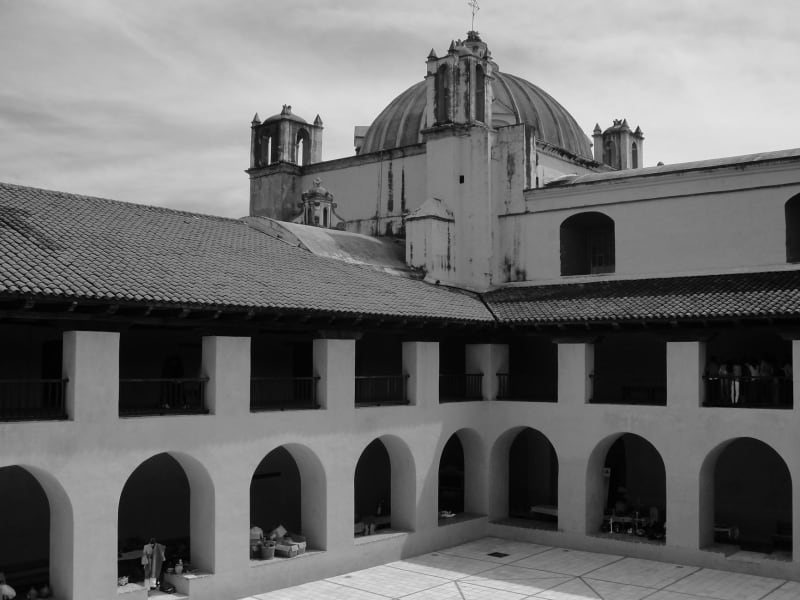
 Toniná
A Maya fortress-pyramid rising seven terraced platforms above a valley near Ocosingo, less visited than Palenque and more architecturally brutal.
Explore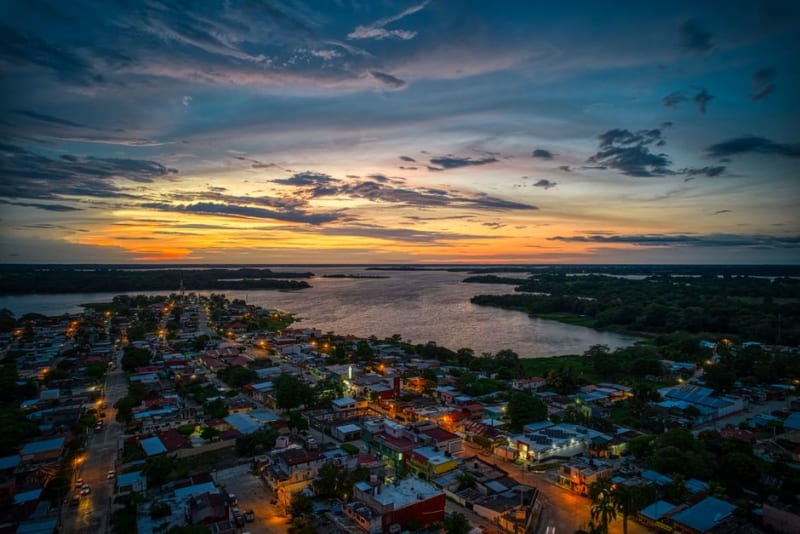 chiapas
 Tuxtla Gutierrez
Chiapas's modern, unpretty capital, worth a stop mainly as the launch point for boat trips into the Sumidero Canyon.
Explore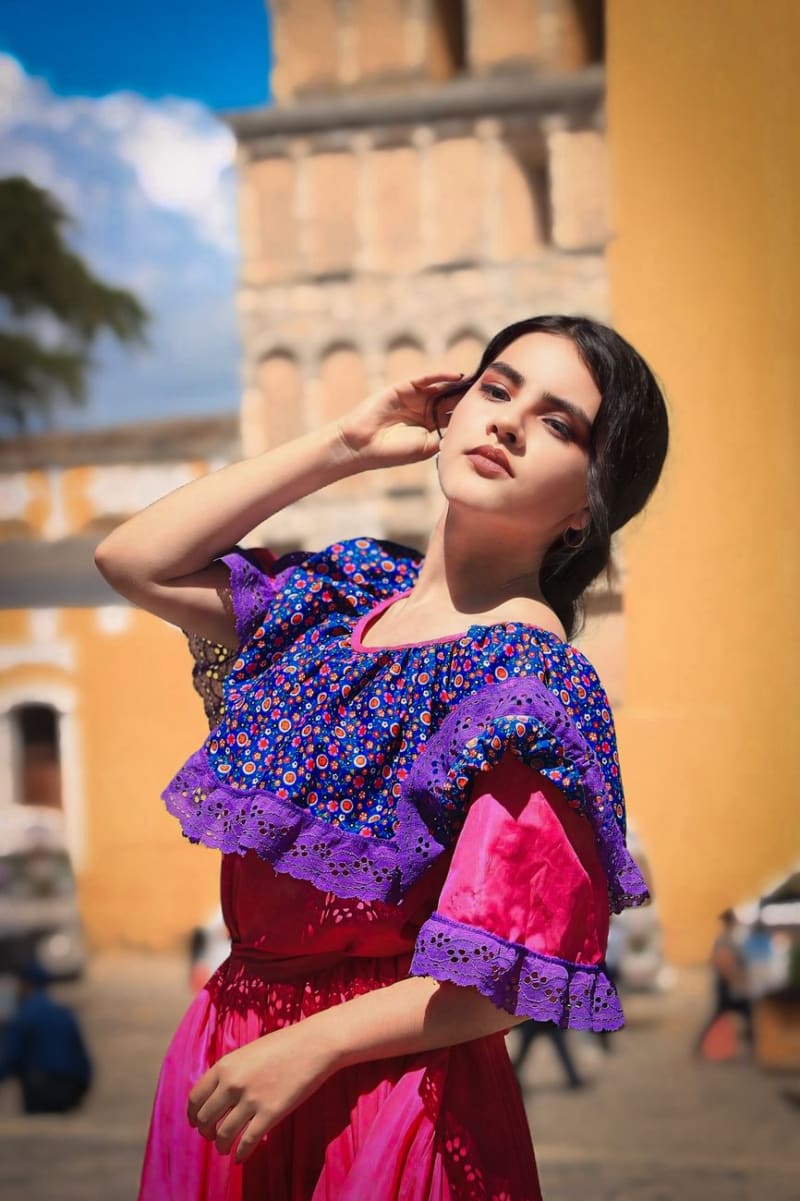 chiapas
 Yaxchilán
A Maya city you reach only by boat down the Usumacinta, swallowed by jungle and howler monkeys, its carved lintels still standing in the green half-light.
Explore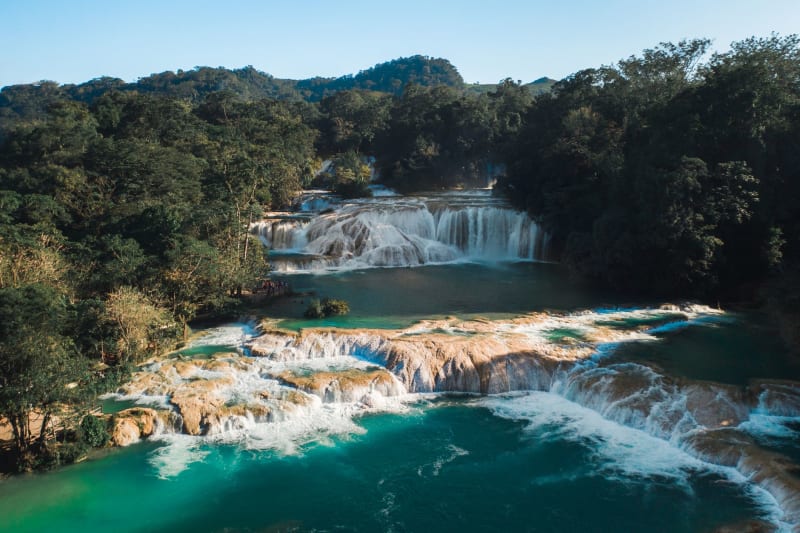 chiapas
 Zinacantán
A Tzotzil flower-growing village above San Cristóbal where the fields are pink and the handwoven huipiles carry centuries of cosmological meaning.
Explore chiapas
 Agua Azul
Cascading turquoise pools in the Chiapas jungle that look digitally enhanced until you are standing waist-deep inside them.
Explore chiapas
 Bonampak
A remote Maya site in the Lacandón jungle whose painted murals are the most vivid surviving record of Classic Maya warfare and ceremony.
Explore