Misol-Ha
"Standing behind a waterfall feels like being inside a secret the forest is actively keeping."
A single 35-meter waterfall plunging into a jungle pool you can walk behind — quiet, green, and genuinely uncrowded.

Most people stop at Misol-Ha for forty-five minutes on their way between Palenque and San Cristóbal, and I understand why — it is conveniently located, well-signed, and easy to underestimate from the entrance. I made that mistake the first time. The second time I went, I stayed three hours, and the difference was simply this: I walked behind the waterfall.
Misol-Ha is a single cascade — thirty-five meters of water dropping from a basalt lip into a wide pool at the base, surrounded on all sides by tropical jungle. The pool is large enough to swim in, which I did, and the water is cold in the way that mountain-fed jungle water always is — colder than the air, colder than you expect, turning the swimming into something more bracing than recreational. But the real discovery is the path cut into the cliff face behind the falls. It is barely a meter wide and runs along the rock behind the curtain of falling water, the wall of the cliff on one side and the cascade on the other, and inside that passage the sound of the water fills your entire head and the light that comes through the falling water is green and diffuse and somehow warm despite everything.

Behind the main falls there is a shallow cave where the rock is wet and the ferns grow in improbable density, and a smaller secondary waterfall drops from an opening in the ceiling twenty meters up. The floor of the cave is coated in the fine mist that the falls produce continuously, and standing there in the semi-darkness with the roar of the main cascade just outside is the closest I have come in Mexico to feeling genuinely inside something — not observing a landscape but occupying it. My phone was useless from the moisture. This seemed right.
The ejido community manages the site sensibly: an entrance fee, basic restaurant at the top, cabanas for overnight stays, a swimming platform near the pool. The restaurant serves solid comida corrida — a set lunch of soup, rice, a main plate of chicken or beans, and fresh tortillas that appear as needed. On a Tuesday in December I was the only person eating there. The cook brought out an extra plate of queso fresco she had apparently made that morning and seemed satisfied when I finished it.

Misol-Ha is twenty kilometers from Palenque on the main road south, and the surrounding jungle is the same dense lowland forest that surrounds the ruins — howler monkeys in the canopy, toucans moving in the upper branches with that slightly prehistoric wing-beat. In the early morning before the day-tour groups arrive the site is very quiet. The falls have been running for longer than anything built nearby, and they make that clear.
When to go: November through April for the clearest conditions and most accessible swimming. In the rainy season the falls are more dramatic and the pool is fuller, but the path behind the waterfall becomes slippery and is occasionally closed. Early morning is always the right time regardless of season.
Keep exploring
More from Chiapas
 chiapas
 Ocosingo
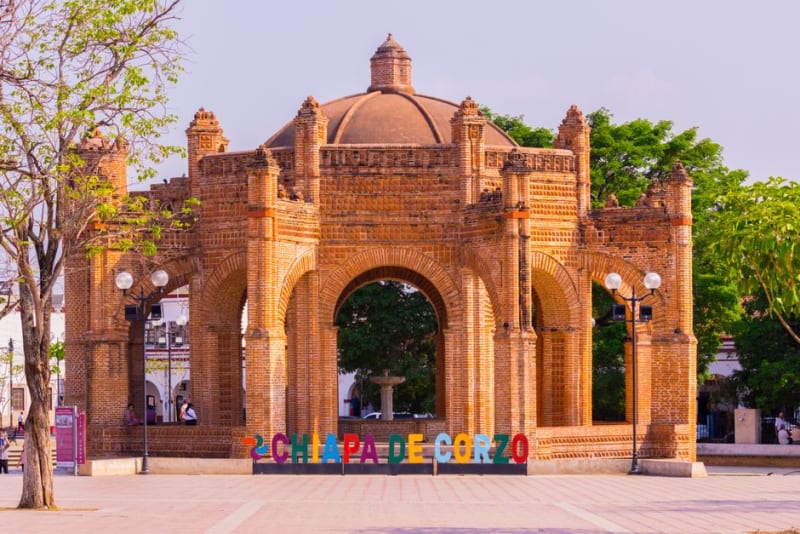
A working market town near the Tonina ruins, still carrying the memory of the 1994 Zapatista uprising in its quiet town square.
Explore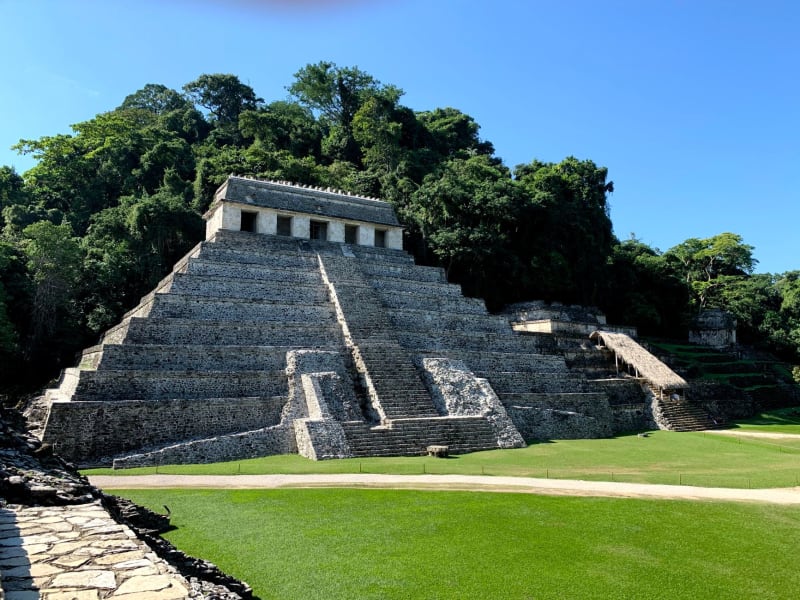 chiapas
 Palenque
Maya ruins dissolving into living jungle, where howler monkeys bark from the canopy above temples that still feel genuinely discovered.
Explore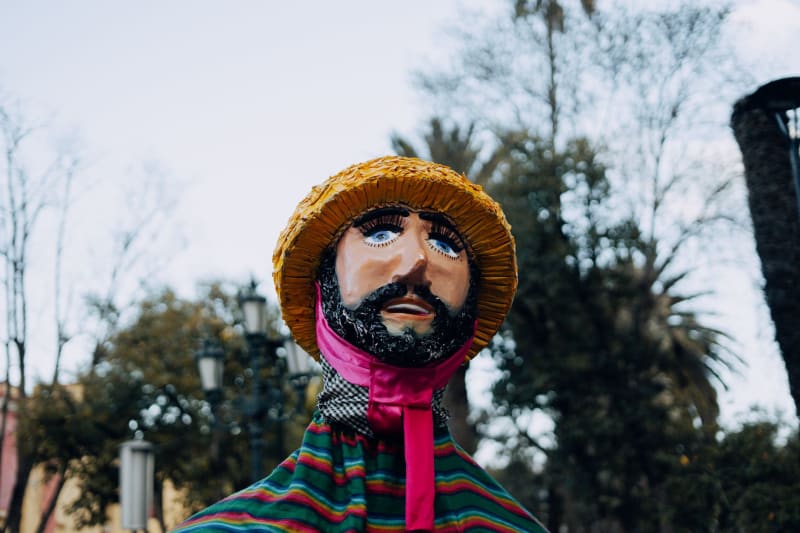 chiapas
 San Cristóbal de las Casas
A cool highland colonial city where Zapatista coffee and Tzotzil textiles exist in deliberate, unresolved tension.
Explore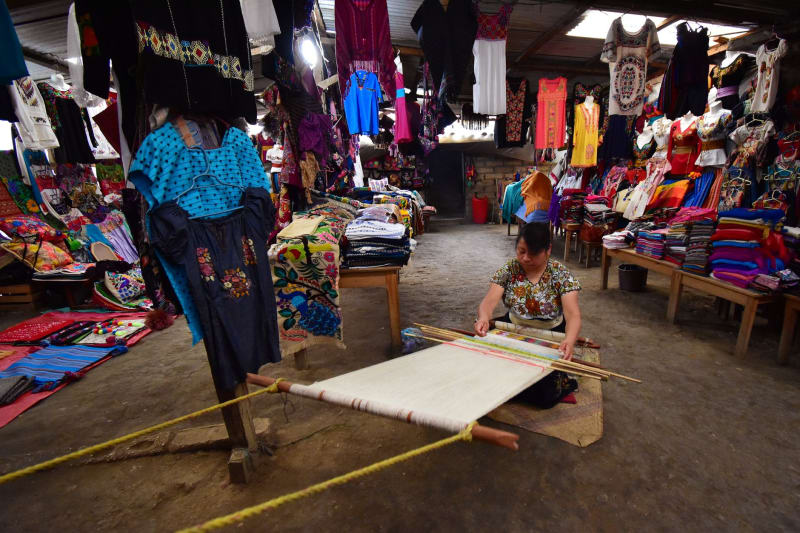 chiapas
 San Juan Chamula
A Tzotzil autonomous municipality where a white church full of pine needles and Coca-Cola runs on a calendar entirely its own.
Explore chiapas
 Tapachula
A humid border city near Guatemala where coffee and cacao plantations climb the volcano slopes just outside town.
Explore chiapas
 Toniná
A Maya fortress-pyramid rising seven terraced platforms above a valley near Ocosingo, less visited than Palenque and more architecturally brutal.
Explore