El Chiflon
"I stood under the mist of Velo de Novia until my shirt was soaked and I didn't care at all."
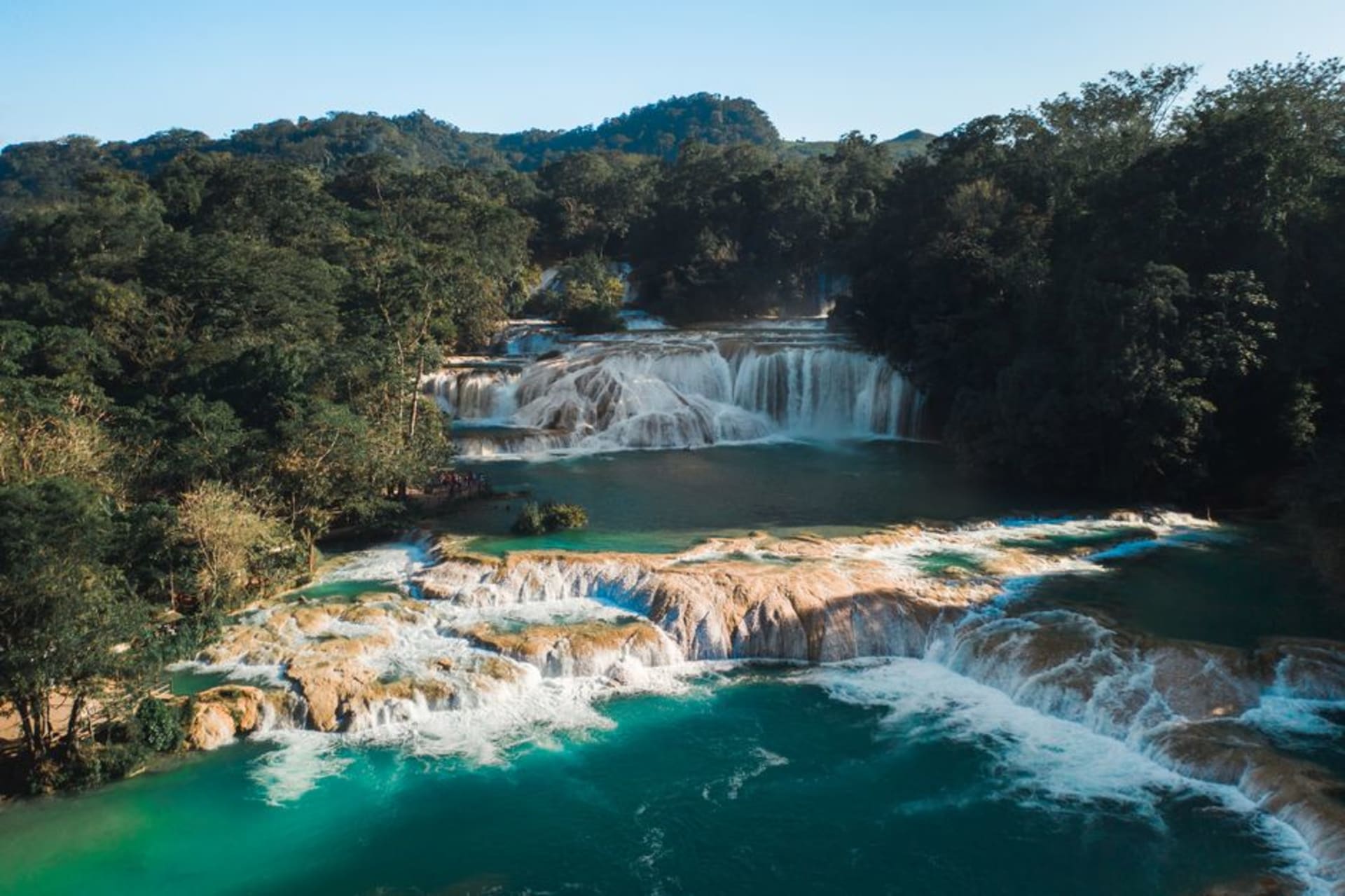
A staircase of turquoise cascades in the Chiapas hills, ending at the thundering 120-foot curtain of Velo de Novia.

Lia had seen a photo of El Chiflon on some Mexican Instagram account years before we ever got in the car, and she wouldn’t let it go until we finally made the detour from San Cristobal. It’s not a quick stop — figure two, two and a half hours each way depending on the road works around Comitan — but I understood the obsession within about ten minutes of walking the trail. The water here is that improbable turquoise you assume is a filter until you’re standing in it, the color coming from dissolved limestone rather than anything tropical, and it just keeps escalating: one cascade, then a bigger one, then a bigger one still.
The trail climbs alongside the falls in a series of viewing platforms, and I’ll admit the elevation gain caught me off guard in the Chiapas heat. There’s a zip line partway up that I skipped — heights and I have an understanding — but Lia went, and she said the view of the canyon from up there made the whole detour worth it on its own.

The final falls, Velo de Novia — Bride’s Veil — drop about 120 feet and generate enough spray that you feel it as wind before you see the water. I climbed the last stretch of stairs already damp from the humidity and came out the other side properly soaked, which, in that heat, felt less like an inconvenience and more like the point. There’s a small natural pool below where people were swimming, turquoise water bright against the grey rock, kids shrieking every time someone jumped in.
What I didn’t expect was how well-run the whole place is — local cooperatives from the surrounding communities manage the park, and the trail is genuinely well maintained, with clean bathrooms and food stalls selling grilled corn and fresh juice near the entrance. It felt less like a tourist trap and more like a community actually benefiting from people showing up. We ate empanadas de queso at a plastic table looking out at the second cascade and I remember thinking I could just stay there all afternoon.

If you’re coming from San Cristobal, pair it with a stop in Comitan on the way back — decent mezcal bars there if you need to dry off with something stronger than river water.
When to go: Visit in the dry season (November to April) for the clearest turquoise water and easier trail footing; rainy months bring bigger, muddier flows and slicker stone steps.
Keep exploring
More from Chiapas
 chiapas
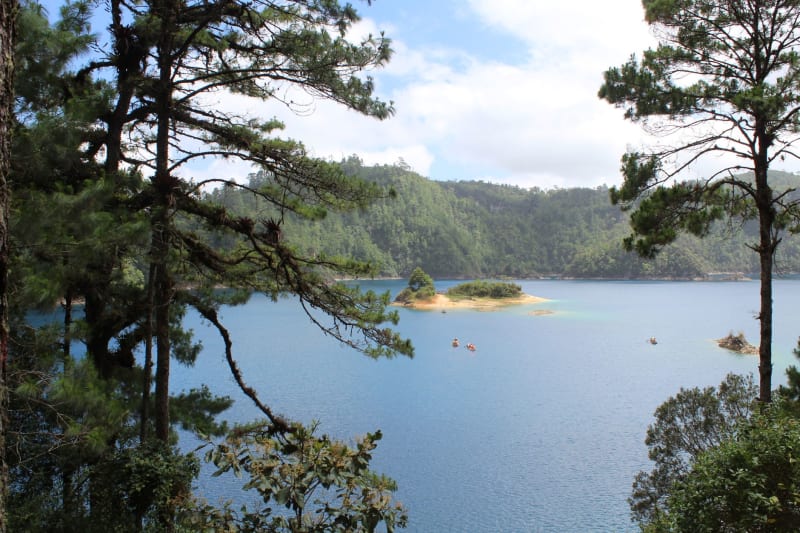
 Lagos de Montebello
Sixty-odd lakes in a pine forest on the Guatemalan border, each a different impossible color depending on its mineral chemistry.
Explore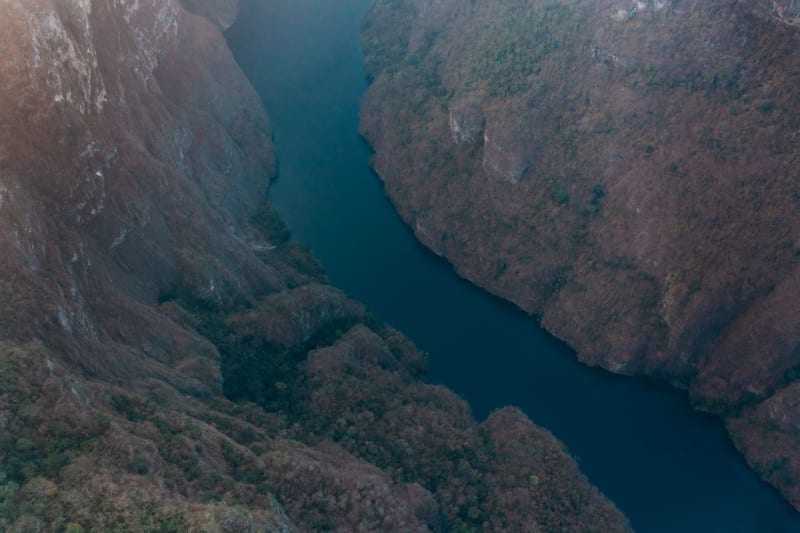 chiapas
 Misol-Ha
A single 35-meter waterfall plunging into a jungle pool you can walk behind — quiet, green, and genuinely uncrowded.
Explore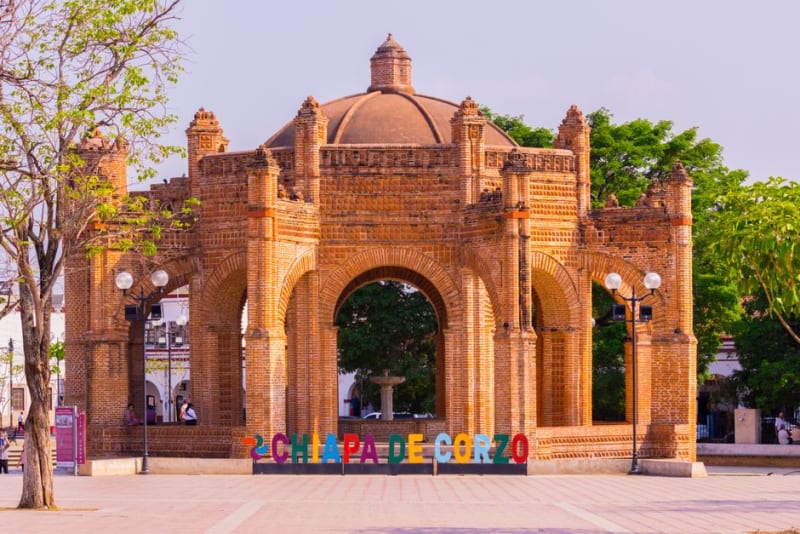 chiapas
 Ocosingo
A working market town near the Tonina ruins, still carrying the memory of the 1994 Zapatista uprising in its quiet town square.
Explore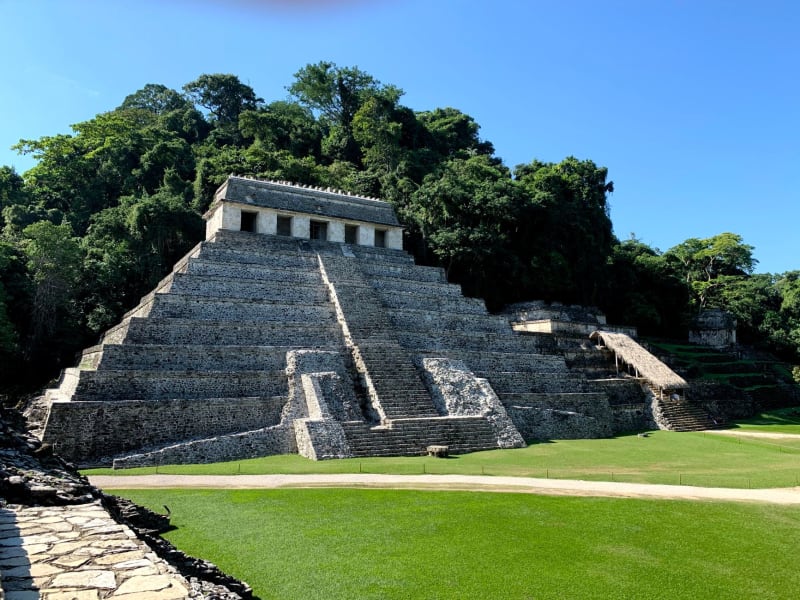 chiapas
 Palenque
Maya ruins dissolving into living jungle, where howler monkeys bark from the canopy above temples that still feel genuinely discovered.
Explore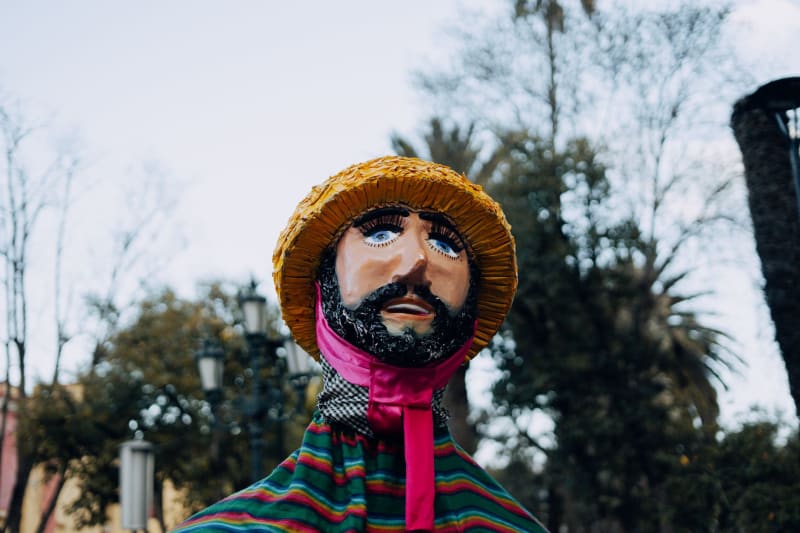 chiapas
 San Cristóbal de las Casas
A cool highland colonial city where Zapatista coffee and Tzotzil textiles exist in deliberate, unresolved tension.
Explore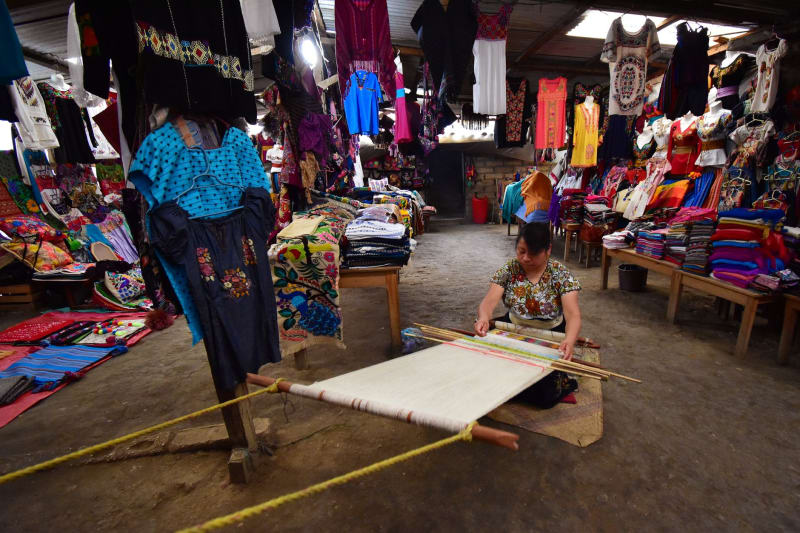 chiapas
 San Juan Chamula
A Tzotzil autonomous municipality where a white church full of pine needles and Coca-Cola runs on a calendar entirely its own.
Explore