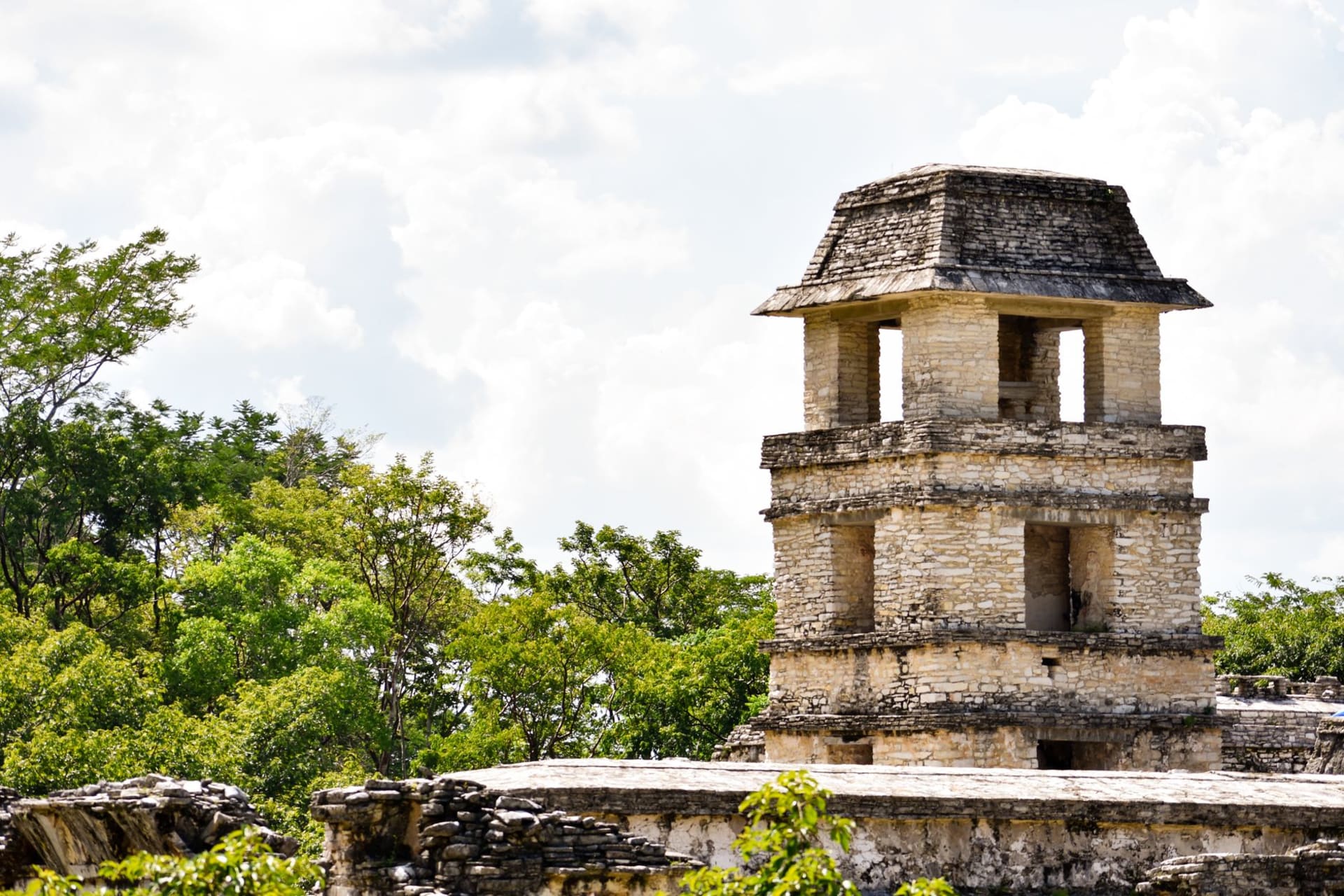
Bonampak
"The murals at Bonampak show the Maya in full color — the blues and reds have barely faded, and neither has the violence."
A remote Maya site in the Lacandón jungle whose painted murals are the most vivid surviving record of Classic Maya warfare and ceremony.

Getting to Bonampak requires commitment. The site sits deep in the Lacandón jungle near the Guatemalan border, and the last section of road — once paved, now a maintained dirt track through forest — takes ninety minutes from Palenque in a shared vehicle driven by a member of the Lacandón community that manages access to the site. This arrangement is not incidental: the Lacandón Maya, whose ancestors lived in this forest for centuries and who first showed the ruins to Western archaeologists in 1946, control access and benefit from the tourism revenue. The slowness of the journey is part of the experience. The Usumacinta basin jungle pressing against both windows of the van makes clear what it took to build a city in this landscape.
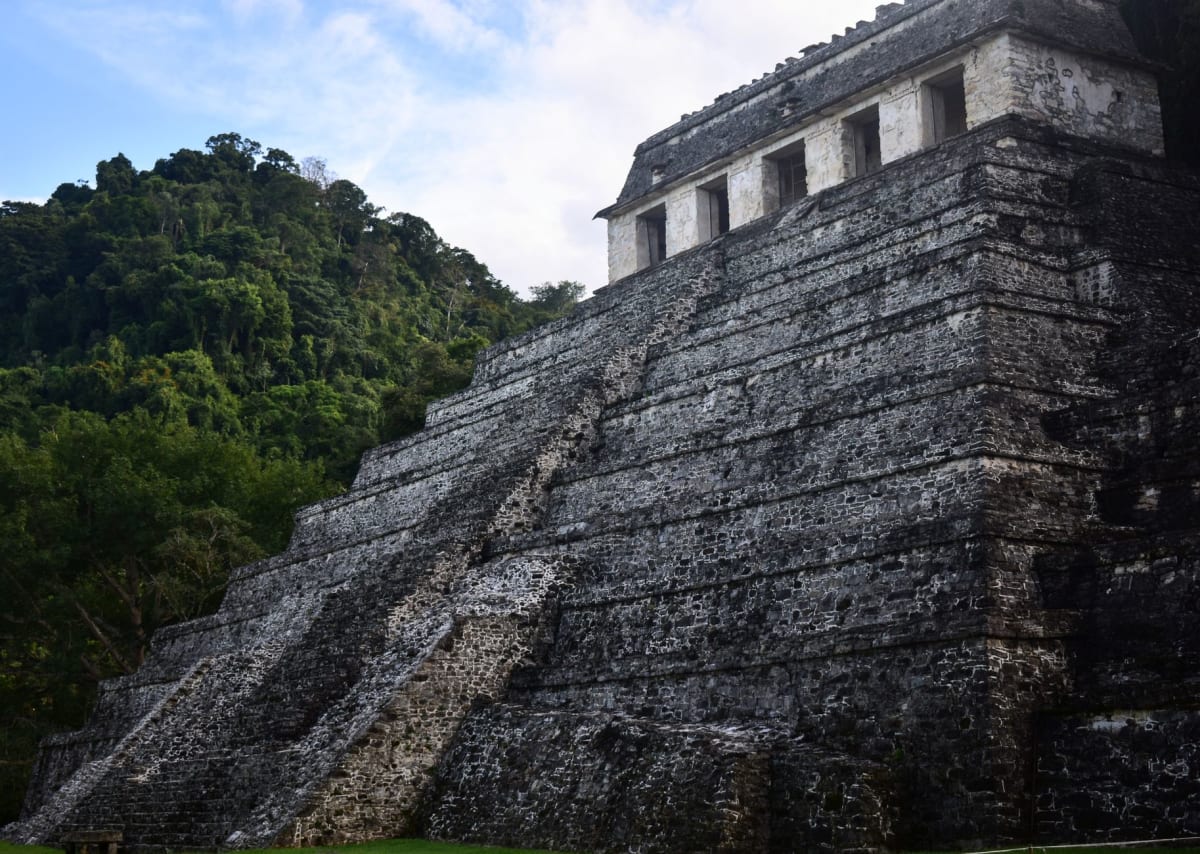
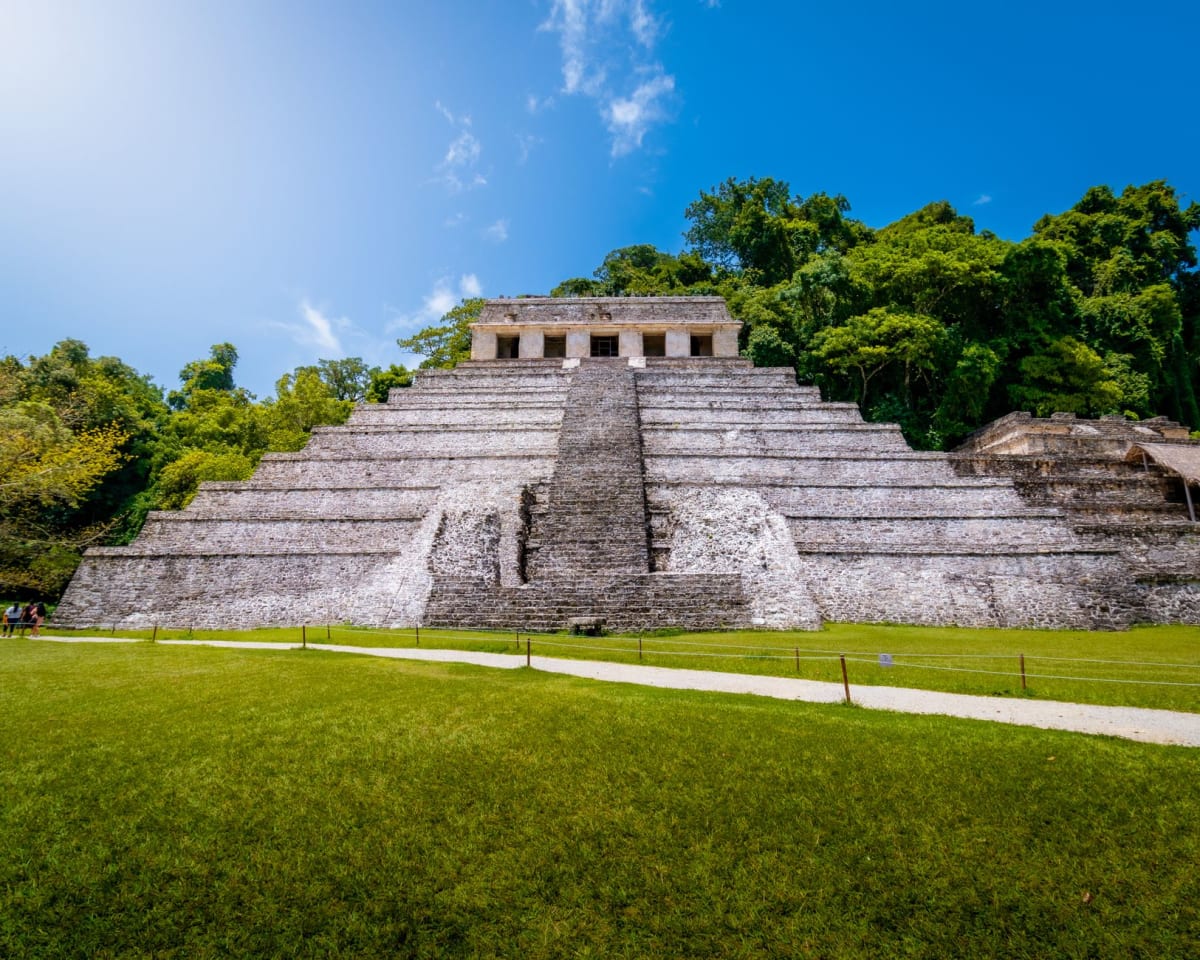
The ruins themselves are modest by Palenque’s standards — a single main plaza with a pyramid, a stela, and the Structure of the Murals, a small three-room building on a platform that would register as a minor auxiliary structure at any other site. What makes Bonampak essential is what is painted on the interior walls and ceilings of those three rooms, which constitutes the most complete and best-preserved example of Classic Maya mural painting anywhere. The murals were created around 790 CE, commissioned by the ruler Chan Muan to record a military victory and the rituals that followed it.
The colors, even after twelve centuries and decades of conservation challenges, are extraordinary. The Maya blue — a pigment made from indigo and a clay mineral called palygorskite that has proven nearly indestructible — still reads as a vivid mid-tone blue. The reds and oranges, derived from iron oxide, have held. The murals show a battle in progress, warriors in jaguar-skin headdresses and feather regalia grappling with captives; a post-battle scene of torture and sacrifice on a pyramid staircase; and a ceremony with musicians, dancers, and rulers in full regalia. These are not symbolic or schematic representations — they are figurative, specific, and deeply cinematic. The faces have individual expressions. The bodies are depicted in mid-motion. After centuries of abstract stone carving, the paintings feel like suddenly seeing the people themselves.
A replica of the murals exists at the Anthropology Museum in Mexico City, and some people ask whether the replica makes the trip redundant. It does not. Standing in the actual rooms, with the humidity of the jungle pressing against the structure from outside and the howler monkeys audible through the walls, changes the experience entirely. The replica shows you what; the original site tells you where, and the where is everything.
The Lacandón guides who accompany the groups through the site carry knowledge about the murals and the surrounding jungle that no signage captures — the medicinal plants along the path, the identification of howler monkey versus spider monkey calls, the specific trees that the Maya used for construction and pigments. I spent more time talking to mine than looking at the murals, which is perhaps not what was intended but felt entirely right.
When to go: November through April for accessible road conditions. The rainy season makes the dirt road into the site challenging or occasionally impassable. Combine with Yaxchilán, accessible by boat on the Usumacinta River from the nearby community of Frontera Corozal, to make the long journey worthwhile — the two sites together constitute one of the great archaeological days in Mexico.
Keep exploring
More from Chiapas
 chiapas
 Cañón del Sumidero
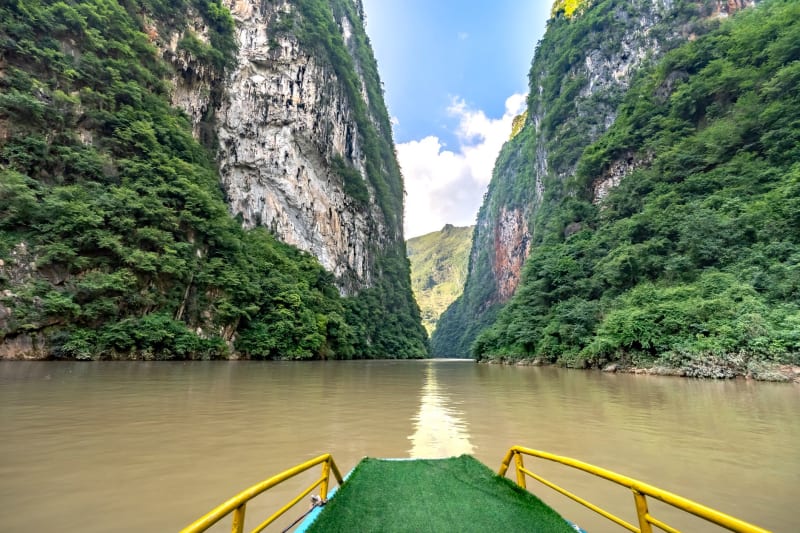
A slot canyon where the Grijalva River cuts 1,000-meter walls of vertical rock — best understood from a small boat at the bottom.
Explore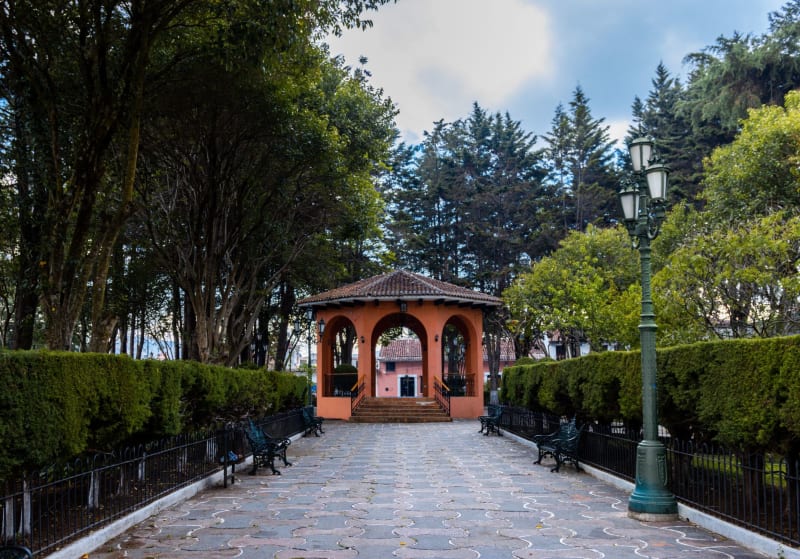 chiapas
 Comitán de Domínguez
A slow colonial highland city near the Guatemalan border that Chiapas travelers consistently overlook and consistently should not.
Explore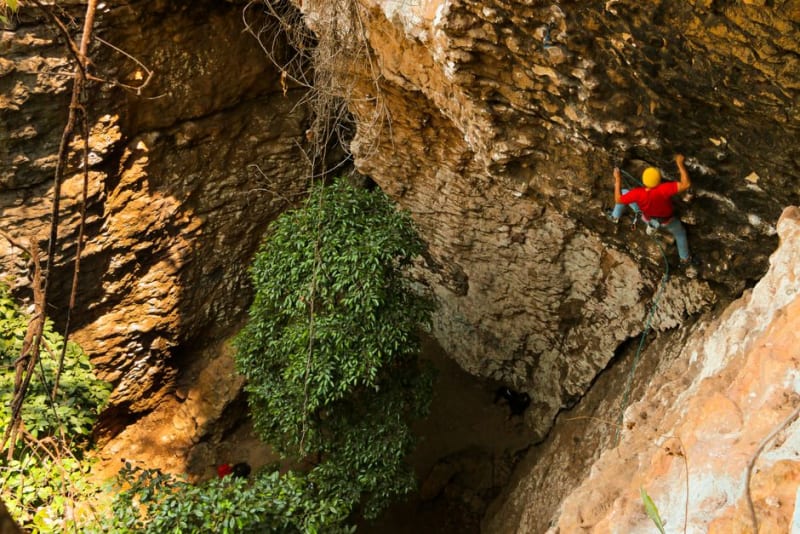 chiapas
 El Arcotete
A limestone cave and natural stone arch tucked into pine forest just outside San Cristobal de las Casas.
Explore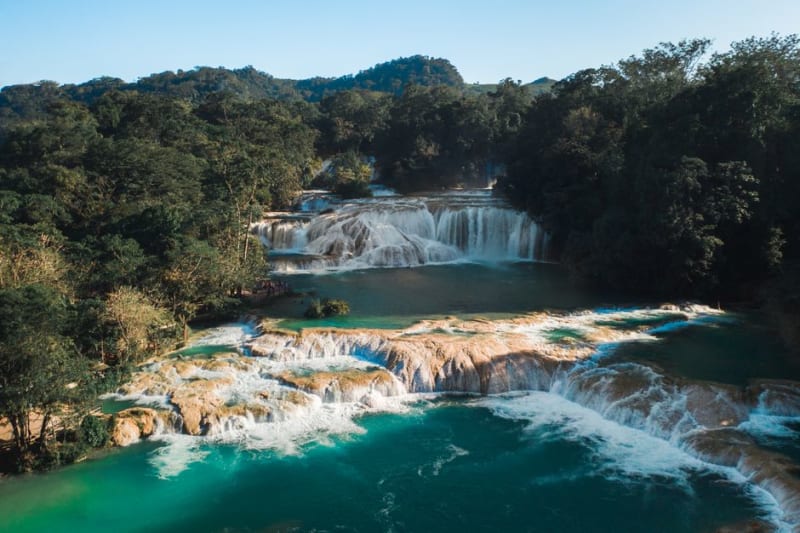 chiapas
 El Chiflon
A staircase of turquoise cascades in the Chiapas hills, ending at the thundering 120-foot curtain of Velo de Novia.
Explore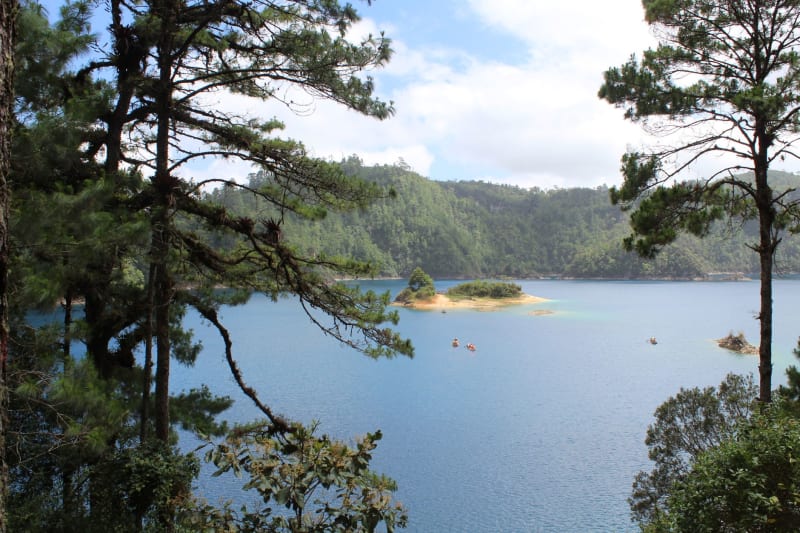 chiapas
 Lagos de Montebello
Sixty-odd lakes in a pine forest on the Guatemalan border, each a different impossible color depending on its mineral chemistry.
Explore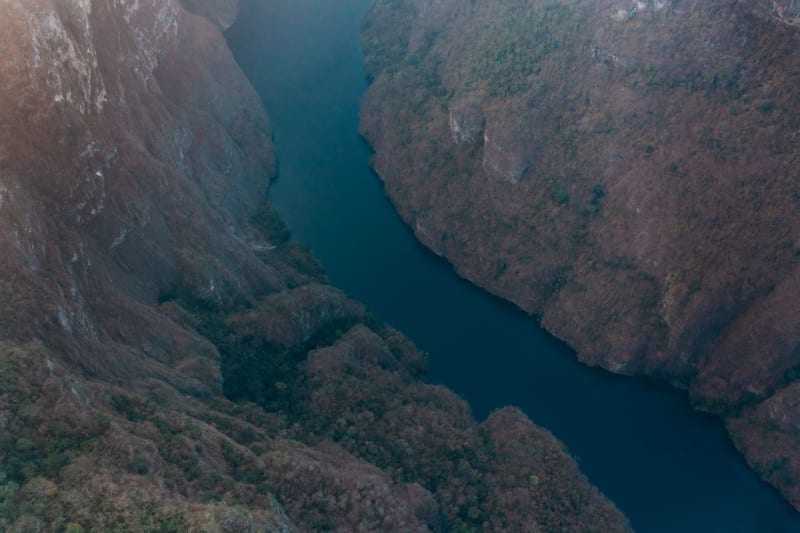 chiapas
 Misol-Ha
A single 35-meter waterfall plunging into a jungle pool you can walk behind — quiet, green, and genuinely uncrowded.
Explore