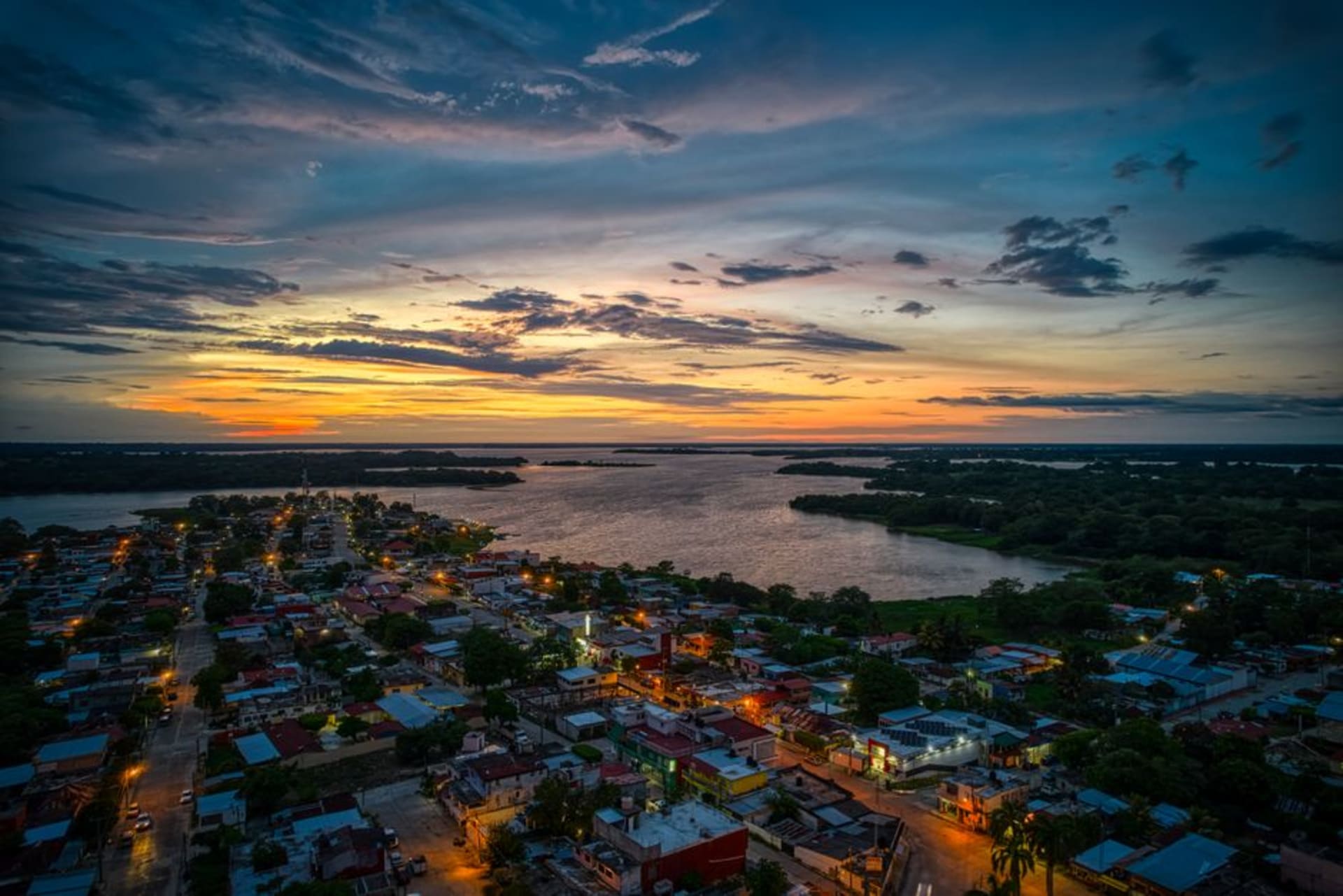
Tuxtla Gutierrez
"I came to Tuxtla for one night before the canyon and ended up liking it more than I expected to admit."
Chiapas's modern, unpretty capital, worth a stop mainly as the launch point for boat trips into the Sumidero Canyon.

Everyone told us to skip Tuxtla Gutierrez — get in, get to the Sumidero Canyon, get out toward San Cristobal as fast as possible — and I understand why. It’s not a colonial jewel like its highland neighbor; it’s a real, working capital city with traffic, modern buildings, and none of the cobblestone charm that Chiapas is known for elsewhere. But we spent one night there before our canyon trip and I came away thinking the dismissal is a little unfair.
We stayed near Parque de la Marimba, and I hadn’t expected to walk into an actual event — locals gather most evenings for live marimba music and dancing, older couples moving with a kind of unhurried elegance that made me feel, honestly, like an intruder in the best way. We got micheladas from a cart and just watched for an hour. It’s the kind of unglamorous, non-touristy scene that ends up being one of my favorite memories of a trip precisely because nobody built it for us.

The real reason to come, though, is the Sumidero Canyon, and the boat launch is right at the edge of the city. We booked a lancha at Cahuare early the next morning and spent about two hours motoring beneath sheer canyon walls that rise, in places, over 3,000 feet straight up from the river — a scale that photos genuinely don’t prepare you for. Crocodiles sunned themselves on the banks, spider monkeys moved through the trees near the top, and our guide pointed out a rock formation locals call “el arbol de navidad” where mineral deposits form a shape like a dripping Christmas tree.

Back in the city, the Miguel Alvarez del Toro zoo is worth the detour if you have kids or just like seeing regional wildlife — jaguars, tapirs, quetzals — kept in surprisingly naturalistic, walk-through enclosures.
When to go: Visit in the dry season (November to April) for calmer, clearer canyon water and the best wildlife sightings from the boat.
Keep exploring
More from Chiapas
 chiapas
Yaxchilán
A Maya city you reach only by boat down the Usumacinta, swallowed by jungle and howler monkeys, its carved lintels still standing in the green half-light.
Explore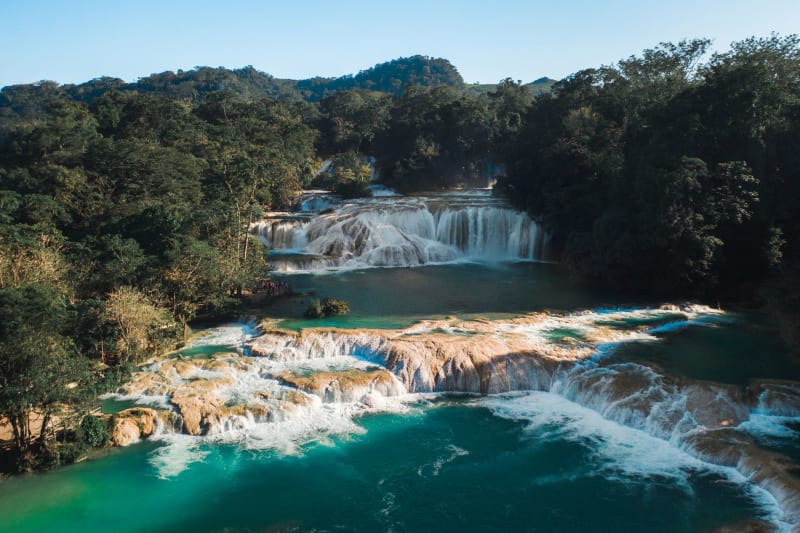 chiapas
Zinacantán
A Tzotzil flower-growing village above San Cristóbal where the fields are pink and the handwoven huipiles carry centuries of cosmological meaning.
Explore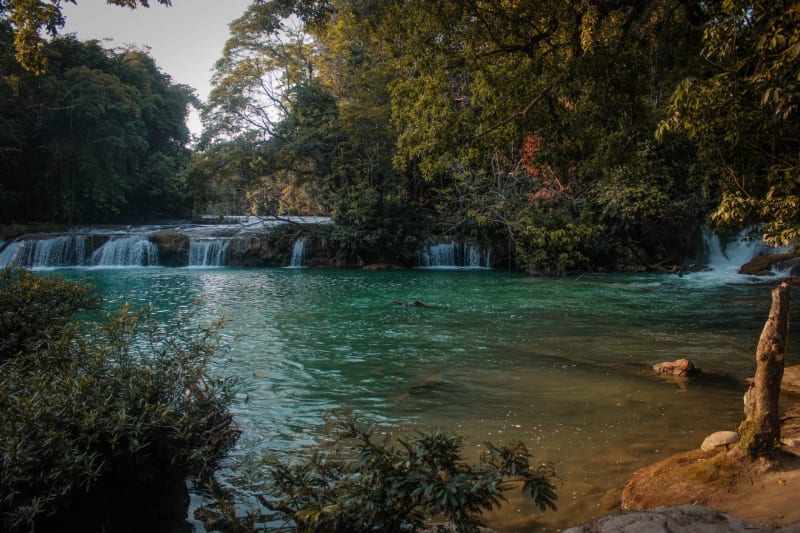 chiapas
Agua Azul
Cascading turquoise pools in the Chiapas jungle that look digitally enhanced until you are standing waist-deep inside them.
Explore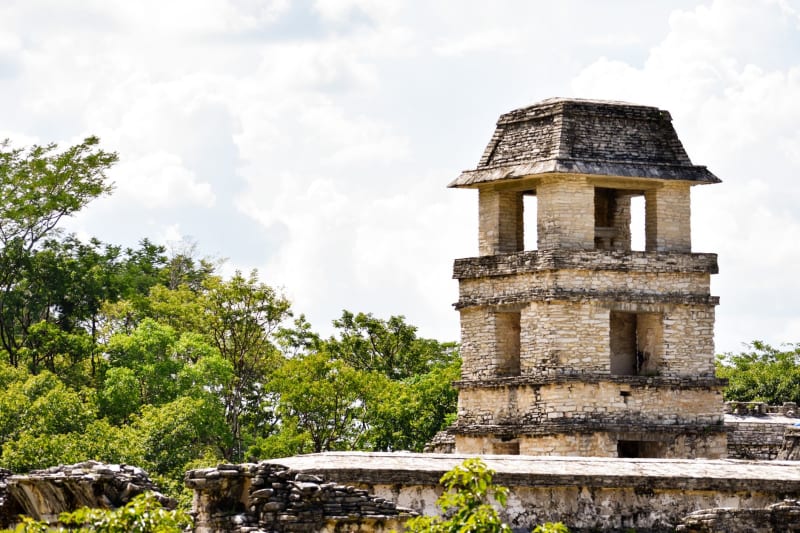 chiapas
Bonampak
A remote Maya site in the Lacandón jungle whose painted murals are the most vivid surviving record of Classic Maya warfare and ceremony.
Explore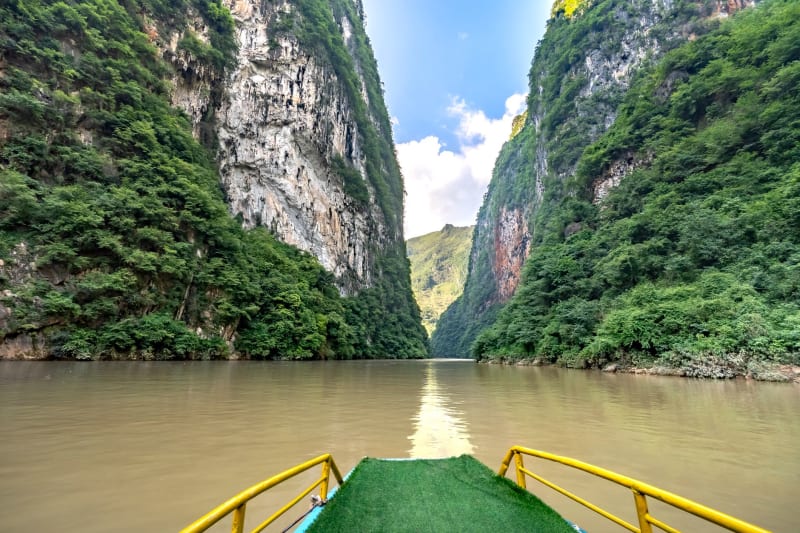 chiapas
Cañón del Sumidero
A slot canyon where the Grijalva River cuts 1,000-meter walls of vertical rock — best understood from a small boat at the bottom.
Explore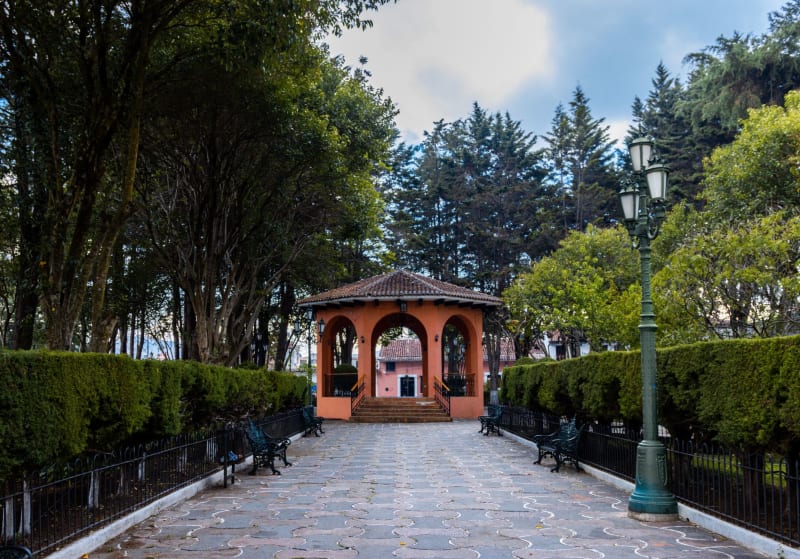 chiapas
Comitán de Domínguez
A slow colonial highland city near the Guatemalan border that Chiapas travelers consistently overlook and consistently should not.
Explore