Asia
Cambodia
"The country where stone speaks and silence means something."
Angkor Wat at dawn is one of those rare experiences that actually exceeds its reputation. The temple emerges from darkness slowly — first as a silhouette, then as detail, then as something so vast and intricate that the mind struggles to hold it all at once. But Angkor is not one temple. It is a sprawling complex of hundreds of structures spread across the jungle, and the ones the crowds skip — Ta Prohm strangled by fig trees, Banteay Srei with its rose-pink sandstone carvings, the distant pyramid of Koh Ker — are often more powerful than the main attraction. Three days is the minimum for Angkor. Most people give it one and leave thinking they have seen it.
Cambodia asks something of its visitors that most countries do not. The Tuol Sleng Genocide Museum and the Killing Fields outside Phnom Penh are not optional excursions — they are essential context. The Khmer Rouge decimated this country within living memory, and understanding that history changes how you see everything else: the youth of the population, the warmth of the hospitality, the resilience visible in every market stall and motorbike repair shop. Phnom Penh itself has emerged as one of Southeast Asia’s most compelling capitals — the riverfront, the Royal Palace, the food scene centered on Kampot pepper and freshwater fish.
When to go: November to February is cool and dry — the ideal window. Angkor is most photogenic in the early dry season when the moats are still full. March to May is brutally hot. The rainy season (June to October) brings afternoon storms but also green landscapes and far fewer tourists.
What most guides get wrong: They fly into Siem Reap, see Angkor, and fly out. Cambodia’s south coast — Kampot, Kep, the islands of Koh Rong — offers some of the most unspoiled coastline left in Southeast Asia. And Phnom Penh deserves at least two full days, not the half-day most itineraries allot.
Explore
Places in Cambodia

Angkor Wat
The largest religious monument on Earth, where an empire carved its cosmology into stone.
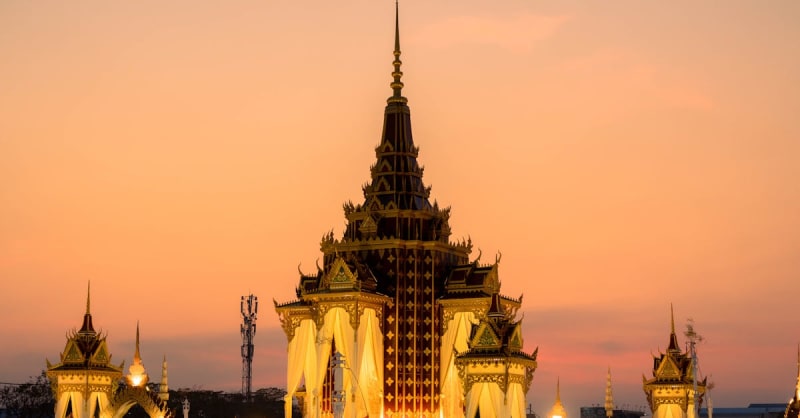
Battambang
Cambodia's best-kept secret — a colonial riverside town with the country's finest food and art scene.
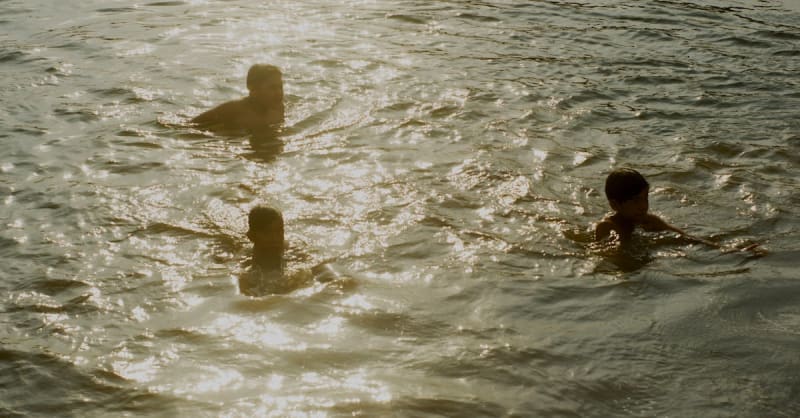
Kampot
A drowsy riverside town famous for its pepper, its sunsets, and its refusal to hurry.
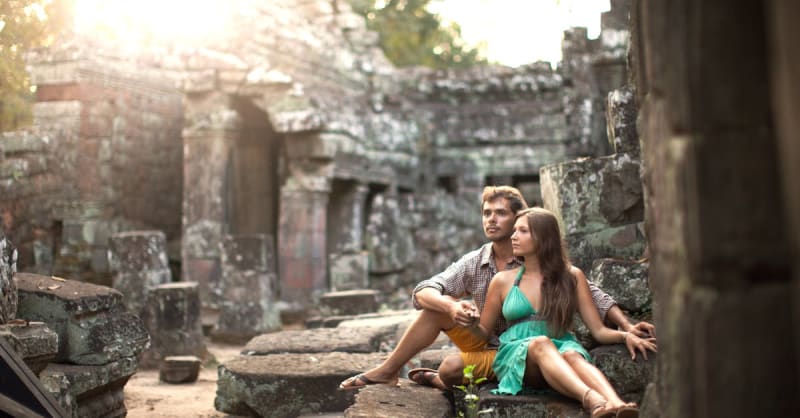
Kep
A sleepy seaside retreat where the crab market is the main event and the pace is blissfully unhurried.
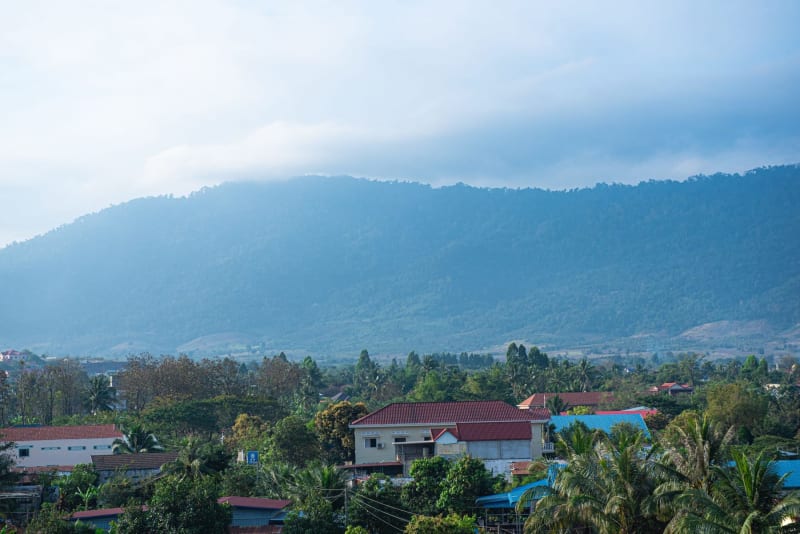
Krong Kep
A faded French colonial seaside town in southern Cambodia known for its morning crab market and overgrown belle-époque villas.
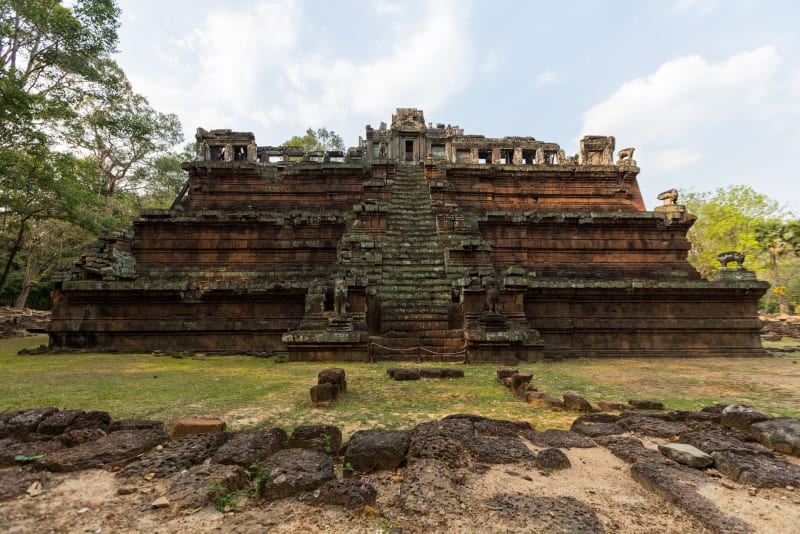
Koh Ker
A briefly imperial Angkorian capital swallowed by jungle, where a seven-tiered sandstone pyramid rises out of the forest like something that wandered in from Mesoamerica.
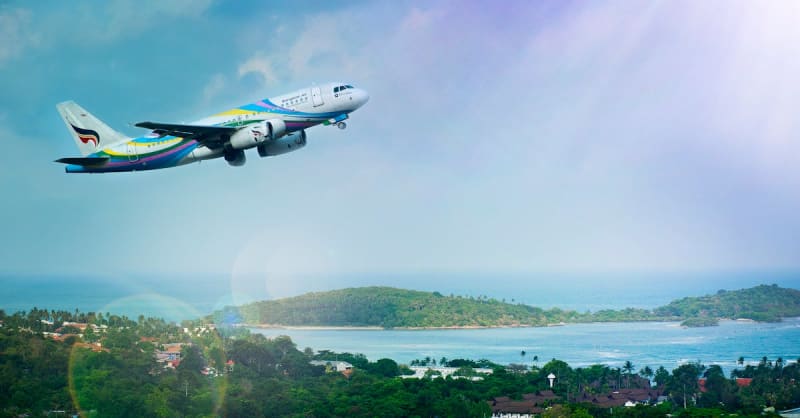
Koh Rong
A jungle island ringed by white sand where bioluminescent plankton light up the midnight shallows.
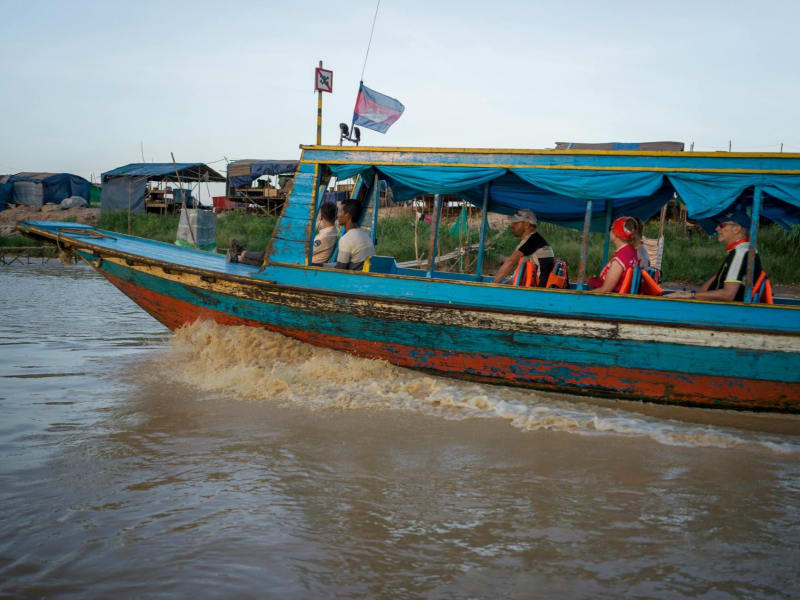
Kratie
A sleepy Mekong town where the critically endangered Irrawaddy dolphin still surfaces at dusk.
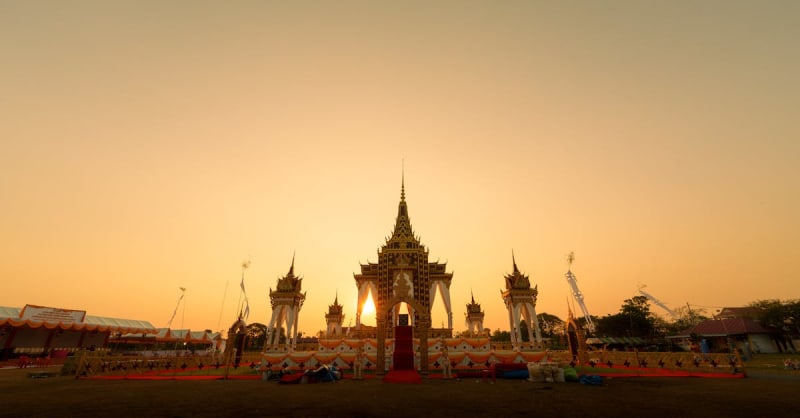
Mondulkiri
Cambodia's wild east — rolling hills, powerful waterfalls, and ethical elephant encounters in deep jungle.
Phnom Penh
A riverside capital where painful history and irrepressible energy exist in the same breath.
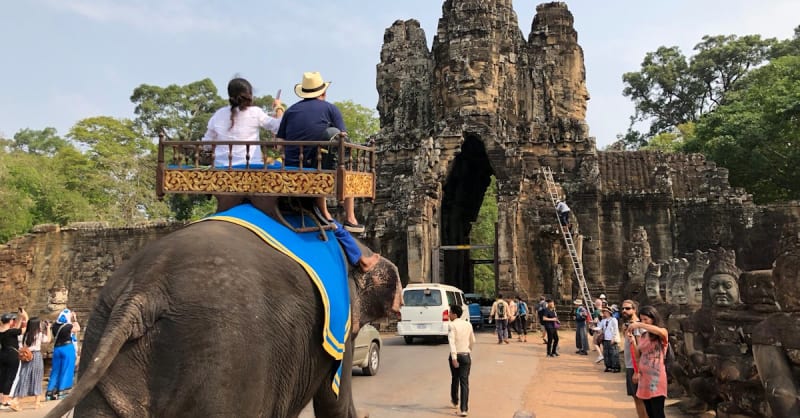
Siem Reap
Gateway to Angkor and a town that has reinvented itself around the world's greatest archaeological wonder.
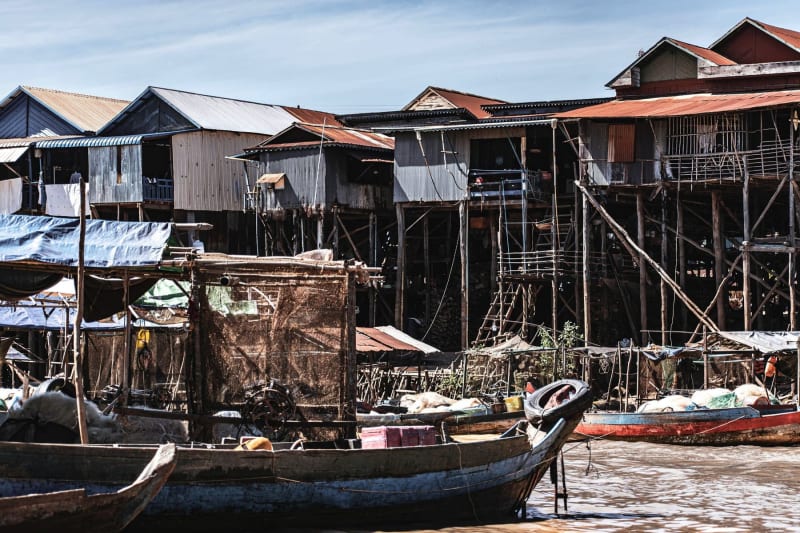
Siem Reap Villages
Cycling out from the temple city into stilt-house villages where daily life happens at rice-paddy level.
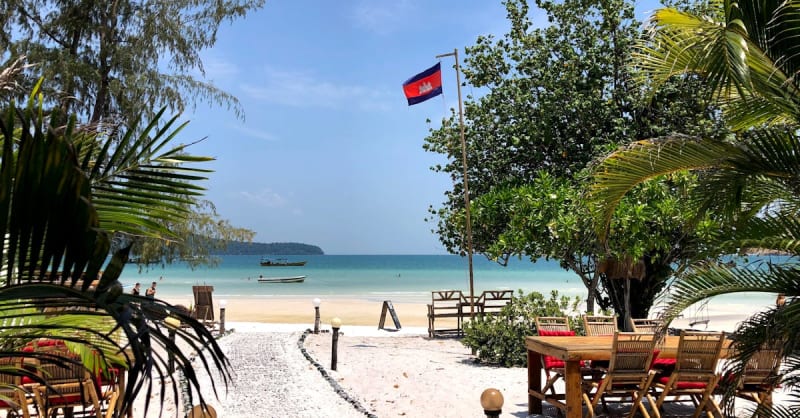
Sihanoukville
A coastal city rewriting itself, best used as a launchpad to Cambodia's southern islands.
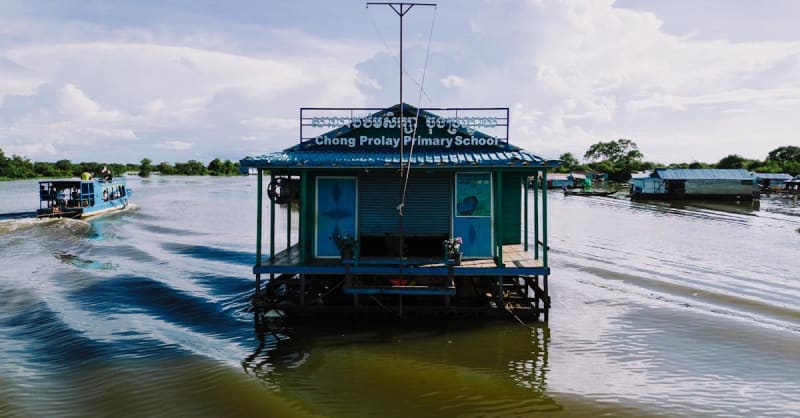
Tonle Sap
Southeast Asia's largest freshwater lake, where entire communities float on water that breathes with the seasons.
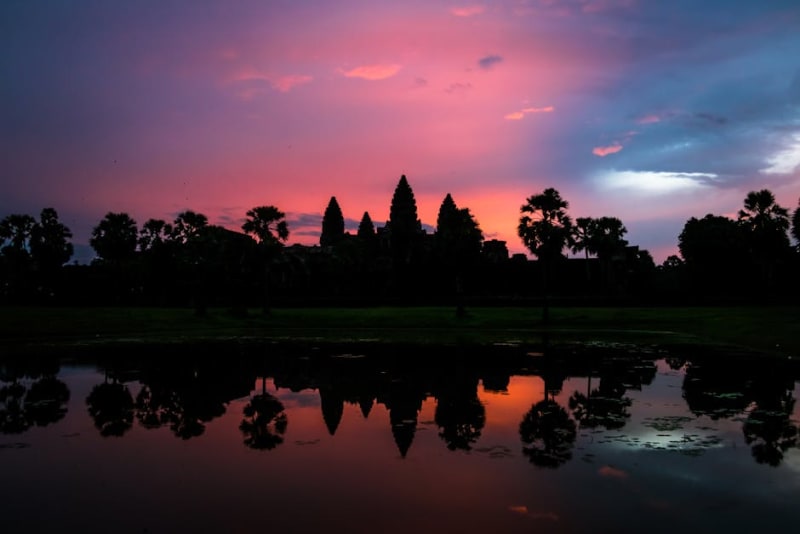
Free download
Get the Cambodia Guide
A curated PDF itinerary with honest picks, real restaurants, and the details that matter — the kind you'd actually print and bring.
Download the guide