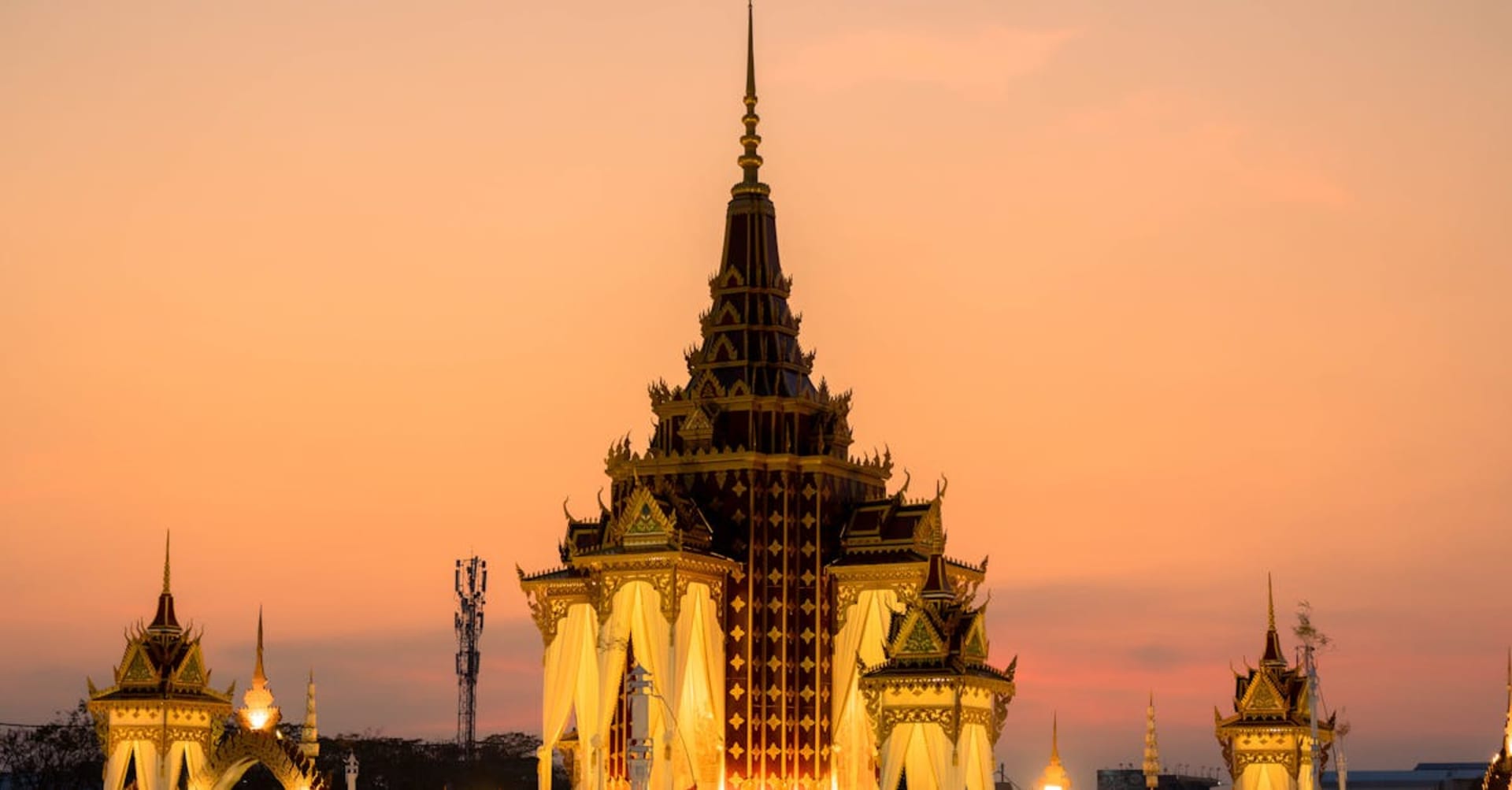
Battambang
"The bamboo train was absurd, the food was sublime, and the people were extraordinary."
Battambang is the Cambodia that most visitors miss, and those who find it tend to evangelise. The town sits on the Sangker River, its centre a grid of faded French colonial buildings being reinvented as galleries, cafes, and social enterprises. The architecture alone is worth the detour — pastel facades with louvred shutters, wrought-iron balconies, and the particular elegance of provincial French design transported to the tropics and left to age in the humidity. Walking the main street in the late afternoon, when the light turns golden and the shopfronts open to the evening air, I felt a stillness that Siem Reap lost years ago.
The Phare Ponleu Selpak circus — a performing arts school founded by conflict survivors — puts on shows that are raw, joyful, and unforgettable. The performers are young Cambodians who have trained here since childhood, and the acts blend traditional Khmer storytelling with contemporary circus in a way that made me laugh and then, without warning, made my throat tight. This is art born from trauma, and it has a power that polished productions cannot touch.

We rode the bamboo train, a single-rail contraption powered by a small motor that rattles through rice paddies at a pace that invites contemplation. When two trains meet on the single track, the lighter one is simply disassembled and lifted off to let the other pass — a solution so pragmatic it borders on philosophy. The countryside around Battambang is scattered with ancient temples — Wat Banan, a hilltop Angkor-in-miniature with five towers and a staircase of 358 steps, and Phnom Sampeau, a mountain riddled with caves and painful wartime history. The killing cave at Phnom Sampeau is as difficult as Tuol Sleng, and the bats that emerge from the mountain at dusk in a spiralling black column — millions of them, for twenty minutes straight — are one of Cambodia’s most extraordinary natural spectacles.
But it was the food that defined our stay. Battambang is considered Cambodia’s culinary capital, and the noodles here — num banh chok, fresh rice noodles with a fish-based green curry sauce and a tangle of raw vegetables — are something approaching art. We ate them at a market stall where the woman making them had been doing so for forty years, and the flavour was clean and complex in a way that no restaurant version has ever matched. The oranges from Battambang province are famous across Cambodia, and the dried fish from the Sangker River is a delicacy I had not known to look for.
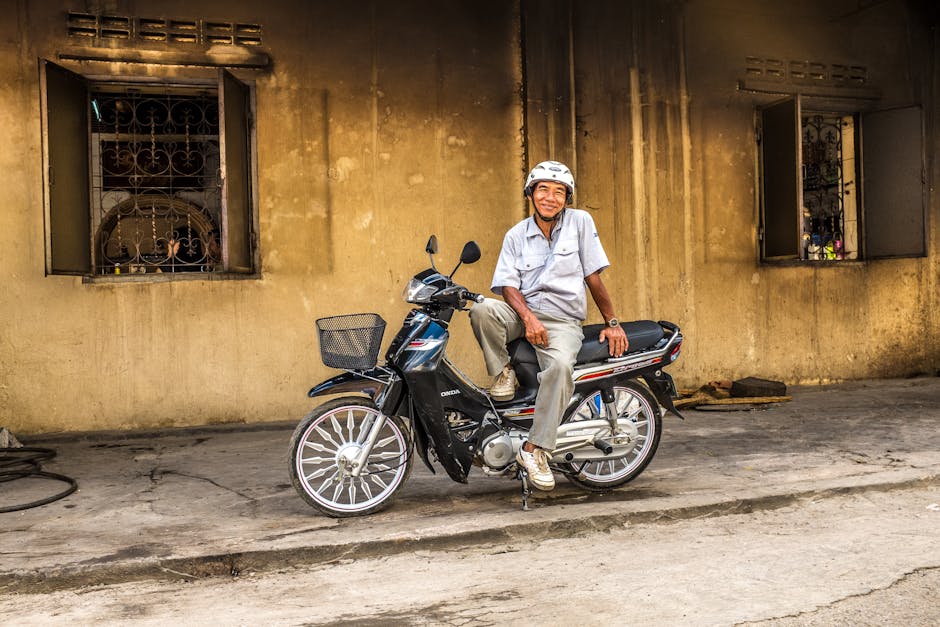
When to go: November to March is dry and comfortable. The boat from Siem Reap runs during wet season (July to November) and is a spectacular journey through flooded landscapes. The circus performs most evenings year-round.